

Introduction
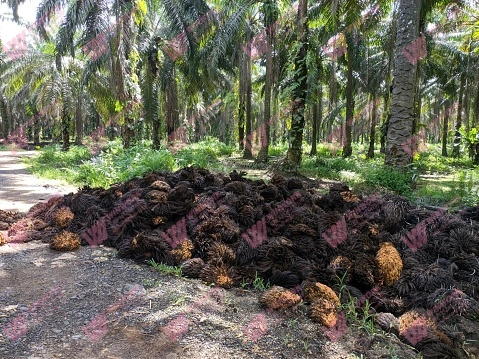
Every harvest season, farmers face the same problem: mountains of crop stalks, spoiled veggies, and manure piles. For years, most of this ended up burned in fields or dumped in landfills—wasting nutrients and polluting the air. But today, smart farmers are embracing agricultural waste utilization, a practice that turns these leftovers into valuable fertilizer, fuel, and soil amendments. Let’s dive into how this works, why it pays, and what gear you need to get started.
What Counts as Agricultural Waste?
First, let’s define agricultural waste utilization by identifying the waste itself. It includes:
Crop residues: Corn stalks, wheat straw, rice hulls, cotton stalks
Animal manure: Cow, chicken, pig waste
Food processing scraps: Spoiled fruits, vegetable trimmings, grain screenings
Agro-industrial byproducts: Sugarcane bagasse, coffee pulp, nut shells
These materials are packed with carbon, nitrogen, and organic matter—exactly what healthy soil craves. Ignoring agricultural waste utilization means throwing away free fertilizer and wasting resources that took sunlight, water, and labor to produce.
Why Embrace Agricultural Waste Utilization?
There are three big reasons farmers are jumping on board:
Environmental Protection: Burning crop stalks causes smog; dumping manure poisons water. Agricultural waste utilization keeps these materials out of ecosystems, reducing pollution and greenhouse gases.
Cost Savings: Synthetic fertilizers cost $300–$600 per ton. Turning waste into compost or pellets slashes input costs—or creates a new product to sell.
Soil Health: Returning organic matter to fields improves water retention, microbial activity, and crop yields. It’s a long-term investment in farm productivity.
The Essential Machines for Agricultural Waste Utilization
The Horizontal Fermentation Tank is a state-of-the-art equipment designed for the effective aerobic fermentation of organic waste, agricultural residues, sludge, and other compostable materials. Unlike vertical tanks, the horizontal design allows for larger capacity and more uniform fermentation.
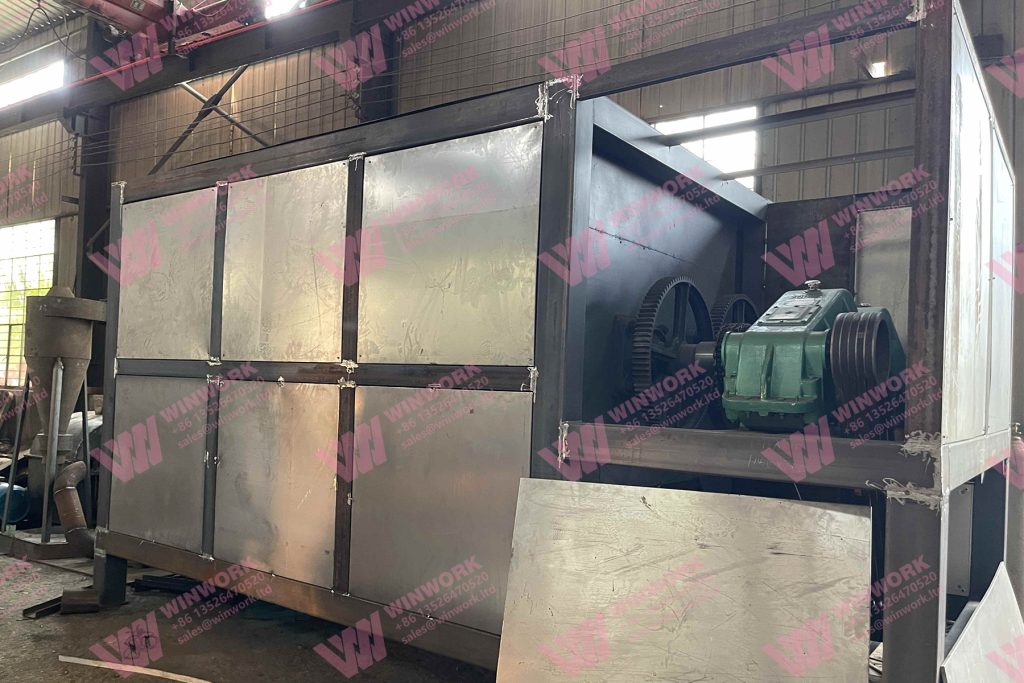
Horizontal fermentation tank
The Horizontal Fermentation Tank is widely used in the production of organic fertilizers and compost, offering numerous advantages in terms of efficiency, control, and environmental impact.
Horizontal crusher, also known as horizontal semi-wet material crusher, is a kind of crushing equipment specially designed to deal with high humidity, organic materials, especially suitable for organic fertilizer production in the material pre-treatment.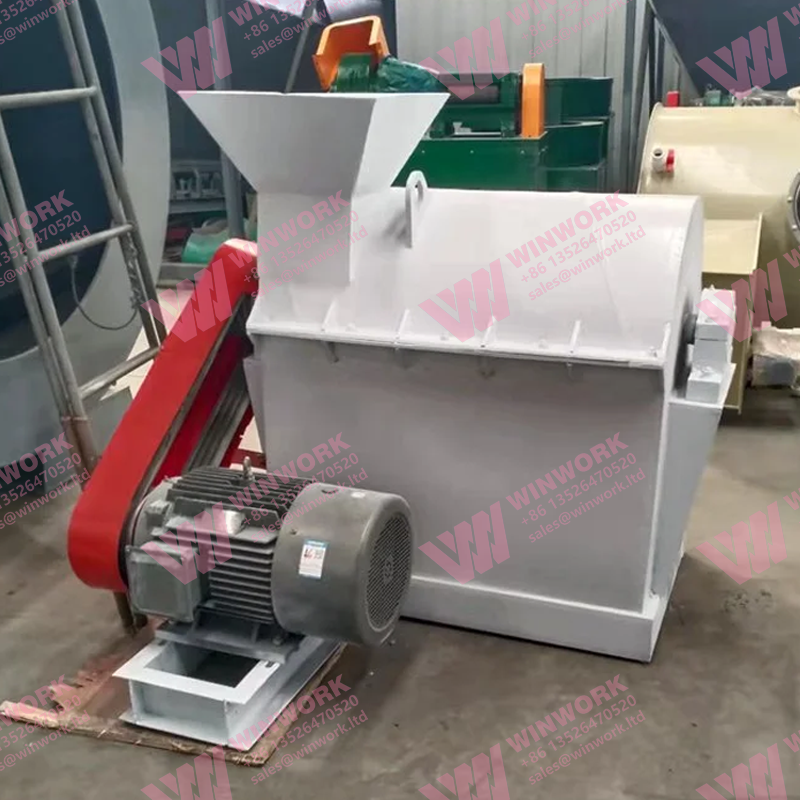
Horizontal crusher adopts a unique double-stage rotor structure, can effectively deal with high humidity materials, such as livestock and poultry manure, city garbage, crop residues and so on. It has high crushing efficiency, even material size, no blockage, no sticking phenomenon, and is one of the indispensable key equipments in organic fertilizer production line.
New type organic fertilizer granulator, also known as churning teeth granulator, is a kind of high-efficiency molding equipment, simple principle, fast granulation speed.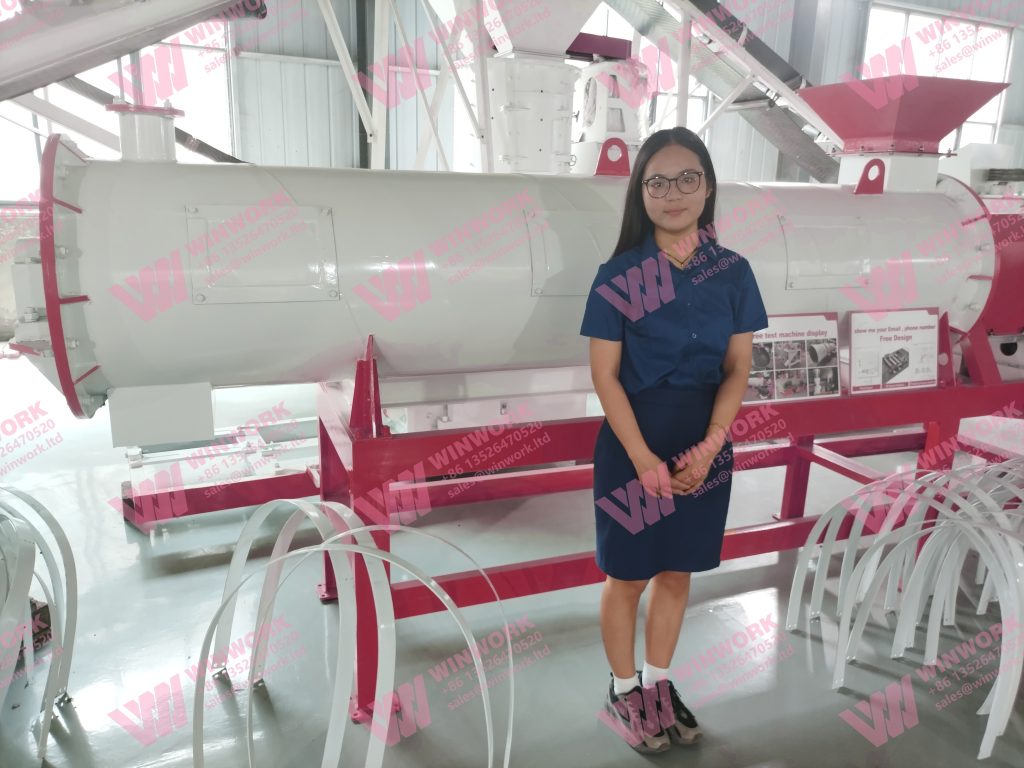
New type organic fertilizer granulator using high-speed rotating mechanical mixing force and the resulting aerodynamic force, so that the fine powdery material in the machine continuously to achieve the process of mixing, granulation, spheroidization and densification, so as to achieve the purpose of high-quality granulation.
The new type organic fertilizer granulator has the advantages of high granule quality, uniform finished particles, stable operation of the equipment, etc. It is suitable for the granulation of light and fine powder materials, and is an important equipment in the organic fertilizer production line.
And among these machines are essential for the agricultural waste utilization.
FAQ
Q1: Can I use all types of agricultural waste together?
A: Yes, but balance is key. Mix high-nitrogen waste (manure) with high-carbon waste (straw) in a 1:3 ratio. This prevents smelly, slow decomposition.
Q2: How long does agricultural waste utilization take?
A: Composting takes 2–3 months; biogas production takes 2–4 weeks. Pelletizing adds 1–2 days. Patience pays in agricultural waste utilization!
Q3: Is agricultural waste utilization messy?
A: Not with proper equipment! Shredders and enclosed composters contain dust and odors. It’s far cleaner than open burning or dumping.
Q4: Do I need permits for selling compost?
A: Small-scale sales (local farmers) usually don’t require permits. For larger operations, check local regulations on organic fertilizer labeling.
Q5: Can I use diseased plant material?
A: Avoid it. High-temperature composting (55°C+) kills most pathogens, but some hardy spores survive. Better safe than sorry in agricultural waste utilization.
Q6: How do I know if my compost is ready?
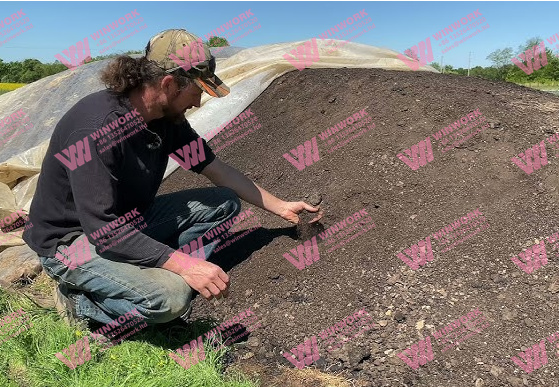
A: It should be dark brown, crumbly, and smell earthy. No original waste should be recognizable.
Q7: Is biogas safe for small farms?
A: Yes! Modern digesters have safety valves and sensors. Start with a small system (5–10 cows’ manure) to learn the ropes.
Q8: What’s the ROI for agricultural waste utilization equipment?
A: Most farmers break even in 1–3 years. Selling compost or biogas offsets costs quickly.
Q9: Can I use rice hulls in agricultural waste utilization?
A: Yes! Rice hulls are high in silica but low in nutrients. Mix them with manure to balance carbon and nitrogen.
Q10: Where can I learn more?
A: Local agricultural extension offices, online courses, or equipment suppliers offer workshops on agricultural waste utilization.
Conclusion
Agricultural waste utilization is more than a buzzword—it’s a practical, profitable way to turn farm “trash” into treasure. By using shredders, compost turners, digesters, and pelletizers, farmers can slash waste, cut costs, and build healthier soil. Whether you’re managing 10 acres or 1,000, the right agricultural waste utilization strategy fits your scale and budget. The sooner you start, the sooner you’ll see cleaner air, richer soil, and fatter profits.
For more details, please feel free to contact us.
Email: sales@lanesvc.com
Contact number: +8613526470520
Whatsapp: +8613526470520

Get A Quote