

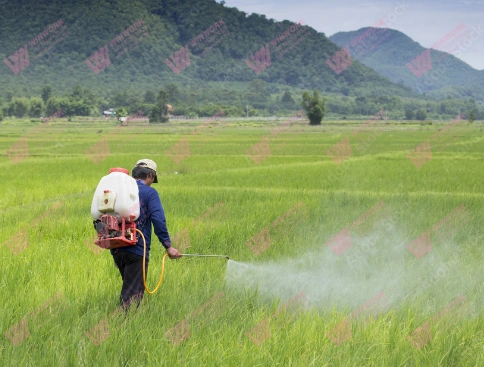
Introduction about Amino Acid Liquid Fertilizer
Amino acid liquid fertilizer has become a key input in modern agriculture due to its ability to improve crop growth, nutrient uptake, and plant resilience. Unlike conventional NPK fertilizers, amino acid-based solutions deliver bioactive compounds directly to plant metabolism, promoting root development, stress resistance, and overall yield enhancement.
With the rising demand for sustainable agricultural solutions, manufacturers and investors are increasingly interested in understanding the amino acid liquid fertilizer manufacturing process. A well-designed production system ensures high-quality output, cost efficiency, and environmental compliance, while allowing flexibility for scale-up and product differentiation.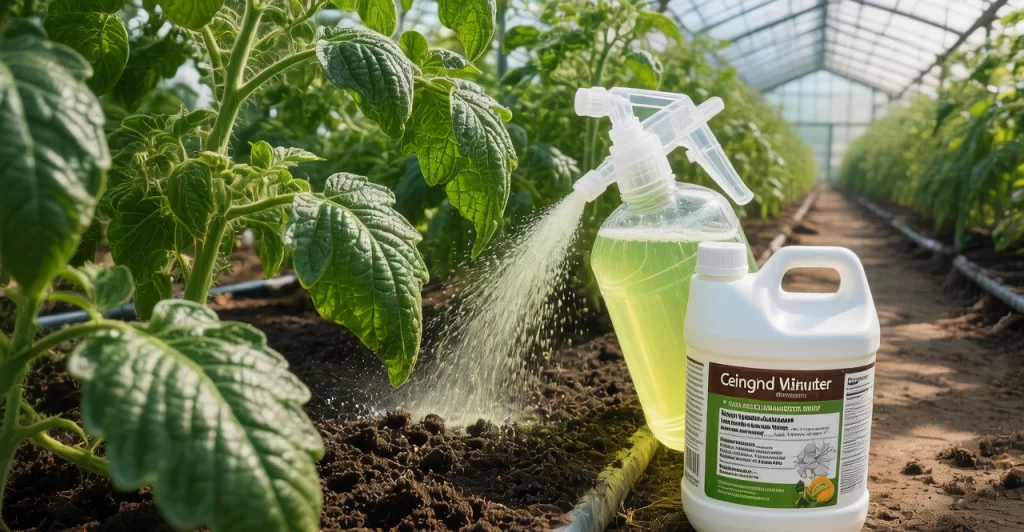
Raw Materials Selection
The quality of amino acid liquid fertilizer starts with raw material selection. Protein sources can be plant-based—such as soybean meal, corn gluten meal, or rapeseed meal—or animal-based, including fish meal, blood meal, and feather meal. Each raw material provides a different amino acid profile, influencing the bioactivity and nutrient balance of the final product.
Additional inputs include deionized water, trace minerals, pH stabilizers, and minor fertilizers. These components enhance nutrient stability and ensure the fertilizer remains soluble and effective during storage and application. Selecting high-quality raw materials reduces waste, improves hydrolysis efficiency, and increases the consistency of amino acid content in the final product.
Hydrolysis Process
Hydrolysis is the core stage of amino acid liquid fertilizer manufacturing. This chemical or enzymatic reaction breaks down complex proteins into free amino acids that plants can easily absorb.
Acid hydrolysis involves treating protein slurry with strong acids under controlled heat. This method is highly efficient for large-scale industrial production, producing high yields of amino acids in a relatively short time. However, the reaction generates highly acidic solutions that require careful neutralization to ensure the fertilizer is safe for plants.
Enzymatic hydrolysis, on the other hand, uses specific protease enzymes at controlled temperature and pH levels. Though slower and more expensive, enzymatic hydrolysis preserves bioactivity and produces a higher-quality amino acid profile. Manufacturers often select the hydrolysis method based on production scale, raw material type, cost considerations, and target market segment.
Production Workflow
The amino acid liquid fertilizer manufacturing process consists of several interdependent stages:
-
Pre-treatment: Raw protein materials are crushed and mixed with water to form a uniform slurry. Proper particle size and homogeneity improve hydrolysis efficiency and nutrient extraction.
-
Hydrolysis Reaction: The slurry is heated and continuously stirred in reactors to ensure complete protein breakdown. The choice of hydrolysis method (acid or enzymatic) determines the reaction conditions, time, and temperature control.
-
Neutralization: For acid hydrolysis, the solution is neutralized with alkali to achieve a plant-friendly pH. Correct pH adjustment prevents nutrient loss and ensures compatibility with crops.
-
Filtration and Clarification: Insoluble residues are removed through filtration systems, producing a clear, homogeneous liquid fertilizer. Proper filtration increases stability, reduces sedimentation, and improves product handling.
-
Concentration (Optional): Water can be partially evaporated to achieve higher nutrient density. Gentle evaporation under controlled conditions preserves amino acid integrity.
-
Nutrient Fortification and Stabilization: Additional nutrients, such as nitrogen, potassium, or trace minerals, are blended to create balanced formulations. Stabilizers prevent precipitation and extend shelf life.
-
Packaging: Automated filling systems package the final product into containers suitable for storage, transport, and end-user application. Packaging systems maintain hygiene, prevent contamination, and improve operational efficiency.
Integrating these steps into a streamlined workflow enhances production efficiency, reduces energy consumption, and maintains consistent product quality across batches.
Equipment Considerations
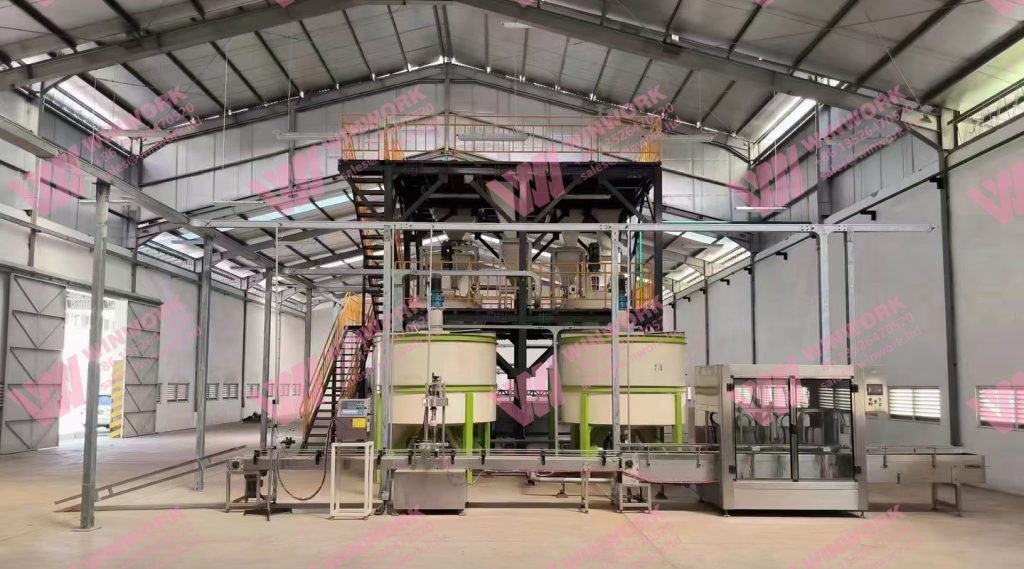
Efficient production depends on properly designed and integrated equipment. Hydrolysis requires reactors capable of controlled heating and agitation to ensure complete conversion of proteins into amino acids. Filtration systems remove residues effectively, ensuring a clear solution ready for nutrient fortification.
Mixing and storage tanks allow for uniform blending of nutrients, stabilizers, and additives, maintaining consistency and preventing precipitation. Optional evaporation units concentrate the solution when higher nutrient density is needed. Finally, automated filling lines streamline packaging, reducing manual labor and improving throughput.
Modern plants often integrate control systems for temperature, agitation, and pH monitoring, ensuring that each batch meets quality standards without requiring excessive manual intervention. By combining functional equipment with a well-organized workflow, manufacturers can maintain product quality, reduce energy usage, and scale production efficiently.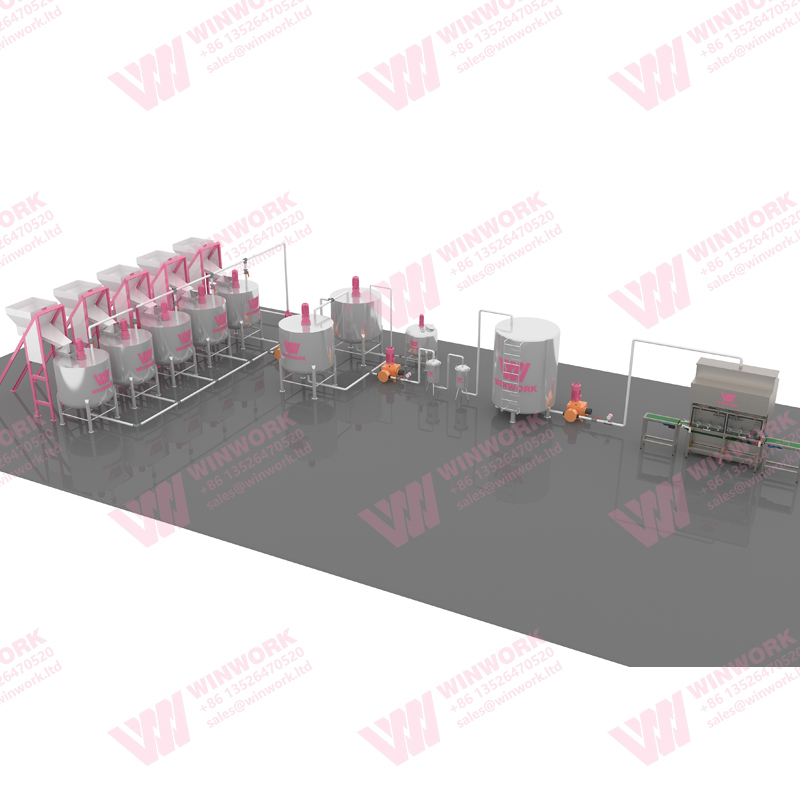
Quality Control
Quality control is critical in the amino acid liquid fertilizer manufacturing process. Each batch is tested for total amino acid content, free amino acid ratio, pH, density, and microbial safety. Consistent monitoring ensures the fertilizer is effective, safe, and stable during storage and transportation.
Advanced manufacturers implement ISO-compliant quality management systems, facilitating export readiness and ensuring adherence to international standards. Proper quality control reduces waste, enhances customer trust, and strengthens brand reputation in competitive markets.
Environmental and Safety Practices
Environmental management and worker safety are integral to modern fertilizer production. Hydrolysis reactions generate wastewater containing organic residues and, in the case of acid hydrolysis, acidic vapors. These require proper treatment, such as biological wastewater systems and scrubbers, to minimize environmental impact.
Operators must follow strict safety protocols, including protective gear and corrosion-resistant equipment when handling acids or enzymes. Proper ventilation, emergency procedures, and regular training further reduce operational risk. A responsible manufacturing system balances productivity, environmental protection, and worker safety.
Production Scale and Cost Considerations
Production scale ranges from small pilot plants producing a few tons per day to large industrial facilities exceeding 50 tons per day. Scaling the amino acid liquid fertilizer manufacturing process requires careful consideration of equipment layout, workflow integration, and energy efficiency.
Costs include raw materials, energy, labor, equipment maintenance, and packaging. Acid hydrolysis reduces per-unit costs but may affect amino acid activity, while enzymatic hydrolysis supports premium products with higher bioactivity. Strategic planning ensures profitability, sustainable growth, and adaptability to market demands.
Product Differentiation
Manufacturers can differentiate amino acid liquid fertilizer by adjusting amino acid concentration, fortifying with micronutrients, or creating crop-specific blends. Organic certifications, high amino acid content, and trace element enrichment enhance product value. Consistent production quality combined with differentiated products strengthens competitiveness and encourages customer loyalty.
Market Trends and Future Outlook
The global market for amino acid liquid fertilizer is expanding due to increased focus on sustainable agriculture, reduced chemical fertilizer use, and regulatory incentives promoting eco-friendly inputs. Automation, digital monitoring, and process optimization allow manufacturers to improve efficiency, reduce labor, and minimize environmental impact.
Technological advancements, including membrane separation for higher purity, enzyme recycling systems, and smart sensors for process control, are enhancing production efficiency and product quality. Manufacturers investing in modern amino acid liquid fertilizer production systems can capture both domestic and international market opportunities while maintaining sustainability and cost-effectiveness.
Frequently Asked Questions(FAQ)
1. What is amino acid liquid fertilizer?
Amino acid liquid fertilizer is a water-soluble solution containing free amino acids from protein sources. It promotes nutrient absorption, root development, and plant resilience, providing advantages over conventional fertilizers.
2. How is amino acid liquid fertilizer made?
Production involves selecting protein-rich raw materials, hydrolysis, neutralization, filtration, optional concentration, nutrient fortification, stabilization, and packaging. Each step is carefully controlled to maintain quality and effectiveness.
3. What is the difference between acid and enzymatic hydrolysis?
Acid hydrolysis is fast and cost-efficient but may reduce bioactive amino acids. Enzymatic hydrolysis preserves activity, yielding higher-quality fertilizer at a higher cost.
4. Can amino acid liquid fertilizer include other nutrients?
Yes. Potassium, nitrogen, and trace minerals can be added to create balanced formulations. Controlled blending ensures stability and compatibility with plants.
5. How does production scale affect output and quality?
Larger-scale operations require integrated workflows and automated equipment to maintain consistent quality, optimize energy use, and reduce manual handling.
6. Is amino acid liquid fertilizer environmentally safe?
Yes, when wastewater, emissions, and chemical handling are properly managed. Modern plants minimize environmental impact while producing effective fertilizers.
7. How is product quality ensured?
Through rigorous testing of amino acid content, pH, density, and microbial safety. ISO-compliant management ensures consistent, export-ready products.
Conclusion
The amino acid liquid fertilizer manufacturing process integrates raw material selection, hydrolysis, filtration, nutrient fortification, quality control, and packaging into a streamlined, scalable system. Proper equipment integration, workflow optimization, and environmental compliance ensure high-quality production and operational efficiency.
With growing global demand for sustainable agricultural inputs, investing in modern, well-designed amino acid liquid fertilizer manufacturing processes offers strong market potential, high profitability, and environmental responsibility. Continuous technological innovation and careful process management will allow manufacturers to maintain competitive advantage while delivering superior products to global markets.
For more details, please feel free to contact us.
Email: sales@lanesvc.com
Contact number: +8613526470520
Whatsapp: +8613526470520
Get A Quote