

Introduction
Let’s be honest. Farming is tough. It involves long hours, unpredictable weather, and back-breaking labor. For generations, farmers have dreamed of a better way—a way to work smarter, not harder. That dream is now a reality through the application of smart agriculture equipment. We’re not talking about sci-fi robots; we’re talking about practical, rugged machines that automate the dirty jobs. The most profitable use of this technology? Turning one of farming’s biggest headaches—manure—into a high-value product.
The core idea behind the application of smart agriculture equipment is simple: automation and precision. Instead of manually shoveling, spreading, and hoping for the best, these machines do the job with scientific accuracy. This shift brings enormous benefits: higher yields, lower labor costs, zero pollution, and a pathway to a truly circular farm economy.
What Exactly Is the Application of Smart Agriculture Equipment?
When we discuss the application of smart agriculture equipment, we mean using technology like automated compost turners, sensor-driven spreaders, and programmable pellet mills. These aren’t just fancy tractors. They are specialized tools designed to perform specific tasks—like converting raw, smelly waste into sterile, nutrient-rich fertilizer—with minimal human intervention. This is the key to unlocking high profits from low-cost materials.
The Step-by-Step Process: From Waste to Wealth
Here is how the modern application of smart agriculture equipment transforms your farm:
Step 1: Automated Collection and Separation
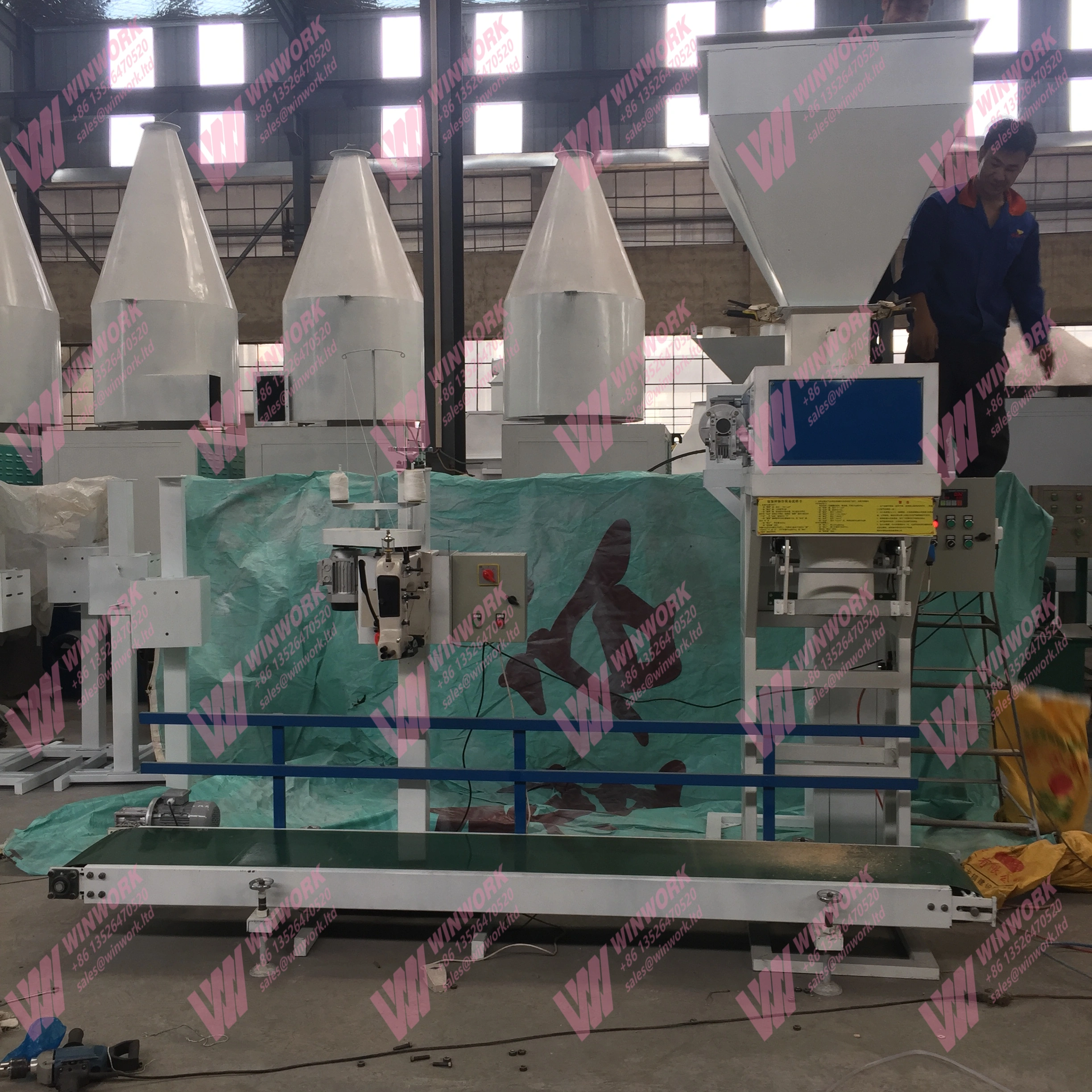
The first step in any smart system is automation. Forget the pitchfork. A Motorized Manure Scraper or Belt Conveyor System automatically collects waste and moves it to a central point. From there, a Screw Press Solid-Liquid Separator instantly divides the slurry. This initial application of smart agriculture equipment saves you hours of labor every single day.
Step 2: Precision Composting with Sensor Technology
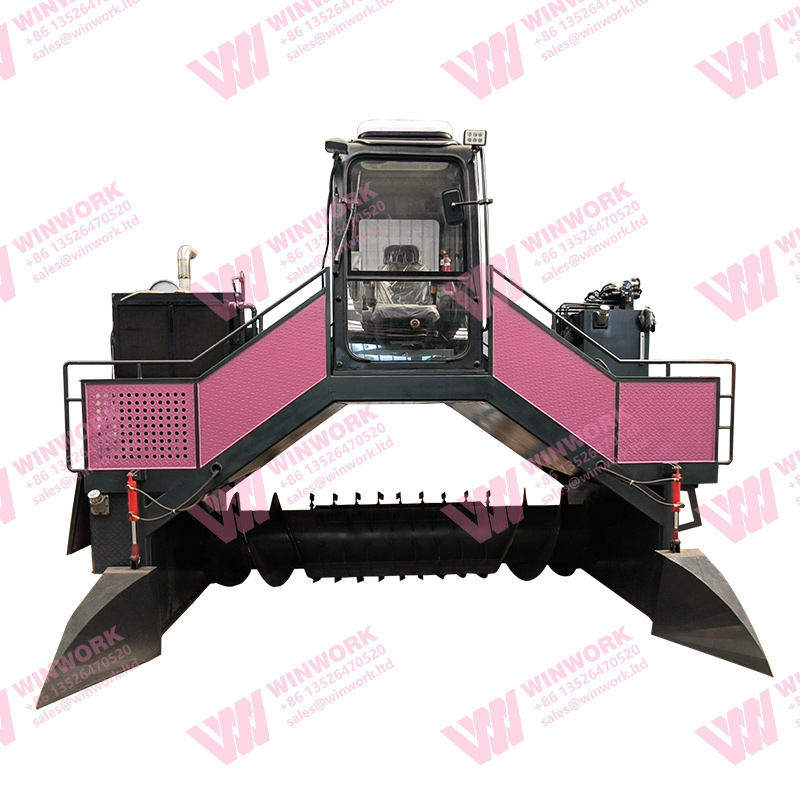
Crawler compost turner is an advanced compost turning equipment, specially designed for compost fermentation process, with the advantages of high efficiency, stability, easy operation and so on.
Crawler compost tumbler realizes automatic operation through crawler walking system, which is the necessary equipment for producing organic fertilizer granules and widely used in organic fertilizer production line.
Crawler compost turner can not only quickly improve the fermentation efficiency of materials, but also effectively improve the quality of compost, is the first choice of modern compost production equipment.
Step 3: Smart Granulation
Once the compost is ready, you feed it into an Automatic Flat Die Pelletizer. This machine uses sensors to monitor pressure and moisture, automatically adjusting to produce perfect, uniform fertilizer pellets every time. This high-tech application of smart agriculture equipment turns a messy product into a clean, bagged commodity that customers trust.
Flat die granulator also called flat die pellet mill, it is a kind of pelletizing equipment used to press powdery raw materials into pellets, which is widely used in feed, fertilizer, biomass energy, chemical industry and other industries.
The equipment compresses the raw materials into high-density granules through the interaction of pressure roller and flat die, featuring high molding rate, uniform granules and low energy consumption.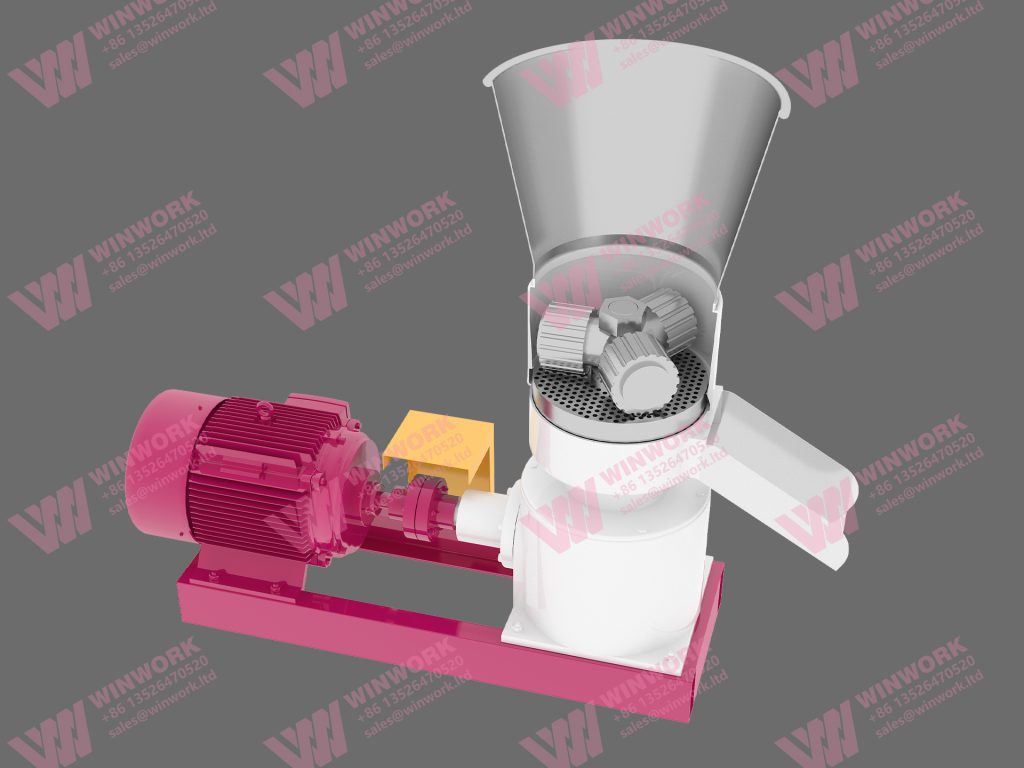
Step 4: Data-Driven Application
Finally, when it’s time to spread fertilizer, you don’t guess. A GPS-Guided Broadcast Spreader applies the exact amount of nutrients needed for each square meter of your field. This prevents over-fertilization (which causes pollution) and saves you money.
The Payoff: Benefits of Going Smart
The financial logic is undeniable. The application of smart agriculture equipment leads to:
- Massive Labor Savings: One person can now manage the waste of thousands of animals.
- Pollution Prevention: Precise application means zero runoff into rivers.
- Premium Pricing: Pelletized, sterile fertilizer sells for 3-4 times the price of raw manure.
- Energy Independence: Smart systems can be powered by biogas generated on-site.
Real Farm Example
The Wilsons run a 200-head cattle ranch. They were spending $1,200 a month on labor to manage their manure lagoons. They decided to invest $35,000 in a smart system, betting that the application of smart agriculture equipment would pay off.
- Their labor costs for manure management dropped to $100/month.
- They produced 50 tons of premium organic pellets in the first year.
- They sold the pellets to local vineyards for $200/ton.
The result? They recouped their entire investment in just 18 months. “The application of smart agriculture equipment didn’t just save us money; it turned our biggest liability into our most profitable side business,” says Tom Wilson.
FAQ: Your Questions About the Application of Smart Agriculture Equipment Answered
Q1: Is this technology too complicated for an average farmer?
A: Not at all. Most modern equipment is designed with simple touchscreen interfaces. The goal of the application of smart agriculture equipment is to make things easier, not harder.
Q2: What if the internet is spotty on my farm?
A: Many machines use GPS and onboard sensors that don’t require constant connectivity. The core application of smart agriculture equipment functions perfectly offline.
Q3: Is it really cost-effective for a small farm?
A: Yes. There are smaller, more affordable versions of these machines. Even a small farm can use a basic sensor-driven turner to improve compost quality and reduce labor.
Q4: How does this prevent pollution?
A: By precisely controlling the composting temperature, you kill pathogens that cause water contamination. By using GPS-guided spreaders, you apply only what the soil needs, preventing nutrient runoff.
Q5: What’s the most important piece of equipment to buy first?
A: For most farms, the most impactful application of smart agriculture equipment is a self-propelled compost turner. It drastically improves the quality and safety of your end product.
Q6: Can these machines run on alternative energy?
A: Many modern machines are hybrid or can be converted to run on biogas, which you can produce from the manure itself. This is the ultimate goal of the application of smart agriculture equipment.
Q7: What kind of maintenance do these machines need?
A: They require the same basic maintenance as any other farm machinery—lubrication, blade sharpening, and software updates. The benefits far outweigh the maintenance time.
Q8: Where do I even start with this?
A: Start by identifying your biggest pain point. Is it collecting manure? Is it making compost? That will tell you where the first application of smart agriculture equipment should be focused.
Conclusion
The days of back-breaking manual labor and hoping for the best are over. The application of smart agriculture equipment is here, and it is fundamentally changing the economics of farming. By automating the process of turning waste into a valuable, eco-friendly product, farmers can finally achieve true sustainability—both environmentally and financially. It’s time to put technology to work for you.
For more details, please feel free to contact us.
Email: sales@lanesvc.com
Contact number: +8613526470520
Whatsapp: +8613526470520
Get A Quote