

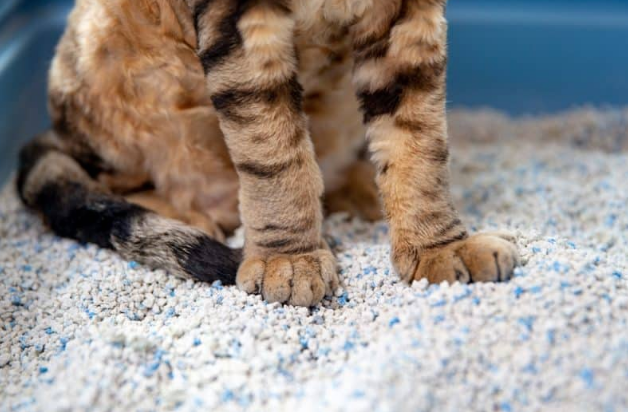
Introduction about Bentonite Cat Litter Dry Granulation
The global demand for high-quality clumping cat litter has steadily increased due to rising pet ownership and consumer expectations for premium products. Among the various manufacturing methods, bentonite cat litter dry granulation stands out as an energy-efficient, cost-effective, and reliable process that transforms fine bentonite into uniform granules suitable for industrial production. Unlike wet granulation, which requires water as a binder, dry granulation relies entirely on mechanical compaction to consolidate bentonite particles.
This production method offers several advantages, including simplified operations, reduced energy consumption, and lower initial investment. However, achieving consistent particle size, clumping performance, and dust control requires careful management of raw material properties, equipment selection, and process parameters. By understanding the principles and industrial applications of bentonite cat litter dry granulation, manufacturers can make informed decisions to optimize production efficiency and product quality.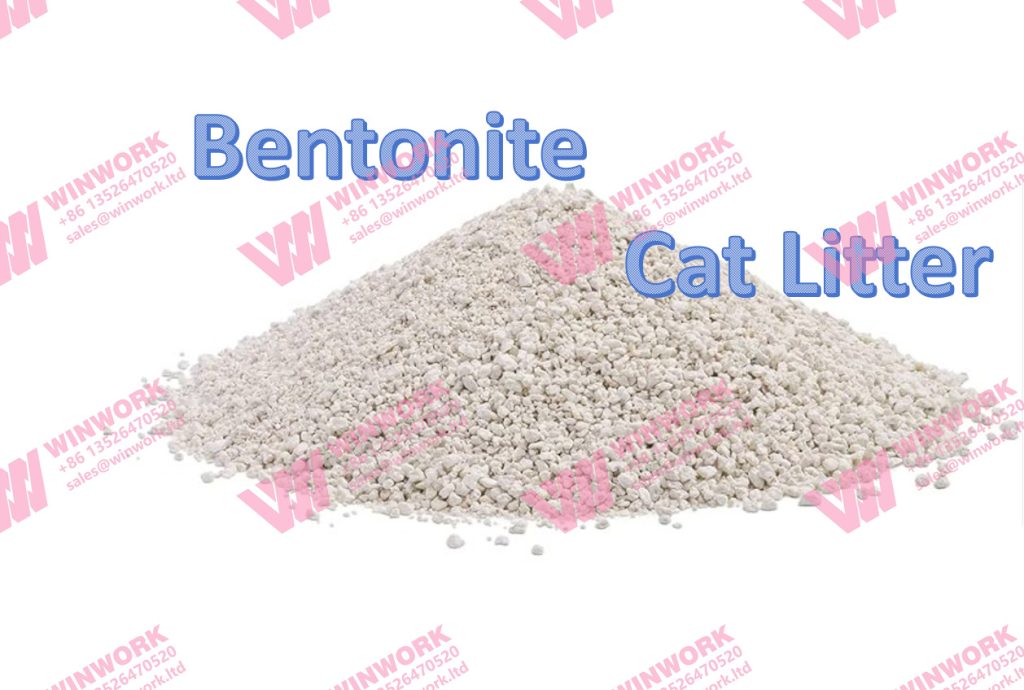
Bentonite Properties and Their Role in Dry Granulation
Bentonite is a naturally occurring clay composed primarily of montmorillonite, valued for its strong water absorption and swelling capabilities. These properties enable bentonite-based cat litter to form cohesive clumps when exposed to moisture, facilitating easy cleaning and disposal. Raw bentonite in powdered form is unsuitable for direct consumer use because it is fine, dusty, and has poor flowability.
Through bentonite cat litter dry granulation, fine particles are mechanically consolidated into granules that enhance flowability, reduce dust, and preserve clumping efficiency. Key factors affecting granulation include bentonite grade, particle size distribution, and initial moisture content. High-grade bentonite with consistent particle size tends to produce more stable and uniform granules, improving overall product quality.
Additionally, the physical and chemical characteristics of bentonite, such as mineral composition and swelling index, influence the compaction behavior during dry granulation. Manufacturers must carefully select raw materials to ensure the granules meet industry standards for absorption and mechanical strength.
Principles of Dry Granulation
The core principle of bentonite cat litter dry granulation is mechanical compaction. Unlike wet granulation, which binds particles with moisture, dry granulation compresses bentonite powder into dense aggregates using rollers or presses. These aggregates are then broken down into granules of a specific size and screened to remove oversized or undersized particles.
Mechanical pressure induces cohesion between bentonite particles, forming granules that are durable and suitable for packaging and transport. The process does not require water or drying, which significantly reduces energy consumption and simplifies operations. However, maintaining consistent granule quality depends on proper control of compaction force, particle size, and milling parameters.
Dust management is another critical aspect. Since dry granulation lacks a wetting stage, fine bentonite particles can become airborne during milling and screening. Integrated dust collection systems, such as cyclones, bag filters, and enclosed conveyors, are essential to maintain a safe production environment and comply with environmental regulations.
Equipment Used in Dry Granulation
A modern bentonite cat litter dry granulation line integrates multiple specialized machines to achieve high efficiency and consistent granule quality. First, the raw bentonite is processed through crushers to ensure uniform particle size, which is essential for consistent compaction. After preparation, the powder is fed into double roller granulator, which apply mechanical force to form dense aggregates.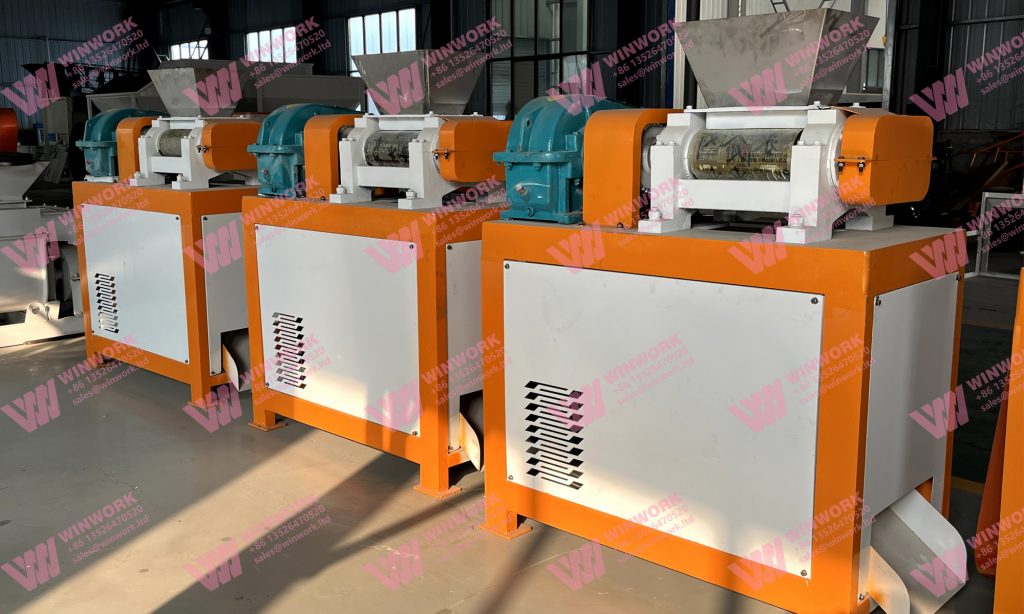
Following compaction, the aggregates pass through milling equipment that breaks them down into granules of the desired size. Vibrating or rotating screens separate the granules, recycling oversized and undersized particles to maximize yield. Dust collection units, including cyclones, bag filters, and enclosed conveyors, are strategically positioned to minimize airborne particles during milling and screening. Optional polishing machines can be employed to improve granule surface smoothness, enhancing the final product’s aesthetic and handling characteristics.
Automation and process monitoring tools are increasingly integrated into dry granulation lines. Sensors can track compaction pressure, granule size distribution, and equipment performance in real time, allowing manufacturers to maintain consistent quality while improving production efficiency.
Process Workflow
In bentonite cat litter dry granulation, the process begins with raw bentonite preparation, ensuring uniform particle size and proper mineral composition. Mechanical compaction creates dense aggregates without water, and subsequent milling produces granules of controlled dimensions. Screening and recycling steps are crucial to remove out-of-spec particles, improving yield and granule uniformity.
Dust control measures, such as enclosed conveyors and filtration systems, ensure workplace safety and regulatory compliance. Process monitoring and periodic quality checks help maintain consistent clumping performance, particle size, and mechanical strength, ensuring that the final cat litter meets consumer expectations for usability and cleanliness.
Advantages of Dry Granulation
Bentonite cat litter dry granulation offers several advantages over wet granulation and other manufacturing methods:
-
Energy Efficiency: Eliminates the need for drying systems, significantly reducing electricity and fuel consumption.
-
Simplified Operations: No moisture handling or drying control systems are required, simplifying workflow and maintenance.
-
Lower Capital Investment: Equipment costs are reduced compared to wet granulation lines that require dryers and mixers.
-
Environmental Compliance: Proper dust management allows manufacturers to meet environmental regulations while minimizing airborne particles.
-
Scalability: Dry granulation systems can be adapted for medium to large-scale production with minimal changes to infrastructure.
These benefits make dry granulation an attractive option for manufacturers aiming to reduce operational costs without compromising basic product performance.
Limitations and Challenges
Despite its advantages, bentonite cat litter dry granulation presents certain challenges:
-
Particle Uniformity: Granules are often less spherical and uniform compared to wet granulation, which can affect consumer perception.
-
Clumping Efficiency: Without moisture binding, clumping performance may be slightly lower, especially if raw material quality varies.
-
Dust Generation: Milling and screening processes can release fine bentonite particles, requiring effective dust control.
-
Process Flexibility: Adjusting granule size or incorporating binders is more complex than in wet granulation, limiting customization options.
Manufacturers must carefully balance these limitations with cost savings and production simplicity to determine if dry granulation fits their business goals.
Economic Considerations
Bentonite cat litter dry granulation provides significant cost advantages. The elimination of drying systems reduces both capital and operational costs. Equipment such as double roller granulator, vertical crusher and screens is generally less expensive to install and maintain compared to full wet granulation lines. Energy savings are also considerable, as drying stages in wet granulation consume large amounts of electricity or fuel.
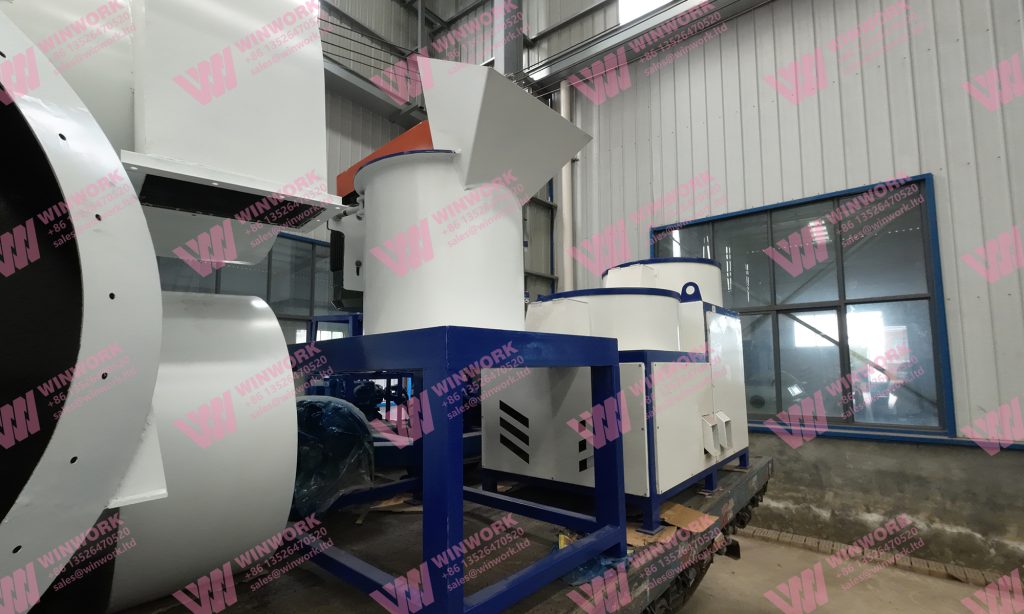
Vertical Crusher Shipments
However, manufacturers using bentonite cat litter dry granulation must consider potential trade-offs in product quality. Granule uniformity, clumping performance, and dust levels may affect consumer satisfaction and market competitiveness. By optimizing compaction pressure, milling parameters, and dust collection, dry granulation can produce cat litter that meets quality expectations while maintaining cost efficiency.
Industrial Applications
Bentonite cat litter dry granulation is particularly suited for:
-
Budget-Friendly Products: Where operational cost reduction is a priority.
-
Medium-Capacity Production Plants: Where simple equipment and energy efficiency are important.
-
Regions With Limited Water or Energy Access: Dry granulation avoids dependence on drying systems and water handling.
While wet granulation is often preferred for premium cat litter due to superior granule appearance and dust control, dry granulation is increasingly used for competitive mid-tier products and high-volume regional markets.
Future Trends
The dry granulation industry is evolving toward greater automation, environmental sustainability, and enhanced granule quality. Emerging trends include:
-
Real-time monitoring of compaction pressure, particle size, and dust levels.
-
Improved roller compactor and milling technology to produce more uniform granules.
-
Hybrid approaches combining wet and dry granulation features to optimize particle quality and energy efficiency.
-
Advanced dust control, enclosed conveying, and filtration systems to meet stricter environmental regulations.
These advancements allow bentonite cat litter dry granulation to approach the product quality of wet granulation while retaining its cost and energy advantages.
Conclusion about Bentonite Cat Litter Dry Granulation
Bentonite cat litter dry granulation is an effective, energy-efficient method for transforming fine bentonite into usable granules suitable for industrial-scale production. It offers lower capital investment, reduced operational complexity, and energy savings compared to wet granulation, making it ideal for budget or medium-scale production.
Although granules may have slightly lower clumping strength and less uniform shape than wet granulation, proper process control, equipment selection, and dust management can ensure high-quality products that meet consumer expectations. Manufacturers seeking an optimal balance of cost, efficiency, and performance can benefit from understanding the principles, equipment, advantages, and limitations of bentonite cat litter dry granulation.
For more details, please feel free to contact us.
Email: sales@lanesvc.com
Contact number: +8613526470520
Whatsapp: +8613526470520
Get A Quote