

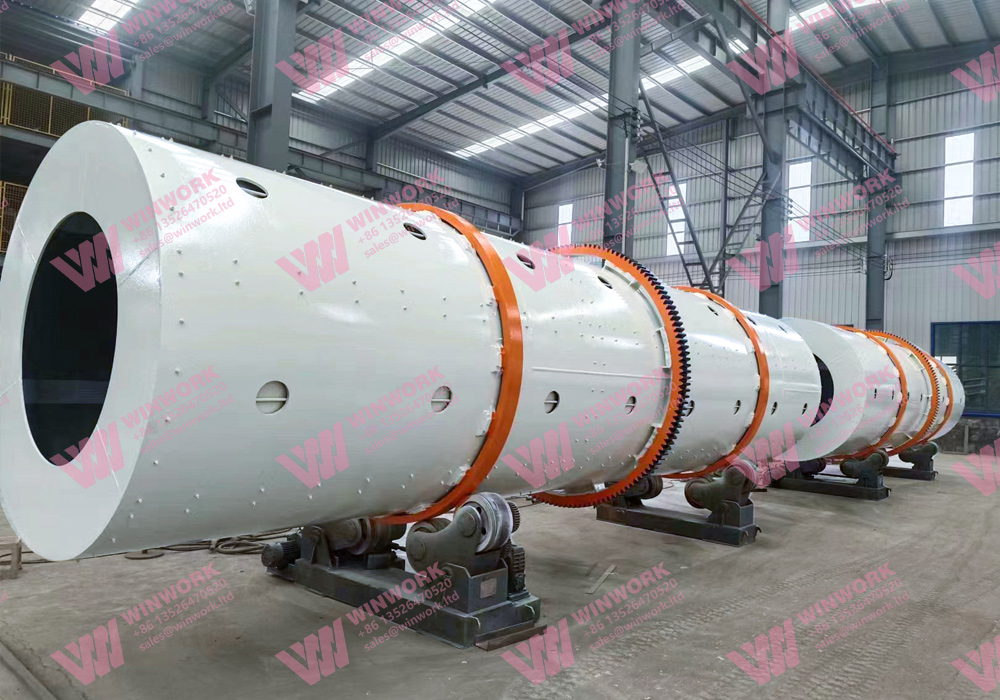
Introduction about Bentonite Cat Litter Granulator
Bentonite cat litter has become the most popular choice in the global pet care market due to its superior clumping performance, excellent water absorption, and cost-effectiveness. The quality of the final product is largely determined by the granulation process, in which the bentonite cat litter granulator plays a central role. Without proper granulation, fine bentonite powder generates excessive dust, produces irregular pellets, and exhibits weak clumping behavior, which can significantly reduce customer satisfaction.
Industrial-scale cat litter production requires a systematic approach that integrates raw material preparation, mixing, granulation, screening, and packaging. Each stage must be carefully controlled to maintain consistent pellet quality and ensure efficient operation. Modern manufacturers also focus on optimizing critical parameters, such as moisture content, binder ratios, granulator speed, and material feed rate. A well-designed process guarantees uniform pellets with sufficient hardness, minimal dust, and excellent clumping performance, enabling manufacturers to meet international quality standards.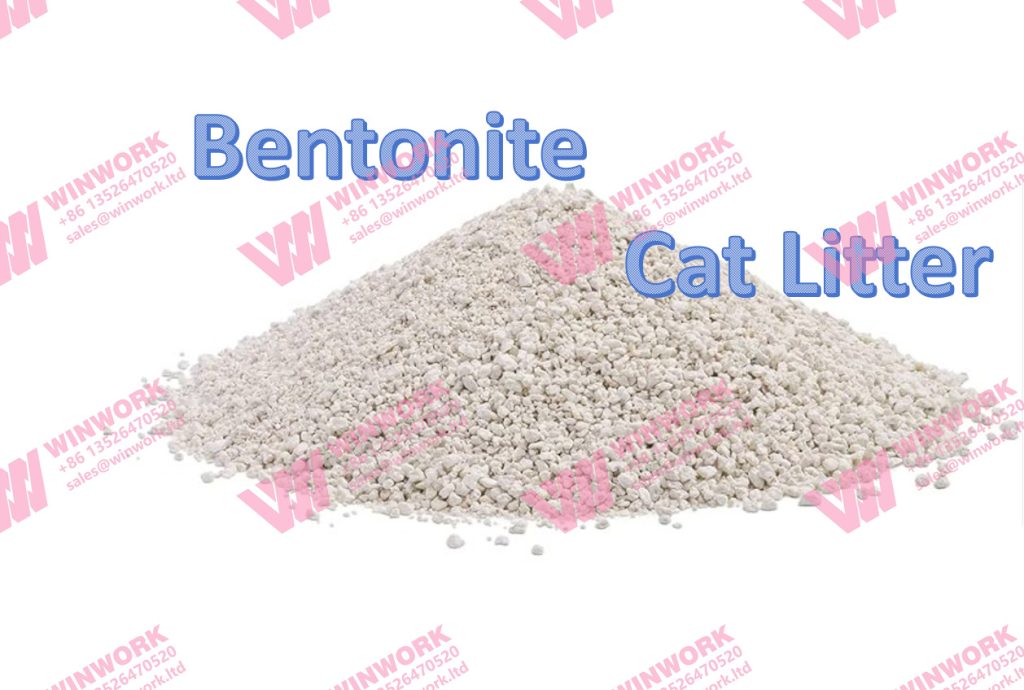
Raw Material Preparation
Bentonite Selection
The primary raw material for cat litter production is sodium bentonite due to its superior swelling and clumping characteristics. Calcium bentonite can also be used but often requires modification or blending to achieve comparable absorbency and clumping performance. Selecting high-quality bentonite ensures smooth operation of the bentonite cat litter granulator and consistent pellet production. Poor-quality bentonite leads to irregular pellet size, increased dust, and frequent downtime for the granulator.
Additives and Binders
Many manufacturers incorporate additives to enhance the performance of bentonite cat litter. Deodorizing agents help control unpleasant odors, while antibacterial and antifungal agents improve hygiene. Additionally, natural or synthetic binders increase pellet strength, improving handling and reducing breakage during transportation. It is critical to mix these additives uniformly with the bentonite powder before granulation. Uneven mixing can result in weak pellets, inconsistent clumping performance, and lower consumer satisfaction. In practice, small-scale trial batches are often conducted to optimize binder ratios for each raw material batch.
Pre-Processing Techniques
Before granulation, bentonite powder often undergoes several pre-processing steps to ensure suitability for the granulator. Crushing reduces particle size and improves material flow. Drying adjusts moisture content to the optimal range of 8–12%, preventing clogging or weak pellet formation. Screening removes oversized particles and impurities, which can damage the granulator or result in inconsistent pellet quality. Properly prepared raw material minimizes granulator wear, ensures reliable continuous production, and reduces maintenance frequency. Some advanced facilities also implement inline sensors to detect moisture fluctuations during pre-processing, which helps maintain stable production quality.
Mixing and Conditioning
Importance of Uniform Mixing
Uniform mixing is essential to ensure that moisture and additives are evenly distributed throughout the bentonite powder. Even the most advanced bentonite cat litter granulator cannot compensate for unevenly mixed material. Improper mixing often leads to irregular pellet sizes, weak mechanical strength, and excessive dust. Consistent mixing directly impacts both production efficiency and the quality of the final product. Experienced operators often monitor material flow visually and with periodic sampling to ensure proper consistency.
Mixer Types
Horizontal mixers are ideal for medium-capacity production lines, providing uniform distribution of moisture and additives. Double shaft mixers are suitable for large-scale production, offering higher throughput and more efficient mixing. Continuous mixers are commonly used in high-volume operations, maintaining a steady feed of uniformly mixed material to the granulator and minimizing manual labor. The choice of mixer depends on production scale, required uniformity, and moisture control precision. Facilities producing premium cat litter may implement dual-stage mixing to ensure even additive dispersion and prevent local moisture hotspots.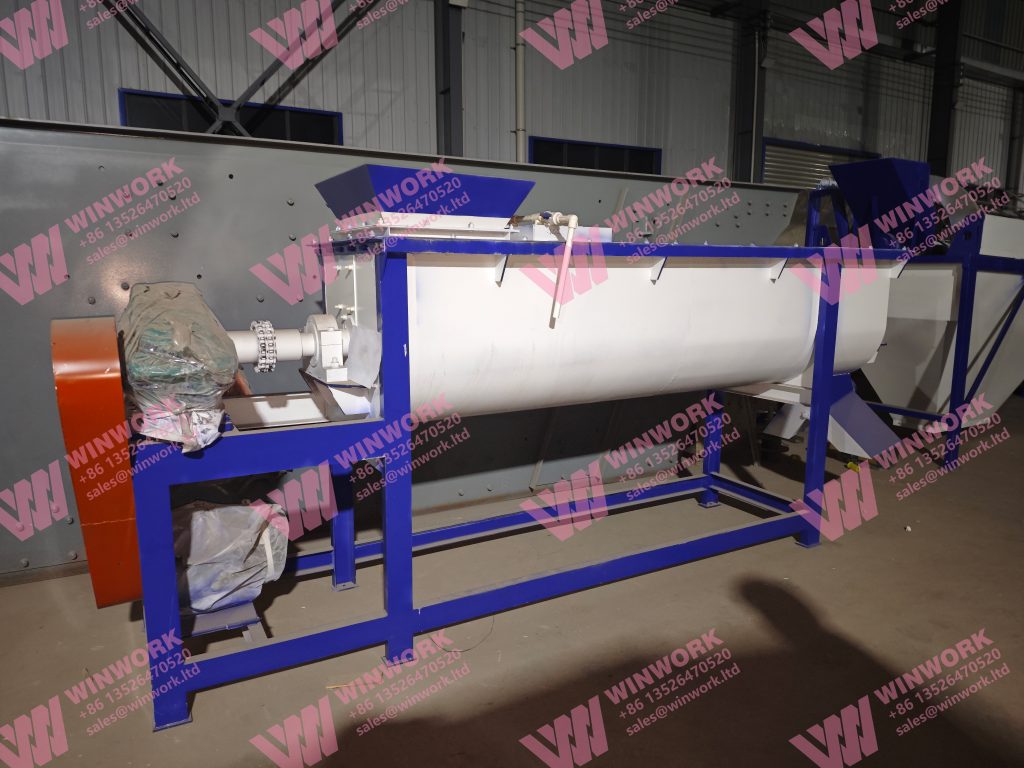
Moisture Conditioning
Moisture content plays a critical role in granulation. The ideal range for bentonite granulation is 18–22%, depending on the granulator type and pellet requirements. Excess moisture can cause the material to stick inside the granulator, leading to blockages and downtime, whereas insufficient moisture results in brittle pellets with poor clumping performance. Moisture is typically adjusted by spraying water during mixing, with sensors or manual sampling used to ensure accurate control. Proper moisture conditioning is vital for producing uniform, strong pellets, and small adjustments in water content can significantly improve granulator efficiency.
Bentonite Cat Litter Granulation Process
The granulation stage is the core of bentonite cat litter production, converting fine powder into cohesive, uniform pellets. This process involves mechanical force and moisture-assisted particle bonding.
Granulation Steps
The prepared bentonite mixture is fed into the granulator at a controlled rate.
The granulator forms pellets through compression, rolling, or high-speed agitation, depending on the machine type.
Initial shaping and hardening of pellets occur within the granulator, forming stable, durable granules.
Pellets are discharged to a screening system to classify them by size and separate unqualified material for recycling.
Each step must be monitored carefully to ensure consistency. Key parameters, such as feed rate, granulator speed, and moisture content, are adjusted to maintain uniform pellet quality. Modern plants often use automated control panels to monitor these parameters continuously, reducing operator error and improving production stability.
Objectives of Granulation
The granulation process aims to minimize dust during production, produce uniform pellets with optimal mechanical strength, and ensure excellent clumping and water absorption performance. High-quality granulation enhances both the appearance and functionality of the final product, directly influencing market acceptance. Continuous monitoring of pellet diameter and hardness ensures that the product consistently meets international standards for bentonite cat litter.
Types of Bentonite Cat Litter Granulators
Different types of bentonite cat litter granulator are suitable for different production scales and pellet specifications. Each type has unique advantages, limitations, and operational requirements.
The double roller granulator compresses material between two counter-rotating rollers to form pellets. Its mechanical simplicity makes it highly energy-efficient, reducing operational costs while providing reliable performance for small to medium-scale production. The machine’s straightforward construction allows easy installation, maintenance, and part replacement, minimizing downtime. This granulator excels in processing dry or semi-dry bentonite powder, producing uniform pellets while avoiding clogging issues. Adjusting roller gaps and feed rates allows operators to control pellet hardness and density, making it ideal for budget-conscious factories or smaller production lines. Operators also report that routine lubrication of rollers and periodic roller alignment checks significantly extend service life.
Disc Granulator
The disc granulator forms pellets by rolling bentonite powder in an inclined, rotating pan. Moisture and centrifugal force cause the particles to adhere and gradually form spherical pellets. This machine produces consistently sized pellets due to adjustable disc angles and rotation speeds. It is versatile, capable of handling various powder properties and binder types, and has relatively low maintenance requirements. The disc granulator is well-suited for medium-scale production where consistent pellet quality is essential. Operators carefully monitor disc tilt, rotation speed, and material feed rate to maintain optimal pellet size and shape. In practice, minor changes in moisture distribution can improve pellet hardness and reduce dust generation.
Stirring Tooth Granulator
The stirring tooth granulator uses high-speed rotating teeth to agitate bentonite powder, producing dense, well-formed pellets. Its strong mechanical action enhances pellet bonding, resulting in durable granules with excellent clumping properties. This granulator can handle fine powders and a wide range of particle sizes, making it ideal for medium to large-scale production. While energy consumption is higher due to intense agitation, the machine offers high granulation efficiency and consistent pellet quality. Operators must carefully balance tooth speed, feed rate, and moisture content to achieve the desired pellet strength while minimizing wear on internal components. Routine inspection of rotating teeth prevents premature wear and ensures continuous production.
Rotary Drum Granulator
The rotary drum granulator tumbles bentonite powder continuously inside a rotating cylinder, forming pellets through rolling, compression, and moisture bonding. This type of granulator is ideal for large-scale, industrial production, offering stable, continuous operation and uniform pellet shapes. Its high production capacity makes it suitable for factories producing large quantities of bentonite cat litter. Operators must monitor drum rotation speed, slope, and moisture levels closely to maintain pellet quality. While the initial investment and space requirements are higher, the rotary drum granulator provides reliable long-term performance and consistent output. Advanced plants often integrate automated sensors in the drum to continuously monitor moisture and pellet density, reducing waste and improving production consistency.
Screening and Pellet Classification
After granulation by the bentonite cat litter granulator, pellets must be screened to ensure uniform size distribution. Rotary screening machines or vibrating screens separate oversized and undersized pellets discharged from the bentonite cat litter granulator. The unqualified material is recycled back into the bentonite cat litter granulator, minimizing waste and improving raw material utilization. Typical pellet size standards are 1–3 mm for fine cat litter and 2–4 mm for standard cat litter. Efficient screening ensures consistent product quality, reduces dust, and enhances customer satisfaction. Some high-volume facilities employ dual-stage screening after the bentonite cat litter granulator to separate fines and oversized material more effectively, increasing yield and reducing energy consumption.
Packaging and Handling
Bentonite cat litter produced by the bentonite cat litter granulator is packaged in small retail bags (5–10 kg) for consumer markets and bulk bags (500–1000 kg) for industrial buyers. Dust collection systems are installed on conveyors and packaging equipment downstream of the bentonite cat litter granulator to maintain a clean production environment, protect pellet integrity, and safeguard worker health. Proper handling and packaging extend shelf life, prevent contamination, and improve market appeal. Many modern plants integrate automatic bagging and sealing machines with the bentonite cat litter granulator line to improve efficiency and reduce labor costs.
Factors Affecting Granulation Quality
Granulation quality depends on several factors. Moisture content must be carefully controlled to prevent soft or brittle pellets. Granulator speed must be matched to the material properties to optimize pellet formation. Binder ratios should be adjusted to improve mechanical strength without overcompacting the material. Consistent feed rates prevent blockages and ensure uniform pellet size. Fine-tuning these parameters maximizes production efficiency and enhances product quality. Monitoring these factors in real time allows operators to quickly adjust settings, preventing production losses and ensuring consistently high-quality pellets.
Troubleshooting Common Issues
Soft pellets often result from excessive moisture or insufficient compaction. Adjusting moisture levels and granulator pressure can resolve this issue. Excessive dust is typically caused by uneven mixing or poor screening and can be reduced by optimizing mixer operation and recycling fines. Pellet breakage can occur due to inadequate binder content or insufficient drying; increasing binder dosage or improving the drying process can correct this problem. Preventive maintenance, operator training, and process monitoring significantly reduce the occurrence of these issues.
Environmental and Safety Considerations
Modern bentonite cat litter production emphasizes environmental protection and worker safety, especially during the operation of the bentonite cat litter granulator. Dust collection systems installed around the bentonite cat litter granulator and screening units effectively reduce airborne particles and minimize environmental impact. Noise-reduction measures protect operators from excessive sound levels during continuous granulator operation.
Energy-efficient motors and optimized drive systems allow the bentonite cat litter granulator to reduce power consumption while maintaining stable output. Ergonomic factory layouts around the bentonite cat litter granulator further decrease operator fatigue and improve overall production safety. Some advanced plants also integrate air filtration systems and heat recovery technologies to enhance energy efficiency and reduce environmental impact.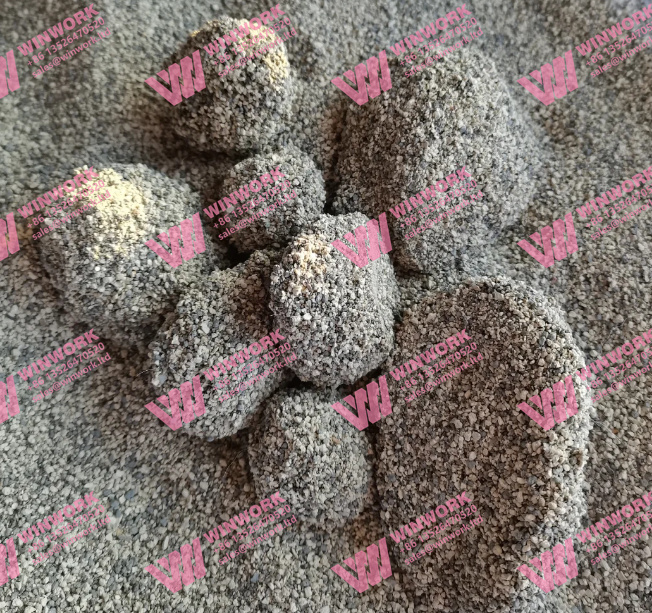
Future Trends
Technological innovation is shaping the future of bentonite cat litter granulation, with the bentonite cat litter granulator playing a central role. Automation and IoT-based monitoring systems enable real-time tracking of moisture, pellet size, and operating conditions of the bentonite cat litter granulator, improving process stability and product consistency.
Energy-efficient bentonite cat litter granulator designs and eco-friendly operation reduce the environmental footprint of production. Advanced dust reduction systems and optimized screening integration produce cleaner, more uniform pellets. In addition, the use of improved binders tailored for bentonite cat litter granulator applications enhances pellet strength and clumping performance, supporting higher-quality cat litter products.
Conclusion about Bentonite Cat Litter Granulator
The bentonite cat litter granulation process is critical for producing high-quality pellets that meet consumer expectations. Proper raw material preparation, mixing, granulation, screening, and packaging are all essential for consistent product performance. Selecting the right bentonite cat litter granulator—whether a double roller, disc, stirring tooth, or rotary drum type—is crucial for efficient production, pellet uniformity, and long-term profitability. Combining optimized machinery with carefully controlled process parameters ensures manufacturers can meet growing market demand while maintaining high product quality and operational efficiency.
For more details, please feel free to contact us.
Email: sales@lanesvc.com
Contact number: +8613526470520
Whatsapp: +8613526470520
Get A Quote