

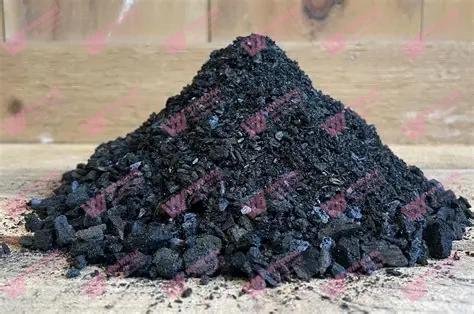
As the global agricultural sector shifts toward sustainable practices, biochar has emerged as one of the most versatile and valuable by-products of the carbonization process. Produced from organic waste materials such as coconut shells, rice husks, and wood chips through high-temperature carbonization, biochar offers remarkable benefits when integrated into modern farming and fertilizer production.
For fertilizer manufacturers and agricultural businesses, understanding the diverse biochar applications in agriculture is essential for maximizing the return on investment in carbonization equipment. This article explores five key biochar applications in agriculture and the fertilizer industry, demonstrating why this carbon-rich material has become increasingly valuable in global markets.
What Makes Biochar Valuable for Agricultural Use?
Before examining specific biochar applications in agriculture, it is important to understand what gives biochar its agricultural value. When organic materials undergo carbonization in an oxygen-limited environment, the resulting biochar possesses several unique characteristics:
- Highly porous structure that retains water and nutrients
- Stable carbon content that resists decomposition for hundreds of years
- High surface area that provides habitat for beneficial soil microorganisms
- Cation exchange capacity that helps hold nutrients in the root zone
- Alkalinity that can help neutralize acidic soils
These properties make biochar not merely a waste product, but a valuable input for multiple biochar applications in agriculture. The global biochar market is projected to grow at over 13% annually, reaching approximately $3.5 billion by 2027, driven largely by expanding biochar applications in agriculture.
Application 1: Soil Amendment for Structure Improvement
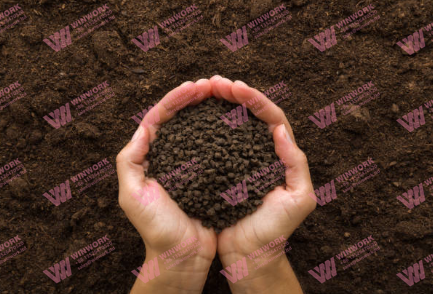
The most established of all biochar applications in agriculture is as a soil amendment. When incorporated into soil, biochar improves physical, chemical, and biological properties simultaneously, making this one of the most impactful biochar applications in agriculture for long-term soil health.
Physical improvements: The porous structure of biochar reduces soil bulk density, improves aeration, and increases water infiltration and retention. Studies have shown that biochar-amended soils can hold 15-20% more water than untreated soils, reducing irrigation requirements and improving drought resistance.
Chemical improvements: Biochar has high cation exchange capacity, meaning it can hold positively charged nutrients such as potassium, calcium, and magnesium, releasing them slowly to plant roots. This reduces nutrient leaching and improves fertilizer use efficiency by up to 30%.
Biological improvements: The porous structure provides protected habitats for beneficial bacteria and fungi. Microbial populations in biochar-amended soils are typically 20-40% higher than in untreated soils, leading to improved nutrient cycling and disease suppression.
For fertilizer manufacturers, this application creates opportunities to develop biochar-based soil conditioners that can be sold alongside traditional fertilizers, addressing growing farmer demand for sustainable soil management solutions.
Application 2: Biochar-Based Organic Fertilizer Production
One of the most promising biochar applications in agriculture is the integration of biochar into organic fertilizer formulations. Biochar-based fertilizers combine the nutrient content of traditional organic fertilizers with the soil-building properties of biochar, representing an advanced biochar application in agriculture that is gaining traction worldwide.
Production methods: Biochar-based fertilizers are typically produced through one of three methods:
Blending – Simply mixing biochar with compost, manure, or organic fertilizer pellets using equipment such as horizontal mixers or double shaft mixers, which ensure uniform distribution of biochar throughout the fertilizer matrix.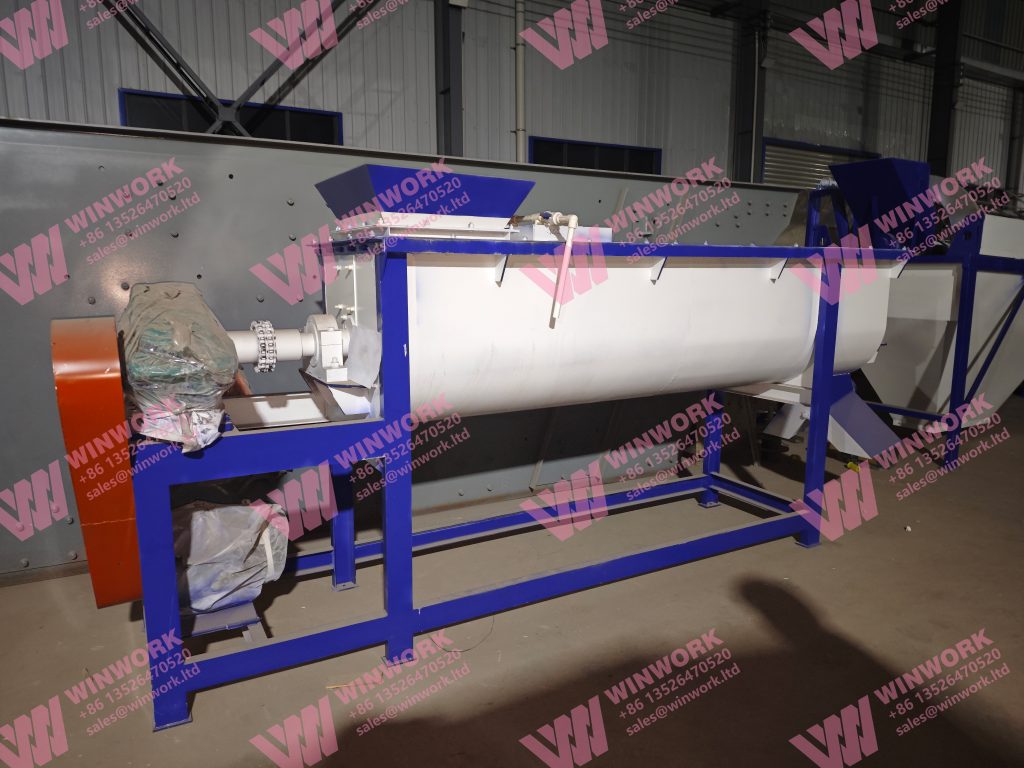
Co-composting – Adding biochar during the composting process, allowing it to become infused with nutrients and microorganisms. This method works efficiently with compost turners and tunnel composting systems that maintain optimal aeration and moisture levels.
Nutrient loading – Soaking biochar in nutrient-rich solutions before drying and packaging. This process can be integrated with liquid fertilizer production lines or coating drums that apply nutrient solutions to biochar particles.
Granulation and shaping: For commercial fertilizer production, biochar-based formulations are often processed through rotary drum granulators or disc granulators to create uniform pellets that are easy to handle, store, and apply. These granulated products can then be dried and cooled using rotary drum dryers and coolers before packaging.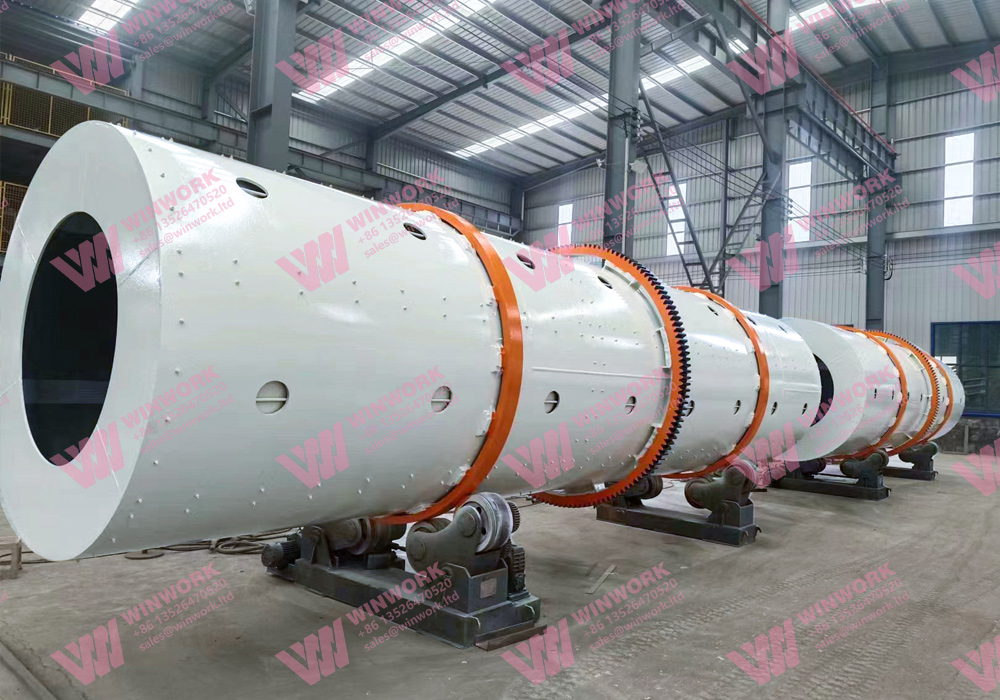
Advantages over conventional fertilizers: Biochar-based fertilizers offer several distinct benefits:
Slow release – Nutrients adsorbed onto biochar surfaces are released gradually, matching plant uptake patterns and reducing losses
Reduced runoff – Less nutrient leaching means lower environmental impact and better compliance with fertilizer regulations
Carbon sequestration – Each ton of biochar used in fertilizer permanently sequesters approximately 2-3 tons of CO2 equivalent
Improved soil health – Unlike conventional fertilizers that may degrade soil over time, biochar-based products build soil quality with each application
For carbonization production line operators, this biochar application in agriculture represents a direct pathway to value addition. Rather than selling raw biochar at commodity prices, manufacturers can develop proprietary biochar-based fertilizer blends with higher margins and stronger market positions.
Application 3: Animal Feed Additive
A lesser-known but rapidly growing biochar application in agriculture is as an animal feed additive. Research over the past decade has demonstrated multiple benefits when biochar is included in livestock and poultry diets at rates of 0.5-2% of total feed, expanding the range of biochar applications in agriculture beyond soil management.
Benefits in animal production:
Mycotoxin binding – Biochar adsorbs mycotoxins present in contaminated feeds, reducing their negative impact on animal health
Improved digestion – The porous structure may support beneficial gut microorganisms, improving feed conversion ratios
Reduced methane emissions – Studies with ruminants have shown 10-20% reductions in methane production when biochar is included in diets
Enhanced manure quality – Biochar passed through animals remains in manure, improving its fertilizer value when applied to crops
European Union approval: In 2022, the European Union approved biochar as a feed additive under the category of “technological additives” and “zootechnical additives,” opening the door for wider commercial adoption of this biochar application in agriculture.
For fertilizer equipment platforms, this biochar application in agriculture connects carbonization technology to the livestock sector, expanding potential customer bases beyond crop farmers to include animal producers seeking sustainable feed solutions.
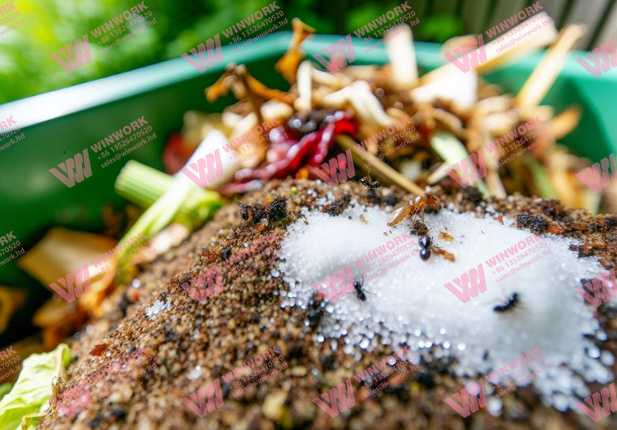
Application 4: Composting Acceleration and Odor Control
Biochar has proven highly effective when used in composting operations, serving both as an accelerator and an odor control agent. This biochar application in agriculture is particularly relevant for organic waste management facilities and large-scale composting operations seeking to optimize their processes.
Accelerating composting: When added to compost piles at rates of 5-20% by volume, biochar:
- Provides structure that improves aeration throughout the pile
- Absorbs excess moisture, preventing anaerobic conditions
- Provides habitat for decomposing microorganisms
- Reduces nitrogen losses by adsorbing ammonia
Studies have shown that biochar-amended compost reaches maturity 20-30% faster than conventional compost, reducing operational costs and increasing throughput for composting facilities.
Composting equipment integration
To maximize the benefits of this biochar application in agriculture, facilities typically use:
- Compost turners to thoroughly mix biochar into compost piles at the optimal stage of the composting process
- Groove-type compost turners for controlled-environment composting with biochar amendments
- Screening machines to separate finished compost and recover biochar particles for reuse
- Fermentation tanks for rapid composting of biochar-amended organic materials
Odor control: The adsorptive properties of biochar make it excellent for capturing volatile organic compounds and ammonia that cause composting odors. Facilities using biochar covers or incorporating biochar into feedstocks report significant reductions in neighbor complaints and regulatory issues. For enclosed composting operations, biofilters containing biochar can be integrated with ventilation systems to treat exhaust air.
Product synergy: Compost manufacturers can use biochar as both a processing aid and a final product ingredient, producing “biochar-enriched compost” that commands premium prices in organic and sustainable agriculture markets. This compost can be further processed using granulation lines to create value-added organic fertilizer products.
Application 5: Water Filtration and Nutrient Recovery
The fifth major biochar application in agriculture extends beyond soil to water treatment. Biochar’s high surface area and adsorption capacity make it effective for filtering agricultural runoff and recovering nutrients that would otherwise be lost, demonstrating the versatility of biochar applications in agriculture.
Agricultural water treatment: Biochar filters installed at drainage points can capture phosphorus, nitrogen, and other nutrients from field runoff before they enter waterways. This helps farmers comply with water quality regulations while recovering valuable nutrients.
Nutrient recovery: Saturated biochar from filtration systems becomes nutrient-rich and can be applied to fields as a slow-release fertilizer, closing the nutrient loop. Research indicates that biochar can recover up to 60-80% of phosphorus from agricultural drainage water.
Greenhouse and nursery applications: In containerized plant production, biochar-amended growing media improves water retention and reduces nutrient leaching, lowering production costs and environmental impact for greenhouse operators.
Market Trends and Economic Considerations
Understanding these five biochar applications in agriculture is essential for carbonization production line owners and fertilizer manufacturers, but equally important is understanding market dynamics that affect profitability.
Regional demand variations: Biochar applications in agriculture vary by region:
North America – Strongest demand for soil amendments and specialty fertilizers
Europe – Growing market for carbon credits and sustainable agriculture inputs
Asia-Pacific – Rapid adoption in rice production and intensive horticulture
Latin America – Emerging biochar applications in agriculture in coffee and sugarcane production
Carbon credit opportunities: Biochar applications in agriculture qualify for carbon credits under multiple registries, with prices ranging from $20-150 per ton of CO2 equivalent sequestered. This creates additional revenue streams for biochar producers and users.
Regulatory considerations: Different biochar applications in agriculture face different regulatory requirements. Fertilizer applications require product registration in most jurisdictions, while feed additives face stricter approval processes. Understanding these requirements early can prevent market access issues.
Integrating Biochar Production with Fertilizer Equipment
For operators of carbonization production lines, the key to maximizing profitability lies in matching production capabilities with target biochar applications in agriculture:
Application-specific production parameters:
| Application | Preferred Feedstock | Optimal Temperature | Particle Size |
| Soil amendment | Mixed agricultural waste | 400-600°C | 1-10 mm |
| Biochar fertilizer | Wood, coconut shell | 450-550°C | <2 mm or powdered |
| Feed additive | Hardwood | 600-800°C | <0.5 mm |
| Composting aid | Any clean biomass | 400-500°C | 5-20 mm |
| Water filtration | Coconut shell, hardwood | 700-900°C | 1-4 mm |
By understanding these specifications, production line operators can adjust carbonization parameters to produce biochar optimized for their target biochar applications in agriculture, maximizing product value and customer satisfaction.
Frequently Asked Questions about biochar applications in agriculture
Q1: Is biochar the same as charcoal?
A1: Biochar and charcoal are produced through similar carbonization processes, but biochar is specifically produced for use in biochar applications in agriculture, with quality standards focused on agricultural performance rather than fuel value.
Q2: How much biochar should be applied to soil?
A2: Typical application rates range from 2-10 tons per hectare, depending on soil conditions and crop requirements. Lower rates are used for annual crops, while higher rates may be used for permanent soil improvement.
Q3: Can biochar replace conventional fertilizers?
A3: Biochar is not a complete replacement for fertilizers, as it contains minimal plant-available nutrients. However, in biochar applications in agriculture, when used in combination with fertilizers, it improves fertilizer efficiency and reduces required application rates by 20-30%.
Q4: What certifications exist for biochar products?
A4: The International Biochar Initiative (IBI) and European Biochar Certificate (EBC) provide certification programs that establish quality standards and ensure product safety for agricultural applications.
Q5: How long does biochar remain effective in soil?
A5: Unlike organic matter that decomposes over months or years, biochar is highly stable and can remain in soil for hundreds to thousands of years, providing lasting soil improvement and carbon sequestration benefits.
Q6: What equipment is needed to produce biochar-based fertilizers?
A6: Typical equipment includes carbonization furnaces for biochar production, mixers for blending, granulators for pellet formation, dryers for moisture control, and screening equipment for size classification. The specific configuration depends on production scale and target biochar applications in agriculture.
Conclusion
Biochar’s five key biochar applications in agriculture—soil amendment, biochar-based fertilizers, animal feed additives, composting acceleration, and water filtration—demonstrate why this carbonization product has become increasingly valuable in global agricultural markets. For fertilizer manufacturers and carbonization production line operators, understanding these biochar applications in agriculture is essential for developing products that meet market needs and maximize return on investment.
As sustainability pressures continue to reshape agriculture worldwide, the demand for biochar and biochar-enhanced products will only increase, driving further expansion of biochar applications in agriculture. By positioning your operation with the right carbonization production line and complementary fertilizer equipment, you can transform organic waste streams into valuable agricultural inputs while contributing to soil health, carbon sequestration, and environmental protection.
For more information on carbonization equipment, biochar production systems, and complete fertilizer production lines, explore our related articles or contact our technical team for equipment recommendations tailored to your specific requirements.
For more details, please feel free to contact us.
Email: sales@lanesvc.com
Contact number: +8613526470520
Whatsapp: +8613526470520
Get A Quote