

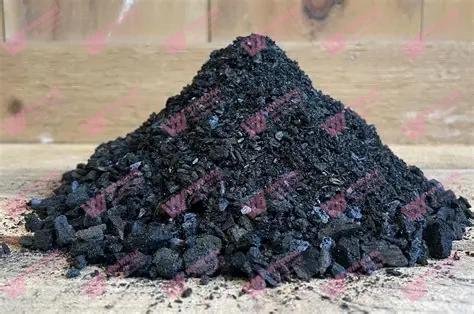
Introduction about the Biochar Organic Fertilizer Plant
As global agriculture continues to shift toward sustainable and environmentally friendly practices, biochar-based fertilizer systems are becoming increasingly important. Farmers and investors are looking for solutions that improve soil fertility, reduce waste, and support long-term carbon management. A modern biochar organic fertilizer plant integrates biochar production, organic waste fermentation, blending, granulation, drying, screening, and packaging into one coordinated production system.
Compared with traditional organic fertilizer facilities, the plant offers better nutrient retention, improved soil structure, and enhanced carbon stability. Because of these advantages, many agricultural companies are investing in this type of facility to meet growing market demand.
This guide explains the complete production workflow, equipment configuration, layout planning, environmental considerations, and business potential in a practical and easy-to-understand way.
Raw Material Preparation
The foundation of a successful biochar organic fertilizer plant is stable raw material supply. The main materials typically include biochar, livestock manure, crop residues, and other organic waste sources.
Biochar is usually produced from agricultural by-products such as rice husk, straw, wood chips, coconut shells, or corn cobs. These materials are processed through controlled carbonization under limited oxygen conditions. After cooling, the biochar must be crushed and screened to ensure uniform particle size. Proper preparation ensures smooth blending in the later stages of a biochar organic fertilizer plant.
Organic materials such as animal manure or plant waste must be fermented before entering the main production line. Composting reduces moisture, eliminates harmful microorganisms, and stabilizes organic components. Only fully decomposed materials should be processed further in the plant to guarantee consistent product quality.
Reliable raw material management helps maintain continuous operation and stable output.
Composting and Fermentation System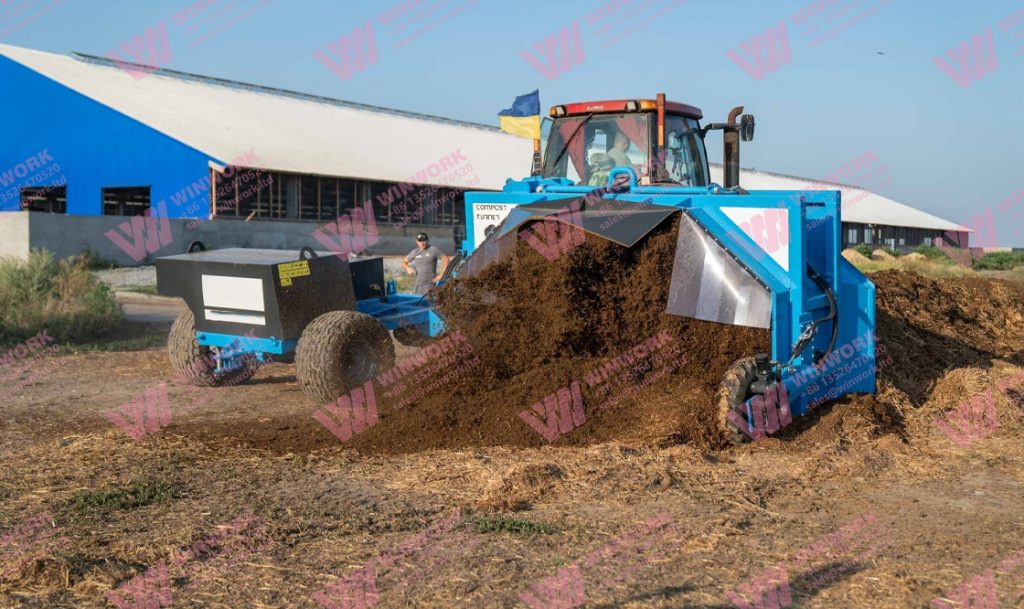
Fermentation is one of the most important stages in a biochar organic fertilizer plant. Organic materials are arranged in windrows or fermentation grooves, where microorganisms naturally decompose the waste.
During composting, microbial activity generates heat and breaks down complex organic substances. Maintaining sufficient oxygen supply is essential to support aerobic fermentation. Regular turning improves airflow, distributes heat evenly, and prevents odor accumulation.
Temperature control plays an important role in ensuring safety and stability. When properly managed, compost piles can reach temperatures that help eliminate pathogens and weed seeds. This process improves the quality of materials entering the next stage of the plant.
Moisture balance must also be carefully controlled. Excess moisture can reduce oxygen circulation, while insufficient moisture slows microbial activity. Maintaining proper conditions ensures efficient performance.
After fermentation is complete, the material becomes darker, softer, and more stable, ready for blending with biochar.
Biochar Blending and Mixing Process
After composting, biochar is added and thoroughly mixed with the fermented organic material. This step is essential in a biochar organic fertilizer plant because it determines the final product structure and performance.
Biochar enhances nutrient adsorption capacity and improves soil aeration. Even distribution ensures that each granule contains balanced components. Proper blending also improves product consistency across production batches.
Industrial mixing equipment such as horizontal mixers or double-shaft mixers is commonly used. These machines provide uniform blending and reduce material separation. In a well-designed biochar organic fertilizer plant, mixing time and feeding rate are carefully controlled to maintain stable output quality.
Good mixing directly influences granulation efficiency and final fertilizer performance.
Granulation Technology and Process Control
Granulation converts mixed powder into uniform fertilizer particles, increasing product value and improving storage stability.
A biochar organic fertilizer plant may use different granulation methods depending on capacity and market requirements. Disc granulators are suitable for adjustable particle size and moderate output. Rotary drum granulators are preferred for continuous large-scale production. Double roller granulators can be used for specific formulations.
During granulation, material condition must be carefully monitored. If the mixture is too dry, particles will not form properly. If moisture is too high, granules may become sticky or uneven. Maintaining stable conditions ensures smooth operation of the plant.
Feeding consistency and equipment rotation also affect granule formation. Balanced control improves particle strength, uniformity, and appearance quality.
Granulation is a key step that determines product competitiveness in the fertilizer market.
Drying and Cooling System
After granulation, fertilizer particles contain residual moisture that must be reduced.
A biochar organic fertilizer plant typically includes a rotary drying system to remove excess water using controlled hot air. Proper temperature management ensures that organic nutrients remain stable during drying.
After drying, cooling equipment reduces granule temperature to near ambient levels. Cooling improves particle hardness and prevents condensation inside packaging bags. Without proper cooling, moisture may accumulate during storage.
An efficient drying and cooling system enhances long-term stability and product quality in the plant.
Screening and Recycling System
Screening equipment separates qualified granules from oversized or undersized particles. This ensures uniform appearance and commercial quality.
In a modern biochar organic fertilizer plant, unqualified materials are returned to the granulation system for reprocessing. This recycling process improves resource utilization and reduces waste.
Closed-loop material handling increases production efficiency and supports stable operation of the plant.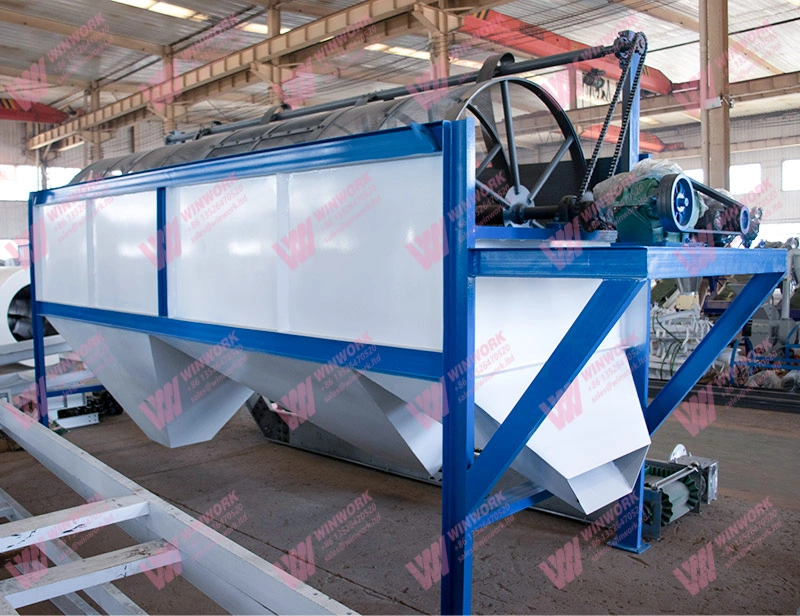
Coating and Packaging Process
Some facilities add a coating system to improve granule smoothness and reduce moisture absorption. Coating enhances appearance and market competitiveness.
Packaging is the final stage in a biochar organic fertilizer plant. Automatic weighing and sealing systems improve accuracy and reduce labor costs. Common packaging sizes include 25kg and 50kg bags.
Proper storage conditions are necessary to maintain product quality. Finished fertilizer should be kept in dry, ventilated warehouses to prevent moisture damage.
Efficient packaging supports commercial success of the plant.
Layout Design and Workflow Optimization
Efficient layout planning is critical for smooth production. The workflow in a biochar organic fertilizer plant should follow a logical sequence from raw material storage to fermentation, mixing, granulation, drying, screening, and packaging.
Separating wet and dry processing areas improves hygiene and operational efficiency. Clear transportation routes reduce handling time and energy consumption.
A well-structured layout enhances productivity and ensures long-term stability of the plant.
Environmental Protection Measures
Environmental compliance is essential in fertilizer production. Dust control systems, odor management devices, and wastewater treatment solutions should be integrated into the facility design.
A responsible biochar organic fertilizer plant supports sustainable development by reducing pollution and promoting carbon sequestration. Biochar itself contributes to soil carbon storage, making the production system environmentally beneficial.
Meeting environmental standards ensures stable operation and regulatory approval.
Investment Considerations and Market Potential
Before establishing a biochar organic fertilizer plant, investors should evaluate raw material supply, production capacity, equipment configuration, and target market demand.
Small-scale systems require lower initial investment and are suitable for local markets. Larger automated production lines require higher capital but provide greater efficiency and output.
Careful financial planning helps ensure long-term profitability. As global demand for sustainable agricultural inputs increases, the market potential for the plant continues to grow.
Application Areas and Industry Outlook
Products from a biochar organic fertilizer plant are widely used in grain crops, vegetables, fruit orchards, landscaping projects, and soil improvement programs.
The combination of biochar and organic nutrients improves soil aeration, enhances water retention, and supports microbial activity. These benefits increase adoption in both developed and developing agricultural markets.
Future development trends include intelligent automation systems, energy-efficient equipment, modular plant design, and digital monitoring technologies. These innovations will further improve efficiency and competitiveness of the plant.
The industry is expected to expand steadily as sustainable agriculture becomes a global priority.
Conclusion
A well-designed biochar organic fertilizer plant provides a complete solution for converting biochar and organic waste into high-value fertilizer products. Through fermentation, blending, granulation, drying, screening, and packaging, raw materials are transformed into stable and market-ready products.
With proper equipment selection, workflow planning, and environmental management, the plant can achieve efficient production while supporting soil improvement and sustainable agriculture. As global demand continues to rise, investing in a biochar organic fertilizer plant offers strong long-term development potential.
For more details, please feel free to contact us.
Email: sales@lanesvc.com
Contact number: +8613526470520
Whatsapp: +8613526470520
Get A Quote