

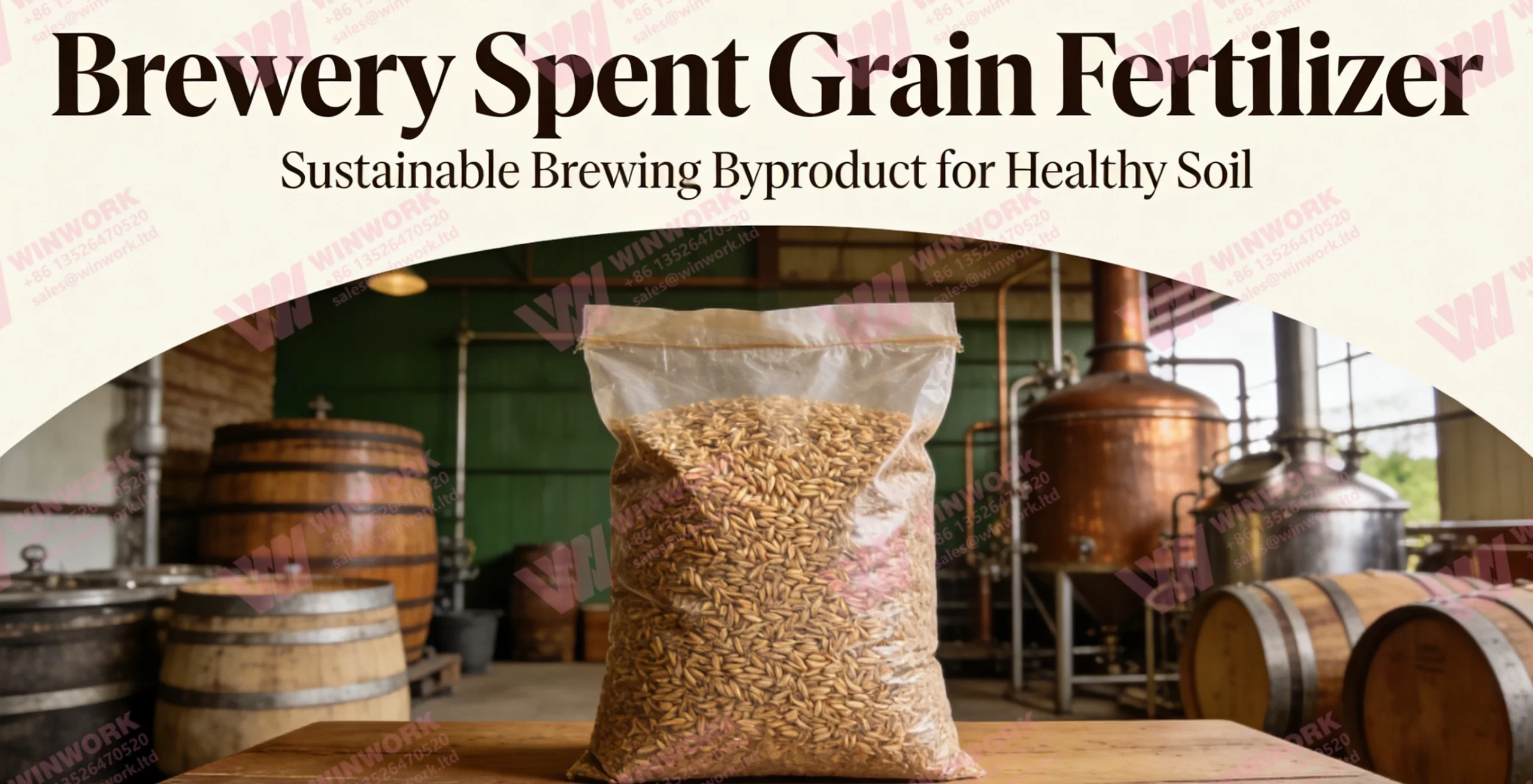
Introduction
Amid the global push for sustainable development, the efficient utilization of spent grain from breweries has become a key focus. The Circular Economy Solution for Brewery Spent Grain Fertilizer converts brewing waste into high‑value organic fertilizer, closing the loop between beer production and agriculture. This press release explores the Circular Economy Solution for Brewery Spent Grain Fertilizer, covering its definition, environmental and economic benefits, key equipment, implementation steps, and a FAQ section. Now this press will describe the solution in detail, and provide brewers and farmers with a practical circular economy model.
What Is a Circular Economy Solution for Brewery Spent Grain Fertilizer?
A Circular Economy Solution for Brewery Spent Grain Fertilizer is an integrated system that transforms wet spent grain— a by‑product of beer brewing—into organic fertilizer through dehydration, fermentation, and granulation. Spent grain contains over 80% organic matter along with nitrogen, phosphorus, and potassium, making it an excellent nutrient source. Traditionally, most spent grain is landfilled or incinerated, wasting resources and generating emissions which is harmful to the space.
This solution applies circular economy principles to turn an end of pipe waste into a productive agricultural input, forming a closed loop: brewing, spent grain recovery , fertilizer production, soil improvement, crop yield enhancement. A typical Circular Economy Solution for Brewery Spent Grain Fertilizer can process thousands of tons of grain annually, producing organic fertilizers for surrounding farmland.
Benefits of the Circular Economy Solution for Brewery Spent Grain Fertilizer
Implementing a Circular Economy Solution for Brewery Spent Grain Fertilizer delivers multiple environmental and economic advantages:
Significant Waste Reduction, Replaces landfill and open burning, cutting methane emissions and soil contamination.
Resource Recycling, High organic content is converted into readily available plant nutrients.
Lower Chemical Fertilizer Dependency, Organic fertilizer improves soil structure and microbial life.
Reduced Carbon Footprint, Less energy is consumed compared with producing virgin fertilizers and disposing of waste.
New Revenue Streams, Brewers earn income from selling spent grain; fertilizer sales create added profit.
Enhanced Brand Value, Demonstrates ESG commitment, improving market competitiveness.
Policy Alignment, Meets government targets for solid waste recycling and organic fertilizer promotion, facilitating access to subsidies and tax incentives.
These benefits make the Circular Economy Solution for Brewery Spent Grain Fertilizer a strategic asset for both brewing and agricultural sectors.
Common Equipment
First a dehydrator is essential. The water content in distiller’s grains is relatively high. Conducting dehydration treatment in advance can reduce the time and consumption of subsequent drying, which is beneficial for subsequent production.
And then a dryer is needed. The rotary drying and cooling machine is a kind of high-efficiency equipment integrating drying and cooling, which is widely used in chemical industry, fertilizer, mining industry, building materials and other industries.
The rotary drying and cooling machine realizes the continuous drying and cooling process of materials in the same body, which saves space and equipment investment and simplifies the process.
The rotary drying and cooling machine has the advantages of large processing capacity, strong adaptability, easy operation and maintenance, energy saving and environmental protection, etc. It is an indispensable and important equipment in the production of fertilizers.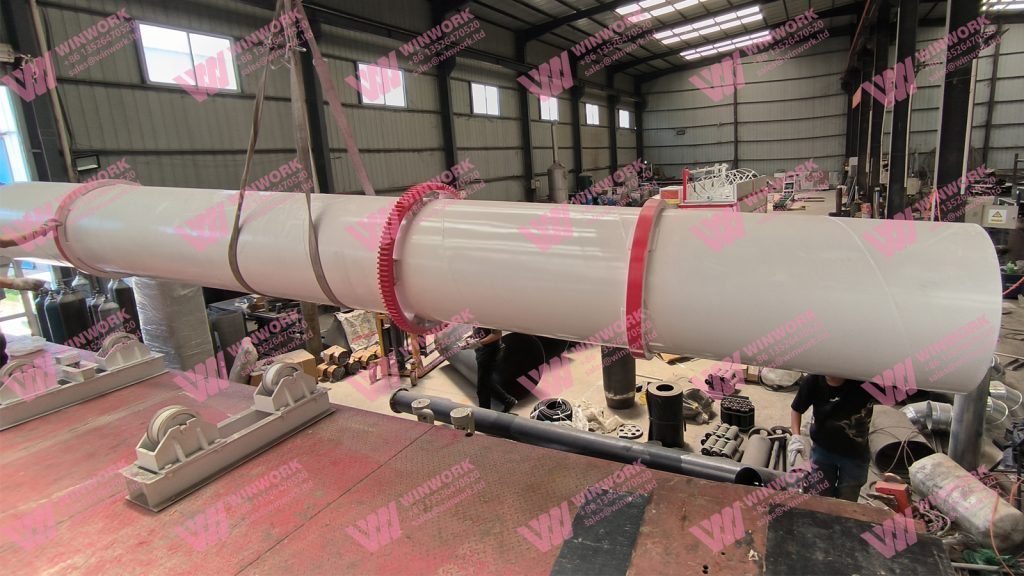
The Horizontal Fermentation Tank is a state-of-the-art equipment designed for the effective aerobic fermentation of organic waste, agricultural residues, sludge, and other compostable materials. Unlike vertical tanks, the horizontal design allows for larger capacity and more uniform fermentation.
The Horizontal Fermentation Tank is widely used in the production of organic fertilizers and compost, offering numerous advantages in terms of efficiency, control, and environmental impact.
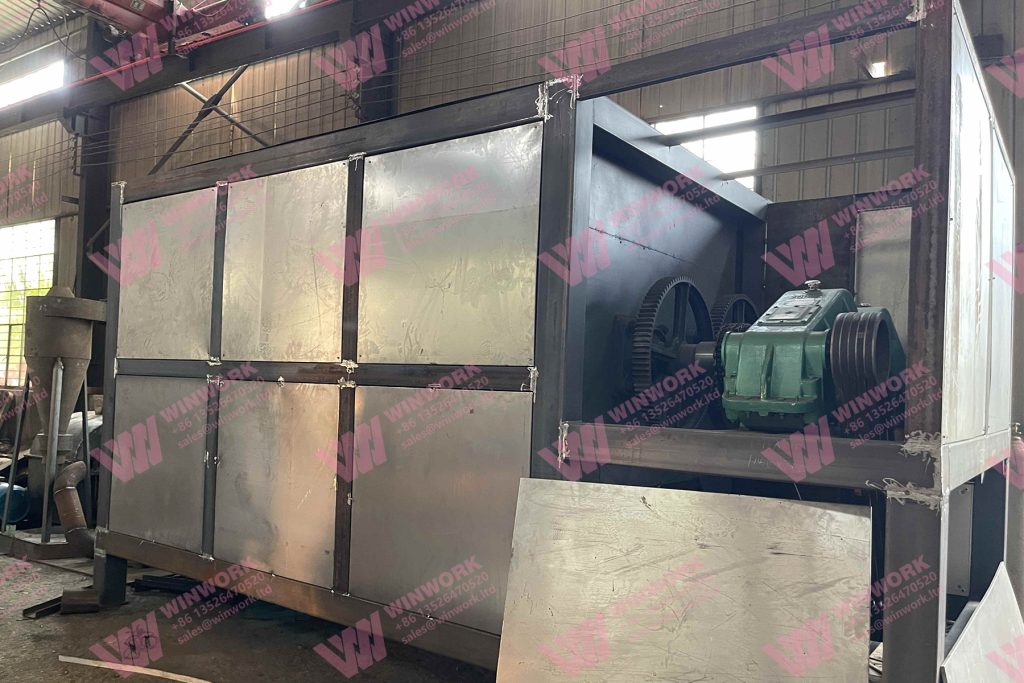
Horizontal fermentation tank
The disc granulator starts smoothly and reduces the impact force, thus prolonging the service life of the equipment. The pelletizing disc disk bottom is added with multiple radial steel plates, which strengthens the sturdiness of the equipment and ensures that it will never be deformed.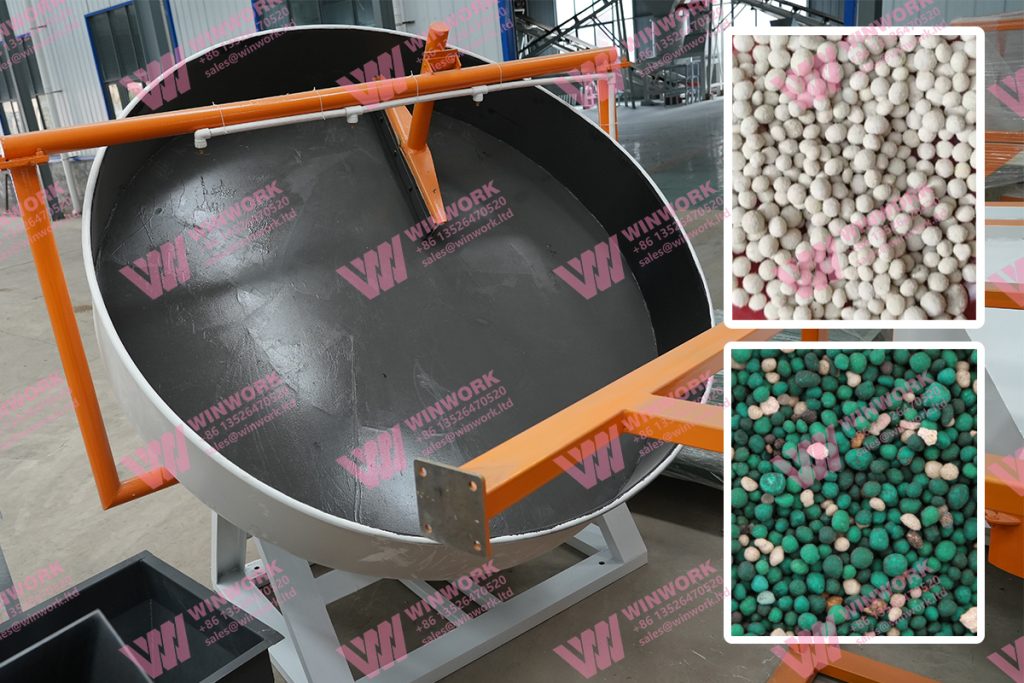
The base is designed to be thickened and weighted without the need of ground bolt fixing to ensure smooth operation. The main gear is quenched by high frequency, and the service life is doubled.
Disc granulator has the advantages of even granulation, high rate of ball formation, smooth operation, easy to operate, long service life, etc.
Implementation Pathway for Circular Economy Solution for Brewery Spent Grain Fertilizer
A complete Circular Economy Solution for Brewery Spent Grain Fertilizer follows these steps:
Source Collection, Wet spent grain is transported daily from breweries via enclosed conveyor systems.
Pre‑Processing, Dewater to ~60% moisture to reduce transport and drying costs.
Biological Conversion, Conduct high‑temperature aerobic fermentation for 7–15 days until stabilized.
Formula Optimization, Add minerals or functional microbial inoculants based on target crop needs.
Granulation & Finishing, Granulate, dry, and cool to produce commercial organic fertilizer.
Quality Testing, Analyze organic matter, heavy metals, and nutrient levels to ensure compliance.
Market Distribution, Supply local organic farms, orchards, or horticultural markets.
This pathway ensures that every ton of spent grain adds value within the Circular Economy Solution for Brewery Spent Grain Fertilizer framework.
Applicable Scenarios
The Circular Economy Solution for Brewery Spent Grain Fertilizer suits:
Large brewery groups with onsite fertilizer plants
Craft brewery clusters sharing a centralized processing hub
Agricultural circular economy industrial parks
Municipal organic waste co‑processing projects
Export‑oriented organic fertilizer production bases
In each case, the solution aggregates dispersed spent grain into a high‑value product, strengthening regional circular economy networks.
FAQ
Q1: Can spent grain be applied directly to fields without processing?
A: Direct application risks pests, diseases, seedling burn, and odor issues. The Circular Economy Solution for Brewery Spent Grain Fertilizer ferments and processes it to eliminate these risks and enhance nutrient availability.
Q2: What is the payback period for a Circular Economy Solution for Brewery Spent Grain Fertilizer project?
A: For a mid‑size line, typically 2–3 years, with long‑term returns from spent grain sales and fertilizer revenue.
Q3: Which crops can use the resulting fertilizer?
A: Vegetables, fruit trees, flowers, forage, and other crops, especially in organic production systems.
Q4: How is environmental compliance ensured?
A: Systems include deodorization, wastewater reuse, and dust collection, backed by environmental impact assessment approval.
Q5: Can other organic wastes be processed together?
A: Yes. Chicken manure, straw, and other organics can be co‑fermented with spent grain to improve fertilizer quality and reduce costs.
Conclusion
The Circular Economy Solution for Brewery Spent Grain Fertilizer exemplifies the integration of brewing and green agriculture. By replacing the linear produce‑discard model with a closed‑loop system, it delivers waste reduction, income diversification, soil improvement, and emission cuts. This release has highlighted the Circular Economy Solution for Brewery Spent Grain Fertilizer throughout to underscore its multifaceted value. Looking ahead, as carbon trading schemes mature and organic fertilizer markets expand, this solution will scale further, becoming a vital node in the global circular economy network.
For more details, please feel free to contact us.
Email: sales@lanesvc.com
Contact number: +8613526470520
Whatsapp: +8613526470520
Get A Quote