


Turning Cassava Waste into a Useful Agricultural Resource
In many cassava-producing areas, processing factories generate large quantities of pulp and peel every day. If these materials are left untreated, they may create unpleasant smells, attract insects, and increase environmental pressure. Instead of viewing this by-product as useless waste, farmers and small enterprises can transform it into cassava waste fertilizer for agriculture through proper composting techniques.
Producing cassava waste fertilizer is not a complicated or highly technical process. With correct material preparation and basic management, cassava residue can be converted into an organic soil amendment that improves farmland productivity. This approach not only reduces disposal problems but also creates economic value from agricultural waste.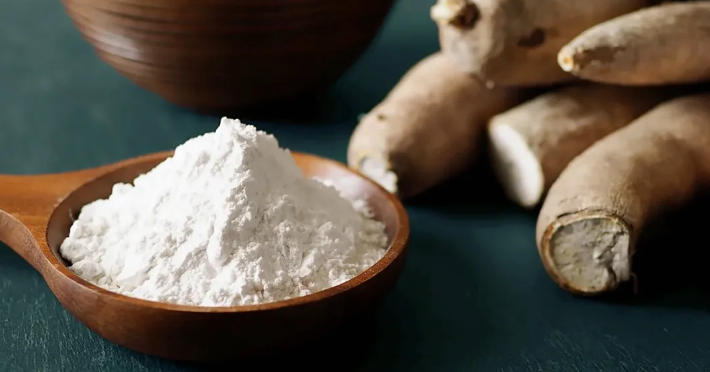
Why Cassava Residue Is Suitable for Fertilizer Production
Cassava pulp and peel contain organic matter and plant fiber that can benefit soil when decomposed properly. Although fresh residue should not be applied directly to crops, controlled fermentation changes its structure and makes it safe for field use.
There are several reasons why farmers and processors are increasingly interested in cassava waste fertilizer for agriculture. First, it reduces the burden of handling large volumes of waste near processing plants. Second, it improves soil texture by increasing organic content. Third, it offers a more affordable supplement to chemical fertilizers. Finally, it supports sustainable agricultural practices that focus on long-term soil health rather than short-term yield only.
For regions where cassava farming and processing operate side by side, developing cassava waste fertilizer for agriculture creates a natural recycling system between industry and farmland.
Materials Required for Composting
The main raw material is cassava residue, including pulp, peel, or fibrous leftovers. Because this material often contains high moisture, it should be combined with dry organic matter to create a balanced compost mixture.
Common additives include livestock manure, straw powder, rice husk, sawdust, or chopped crop stalks. These materials help absorb moisture and improve airflow within the compost pile. In some cases, microbial agents are introduced to speed up decomposition. Small amounts of lime may also be added to stabilize acidity levels.
Proper preparation of materials ensures that the final cassava waste fertilizer for agriculture is stable, safe, and easy to apply.
Step 1: Preparing the Cassava Residue
Fresh cassava pulp is usually wet and compact. If it is used directly, it may slow down fermentation. Therefore, the first step is to adjust moisture content by mixing in dry plant materials.
Breaking up large clumps improves air circulation and ensures that microorganisms can work evenly throughout the pile. Good preparation at this stage creates the foundation for efficient composting and successful production of cassava waste fertilizer for agriculture.
Step 2: Mixing the Ingredients Evenly
Once moisture is adjusted, the cassava residue should be thoroughly blended with manure and other plant-based materials. Even mixing allows microorganisms to distribute uniformly and prevents uneven decomposition.
A consistent mixture helps produce compost with uniform texture and stable quality. Careful blending increases the likelihood of producing high-quality cassava waste fertilizer for agriculture suitable for different crops.
Step 3: Composting and Aeration
The mixed materials are arranged into piles or long rows in an open yard or under a simple shelter. During composting, natural microorganisms break down organic matter and generate heat. Within a few days, internal temperature rises naturally.
Turning the pile every few days introduces oxygen and prevents strong odors. In warm climates, the active composting stage usually lasts between two and four weeks. Over time, the material becomes darker, softer, and more crumbly.
When the strong smell fades and the texture becomes loose and soil-like, the compost is close to becoming usable cassava waste fertilizer for agriculture.
Step 4: Natural Curing and Stabilization
After the heating phase, the compost should remain undisturbed for additional days. This curing stage allows remaining organic matter to decompose gradually and safely.
Once the compost is fully stabilized, it can be applied directly to fields or prepared for packaging and sale. At this point, the material has completed its transformation into cassava waste fertilizer for agriculture.
Optional Processing for Commercial Distribution
For farmers who produce compost for personal use, additional processing may not be necessary. However, for businesses planning to sell fertilizer, improving product appearance and handling convenience can increase market acceptance.
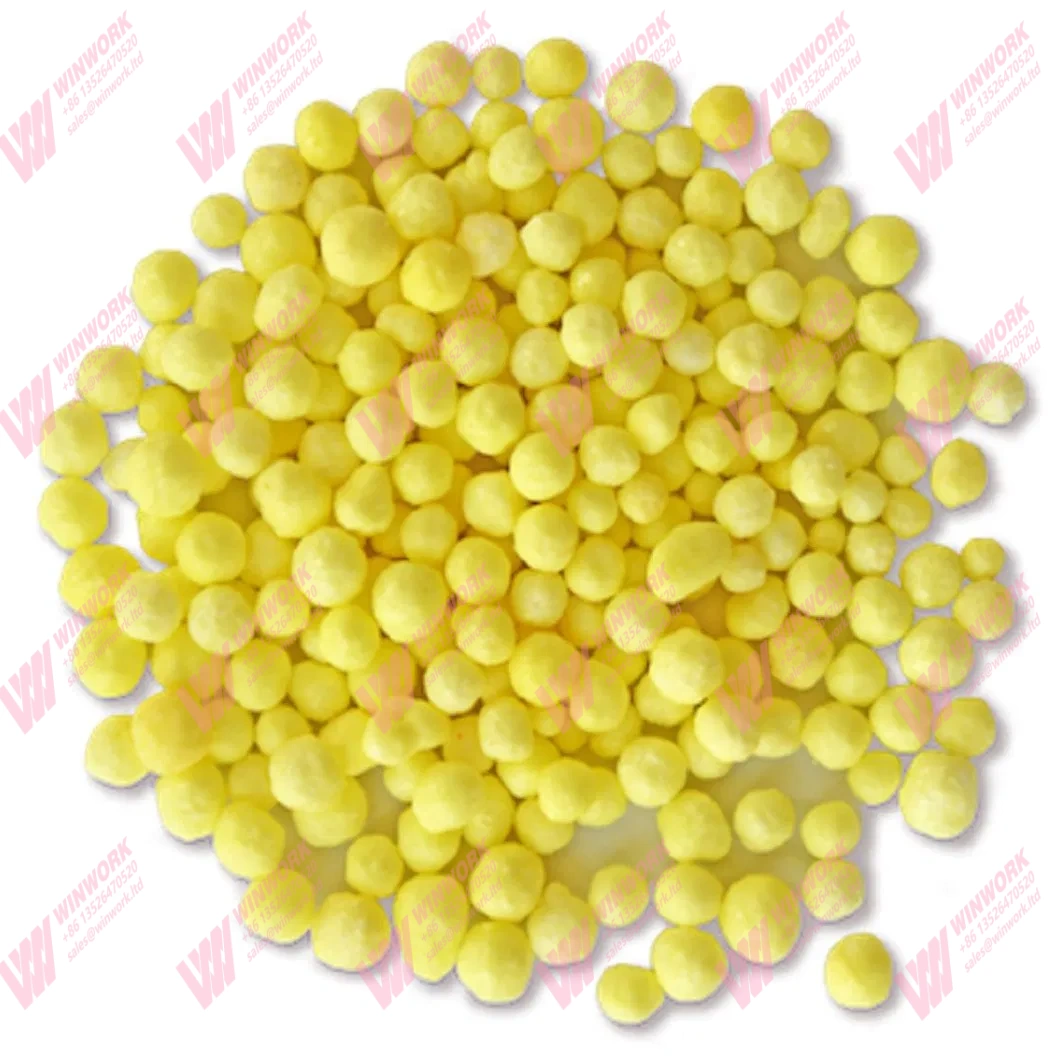
The matured compost can be refined into finer particles for smoother texture. It may also be shaped into granules, which are easier to transport and store. Granulated cassava waste fertilizer for agriculture is especially convenient for mechanical application on larger farms.
Separating composting areas from finishing and packing areas helps maintain an organized production flow in medium and large facilities.
Small-Scale and Large-Scale Production Options
Small farmers can produce cassava waste fertilizer for agriculture using simple open composting methods with minimal equipment. This approach requires low investment and is suitable for rural communities.
Medium-sized operations may use basic machinery for turning piles, reducing manual labor. Commonly used high-efficiency compost turning equipment includes crawler-type compost turners and self-propelled compost turners. Larger enterprises handling significant amounts of cassava residue often establish structured composting yards and controlled working areas.
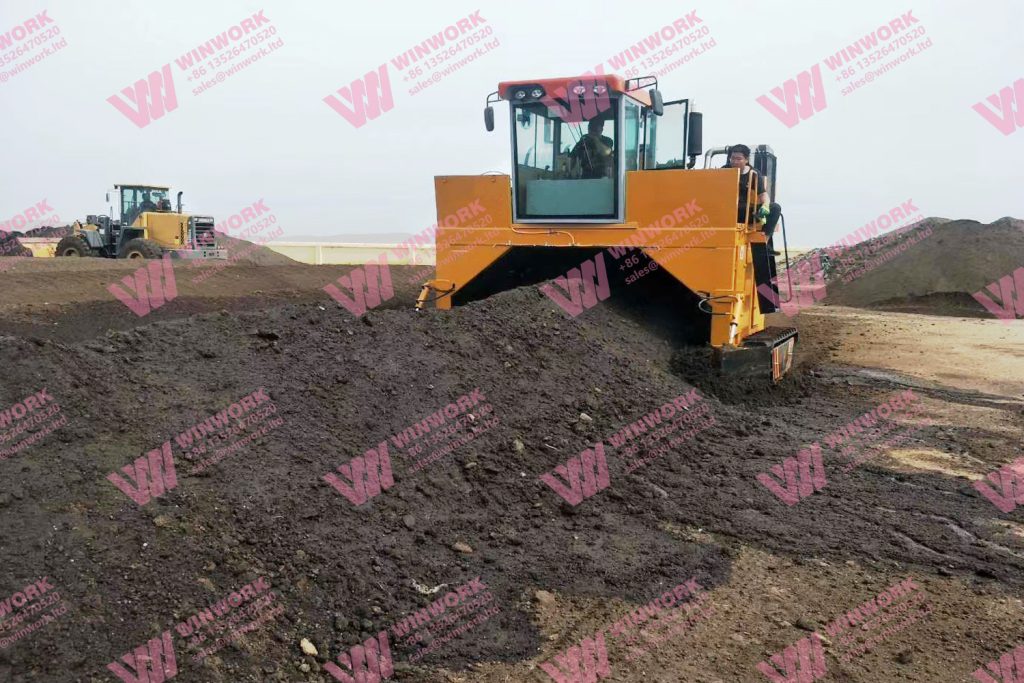
Compost Turner Working Site
The production scale should match raw material supply, available labor, and local demand for cassava waste fertilizer for agriculture.
Application Methods in the Field
Organic fertilizer produced from cassava residue can be used in various cropping systems.
Before planting, it can be spread evenly and mixed into the topsoil to improve soil looseness and water retention. For orchards and perennial crops, it may be placed around the root zone. Regular use improves soil structure and encourages better root development.
Vegetable growers often find that continuous application of cassava waste fertilizer for agriculture enhances soil softness and promotes stronger plant growth over time.
Economic and Community Benefits
Converting cassava residue into fertilizer reduces waste treatment expenses for processing plants. Instead of paying for disposal, factories can create additional income by selling compost products.
Local production of cassava waste fertilizer for agriculture reduces transportation costs and supports community-level recycling initiatives. Cooperative composting projects can generate employment opportunities and strengthen local agricultural economies.
As awareness of soil improvement increases, market demand for organic soil conditioners continues to expand.
Environmental Advantages
Improper dumping of cassava waste can pollute land and water resources. Composting provides a practical and environmentally friendly solution.
Using cassava waste fertilizer for agriculture promotes nutrient recycling and supports sustainable soil management. Increasing soil organic matter helps improve land productivity while reducing environmental risks associated with unmanaged waste.
This recycling model contributes to more circular and resource-efficient agricultural systems.
Common Composting Challenges
High moisture is one of the most common issues during composting. Adding dry materials usually corrects this problem. If unpleasant odors occur, turning the pile more frequently improves oxygen supply.
In cooler weather, fermentation may slow down. Covering the compost with breathable fabric can help maintain warmth and support microbial activity.
With careful observation and simple adjustments, producers can maintain steady output of cassava waste fertilizer for agriculture.
Long-Term Development Outlook
Sustainable farming practices are gaining attention globally. Organic soil amendments are becoming increasingly important for maintaining long-term soil health.
Regions with strong cassava industries have natural potential to expand composting initiatives. By integrating waste recycling into crop production systems, communities can strengthen agricultural resilience and reduce environmental pressure.
The continued development of cassava waste fertilizer for agriculture reflects a broader movement toward environmentally responsible farming.
Conclusion about Cassava Waste Fertilizer for Agriculture
Transforming cassava residue into organic fertilizer is both practical and beneficial. Through proper preparation, mixing, composting, and curing, agricultural waste can be converted into valuable cassava waste fertilizer.
This approach reduces disposal problems, lowers fertilizer costs, improves soil conditions, and supports sustainable agricultural development. Whether used on small farms or produced on a larger commercial scale, cassava waste fertilizer provides a reliable way to turn cassava by-products into long-term agricultural value.
For more details, please feel free to contact us.
Email: sales@lanesvc.com
Contact number: +8613526470520
Whatsapp: +8613526470520
Get A Quote