

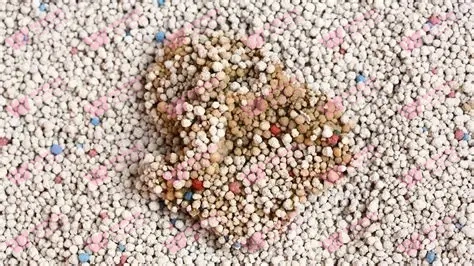
Introduction about Clumping Bentonite Cat Litter Manufacturing
Clumping bentonite cat litter has become a dominant product in the global pet care industry due to its strong clumping ability, odor control, and user convenience. For manufacturers and investors, understanding the intricacies of clumping bentonite cat litter manufacturing is critical for producing consistent, high-quality products.
Medium to large-scale production requires careful selection of equipment, workflow design, and quality assurance measures. A professional approach to clumping bentonite cat litter manufacturing can reduce waste, improve efficiency, and ensure market competitiveness.
This article provides a comprehensive overview of the production process, essential machinery, and operational considerations for businesses looking to establish or optimize their bentonite cat litter manufacturing line.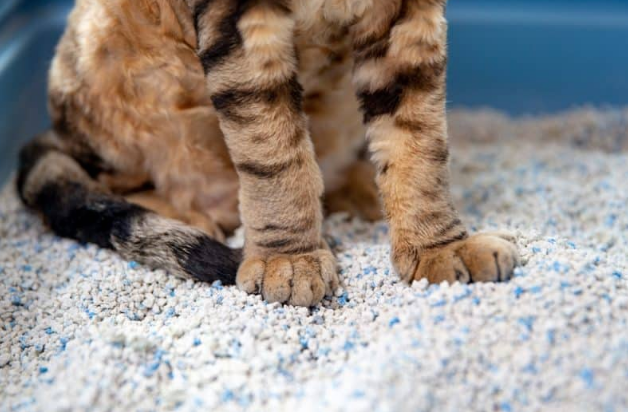
Market Demand for Clumping Bentonite Cat Litter
The demand for clumping bentonite cat litter remains strong in both domestic and international markets. Consumers seek litter that forms firm clumps, absorbs moisture quickly, and produces minimal dust. Pet owners increasingly prefer high-performance products that simplify cleaning and reduce odor in litter boxes.
From a manufacturing perspective, meeting this demand requires stable and controlled clumping bentonite cat litter manufacturing processes. Factories need production lines that handle raw materials efficiently, maintain consistent pellet quality, and support packaging that preserves product integrity during transport and storage.
Investors targeting this segment often prioritize medium-capacity production lines, which balance initial investment and operational efficiency while allowing room for future expansion.
Raw Material Preparation
Bentonite clay, the primary ingredient, is typically sourced in large lumps. Proper clumping bentonite cat litter manufacturing begins with preparation: crushing the raw bentonite into uniform particles to ensure even granulation.
Moisture content is carefully controlled to optimize clumping performance. Excess moisture can cause pellets to stick or deform, while insufficient moisture may result in weak clumps and poor absorbency.
A professional manufacturing process also includes screening to remove oversized or contaminated particles. Consistent particle size improves granulation efficiency and reduces material waste during production.
Granulation Process
Granulation is the heart of clumping bentonite cat litter manufacturing. It transforms fine bentonite powder into uniform pellets that form solid clumps when exposed to moisture.
Several granulation methods are commonly used:
-
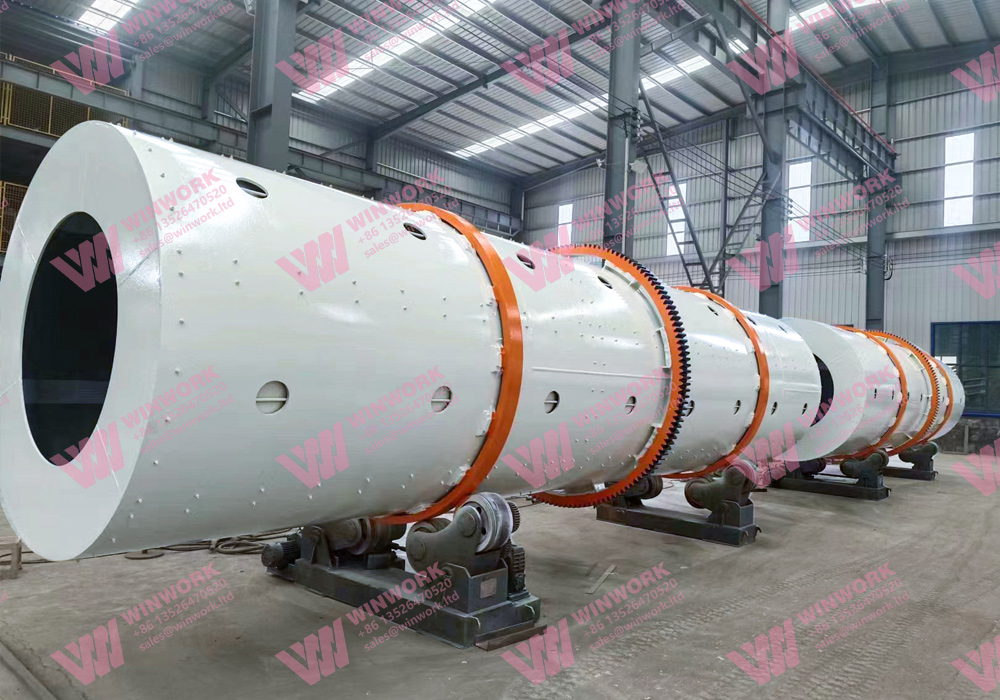
Rotary drum granulation is ideal for continuous high-capacity production. It provides uniform pellet size and allows flexible control over production speed.
-
Disc granulation is suited for smaller or medium-scale operations. Operators can adjust the tilt and rotation speed to achieve different pellet diameters.
Key factors influencing granulation include feed moisture, binder type and quantity, granulator rotation speed, and the angle of the equipment. Optimizing these parameters ensures high clumping performance and minimal dust generation.
Drying and Cooling
After granulation, the bentonite pellets contain excess moisture that must be removed. Proper drying strengthens pellets, improves clumping speed, and extends shelf life.
Rotary drum dryers are commonly used in clumping bentonite cat litter manufacturing. They provide continuous operation, uniform heat distribution, and high energy efficiency. Drying parameters are carefully controlled to prevent over-drying, which can cause brittle pellets, or under-drying, which leads to microbial growth.
After drying, cooling stabilizes the pellets and prepares them for screening and packaging. Cooling reduces residual heat, prevents deformation, and maintains pellet integrity during handling.
Screening and Classification
Screening separates properly sized pellets from oversized or undersized material. Proper screening is essential in clumping bentonite cat litter manufacturing to ensure uniform product quality.
Oversized pellets can be crushed and recycled into the process, while undersized pellets may be reprocessed or used for alternative applications. Consistent pellet size improves packing efficiency and enhances the end-user experience, as consumers expect even clumping behavior.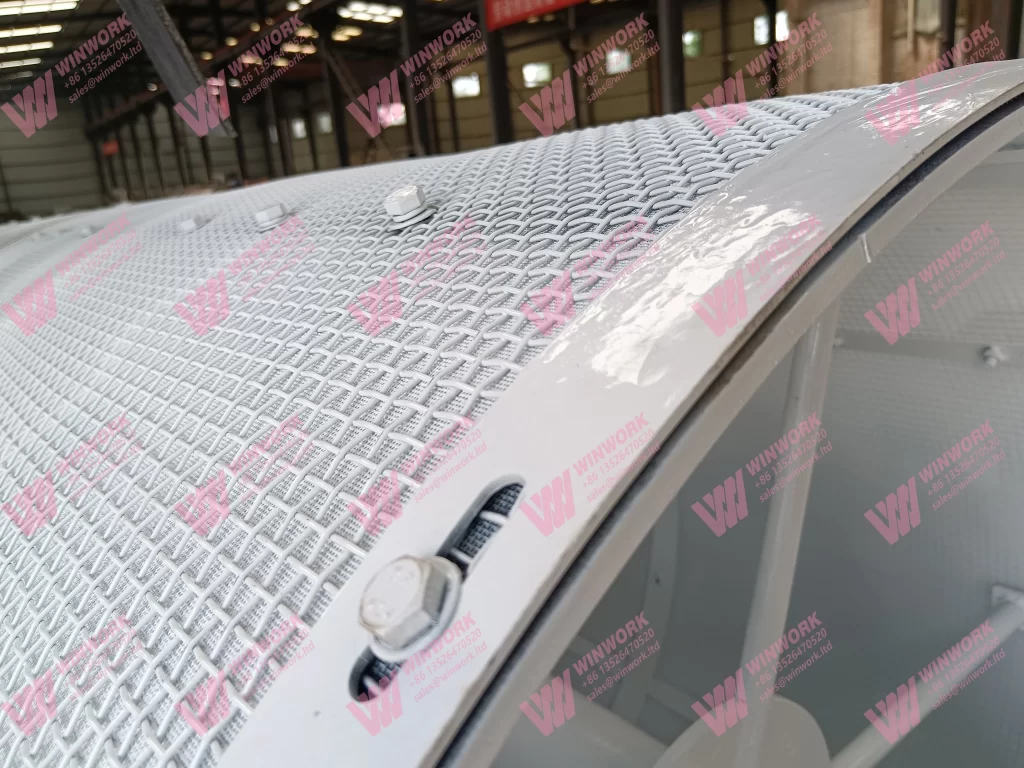
Packaging and Storage
Automatic packaging systems improve efficiency and reduce labor costs in the process of cat litter production. Bags are filled, sealed, and labeled with consistent weight and quality.
Storage facilities must protect finished pellets from moisture and contamination. Proper warehousing maintains product integrity and ensures the clumping performance remains intact until it reaches retail shelves or distribution centers.
Automation and Control Systems
Modern clumping bentonite cat litter manufacturing often incorporates automation to maintain consistent quality and reduce human error. Sensors monitor moisture, temperature, and machine speed throughout the line.
Programmable logic controllers (PLC) allow operators to adjust parameters in real-time and maintain optimal production conditions. Automation reduces downtime, improves energy efficiency, and enhances overall line reliability.
Skilled operators remain essential, however, for troubleshooting, preventive maintenance, and ensuring that the line runs smoothly.
Quality Assurance in Manufacturing
Product quality defines success in the bentonite cat litter market. Factories focus on clumping strength, absorbency rate, dust control, and pellet uniformity.
Routine sampling and testing are integral to cat litter manufacturing. Adjustments to granulation, drying, and cooling processes may be necessary to maintain high standards. Maintaining consistent quality builds brand trust and improves customer retention.
Environmental Considerations
Energy consumption and dust emissions are important factors in clumping bentonite cat litter manufacturing. Efficient dryers, insulated motors, and dust collection systems minimize environmental impact and operational costs.
Sustainable practices, such as recycling broken pellets and minimizing waste, enhance the factory’s reputation and align with consumer preferences for environmentally responsible products.
Evaluating a Machinery Supplier
Selecting the right supplier is crucial. A reputable 3–5 t/h cat litter machinery supplier with experience in clumping bentonite cat litter manufacturing provides design, installation, and after-sales support.
Suppliers should demonstrate real project references, provide tailored technical solutions, and offer training for operators. Responsive support reduces downtime and ensures consistent production quality.
Cost Considerations and ROI
Investors should evaluate total cost, including equipment, installation, utilities, labor, and maintenance. High-quality machinery from a reliable supplier may require higher initial investment but reduces long-term operating costs and ensures better product consistency.
When production efficiency, quality control, and maintenance are optimized, clumping bentonite cat litter manufacturing can achieve a predictable return on investment.
Planning for Expansion
A flexible production line allows future scaling. Starting with a 3–5 t/h capacity provides a strong foundation. Suppliers can design modular layouts that enable the addition of new lines or expansion of existing ones without major reconstruction.
Planning ahead ensures the factory can respond to market growth and changing consumer demands.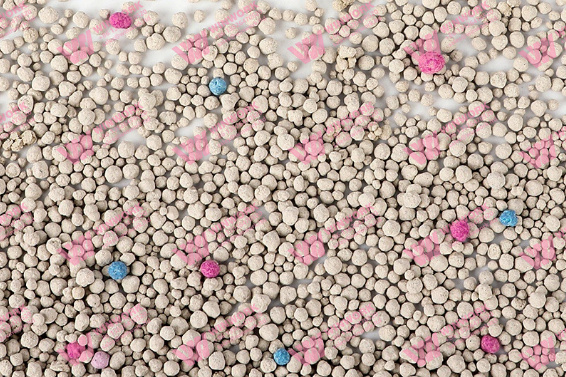
Conclusion
Successful clumping bentonite cat litter manufacturing requires careful selection of raw materials, granulation techniques, drying and cooling systems, and quality assurance measures.
Partnering with an experienced machinery supplier is essential for establishing a stable, efficient, and scalable production line. Properly executed, clumping bentonite cat litter manufacturing delivers high-quality products that satisfy consumers and support business growth.
For more details, please feel free to contact us.
Email: sales@lanesvc.com
Contact number: +8613526470520
Whatsapp: +8613526470520
Get A Quote