

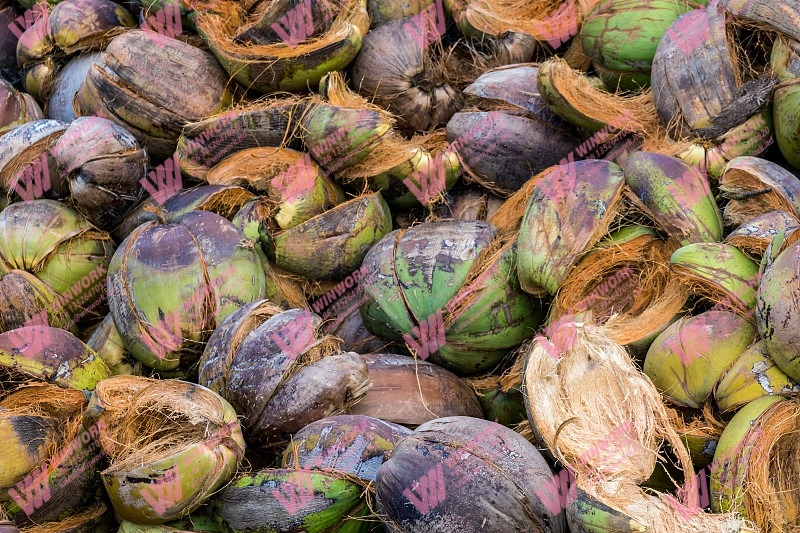
Introduction about Coconut Husk Organic Fertilizer Processing
Southeast Asia is a leading global producer of coconuts, generating millions of tons of coconut husks each year. Traditionally, these husks have been discarded or burned, creating environmental problems and wasting valuable organic material. With the growing emphasis on sustainable agriculture and organic farming, coconut husk organic fertilizer processing has become an effective method to convert this agricultural byproduct into high-quality fertilizer that improves soil fertility and enhances crop productivity.
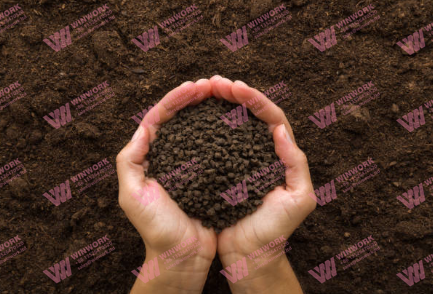
Coconut husks are fibrous, high in lignin and cellulose, and contain essential nutrients suitable for fertilizer production. When processed correctly, they yield organic fertilizer in granular or powdered form, capable of supporting soil health, increasing water retention, and fostering beneficial microbial activity. A systematic coconut husk organic fertilizer processing operation integrates raw material preparation, composting, granulation, drying, cooling, and packaging, ensuring consistent output for commercial use.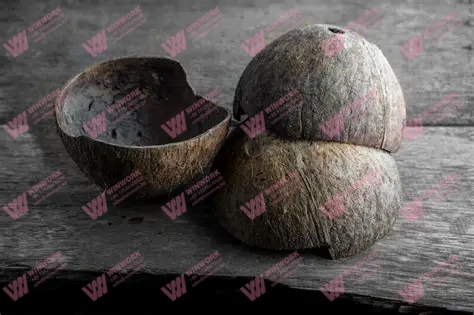
Importance of Coconut Husk Organic Fertilizer in Southeast Asia
Agricultural soils in many Southeast Asian countries face nutrient depletion due to prolonged chemical fertilizer usage. Over time, such practices reduce soil organic matter, disrupt microbial ecosystems, and lead to compaction, which ultimately decreases long-term productivity. Organic fertilizers made from coconut husks provide a sustainable solution, restoring soil structure, improving fertility, and promoting microbial diversity.
Additionally, coconut-producing regions generate large amounts of husks that remain underutilized. Processing these husks into organic fertilizer not only mitigates waste management issues but also adds economic value. The approach aligns with circular economy principles, turning agricultural residues into high-value inputs for local farms.
Government initiatives promoting sustainable agriculture and organic certification further strengthen the case for coconut husk organic fertilizer processing. By producing organic fertilizers locally, farmers can reduce dependence on imported inputs, lower transportation costs, and meet the rising demand for sustainable crops.
Overview of Coconut Husk Organic Fertilizer Processing
Coconut husk organic fertilizer processing is a multi-stage procedure designed to produce nutrient-rich, stable fertilizer products. The main stages are:
Raw Material Collection and Preparation
Coconut husks are collected and shredded into smaller pieces to accelerate microbial decomposition. Moisture content is adjusted to an optimal level, typically between 50% and 60%, to promote fermentation. In some cases, other organic residues such as livestock manure or crop waste are blended with husks to balance nutrients and enhance the composting process. Proper preparation is essential, as imbalanced feedstock can reduce fermentation efficiency and nutrient stability.
Composting and Fermentation
Shredded coconut husks undergo aerobic composting under controlled conditions. Mechanical compost turners or enclosed fermentation systems maintain proper aeration and temperature to facilitate microbial activity. Fermentation usually lasts 10–20 days, depending on raw material composition and local climate conditions. During this phase, pathogens are eliminated, odors are minimized, and nutrients are stabilized, resulting in high-quality compost suitable for granulation.
Crushing and Screening
After fermentation, the compost is crushed into finer particles to ensure uniform granulation. Screening removes oversized or foreign materials, which are recycled into the crushing process to maximize material utilization. Consistent particle size at this stage is critical for producing uniform, high-quality fertilizer granules.
Granulation
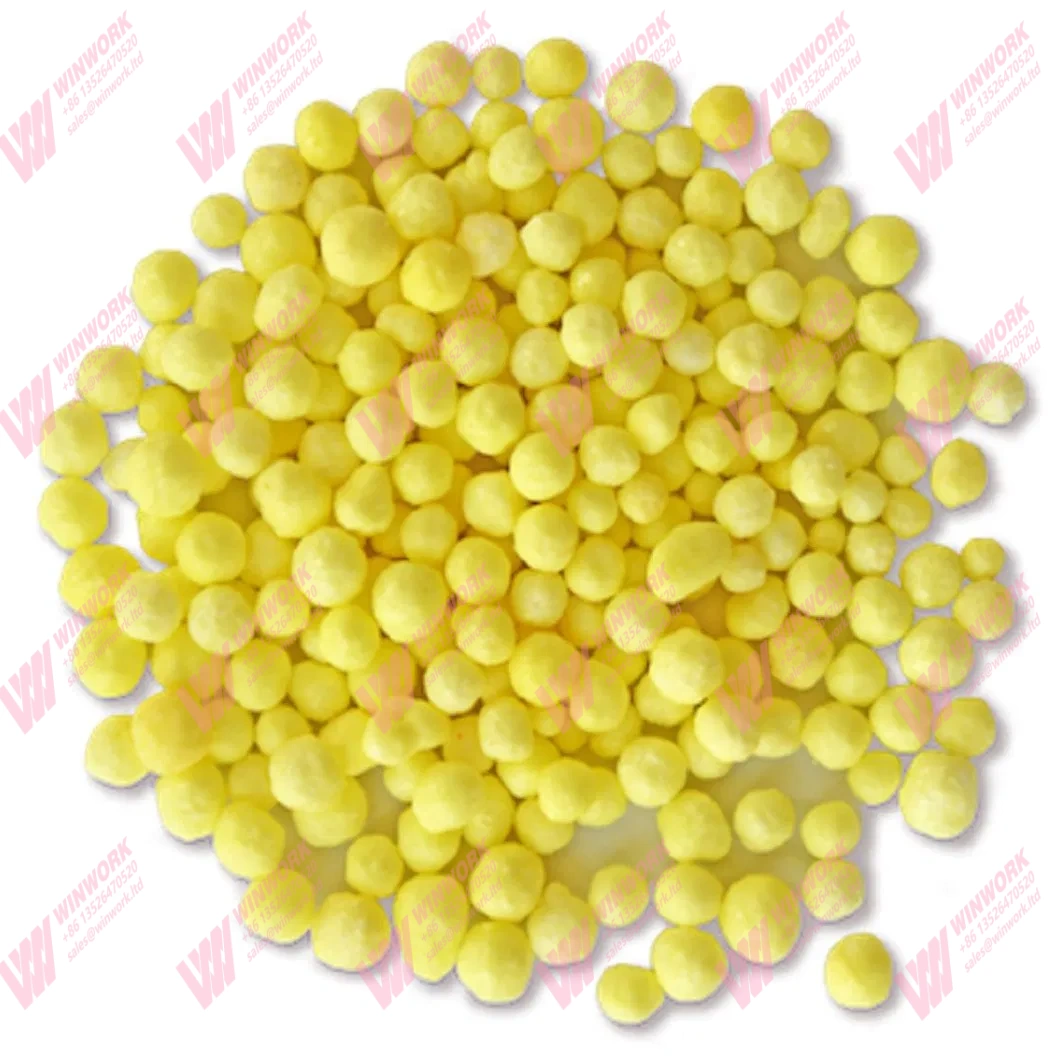
Granulation transforms powdered compost into pellets, which are easier to transport, store, and apply. Common granulation methods include rotary drum granulators, disc granulators, and double roller extrusion granulators. The choice of granulation method depends on the desired particle size, production capacity, and quality requirements of the final fertilizer product.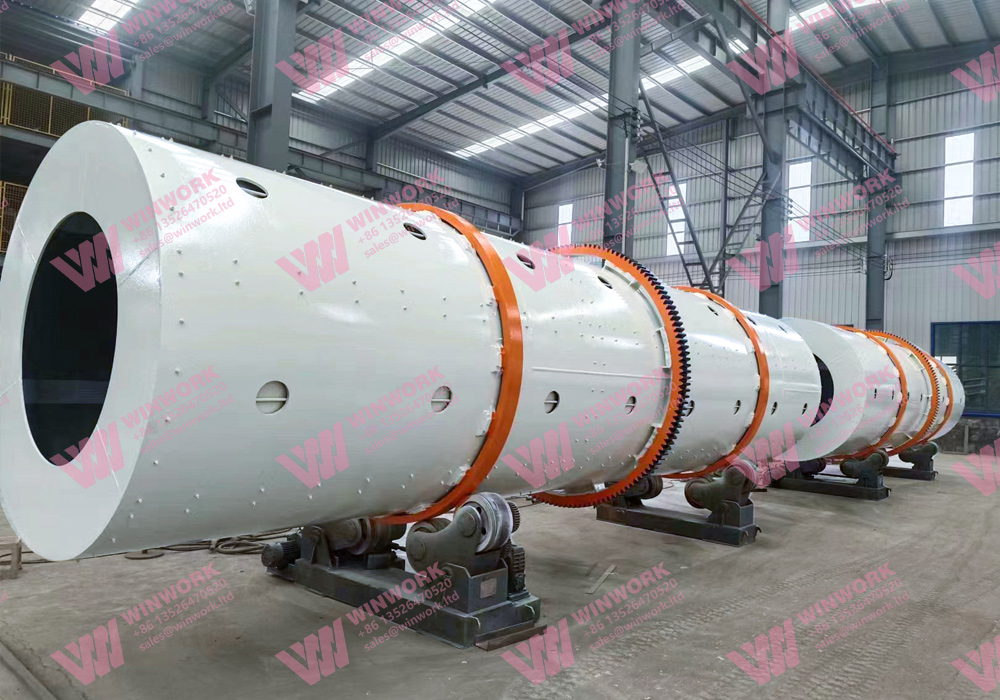
Drying and Cooling
Granulated fertilizer contains residual moisture that must be reduced to prevent clumping and microbial growth during storage. Drying equipment lowers the moisture content to safe levels, while cooling systems preserve pellet integrity. This stage ensures that the fertilizer remains stable and market-ready for distribution.
Screening, Coating, and Packaging
Final screening ensures that the granules meet uniform size specifications. Optional coating enhances product appearance, improves nutrient release, and reduces dust during handling. Automated packaging systems weigh, bag, and seal the fertilizer for bulk or retail distribution. These final steps complete the coconut husk organic fertilizer processing cycle, producing a consistent and marketable product.
Capacity Planning and Production Scale
Determining the appropriate production capacity is a critical step in establishing a coconut husk organic fertilizer processing facility. Facilities should match raw material availability and local market demand to ensure efficiency and profitability.
-
Small-scale plants (5,000–10,000 tons/year) are suitable for local cooperatives or niche markets.
-
Medium-scale plants (20,000–50,000 tons/year) are ideal for regional markets with consistent raw material supply.
-
Large-scale plants (100,000+ tons/year) target domestic and export-oriented operations.
Modular designs allow for future expansion, enabling facilities to scale production as demand grows. Accurate capacity planning helps avoid underutilization of equipment and ensures steady supply for the market.
Investment and Cost Considerations
Investing in a coconut husk organic fertilizer processing plant requires capital expenditure for civil construction, equipment procurement, installation, and commissioning. Operational costs include labor, energy, raw materials, maintenance, and packaging.
Southeast Asian markets offer cost advantages, such as abundant coconut husk supply and affordable labor. Efficient process design and mechanization further reduce operational costs. Governments may also provide incentives for waste recycling and sustainable agriculture projects, improving return on investment. Medium-scale operations generally achieve ROI within 2–4 years, depending on production efficiency, raw material costs, and fertilizer pricing.
Environmental and Sustainability Benefits
Processing coconut husks into organic fertilizer reduces agricultural waste, prevents open burning, minimizes greenhouse gas emissions, and lowers soil contamination risks. Organic fertilizer enhances soil health, promotes microbial activity, and decreases dependence on chemical fertilizers. By adopting coconut husk organic fertilizer processing, farmers contribute to long-term agricultural sustainability and environmental protection.
Challenges and Best Practices
Processing coconut husks presents challenges due to their fibrous texture, high lignin content, and variable moisture. Best practices include:
-
Shredding husks to facilitate microbial decomposition
-
Blending with other organic materials to balance nutrients
-
Monitoring temperature and aeration during fermentation
-
Controlling moisture to prevent over-drying or clumping
-
Adapting equipment and process parameters to tropical climates
Following these practices ensures consistent fertilizer quality and efficient production.
Market Opportunities in Southeast Asia
Southeast Asia has a strong coconut industry, providing a reliable supply of husks for fertilizer production. Increasing demand for organic farming inputs, sustainable agriculture initiatives, and organic certification standards create significant opportunities for coconut husk organic fertilizer processing. Local production reduces reliance on imported fertilizers, decreases transportation costs, and supports rural employment. Additionally, high-quality organic fertilizers can be exported to neighboring countries, expanding market reach.
Advantages of Turnkey Project Implementation
Implementing a coconut husk organic fertilizer processing plant using a turnkey model provides strategic advantages:
-
Unified project responsibility reduces coordination errors
-
Streamlined installation and commissioning ensures faster production
-
Optimized process design guarantees consistent product quality
-
Training programs enhance operational efficiency
-
Shorter time to profitability and reduced technical risks
This approach is particularly beneficial in emerging markets where local technical expertise may be limited.
Future Outlook
The global agricultural trend increasingly favors organic and regenerative practices. As demand for organic fertilizers grows, coconut husk organic fertilizer processing will become more relevant in Southeast Asia. Technological advances, such as automated monitoring systems, energy-efficient drying, and improved granulation methods, will enhance production efficiency and profitability. With abundant raw materials, government support, and growing organic markets, this approach represents a sustainable and lucrative opportunity for investors and farmers.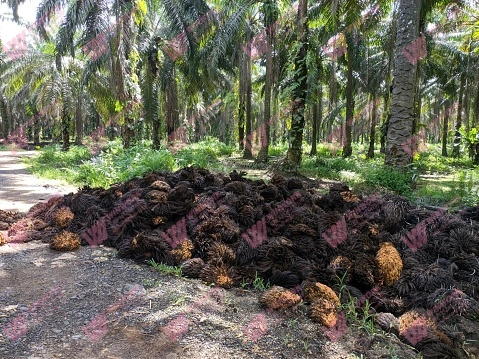
Conclusion
Coconut husk organic fertilizer processing provides an environmentally sustainable and economically profitable solution for Southeast Asian agriculture. By converting coconut husks into high-quality fertilizer, this approach restores soil fertility, promotes microbial diversity, and supports organic farming practices. Careful planning, proper process control, and scalable production strategies ensure operational efficiency and strong financial returns. Investing in coconut husk organic fertilizer processing not only delivers economic benefits but also advances sustainable agriculture and circular economy principles in the region.
For more details, please feel free to contact us.
Email: sales@lanesvc.com
Contact number: +8613526470520
Whatsapp: +8613526470520
Get A Quote