

Introduction
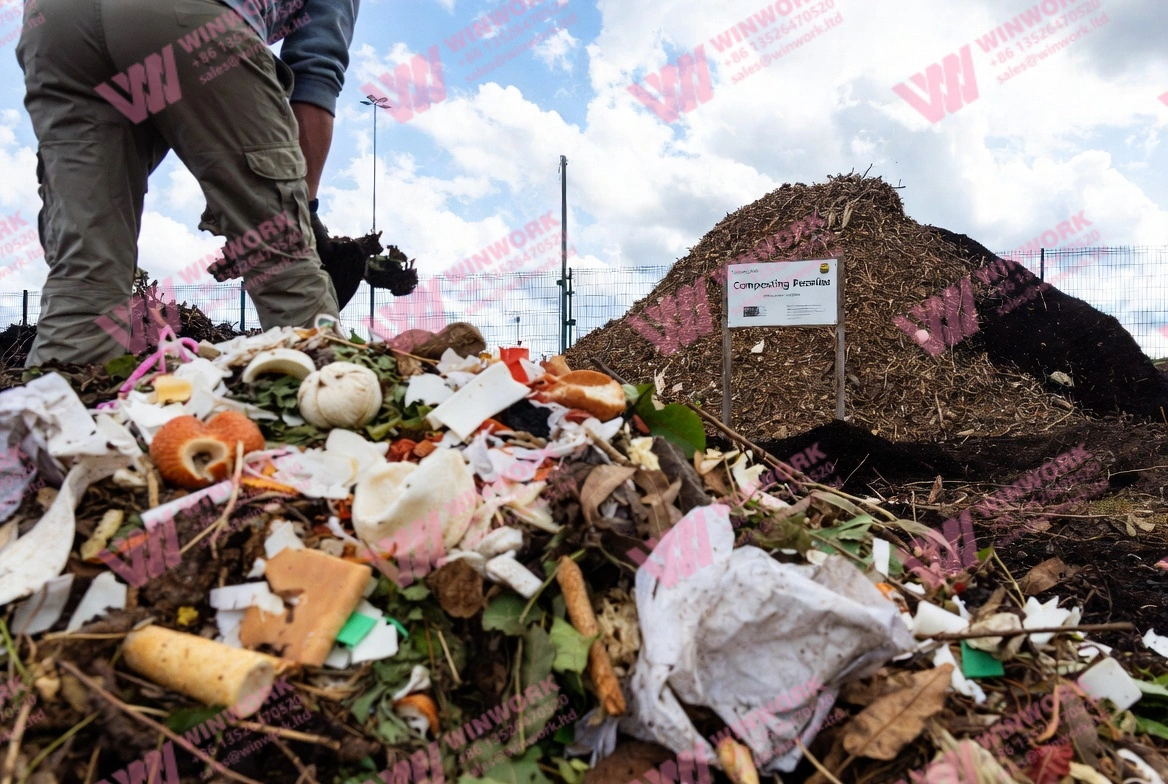
Walk into any livestock farm, and you’ll see the same problem: mountains of manure and high utility bills. For decades, farmers had two bad options: pay to have the waste hauled away, or spread it raw on fields and hope for the best. But a new generation of farmers is adopting a smarter strategy. They are proving that the dual-income model combining biogas digesters and composting is the ultimate solution. This isn’t just about waste disposal; it’s about creating a circular economy where every piece of manure generates two streams of revenue: clean energy and premium organic fertilizer.
The concept is simple but powerful. By splitting the waste stream, the dual-income model combining biogas digesters and composting attacks both the energy cost crisis and the fertilizer cost crisis simultaneously. Let’s break down how this system works, why it’s profitable, and what equipment you need to get started.
Why the Dual-Income Model Combining Biogas Digesters and Composting Wins
Traditional farming has single-point failures. If fertilizer prices go up, you lose money. If energy prices spike, you lose money. The beauty of the dual-income model combining biogas digesters and composting is its resilience.
First, it eliminates the waste category entirely. Second, it gives you two distinct products to sell or use: biogas (energy) and compost (soil amendment). Third, it solves the pollution problem at its source. This model is the definition of working smarter, not harder.
Step-by-Step: How the Dual-Income Model Works
Step 1: The Critical Split – Solid-Liquid Separation
The entire dual-income model combining biogas digesters and composting hinges on the first step: separation. You cannot compost slurry effectively, nor can you digest dry solids well.
You need a Screw Press Solid-Liquid Separator. This machine takes raw manure and squeezes it, producing two things:
A dry, stackable cake (solids).
A dark, nutrient-rich liquid (slurry).
This separation is the gateway to the entire process.
Step 2: The Energy Side – Anaerobic Digestion
Take the liquid fraction from the separator and pump it into an Anaerobic Digester Tank. In this sealed, oxygen-free environment, bacteria break down the waste and produce methane-rich biogas.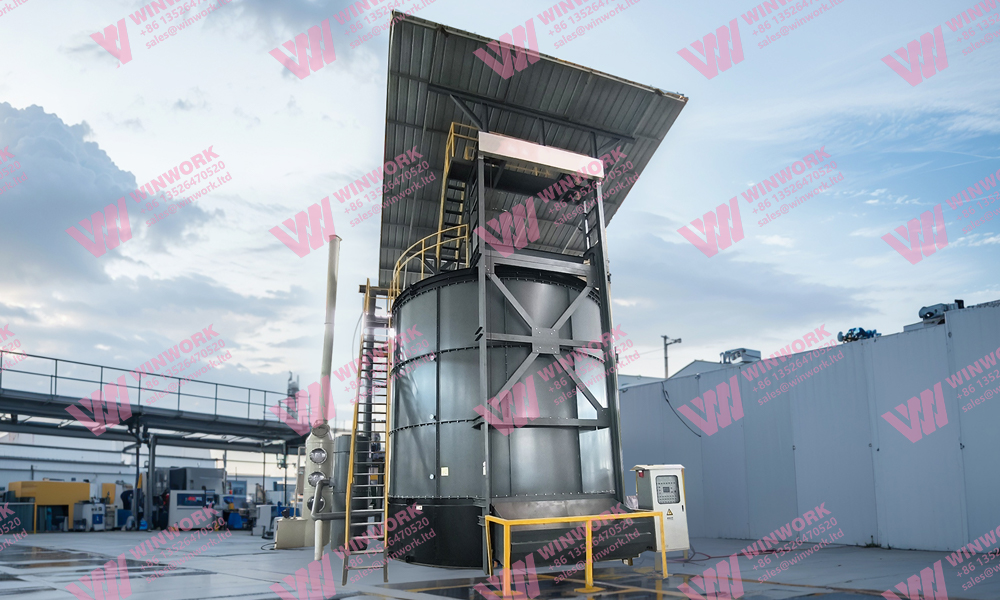
This gas is piped to a Biogas Generator (a modified generator or boiler). Suddenly, you are producing free electricity and heat for your farm. This is the first income stream of the dual-income model combining biogas digesters and composting.
Step 3: The Fertilizer Side – Composting the Solids
Now, take the solid cake from the separator. Mix it with a carbon source like straw or sawdust. Use a Compost Turner to aerate the pile. The material heats up to over 60°C, killing pathogens and weed seeds.
Within weeks, you have a dark, crumbly, earthy-smelling compost. This is your second income stream. To maximize profit, feed this into a Flat Die Pelletizer to create premium fertilizer pellets.
The Payoff: Benefits of the Dual-Income Model Combining Biogas Digesters and Composting
Farmers who adopt this system report staggering results:
Zero Waste: Manure is 100% utilized.
Pollution Prevention: Eliminates runoff and methane emissions from untreated waste.
Cost Savings: Slashes energy and fertilizer bills.
Profitability: Generates two sellable commodities from a single input.
Essential Low-Cost Equipment
You don’t need a million-dollar facility. The core of the dual-income model combining biogas digesters and composting relies on a few key machines:
Screw Press Solid-Liquid Separator: The essential first step ($1,500–$3,000).
Anaerobic Digester Tank: The heart of the energy side ($8,000–$25,000).
Biogas Generator/Boiler: Converts gas into usable power ($1,500–$5,000).
Self-Propelled Compost Turner: Creates the fertilizer product ($3,000–$10,000).
Flat Die Pelletizer: Adds value to the finished compost ($2,000–$4,000).
Real Farm Example: The Garcia Family Farm
The Garcias raise 150 head of cattle. They were spending $500 a month on propane and $300 a month on chemical fertilizers.
They invested $28,000 in a complete system based on the dual-income model combining biogas digesters and composting.
Their propane and electricity bills dropped to near zero.
They produced 40 tons of premium compost pellets in the first year.
They sold the pellets to local organic farms for $175/ton.
Their total annual savings and new income exceeded $15,000. “The dual-income model combining biogas digesters and composting paid for itself in less than two years,” says Elena Garcia. “It was the best investment we ever made.”
FAQ: Your Questions About the Dual-Income Model Combining Biogas Digesters and Composting Answered
Q1: Is this dual-income model complicated to operate?
A: Not at all. Once the system is balanced, it runs like clockwork. You mainly monitor temperatures and gas pressure. The goal of the dual-income model combining biogas digesters and composting is simplicity and automation.
Q2: What if I don’t have enough animals?
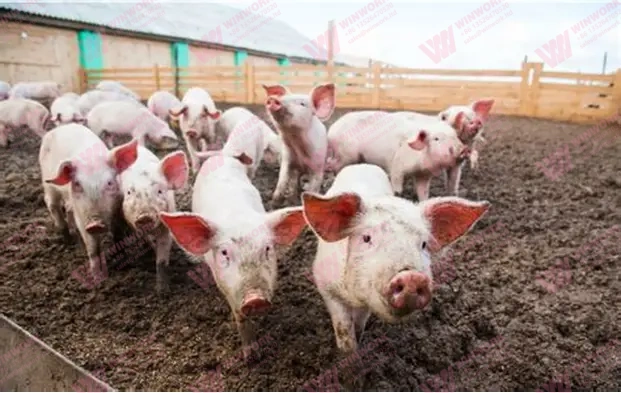
A: The system is scalable. Even a farm with 20-30 pigs or 50 chickens produces enough waste to make a small-scale version of this model viable.
Q3: Does the compost smell bad?
A: No. Proper composting, aided by the compost turner, is an aerobic process that should smell earthy. Any bad smells indicate a problem with aeration.
Q4: Can I really run a generator on this gas?
A: Yes. Biogas is primarily methane. You just need to “scrub” it to remove sulfur and moisture first, which can be done with a simple filter.
Q5: What is the most expensive part?
A: Usually the anaerobic digester tank. However, there are DIY options using welded steel tanks or even large-scale, insulated bags for a lower cost.
Q6: How does this prevent pollution?
A: Raw manure releases methane (a potent greenhouse gas) and nitrates into waterways. The dual-income model combining biogas digesters and composting captures the methane for energy and stabilizes the nutrients in the compost.
Q7: Do I need a special license to sell the fertilizer?
A: For small-scale, local sales, regulations are often minimal. However, it’s wise to have your compost tested for nutrient content and safety.
Q8: What happens in winter?
A: Digesters need to stay warm (around 35°C / 95°F). Insulation and a small heating element (powered by the biogas itself!) keep the bacteria active year-round.
Q9: Where do I start with this dual-income model?
A: Start by calculating your daily manure output. That single number determines the size of the separator and digester you need for your dual-income model combining biogas digesters and composting.
Conclusion
The era of viewing manure as a disposal problem is over. The dual-income model combining biogas digesters and composting is a proven, practical, and highly profitable strategy for the modern farm. It empowers farmers to achieve energy independence, produce their own fertilizer, and generate new revenue streams, all while protecting the environment. Whether you have 10 cows or 100, the path to a more resilient and prosperous farm begins with implementing this powerful model.
For more details, please feel free to contact us.
Email: sales@lanesvc.com
Contact number: +8613526470520
Whatsapp: +8613526470520

Get A Quote