

Introduction
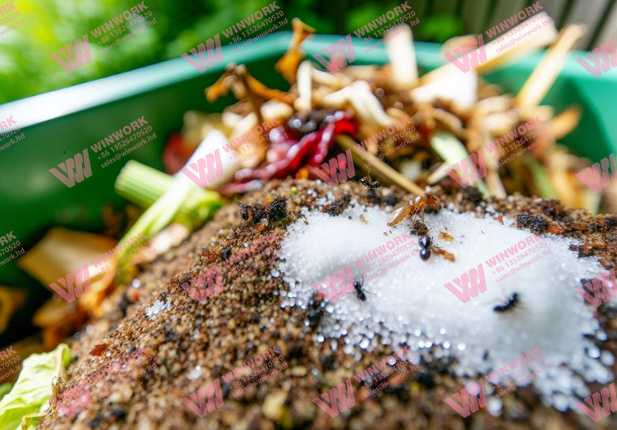
Remember the days when farmers piled up manure and old hay in a corner of the field, letting it rot for years? Those days are fading fast, thanks to modern composting technology. If you’ve ever wondered why some compost heaps turn into beautiful black gold while others just stink up the neighborhood, the answer lies in the right compost technology. This isn’t just fancy jargon—it’s the difference between wasted resources and valuable fertilizer that’ll make your crops thrive.
What Exactly Is Compost Technology?
At its core, compost technology is the science and machinery behind turning organic waste into stable, nutrient-rich compost. Think of it as nature’s recycling system, but with a helping hand from human innovation. Traditional composting relied on basic piles and hope. Today’s composting technology uses controlled conditions, specialized equipment, and proven methods to speed up the process and guarantee quality results.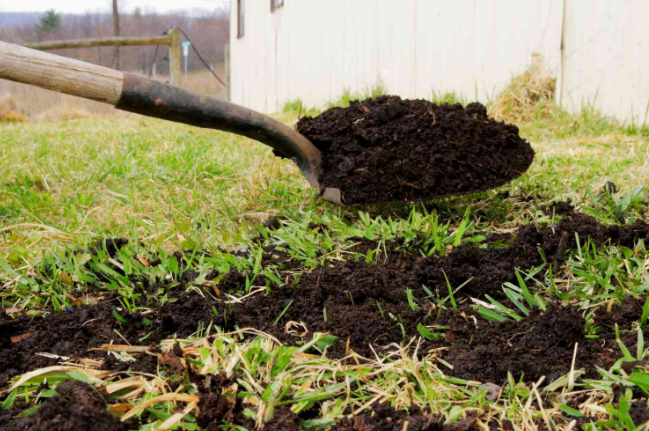
The magic happens when microorganisms—tiny bacteria and fungi—break down materials like chicken manure, vegetable scraps, leaves, and straw. But here’s where compost technology kicks in: instead of leaving it to chance, we control temperature, moisture, oxygen, and carbon-nitrogen ratios. This precision means you get finished compost in months instead of years, with consistent quality every time.
The Building Blocks of Modern Compost Technology
Successful composting technology starts with the right ingredients. You’re looking at two main categories: greens and browns. Greens provide nitrogen—think fresh grass clippings, kitchen scraps, and manure. Browns supply carbon—straw, dried leaves, sawdust, and cardboard. The sweet spot? About 25-30 parts carbon to 1 part nitrogen. Too much green stuff and you’ll have a smelly mess; too much brown and nothing happens.
Key Equipment in Composting Technology
Here’s where the rubber meets the road in composting technology. You don’t need everything at once, but these tools make life easier:
Crawler compost turner is an advanced compost turning equipment, specially designed for compost fermentation process, with the advantages of high efficiency, stability, easy operation and so on.
Crawler compost tumbler realizes automatic operation through crawler walking system, which is the necessary equipment for producing organic fertilizer granules and widely used in organic fertilizer production line.
Crawler compost turner can not only quickly improve the fermentation efficiency of materials, but also effectively improve the quality of compost, is the first choice of modern compost production equipment.
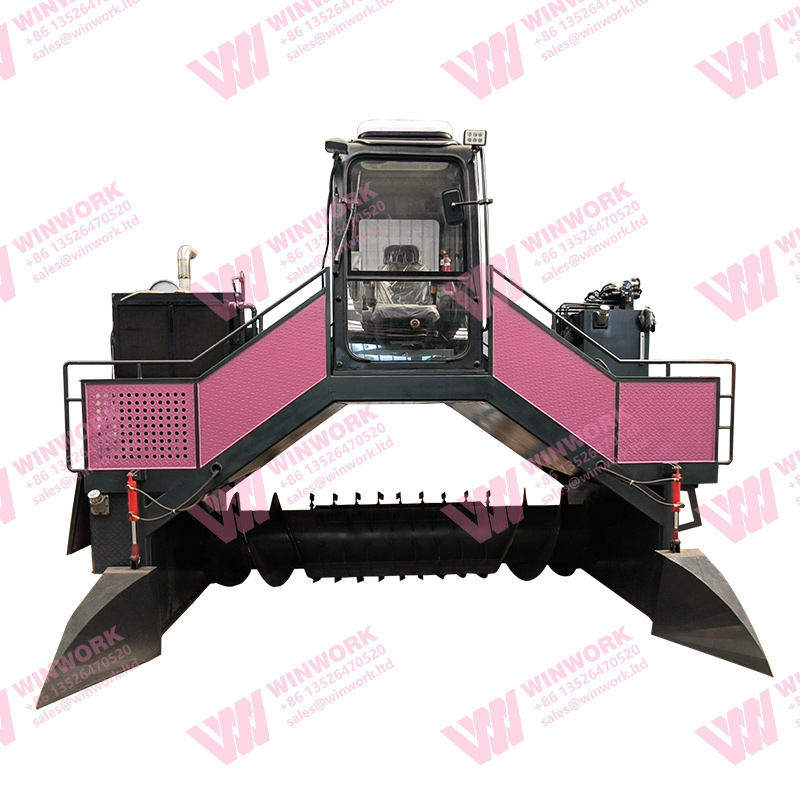
Crawler-compost-turner
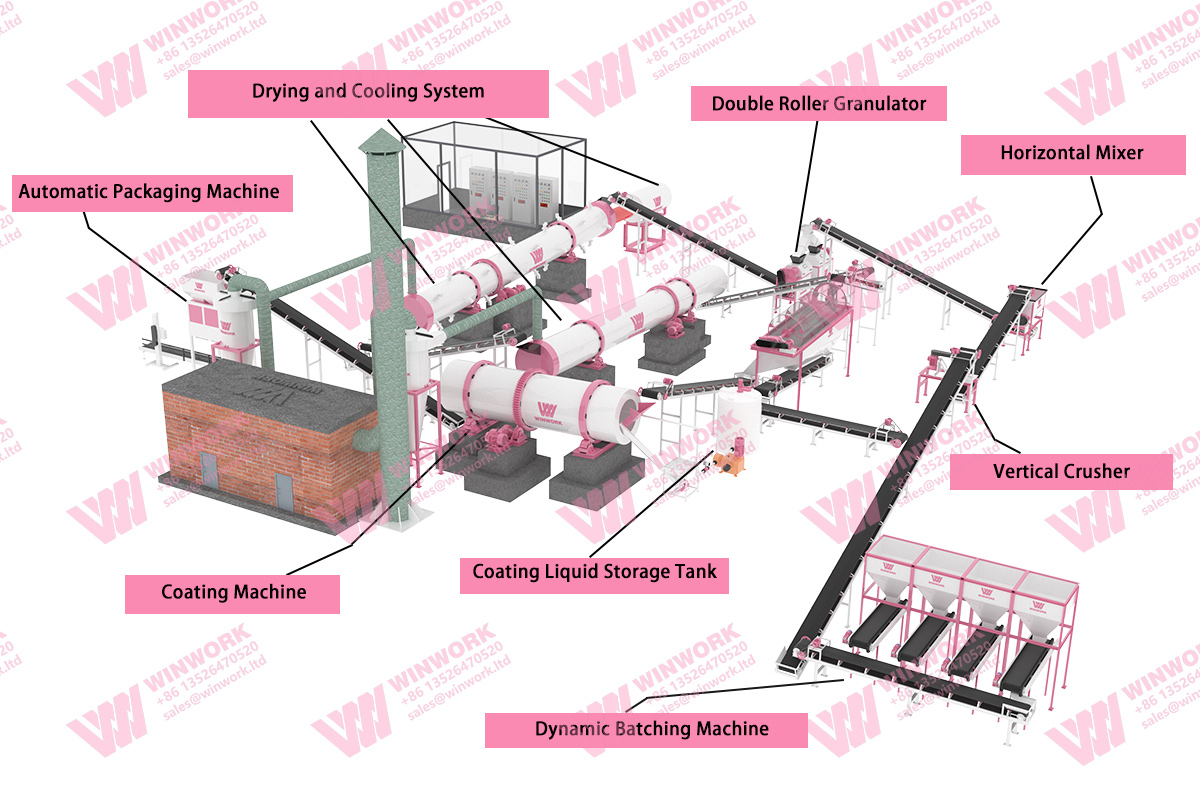
Vertical crusher can crush the harder ore materials, is widely used in compound fertilizer production line and npk fertilizer production line.
Vertical crusher is a kind of high-efficiency and energy-saving crushing equipment, specially designed for all kinds of medium and low hardness materials, widely used in mining, chemical industry, cement, building materials and other industries. The equipment has a compact structure, covers an area of small, simple operation, easy maintenance, with a large ratio of crushing, low energy consumption, uniformity of the material size and other characteristics. Vertical crusher is especially suitable for fine crushing of brittle materials, which is the ideal choice for realizing efficient pulverizing operation.
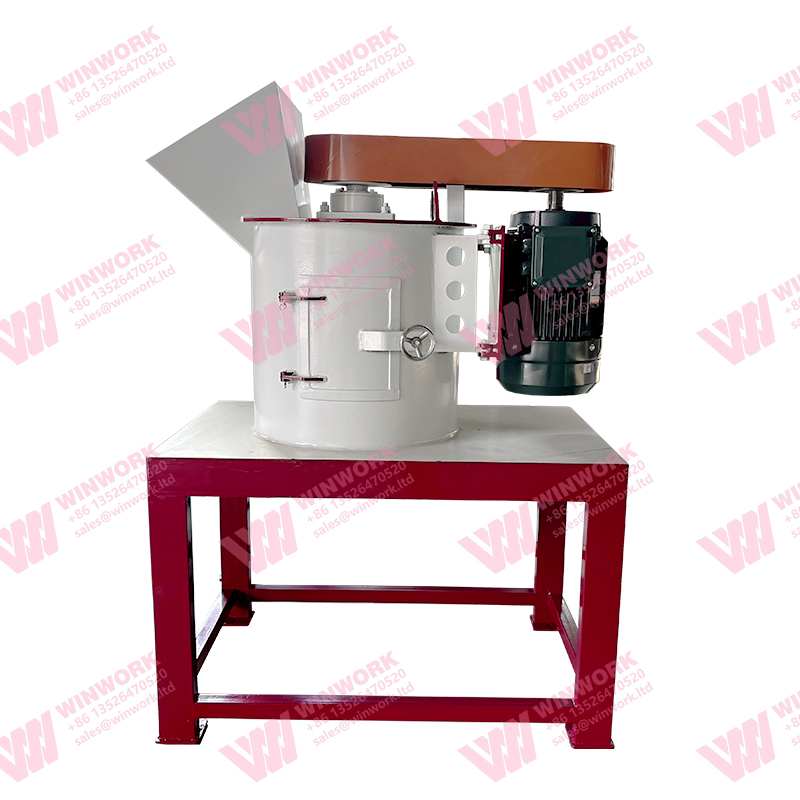
vertical-crusher
Moisture Monitors
One of the simplest yet most important pieces of compost technology is moisture monitoring. The perfect compost pile is like a wrung-out sponge—not dripping wet, but holding plenty of water. Too dry and microbes go dormant; too wet and you create anaerobic conditions.
Temperature Sensors
Heat is your friend in compost technology. As microbes work their magic, they generate heat, raising temperatures to 130-160°F. This kills weed seeds, pathogens, and fly larvae. Digital probes let you track temperature throughout the pile, ensuring you hit the “thermophilic” zone where decomposition really takes off.
The rotary screener is a commonly used equipment in compound fertilizer production. It is mainly used to separate finished products from returned materials. It can also achieve the classification of finished products and make the finished products evenly graded. The rotary screen has been widely used in the field of material screening due to its high screening efficiency, simple operation and convenient maintenance.
The Composting Technology Process Step-by-Step
Step 1: Collection and Preparation
Gather your raw materials and run them through a shredder. This initial processing is where smart composting technology begins—proper sizing sets you up for success.
Step 2: Building the Pile
Create windrows (long, narrow piles) or load materials into a vessel system. The key is layering—alternate greens and browns, watering each layer. This structure ensures even decomposition.
Step 3: Active Composting
This 4-12 week phase is where composting technology shines. Regular turning (every 2-7 days) maintains oxygen levels and temperature. Your pile should steam on cold mornings—that’s microbial activity at work!
Step 4: Curing
After active composting, let the material rest for 1-3 months. This curing phase allows microbes to stabilize the compost, resulting in a product that won’t burn plants or rob nitrogen from soil.
Step 5: Screening and Storage
Run the cured compost through a screen, bag it, or store it in piles. Proper storage protects your investment in composting technology from weather damage.
Real-World Benefits of Composting Technology
Farmers using modern composting technology report amazing results. Soil structure improves dramatically—water drains better, roots penetrate deeper, and earthworms multiply. Crops show increased vigor and disease resistance. Plus, you’re keeping tons of waste out of landfills while creating a product you’d otherwise buy at $30-50 per cubic yard.
FAQ
Q1: Can I use just leaves for composting technology?
A: Leaves are great carbon sources, but you’ll need nitrogen boosters like manure or food scraps. Pure leaf compost takes forever and lacks balanced nutrition.
Q2: How often should I turn the compost pile?
A: With standard composting technology, turn every 3-7 days during active decomposition. Less frequent turning extends the process; more frequent turning speeds it up.
Q3: Why does my compost smell bad?
A: Usually too much nitrogen or insufficient oxygen. Add carbon materials (straw, sawdust) and increase turning frequency. Proper composting technology prevents anaerobic conditions.
Q4: Can I compost diseased plant material?
A: High-temperature composting technology (130°F+) kills most pathogens. However, some hardy spores survive, so avoid composting materials with serious fungal diseases.
Q5: How do I know when composting is complete?
A: Finished compost is dark brown, crumbly, and smells earthy. Original materials shouldn’t be recognizable, and the pile should cool to ambient temperature.
Q6: Do I need permits for composting technology operations?
A: Small-scale operations typically don’t require permits. Larger facilities may need environmental compliance. Check local regulations before investing heavily in composting technology.
Q7: Can composting technology handle meat and dairy scraps?
A: Generally no—these attract rodents and create odor problems. Stick to plant matter and manure for successful home-scale composting technology.
Q8: How much space do I need for composting technology?
A: Plan for 100-150 square feet per ton of annual capacity. Windrow systems need less space than vessel-based composting technology.
Q9: What’s the electricity cost for running composting technology equipment?
A: Most equipment runs intermittently. A typical operation might use $50-200 monthly in electricity, depending on scale and automation level.
Q10: Can I sell compost made with this technology?
A: Absolutely! Many farmers offset equipment costs by selling finished compost. Just ensure consistent quality and consider organic certification for premium pricing.
Conclusion
Composting technology has evolved from primitive piles to sophisticated systems that deliver predictable, high-quality results. Whether you’re a backyard gardener tired of buying expensive bags of compost or a farmer looking to turn waste into profit, modern composting technology makes it achievable. The equipment pays for itself quickly when you consider the value of transformed waste and improved soil health. By embracing these proven methods, you’re not just managing waste—you’re participating in one of agriculture’s oldest and most important recycling systems, now supercharged with smart composting technology.
For more details, please feel free to contact us.
Email: sales@lanesvc.com
Contact number: +8613526470520
Whatsapp: +8613526470520
Get A Quote