

Introduction
For decades, the formula for farming was simple: buy seeds, buy fertilizer, grow crops, and sell them. But today, with chemical fertilizer prices hitting record highs and environmental regulations tightening, that model is cracking. The new solution isn’t about buying more; it’s about making more from what you already have. The answer lies in how composting technology helps green farming and cost optimization. This isn’t just about making dirt; it’s about strategically recycling your farm’s waste to build a more profitable and resilient operation.
What Exactly Is This Composting Technology?
When we say composting technology helps green farming and cost optimization, we aren’t talking about just piling up manure and hoping for the best. Modern composting technology involves using specific machinery—like shredders, mixers, and turners—to control the decomposition process scientifically. It’s about creating the perfect environment for microbes to break down organic waste (manure, straw, food scraps) into a stable, nutrient-rich fertilizer. This technological approach is what separates a smelly eyesore from a valuable, odor-controlled asset.
The Core Strategy: Achieving Self-Sufficiency Through Cycles
The most significant way composting technology helps green farming and cost optimization is by closing the loop on the farm. Instead of paying to haul away manure and then paying again to buy chemical fertilizers, you create a circular system:
Waste Generation: Your animals produce manure; your fields produce straw. This is how composting technology helps green farming and cost optimization.
Processing: You use composting technology to turn that waste into high-quality organic fertilizer.
Application: You apply that fertilizer back to your own crops.
Result: Your soil gets healthier, your input costs plummet, and your farm moves toward complete self-sufficiency. This is how composting technology helps green farming and cost optimization.
Step-by-Step: How Composting Technology Works Its Magic
Step 1: The Shred and Mix Phase
You can’t just throw a pile of straw and manure together and expect results. The first step in making sure composting technology helps green farming and cost optimization is size reduction. You need a High-Speed Hammer Mill or Crusher. This machine chews up tough straw, corn stalks, and even wood chips into small, digestible pieces. You then mix this “brown” carbon source with the “green” nitrogen source (manure) in a Horizontal Mixer. This ensures the microbes have a balanced diet. This is how composting technology helps green farming and cost optimization.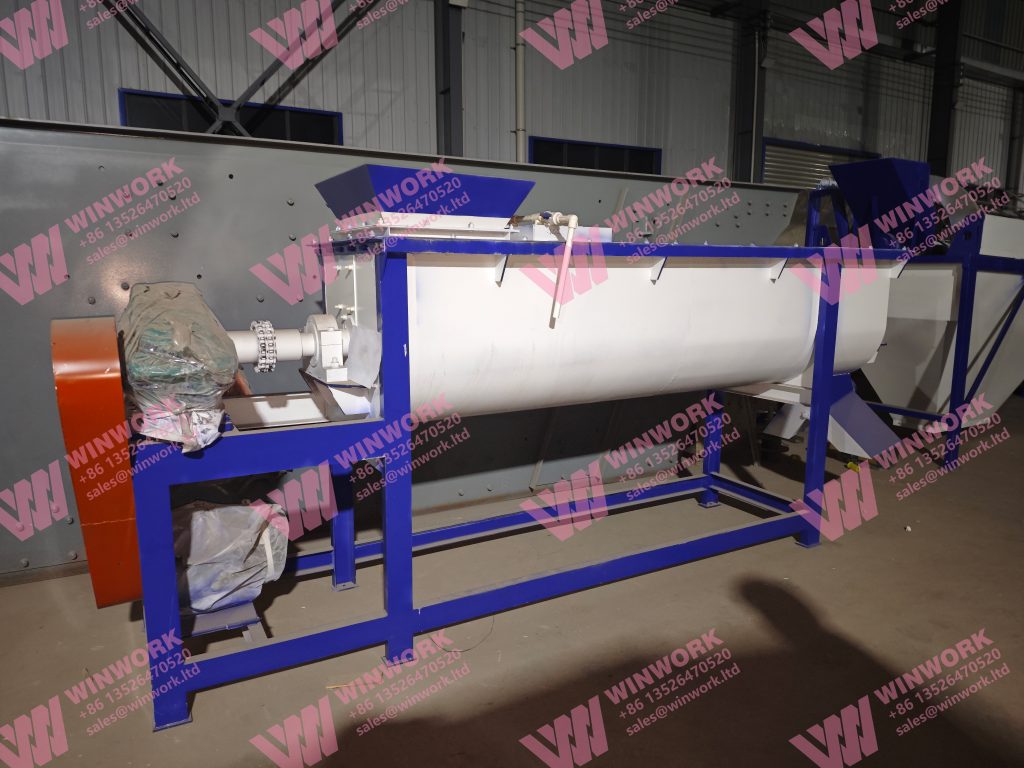
Step 2: The Windrow Turning Phase
This is where the magic happens. You form the mixture into long piles (windrows) and run a Compost Turner through them. This machine is the heart of the system. It lifts, flips, and re-aerates the pile, generating the heat necessary to kill weed seeds and pathogens. This is how composting technology helps green farming and cost optimization—by sanitizing the waste and speeding up the process from a year to just a few weeks. This is how composting technology helps green farming and cost optimization.
Step 3: The Curing and Pelletizing Phase
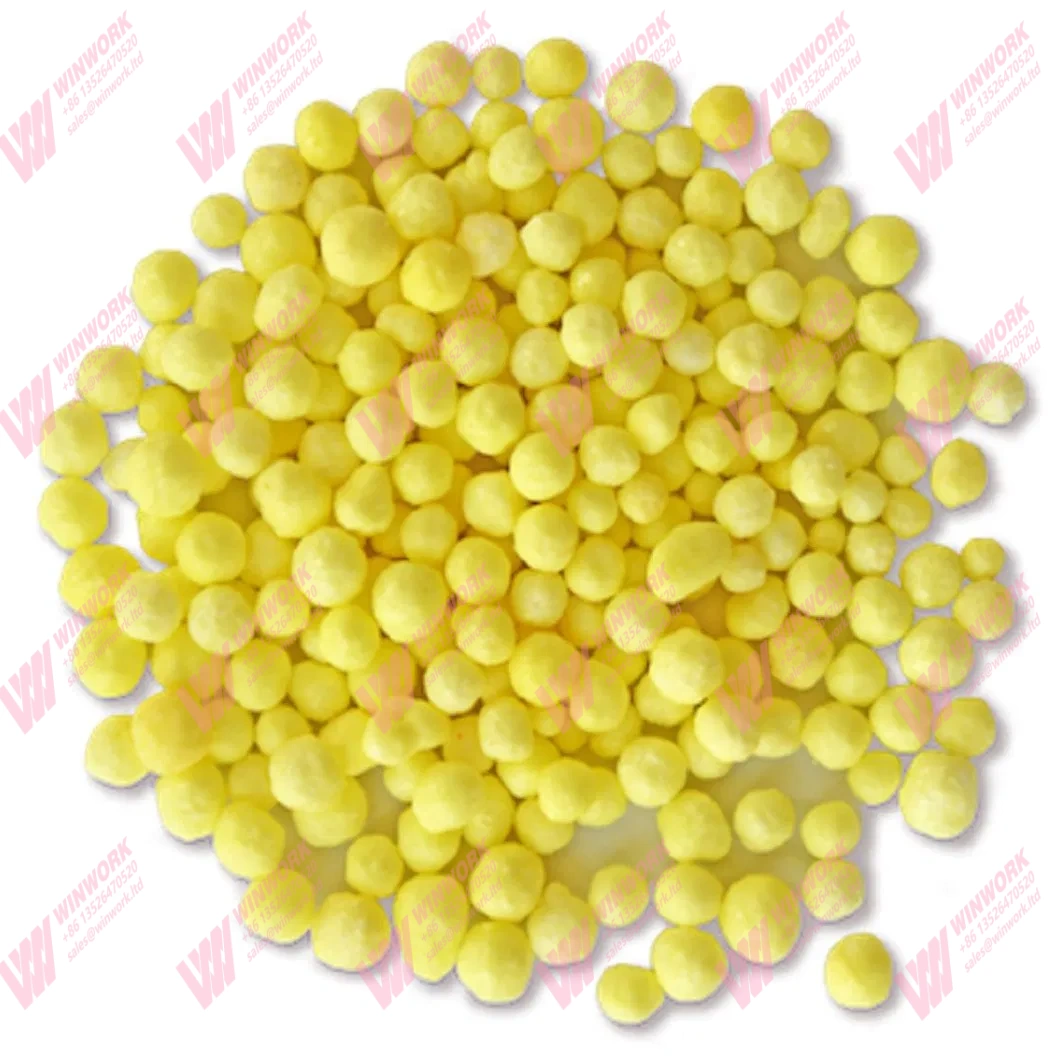
After the hot phase, the material cures into a rich humus. To maximize profits, you can feed this finished compost into a Flat Die Pelletizer. This machine presses the fluffy compost into hard, uniform pellets. Pellets are easier to bag, transport, and sell at a premium price. This final step is crucial for farmers who want to prove that composting technology helps green farming and cost optimization on the balance sheet.
Essential Equipment to Get Started
You don’t need a massive factory to start. Here are the key pieces of gear:
Solid-Liquid Separator: To dewater manure before composting.
Hammer Mill Crusher: To shred straw and crop residues.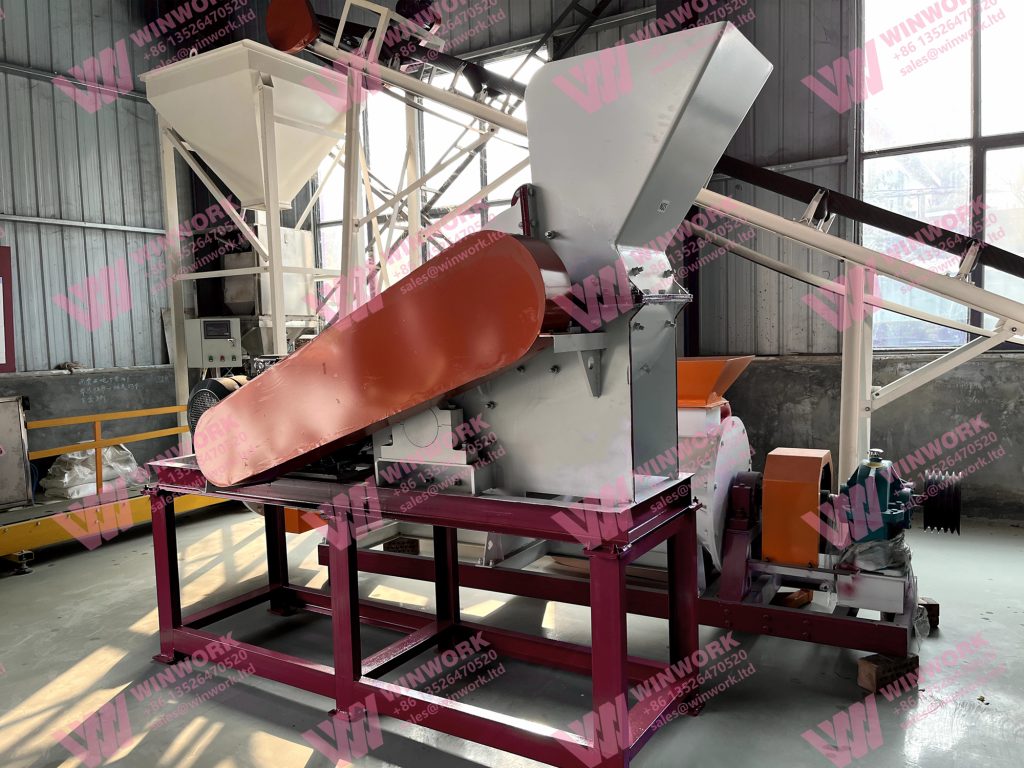
Self-Propelled Compost Turner: The workhorse that aerates the piles.
Rotary Dryer (Optional): To dry compost quickly before pelleting.
Flat Die Pellet Machine: To create market-ready fertilizer pellets.
Case Study
The Johnsons run a 50-cow dairy farm. They were spending $350 a month on chemical fertilizers for their feed crops and paying another $200 a month to have manure hauled away. They decided to invest $15,000 in a small-scale composting system, betting that composting technology helps green farming and cost optimization.
Within six months, they completely eliminated their fertilizer purchases. Within a year, they were selling excess pellets to local vineyards for $180 a ton. Their annual savings and new income totaled over $8,000. “It was the best investment we ever made,” says Robert Johnson. “It cleaned up the farm and put money back in our pockets.”
FAQ: Your Questions About How Composting Technology Helps Green Farming
Q1: Is this really cheaper than buying fertilizer?
A: Absolutely. While there is an initial equipment cost, the raw material,manure, straw is free. The long-term savings on synthetic fertilizers are massive, which is why composting technology helps green farming and cost optimization succeed financially.
Q2: Does the compost smell bad?
A: If done correctly, no. Proper aeration from the compost turner prevents the anaerobic (smelly) conditions. The final product smells earthy and clean.
Q3: How long does it take to make fertilizer?
A: With modern machinery, the active composting phase takes only 15-20 days. Curing takes another 30 days. This speed is a key advantage of using technology.
Q4: Can small farms use this technology?
A: Yes! There are small, affordable turners and shredders designed specifically for farms with 10-50 animals. The principles of composting technology helps green farming and cost optimization apply to any scale.
Q5: What if my compost pile doesn’t heat up?
A: Usually, this is a sign of incorrect Carbon-Nitrogen ratio or lack of moisture. Add more manure (N) or water, and run the turner again.
Q6: Do I need a special license to sell the fertilizer?
A: For small-scale, local sales, regulations are often minimal. However, it’s always wise to check with your local Department of Agriculture.
Q7: Can I compost materials other than manure?
A: Yes! Food waste, yard trimmings, and crop residues all work perfectly with this system.
Q8: Is the equipment hard to maintain?
A: Most modern compost turners and shredders are built for rugged farm use. Basic maintenance like lubricating bearings and sharpening blades is all that’s required.
Q9: How does this help the environment?
A: By recycling waste on-site, you prevent water pollution from manure runoff and reduce methane emissions from decomposing waste in landfills.
Q10: What is the first step I should take?
A: Calculate how much manure and crop residue you produce. This will determine the size of the equipment you need to ensure composting technology helps green farming and cost optimization for your specific operation.
Conclusion
The days of viewing manure and straw as waste problems are over. It’s time to see them for what they are: the building blocks of a more profitable and sustainable farm. By investing in the right machinery, any farmer can prove that composting technology helps green farming and cost optimization. It reduces your dependence on expensive external inputs, creates a valuable new product, and builds healthier soil for the future. The cycle is simple, the technology is proven, and the financial rewards are clear. Start turning your trash into treasure today.
For more details, please feel free to contact us.
Email: sales@lanesvc.com
Contact number: +8613526470520
Whatsapp: +8613526470520
Get A Quote