

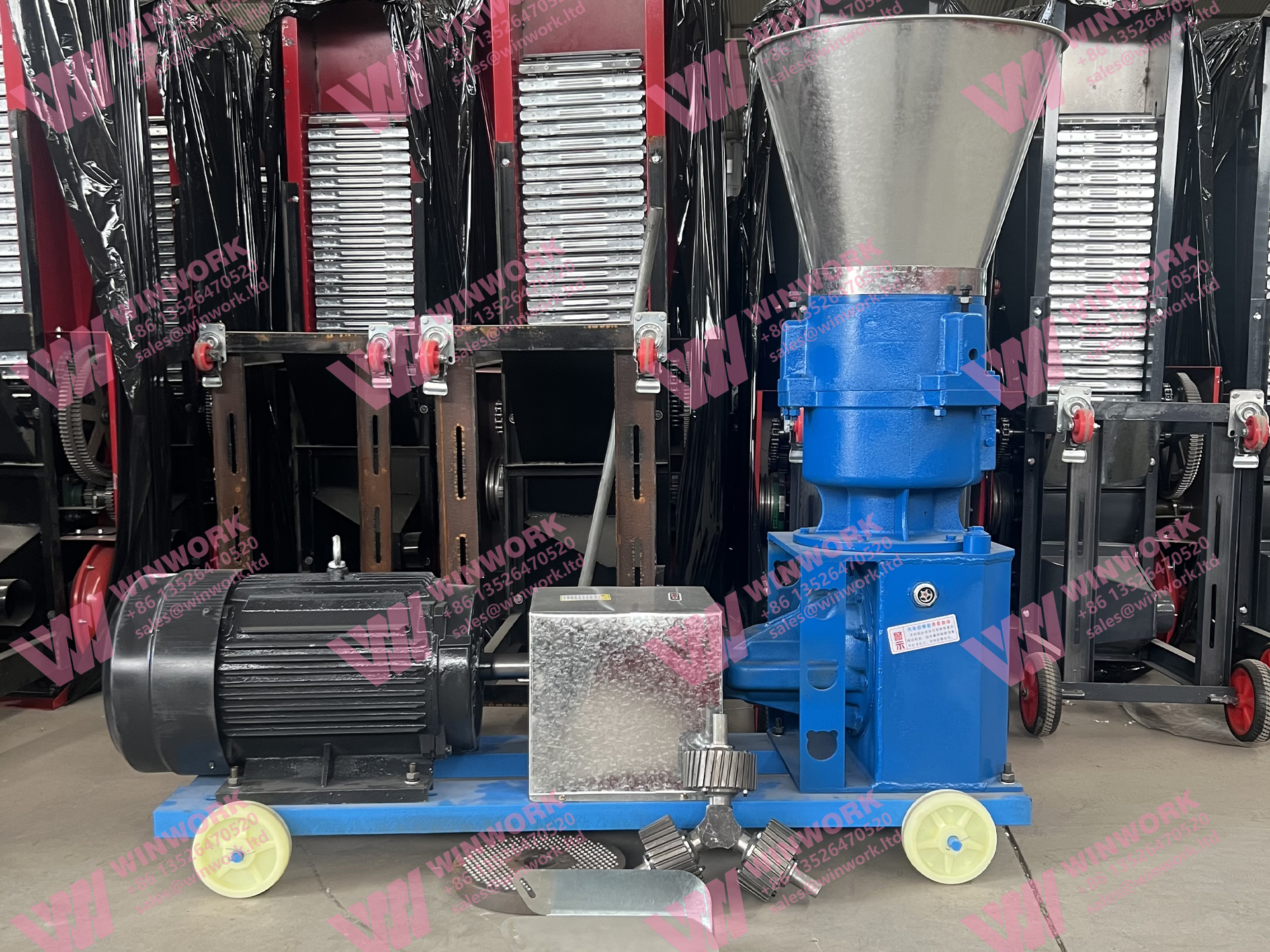
The global agricultural industry relies heavily on fertilizers to enhance soil fertility and ensure optimal crop yield. Among the various types of fertilizers, compound fertilizers are particularly popular due to their balanced combination of essential nutrients like nitrogen, phosphorus, and potassium. The compound fertilizer granulation machine plays a pivotal role in the production of these fertilizers, transforming raw materials into granules that are easier to handle, store, and apply.
In this article, we’ll explore the importance of the compound fertilizer granulation machine in the fertilizer manufacturing process, the types of granulators available, and how these machines help improve efficiency, reduce costs, and ensure high-quality fertilizer production. Whether you’re a manufacturer looking to invest in new equipment or a supplier seeking insights into fertilizer production technology, understanding the role of the granulation machine is crucial.
What is a Compound Fertilizer Granulation Machine?
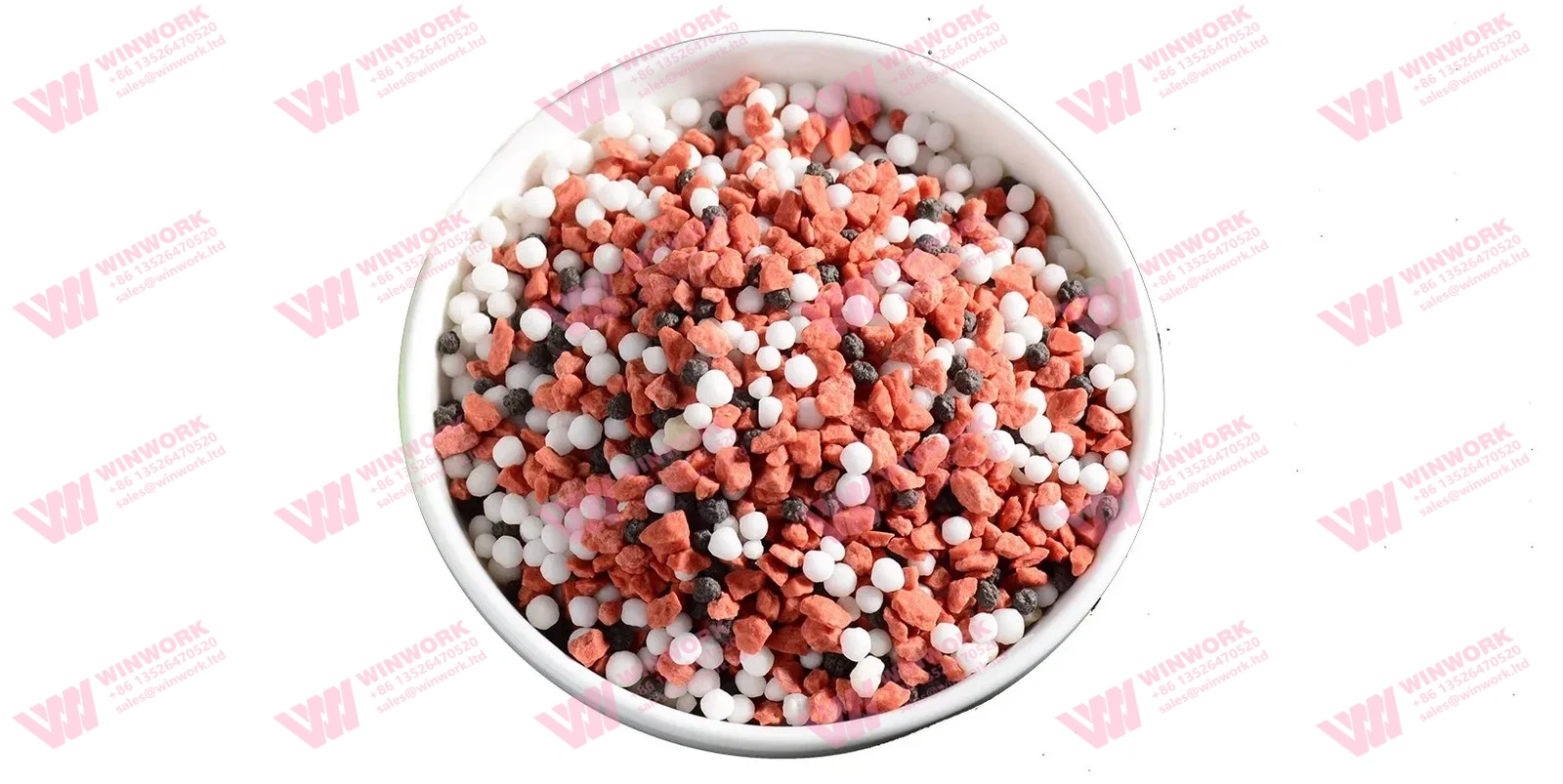
A compound fertilizer granulation machine is designed to convert a mixture of raw materials, including nitrogen, phosphorus, potassium, and other nutrients, into uniform, solid granules. These granules are then used in agricultural applications to promote soil fertility and boost crop yields.
Granulation is a critical process in fertilizer production because it not only ensures uniform nutrient distribution but also enhances the solubility and stability of the fertilizer. Granulated fertilizers are easier to transport, store, and apply compared to powdered forms, and they reduce nutrient loss due to leaching.
Why is Granulation Important in Fertilizer Production?
The granulation process is crucial for several reasons:
Improved Handling and Storage: Granules are easier to handle, store, and transport than powdery fertilizers, reducing the likelihood of spills, dust, and contamination during handling.
Consistent Nutrient Release: Granulated fertilizers release nutrients more evenly and consistently, promoting better plant growth and reducing the risk of nutrient burn.
Enhanced Solubility: Granulation enhances the solubility of fertilizers, ensuring faster nutrient absorption by plants.
Reduction of Dust and Waste: Granulation minimizes the amount of dust produced during fertilizer application, ensuring better efficiency and environmental protection.
Better Control of Fertilizer Composition: Granulation machines provide a more controlled and precise method of combining raw materials, leading to a uniform and high-quality final product.
Types of Compound Fertilizer Granulation Machines
There are several types of compound fertilizer granulation machines, each designed to meet specific production needs. The most common types are:
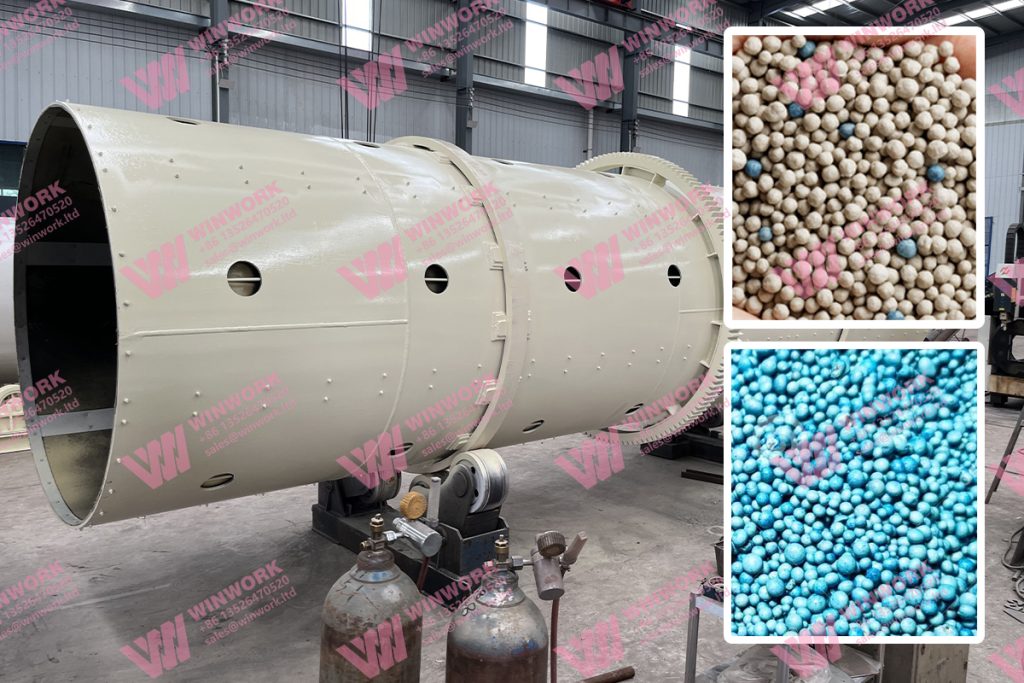
The rotary drum granulator is one of the most commonly used machines in compound fertilizer production. It works by rotating a large drum, where raw materials are mixed, granulated, and dried continuously. This machine is known for its capacity to handle large-scale production and produce high-quality granules.
Advantages:
- High capacity, suitable for large-scale production
- Robust design and durable operation
- Produces uniform granules with consistent size
Disadvantages:
- High energy consumption, especially for larger models
- Requires significant maintenance to maintain granulation quality
- Large footprint, requiring ample space
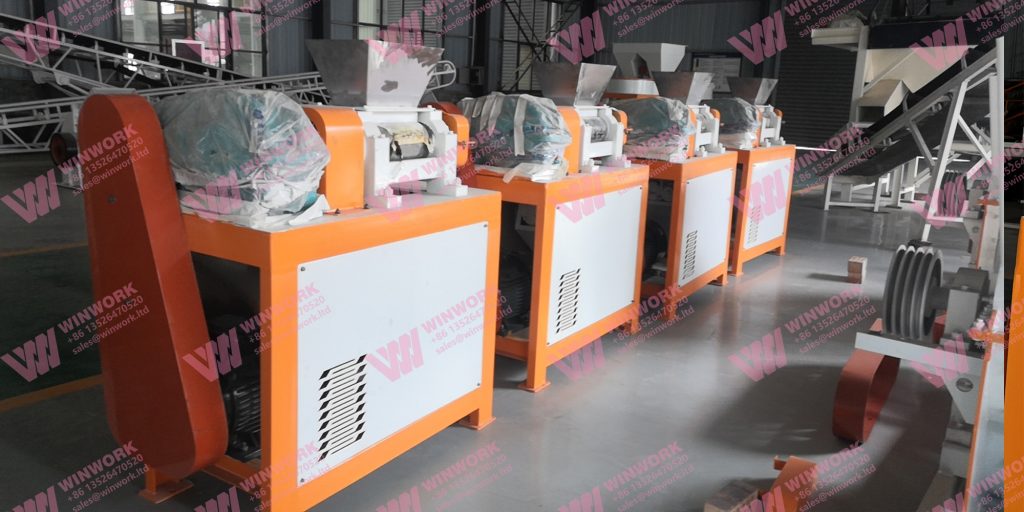
The double roller granulator uses the principle of extrusion to form compound fertilizer granules. By pressing raw materials between two rollers, it compacts and forms granules without requiring additional heat. This process is ideal for producing high-density fertilizers, such as those containing a high percentage of potassium.
Advantages:
- Produces high-density granules without the need for drying
- Minimal energy consumption compared to rotary drum granulators
- Suitable for fertilizers requiring compact granules
Disadvantages:
- Lower output capacity compared to rotary drum granulators
- Granules can have irregular shapes
- Limited to certain types of materials and fertilizer formulas

The disc granulator, also known as a pan granulator, is another popular machine for producing compound fertilizer granules. It uses a rotating disk to agglomerate raw materials into spherical granules. The materials are moistened and mixed in the disc, then rolled into granules.
Advantages:
- Simple structure with low energy consumption
- Easy maintenance and operation
- Suitable for small to medium production volumes
Disadvantages:
- Lower capacity compared to rotary drum granulators
- Granule size may vary, resulting in less uniformity
- Requires more frequent attention during operation
The vertical ring die granulator is a type of extrusion granulator that forces raw materials through a vertical ring die under high pressure. This machine is ideal for producing dense and uniform granules, which dissolve quickly in soil.
Advantages:
- Produces high-density, uniform granules
- Minimal energy consumption and no drying needed
- Ideal for fine materials and small-scale production
Disadvantages:
- Limited production capacity compared to rotary drum granulators
- Requires careful control of material feed rates to avoid clogging
- Horizontal Ring Die Granulator
The horizontal ring die granulator operates similarly to the vertical ring die granulator but on a horizontal axis. This machine compresses raw materials through rotating rollers and forms granules using a horizontal die. It is suitable for medium to large production lines and can handle a wide variety of raw materials.
Advantages:
- Suitable for a wide range of raw materials and production scales
- High efficiency and energy-saving
- Can produce high-density granules with consistent size
Disadvantages:
- Larger footprint, requiring more space than other machines
- Higher initial investment compared to smaller granulators
Benefits of Using a Compound Fertilizer Granulation Machine
Investing in a compound fertilizer granulation machine offers numerous benefits for fertilizer manufacturers, including:
Enhanced Product Quality: Granulation ensures that fertilizers are of uniform size and nutrient content, leading to better performance and effectiveness in the field.
Higher Production Efficiency: Granulation machines can produce large quantities of fertilizer granules quickly and consistently, reducing production time and labor costs.
Reduced Material Waste: Granulation minimizes material waste by ensuring that all raw materials are used effectively and efficiently.
Cost Savings: By improving production efficiency and reducing waste, manufacturers can save on both raw material costs and energy consumption.
Improved Market Competitiveness: Granulated fertilizers are more popular in the market due to their ease of use and effective nutrient delivery. Having a high-quality granulation machine allows manufacturers to meet market demand and stay competitive.
How to Choose the Proper Compound Fertilizer Granulation Machine
Choosing the right compound fertilizer granulation machine is essential for optimizing fertilizer production and ensuring high-quality output. Here are a few key factors to consider when selecting the best machine for your needs:
- Assess Your Production Capacity
The first thing to consider is your production capacity. If you need to produce large quantities of fertilizer, a rotary drum granulator is ideal due to its high throughput. For smaller or medium-scale operations, machines like the disc granulator or double roller granulator may be more suitable as they require less space and energy.
- Consider Energy Efficiency and Operational Costs
Energy consumption can be a major cost factor in fertilizer production. Machines such as the double roller granulator are more energy-efficient as they don’t require drying or high energy input. On the other hand, larger machines like the rotary drum granulator may have higher operational costs due to additional steps like drying and cooling.
- Evaluate Maintenance and Durability
Select a granulator with low maintenance requirements to minimize downtime and reduce long-term costs. Double roller granulators and disc granulators typically have simpler designs with fewer moving parts, making them easier to maintain. If durability is a top priority and you plan to run your production continuously, the rotary drum granulator may be a better option, despite its higher maintenance needs.
- Match the Machine to Your Raw Materials
The type of fertilizer and raw materials you’re using also play a key role in choosing the right granulation machine. If you’re producing fertilizers with high-density materials, like potassium, a double roller granulator works best. For more standard compound fertilizers, a disc granulator or rotary drum granulator will be more effective in ensuring uniform granule formation.
Maintenance and Care for a Compound Fertilizer Granulation Machine
Proper maintenance and care are essential for ensuring the longevity and efficient operation of the compound fertilizer granulation machine. Here are a few tips for maintaining your machine:
Regular Cleaning: Clean the machine regularly to prevent dust accumulation, which can affect the granulation process and cause mechanical failures.
Lubrication: Proper lubrication of moving parts helps reduce wear and tear, ensuring smooth operation and reducing the risk of breakdowns.
Inspection and Calibration: Periodically inspect the machine’s components, such as the rollers, or drum, and calibrate the equipment to maintain product consistency and efficiency.
Monitoring Output: Monitor the output of the machine regularly to ensure that the granules meet the desired size and quality specifications.
Frequently Asked Questions About Compound Fertilizer Granulation Machine
- What is a compound fertilizer granulation machine?
A compound fertilizer granulation machine is used to convert raw materials into uniform granules that are easy to store, handle, and apply as fertilizers.
- How does a compound fertilizer granulation machine work?
It mixes raw materials with moisture and uses mechanical or extrusion force to form granules, which are then dried, cooled, and screened.
- What types of granulation machines are there?
Common types include rotary drum granulators, disc granulators, double roller granulators, and so on, each suitable for different production scales and materials.
- How do I choose the right granulation machine?
Consider your production scale, raw materials, and energy efficiency needs to select the most suitable granulation machine for your operation.
- What maintenance is required for these machines?
Regular maintenance includes cleaning, lubrication, and part inspection, with more frequent attention needed for machines like rotary drum granulators due to their complexity.
Conclusion
The compound fertilizer granulation machine is a critical piece of equipment in the fertilizer production process. It ensures that fertilizers are produced in the most efficient, cost-effective, and high-quality manner. By understanding the different types of granulation machines and how they work, manufacturers can make informed decisions about their fertilizer production lines.
Whether you are starting a new fertilizer plant or looking to upgrade existing equipment, investing in a high-quality granulation machine will increase production efficiency, reduce waste, and ensure the production of high-quality compound fertilizers. With the right machine and proper maintenance, manufacturers can enjoy long-term benefits, including higher profits, lower operational costs, and a more competitive position in the marketplace.
For more details, please feel free to contact us.
Email: sales@lanesvc.com
Contact number: +86 13526470520
Whatsapp: +86 13526470520
Get A Quote