

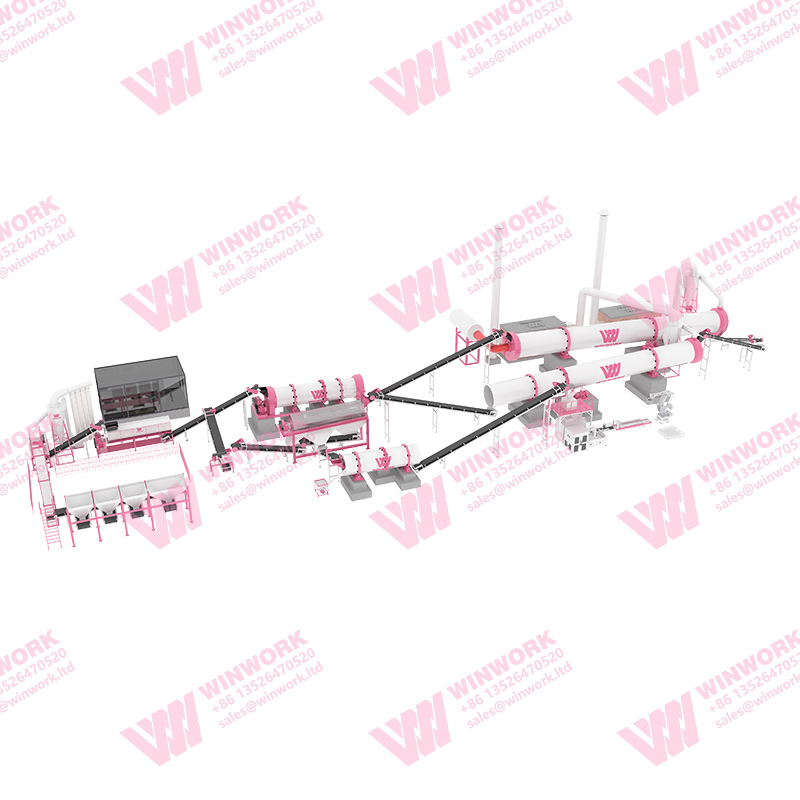
In modern fertilizer manufacturing, efficiency, product consistency, and process stability are no longer optional—they are decisive competitive factors. Among all production variables, the compound fertilizer process flow plays a central role in determining output quality, operating cost, and long-term equipment reliability.
Unlike single-nutrient fertilizers, compound fertilizers involve multiple raw materials, complex reactions, and strict control over granule strength and nutrient distribution. A well-designed compound fertilizer process flow ensures that each stage—from raw material handling to final packaging—operates in coordination rather than isolation.
This article provides a practical, equipment-oriented explanation of the compound fertilizer process flow, highlighting key processing stages, commonly used machinery, and engineering considerations that help fertilizer manufacturers achieve stable and scalable production.
What Is a Compound Fertilizer Process Flow?
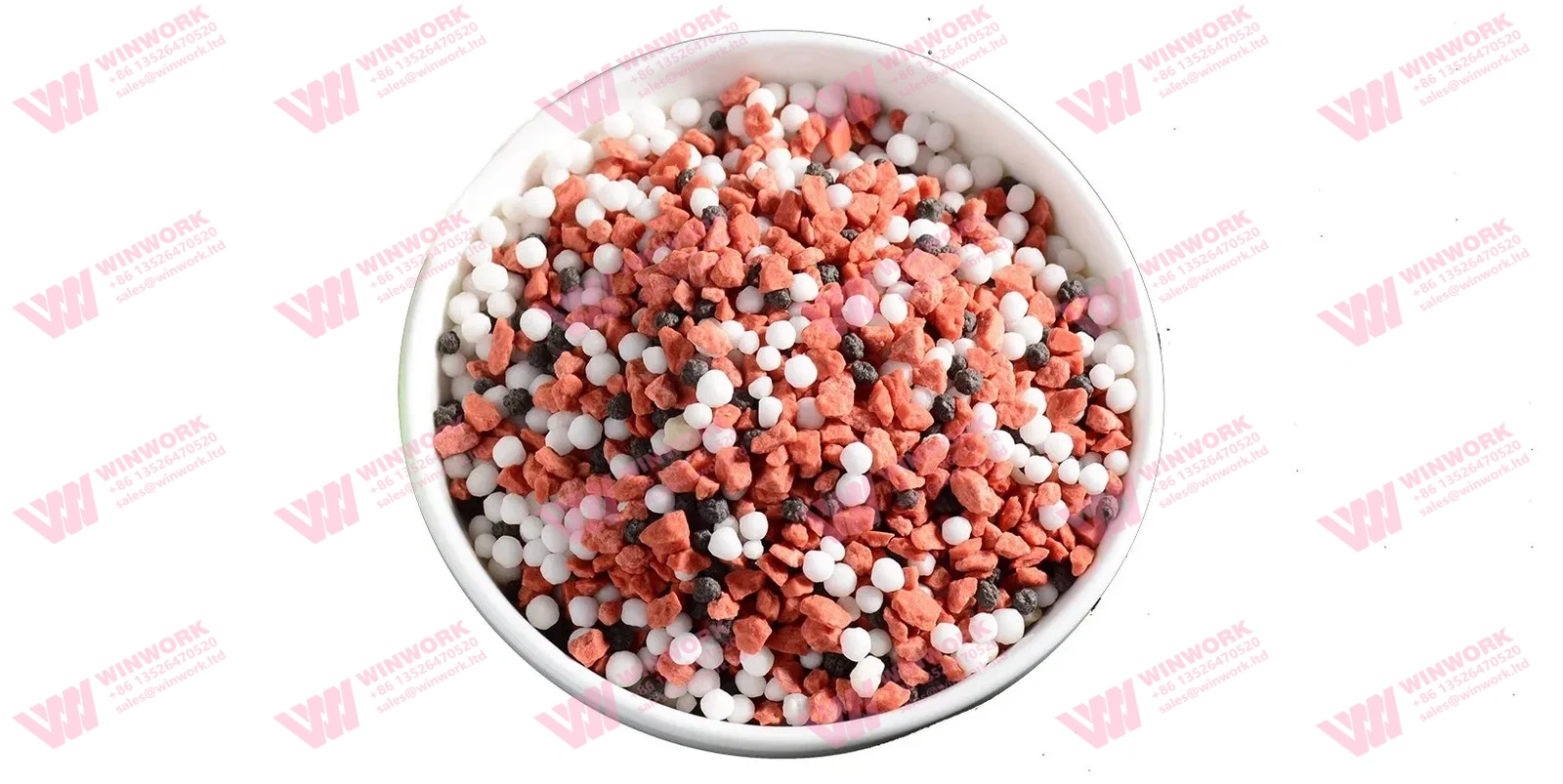
A compound fertilizer process flow refers to the complete sequence of material handling, processing, forming, drying, cooling, and packaging operations used to manufacture fertilizers containing two or more primary nutrients (typically nitrogen, phosphorus, and potassium).
Rather than being a fixed formula, the compound fertilizer process flow is a structured production logic. It defines:
- How raw materials enter the system
- How materials are mixed and reacted
- How granules are formed and strengthened
- How moisture, temperature, and particle size are controlled
A clear and well-matched process flow reduces waste, improves nutrient uniformity, and allows equipment to operate within optimal ranges.
Why Process Flow Design Matters More Than Individual Machines
Many fertilizer plants focus heavily on selecting high-capacity equipment while underestimating the importance of process flow coordination. In reality, even advanced machines cannot compensate for a poorly designed compound fertilizer process flow.
When material flow is unbalanced, common problems occur:
- Granulation instability due to inconsistent feed
- Excessive dust caused by over-crushing or improper drying
- Bottlenecks between drying, cooling, and screening
- Increased energy consumption and maintenance frequency
A properly engineered compound fertilizer process flow aligns material characteristics, equipment capacity, and operating parameters into a continuous, predictable system.
Overview of a Standard Compound Fertilizer Process Flow
Although configurations vary by formulation and capacity, most compound fertilizer plants follow a similar logical structure. A typical compound fertilizer process flow includes the following stages:
- Raw material preparation
- Crushing and size adjustment
- Proportioning and batching
- Mixing and conditioning
- Granulation or agglomeration
- Drying
- Cooling
- Screening, recycling, and packaging
Each stage supports the next, and disruptions at any point affect final product quality.
Stage 1: Raw Material Preparation
Raw material preparation is the starting point of the compound fertilizer process flow. Common raw materials include urea, ammonium sulfate, ammonium phosphate, potassium chloride, potassium sulfate, and various fillers or additives.
Materials are typically delivered in bulk or bags and stored in separate bins or silos. Stable feeding systems ensure continuous material supply and prevent sudden fluctuations that could disrupt downstream processes.
Proper preparation at this stage reduces variability and improves overall process stability.
Stage 2: Crushing and Size Adjustment
Many fertilizer raw materials arrive as lumps or irregular particles. Crushing ensures that all components meet size requirements before mixing and granulation.
Common equipment used at this stage includes:
- Chain crushers
- Cage crushers
- Hammer crushers
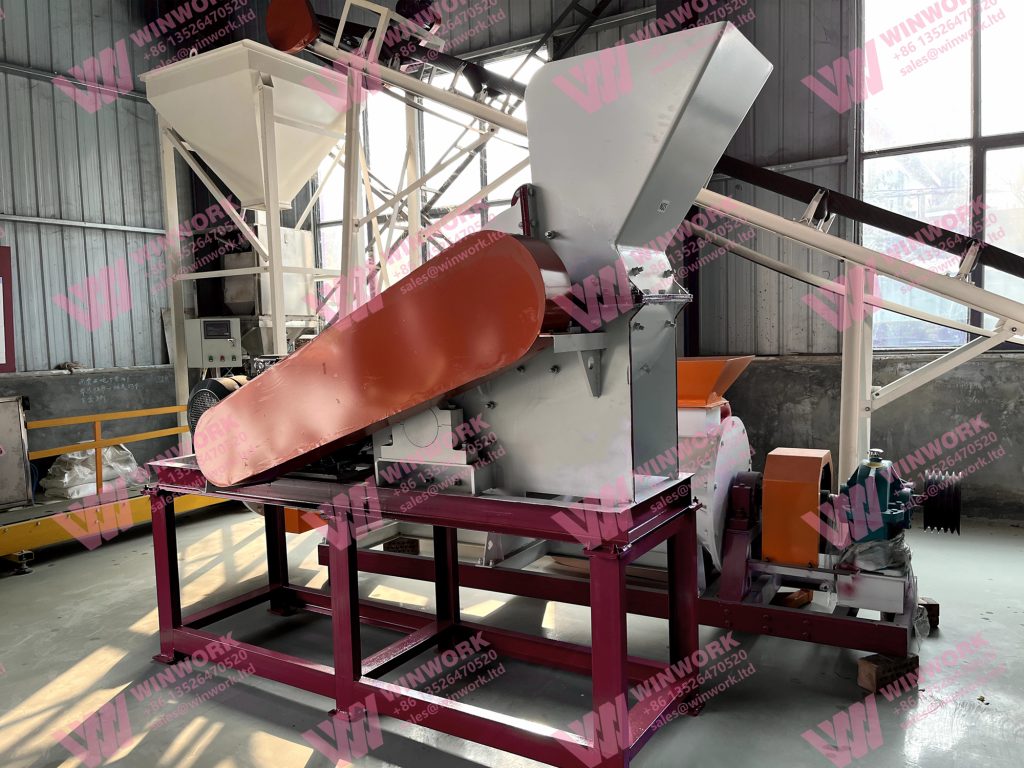
In the compound fertilizer process flow, uniform particle size improves mixing efficiency and promotes even granule formation. Oversized materials often lead to weak granules or uneven nutrient distribution.
Stage 3: Proportioning and Batching
Accurate batching is essential for achieving the target nutrient ratio in compound fertilizers. Each raw material is weighed and fed according to the formulation design.
Batching systems may include:
- Belt scales
- Electronic weighing hoppers
- Automated dosing systems
Inconsistent proportioning directly affects fertilizer grade accuracy, making this stage a critical control point in the compound fertilizer process flow.
Stage 4: Mixing and Conditioning
After batching, materials enter the mixing stage. The objective is to achieve uniform distribution of nutrients, moisture, and additives.
Common mixing equipment includes:
- Horizontal mixers
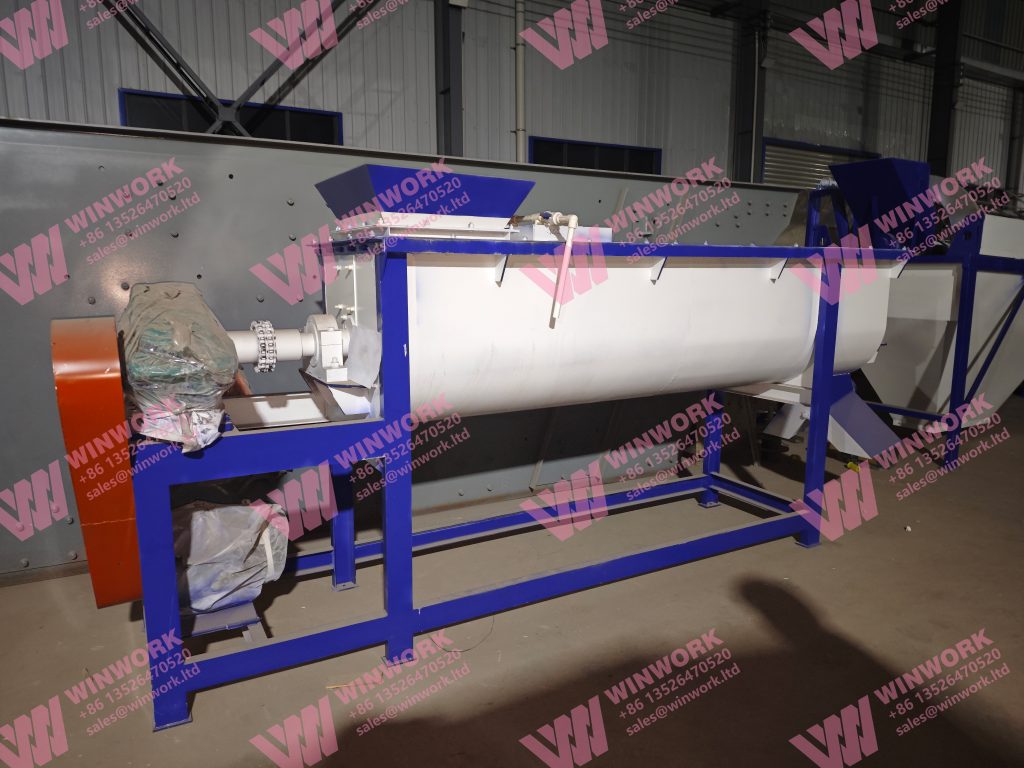
- Double-shaft mixers
- Disc mixers
In many compound fertilizer process flow designs, water, steam, or liquid binders are added during mixing to adjust moisture and improve granulation performance.
Stage 5: Granulation or Agglomeration
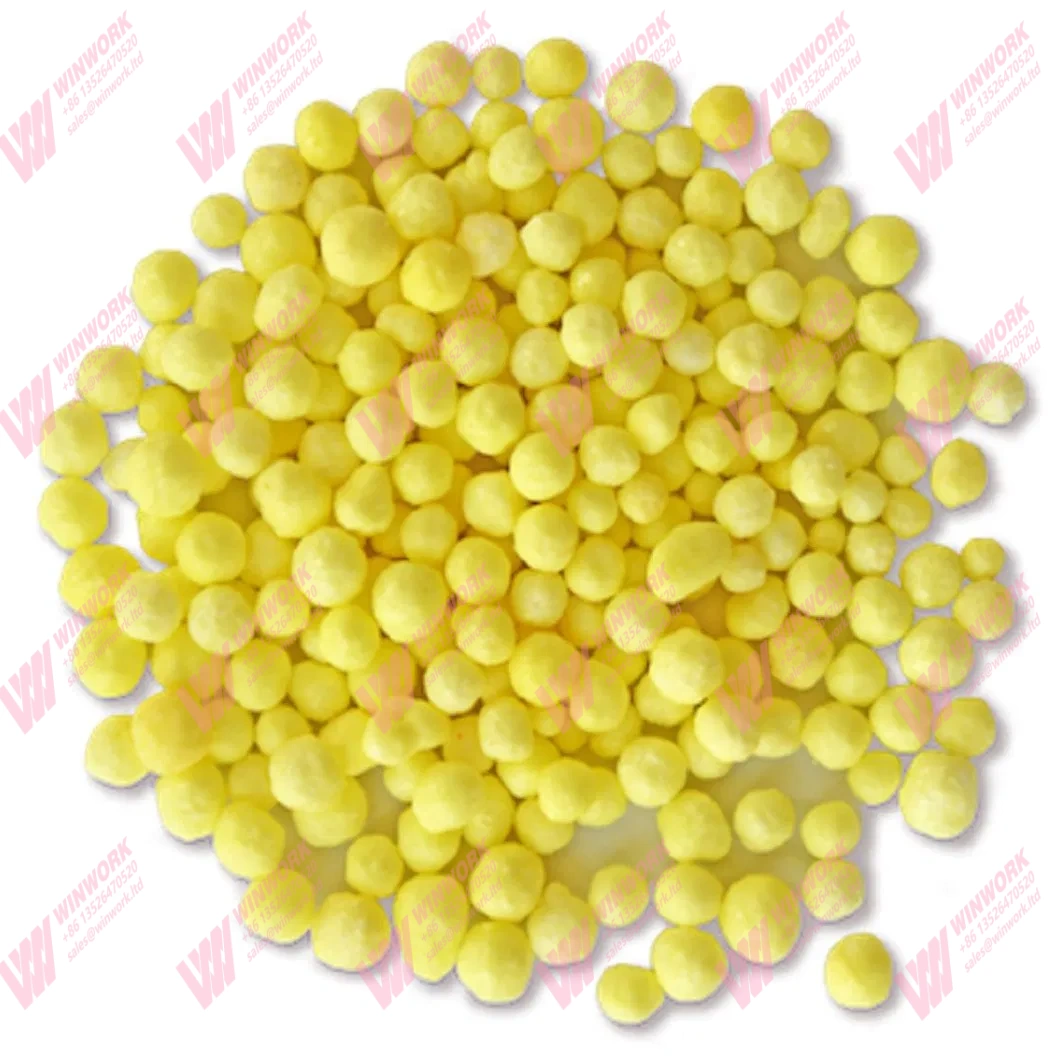
Granulation is the core forming step of the compound fertilizer process flow. It determines granule size, shape, and mechanical strength.
Depending on formulation and capacity, granulation equipment may include:
- Rotary drum granulators
- Disc granulators
- Double roller granulators
Rotary drum granulators are widely used for large-scale compound fertilizer production due to their high output and stable operation. Granulation quality at this stage has a direct impact on drying efficiency and final product durability.
Stage 6: Drying
Freshly formed granules contain excess moisture that must be removed to ensure storage stability and strength. Drying is therefore a critical stage in the compound fertilizer process flow.
Rotary drum dryers are most commonly used. Hot air passes through the rotating drum, reducing moisture content while gently tumbling the granules.
Proper drying improves:
- Granule hardness
- Shelf life
- Resistance to breakage during handling
Over-drying, however, can increase dust generation, so temperature control is essential.
Stage 7: Cooling
After drying, granules exit the dryer at elevated temperatures. Cooling stabilizes the product and prevents agglomeration.
Cooling equipment typically includes Rotary drum coolers.In the compound fertilizer process flow, cooling protects downstream screening and packaging equipment and ensures safe storage conditions.
Stage 8: Screening, Recycling, and Packaging
Screening separates qualified granules from oversize and undersize particles. This step ensures consistent product size and appearance.
Common screening equipment includes:
- Rotary screeners
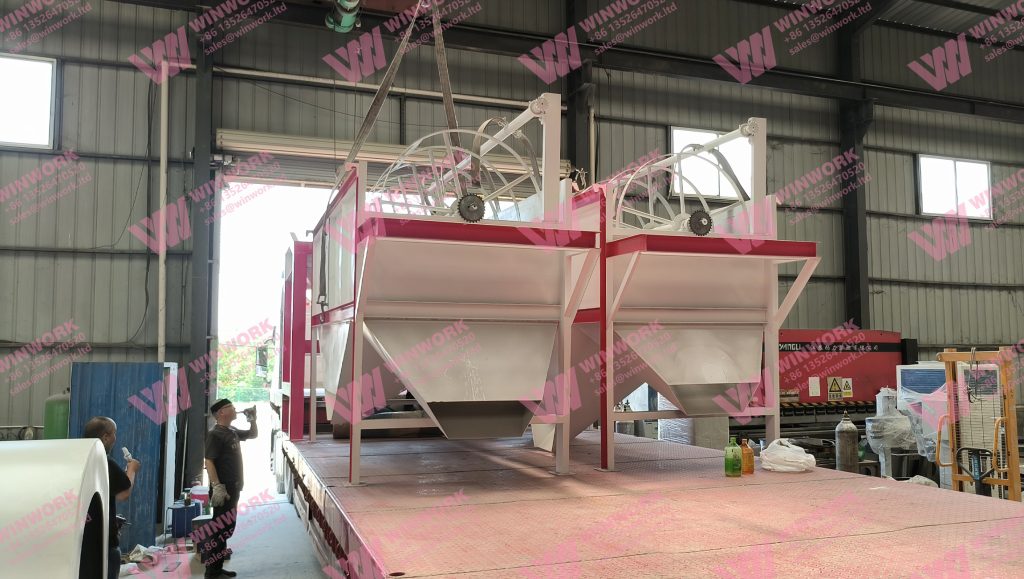
- Vibrating screeners
And common packaging machine includes:
- Single granule packaging machine
- Double station packaging machine
- Automatic packaging machine
Off-size material is usually recycled back into the crushing or granulation stage, improving raw material utilization.
Qualified product then moves to packaging systems, which may include automatic weighing, bagging, sealing, and palletizing equipment.
Equipment Coordination Within the Process Flow
A compound fertilizer process flow should be treated as an integrated system rather than a collection of independent machines. Equipment capacities must be matched to avoid bottlenecks.
For example:
- Granulator output must align with dryer capacity
- Dryer discharge temperature must match cooler performance
- Screening throughput must match packaging speed
When the compound fertilizer process flow is clearly defined, the next step for manufacturers is translating this process into an efficient compound fertilizer plant design, including equipment layout, capacity planning, and material flow optimization.
This transition from process logic to physical layout is where many plants gain or lose long-term efficiency.
Common Problems Caused by Poor Process Flow Design
Plants with a poorly structured compound fertilizer process flow often experience recurring operational issues that affect both productivity and product quality.
Frequent granulator blockage due to unstable feed
When upstream feeding and batching systems fail to deliver a continuous and uniform material flow, sudden surges or interruptions occur at the granulator. These fluctuations cause uneven material distribution inside the granulation zone, leading to material buildup, adhesion, and eventual blockage.
High energy consumption in drying
Inadequate moisture control during mixing and granulation often results in overly wet granules entering the dryer. As a consequence, the drying system must operate at higher temperatures or longer residence times, significantly increasing fuel and energy consumption.
Excessive recycling load
Poor coordination between granulation, drying, and screening stages leads to a high proportion of off-size particles. Oversized and undersized materials are repeatedly recycled, increasing internal circulation volume and placing unnecessary mechanical stress on crushers and conveyors.
Inconsistent product quality
Unstable process flow conditions make it difficult to maintain consistent granule size, strength, and nutrient distribution. Variations at one stage are amplified downstream, resulting in fluctuating product appearance and performance that fail to meet market expectations.
These problems are rarely caused by a single machine. Instead, they reflect mismatched flow logic and insufficient coordination between different stages of the production line.
Process Flow Considerations for Different Production Scales
Small and medium-scale plants prioritize flexibility and ease of operation, while large-scale plants emphasize automation and continuous operation.
However, regardless of capacity, the fundamental compound fertilizer process flow principles remain the same:
- Stable material input
- Controlled moisture and temperature
- Balanced equipment capacity
- Efficient recycling
Plants that respect these principles achieve higher uptime and lower operating costs.
Why Process Flow Optimization Improves Long-Term Profitability
Optimizing the compound fertilizer process flow does more than improve daily production. It reduces wear on equipment, lowers energy consumption, and minimizes unplanned downtime.
Over time, these benefits translate into:
- Lower maintenance costs
- More predictable output
- Higher customer satisfaction
- Stronger market competitivenes
For manufacturers planning future expansion, a well-structured process flow also simplifies capacity upgrades and equipment replacement.
Frequently Asked Questions about Compound Fertilizer Process Flow
Q1: What is the most critical factor in compound fertilizer process flow?
The most critical factor is maintaining stable material flow between each stage. Even high-quality equipment cannot perform efficiently if feeding rates, moisture levels, and transfer points are poorly coordinated across the production line.
Q2: Can existing compound fertilizer plants improve performance without replacing all equipment?
Yes. In many cases, optimizing process flow logic—such as adjusting material routing, buffer capacity, or recycling paths—can significantly improve efficiency without major equipment replacement.
Q3: How does process flow design affect granulator performance?
A well-designed process flow ensures uniform feed composition and moisture content, which allows the granulator to operate under stable load conditions. Poor flow design often leads to blockage, uneven granulation, and accelerated wear.
Q4: Why is excessive material recycling a sign of poor process flow?
High recycling ratios usually indicate mismatched granulation and screening parameters. This not only increases energy consumption but also reduces overall throughput and stresses downstream equipment.
Q5: Is compound fertilizer process flow design scalable for future capacity expansion?
Yes, a properly planned process flow can incorporate modular equipment layouts and reserved capacity, allowing plants to scale production with minimal disruption when market demand increases.
Conclusion
The compound fertilizer process flow is the backbone of efficient fertilizer manufacturing. From raw material preparation to final packaging, each stage must operate in harmony to achieve stable output and consistent product quality.
Rather than focusing solely on individual machines, manufacturers should evaluate how materials, equipment, and operating parameters interact across the entire production line. A clearly defined compound fertilizer process flow not only improves technical performance but also creates a strong foundation for scalable plant development and long-term profitability.
For more details, please feel free to contact us.
Email: sales@lanesvc.com
Contact number: +8613526470520
Whatsapp: +8613526470520
Get A Quote