


Introduction About Compound Fertilizer Production in Malaysia
Malaysia’s agricultural sector depends heavily on reliable fertilizer supply, especially for oil palm, rubber, fruits, and vegetables. To meet these needs, compound fertilizer production in Malaysia has developed into a stable and practical industry. Instead of relying only on imported finished products, local production allows fertilizer formulas to be adjusted based on crop demand and soil conditions.
For producers, understanding how raw materials, equipment, and processing methods work together is essential. Each decision influences production cost, product quality, and long-term operational stability.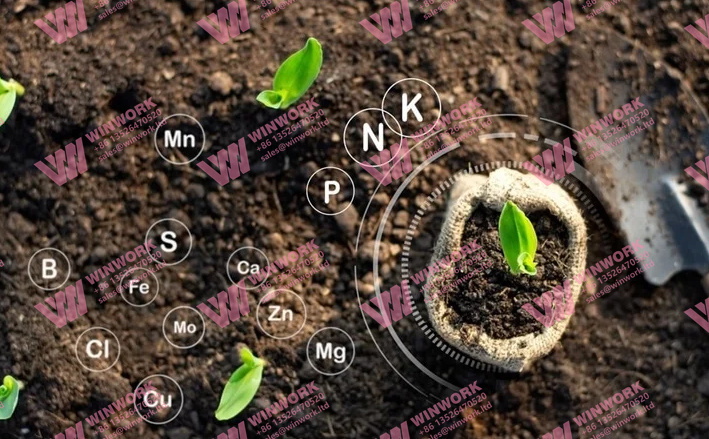
Common Raw Materials Used in Malaysia
The foundation of compound fertilizer production in Malaysia lies in the selection of suitable raw materials. Most compound fertilizers are formulated using nitrogen, phosphorus, and potassium sources.
Nitrogen is commonly supplied through urea or ammonium sulfate, both of which are widely used in tropical agriculture. Phosphorus materials include phosphate-based compounds, while potassium is typically introduced through potassium chloride or potassium sulfate. The final selection depends on crop sensitivity and soil nutrient balance.
Because Malaysia imports most basic fertilizer raw materials, local production focuses on blending accuracy rather than raw material processing. Minor additives, such as fillers or trace elements, are often added to improve granule quality and nutrient efficiency.
Equipment Arrangement for Stable Production
Efficient compound fertilizer production in Malaysia requires well-matched equipment rather than overly complex systems. Most production lines follow a practical and proven equipment layout.
Raw material crushers are used to ensure consistent particle size before batching. Vertical crushers or double shaft crushers are commonly applied for this purpose. Accurate batching and weighing systems then control the nutrient ratio, which directly affects product quality.
Mixing equipment is a key part of the line. Fertilizer mixers ensure that all components are evenly distributed before granulation. Without proper mixing, even high-quality raw materials cannot produce consistent compound fertilizer. Double shaft mixers are the most commonly used mixers.
Granulation equipment shapes the blended materials into granules. Rotary drum granulators and disc granulators are widely used due to their stable performance and adaptability. Drying and cooling machines follow to reduce moisture and strengthen granules. Screening machines remove unqualified particles, and automatic packaging machine prepare the final product for sale.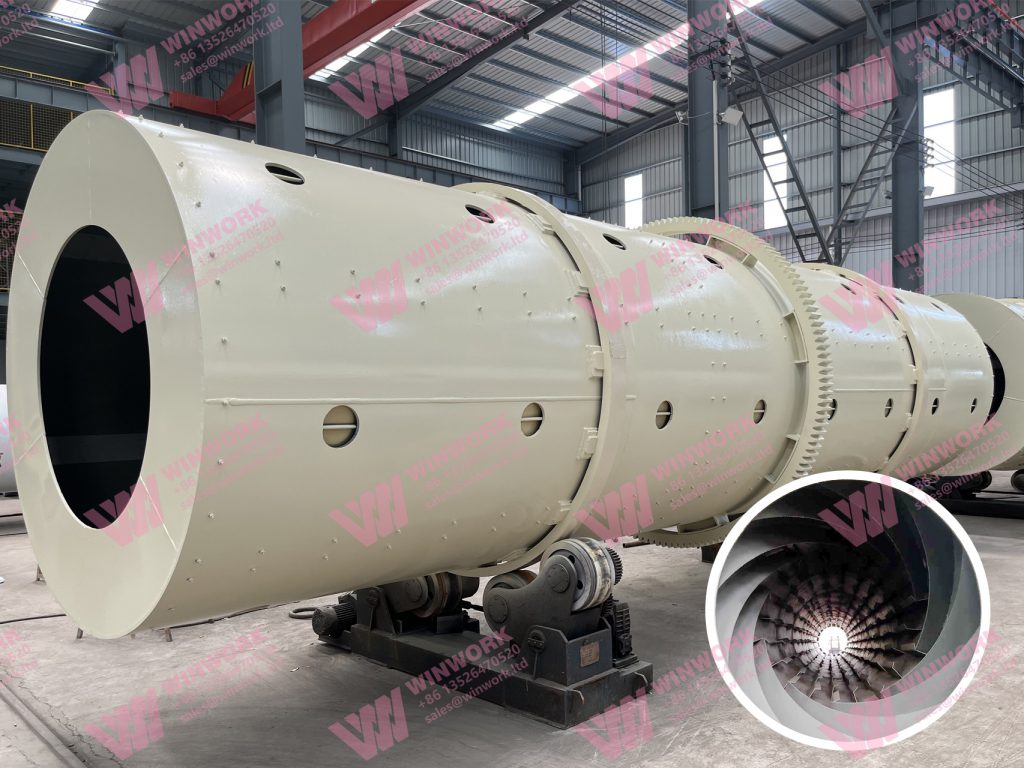
Practical Production Process Description
The production of compound fertilizer production in Malaysia is designed for efficiency and repeatability. Raw materials are first prepared through crushing and preliminary screening. Once materials meet size requirements, they are accurately weighed according to the formula.
After batching, materials enter the mixing stage, where uniform blending is achieved. Granulation then forms fertilizer particles suitable for storage and application. Moisture control during drying is critical, as Malaysia’s humid climate can affect product stability.
Cooling and screening ensure consistent granule size and prevent caking. Recycled materials are returned to the granulation stage, improving raw material utilization. Finished fertilizer is then packaged or stored in bulk, depending on distribution needs.
Adjustment to Crop and Market Demand
One key advantage of compound fertilizer production in Malaysia is flexibility. Fertilizer formulas can be adjusted for different crops, including oil palm, rubber, and horticultural plants.
Local producers can respond quickly to seasonal demand changes. This adaptability helps reduce inventory pressure and improves customer satisfaction. Compared with imported finished fertilizer, locally produced compound fertilizer offers better responsiveness and customization.
Production Scale and Capacity Planning
Production scale varies widely in compound fertilizer production in Malaysia. Some plants focus on small to medium output for regional markets, while others operate larger lines for broader distribution.
Capacity planning should consider raw material supply, energy costs, and logistics. Oversized equipment increases investment and operating costs, while undersized systems limit market potential. Matching equipment capacity to realistic demand is essential for stable operation.
Quality Control in Daily Operation
Maintaining consistent quality is a major focus in compound fertilizer production in Malaysia. Producers monitor nutrient ratios, granule strength, and moisture content to meet agricultural standards.
Routine equipment inspection reduces unexpected downtime. Mixers, granulators, and dryers require regular maintenance to maintain stable performance. Dust collection and waste recycling systems also support cleaner production and regulatory compliance.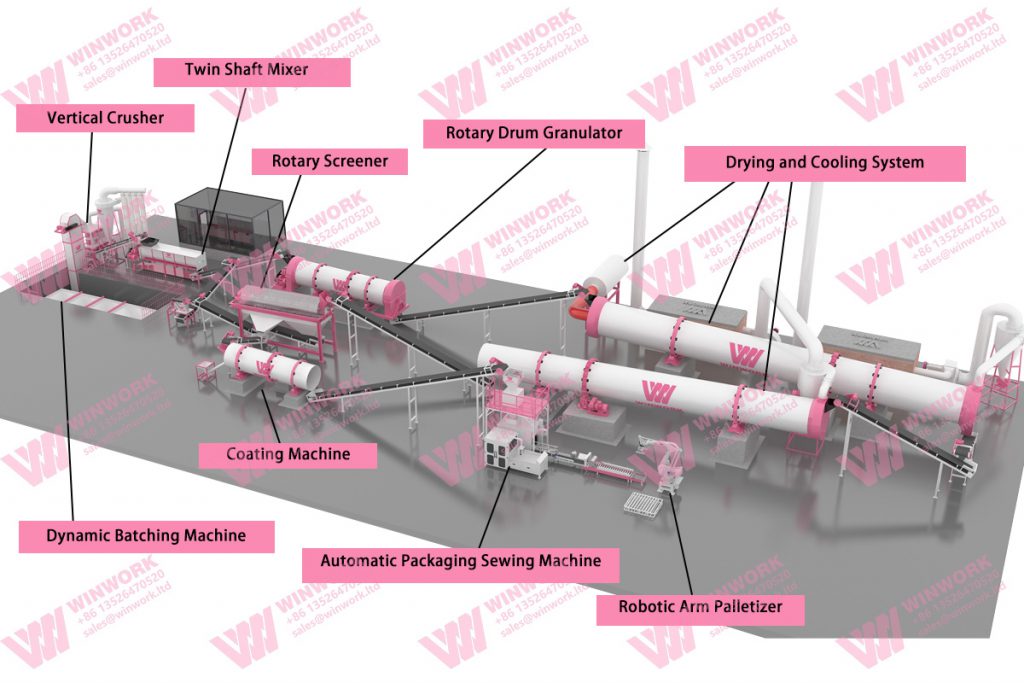
Operational Value and Industry Outlook
With ongoing agricultural demand, compound fertilizer production in Malaysia remains a practical investment direction. Local production reduces dependence on imports and supports agricultural self-sufficiency.
For producers, efficient equipment selection and process control improve cost efficiency and market competitiveness. Well-designed production systems allow plants to operate steadily under varying market conditions.
Conclusion
Compound fertilizer production in Malaysia depends on balanced raw material selection, reliable equipment configuration, and practical process control. By focusing on accurate batching, effective mixing, and stable granulation, producers can manufacture compound fertilizer that meets local agricultural needs. A clear understanding of production fundamentals supports sustainable development in Malaysia’s fertilizer industry.
For more details, please feel free to contact us.
Email: sales@lanesvc.com
Contact number: +86 13526470520
Whatsapp: +86 13526470520

Get A Quote