

The Global Challenge of Food Waste and Technological Breakthroughs
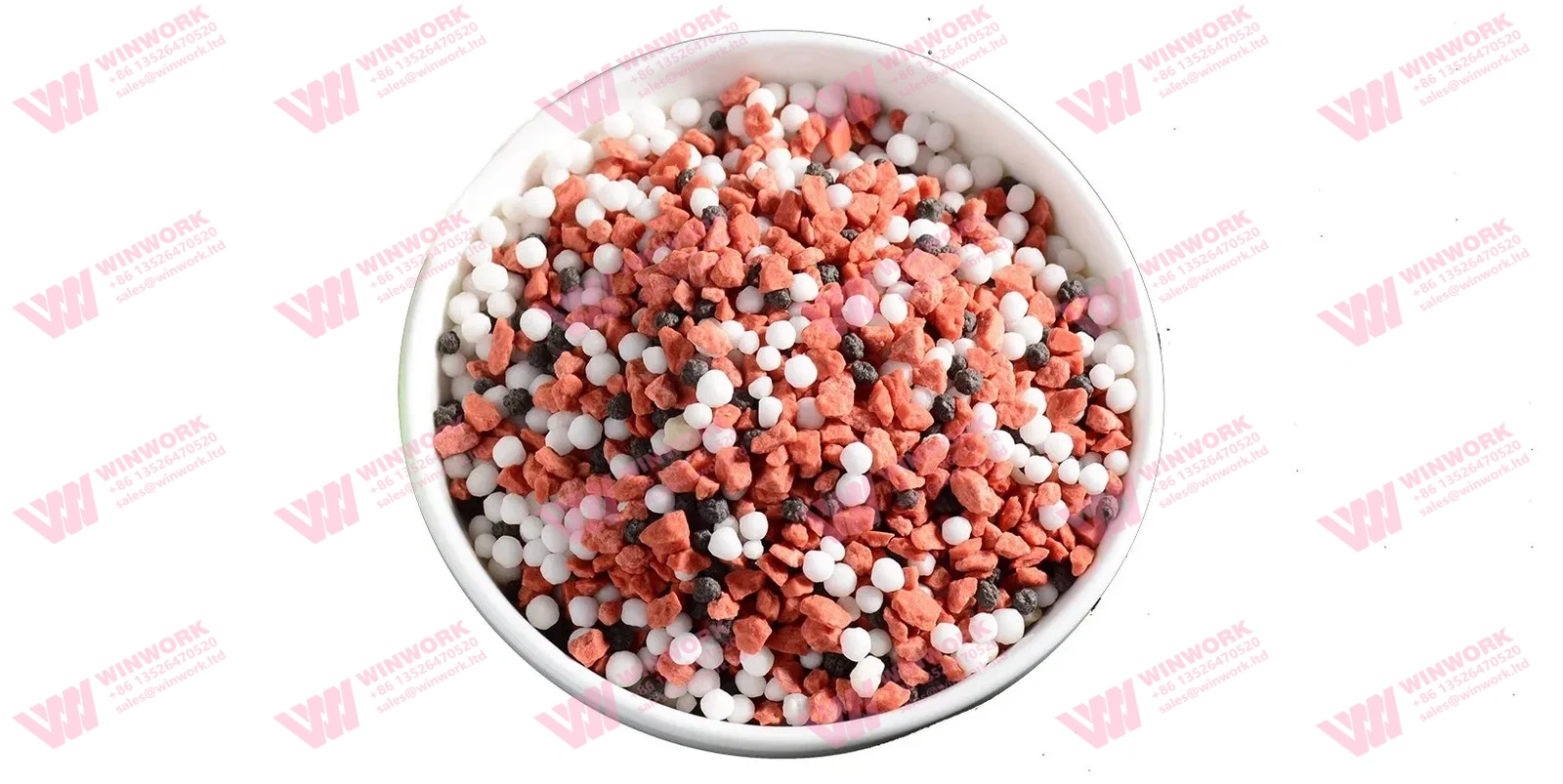
The Food and Agriculture Organization reports that Each year, approximately one-third of the world’s total food production, almost 1.3 billion tons of food, is discarded. When these wastes decompose in landfills, they release methane, a gas with a greenhouse effect 28 times more potent than carbon dioxide. Converting Food Waste Into Fertilizer technology uses microbial fermentation processes to transform organic residues into slow-release fertilizers rich in nitrogen, phosphorus, potassium, and trace elements, blocking the pollution chain at its source.
Core Technology of Converting Food Waste Into Fertilizer explanation
Modern Converting Food Waste Into Fertilizer systems typically employ a graded treatment process:
Pre-treatment: Sorting to remove impurities like plastics, then crushing to a particle size <5mm to enhance reaction efficiency;
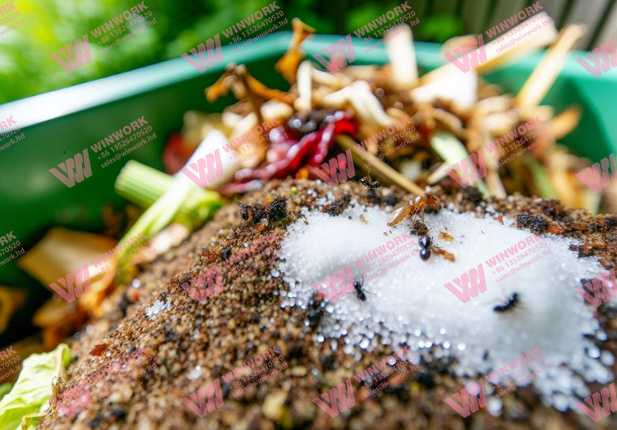
Anaerobic Fermentation: At a constant temperature of 55–65°C, thermophilic microbial communities break down organic matter, producing liquid biogas slurry and solid compost;
Post-maturation and Refinement: Adding composite microbial agents for secondary fermentation over 60 days or more to kill pathogens and form stable humus.
Research by the BioCycle Laboratory in California, USA, shows that optimized CFWF processes can increase organic matter conversion rates to 92%, with heavy metal residues 90% lower than EU organic fertilizer standards.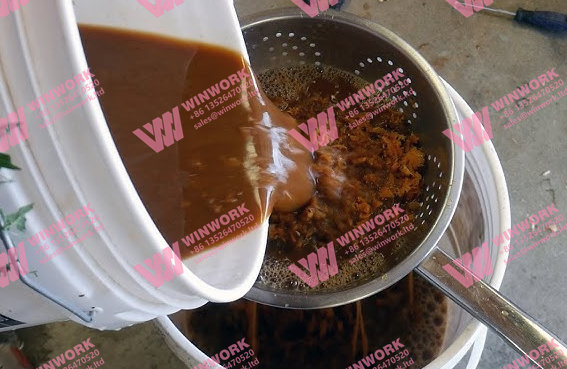
The Complete Production Line to Converting Food Waste Into Fertilizer
Establishing an efficient production line for converting food waste into fertilizer demands a systematic approach and specialized machinery. Below is a step – by – step breakdown of the process and the essential equipment involved.
Step 1: Collection and Pre – treatment
To Converting Food Waste Into Fertilizer, this is the first step to collect raw materials, gather food waste from various sources such as restaurants, households, and food processing plants. Separate non-organic pollutants such as plastics, metals, and glass, which cannot be involved in the processing. After that, wash the waste thoroughly to get rid of oil, salt, and excess moisture. A thorough washing is crucial to remove salt or other materials and remaining organic matter, preventing odor and contamination in the final product. we can integrate fertilizer equipment like conveyor belts and washing systems for large-scale operations.
For small – scale operations, this step may rely on manual work. However, large – scale facilities can incorporate equipment like conveyor beltsand food waste washing systems.
This can wash away the contaminants that might disrupt the fermentation process, facilitating better fermentation and subsequent procedures
Our Solution: We offer modular pre – treatment systems that can be scaled from manual sorting lines to fully automated washing and conveying setups, cutting labor costs and contamination risks.
Step 2: Crushing and Grinding (Size Reduction)
Since it is food waste, some relatively intact residues may decompose more slowly on their own, even taking many years. Therefore, To Converting Food Waste Into Fertilizer, we need to use a crusher to break it down. In this way, the decomposition speed will be faster and the time will be shorter, and it can use Vertical crusher. Vertical crusher is widely used in the organic fertilizer production line and the compound fertilizer production line. It has simple and reasonable structure, cost-effectiveness, high broken rate, energy saving, and less effected by the material with high moisture.
Vertical crusher is suitable for the crushing of raw materials and returns, especially adaptable for materials with high moisture rate. It is not blocked easily and discharges material smoothly. And it breaks down food waste into uniform particles.
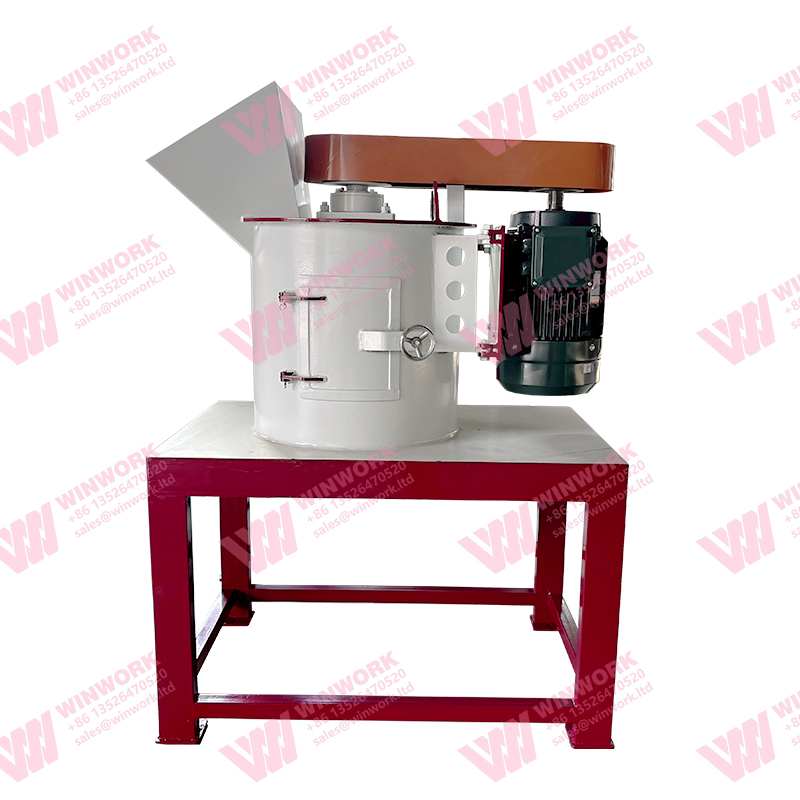
vertical-crusher
This designed machine can mainly solve the problem that food waste contains a large amount of water and can consume less energy.
Step 3: Fermentation and Composting
The core function of the film-covered compost turner is to directly turn over the pile without removing the film, solving the problems of greenhouse gas leakage, nutrient loss and high labor costs caused by repeated film removal in traditional film-covered composting.
Key Equipment: Compost Turner.
To Converting Food Waste Into Fertilizer, we provide a wide range of compost turning machines, from simple, manual – assisted turners for small farms to fully automated, self – propelled models suitable for large – scale commercial operations.
After the fermentation is completed, you can choose to add packaging or subsequent work. This is not mandatory, but we still recommend that you add it. This will facilitate storage and make subsequent utilization more convenient.
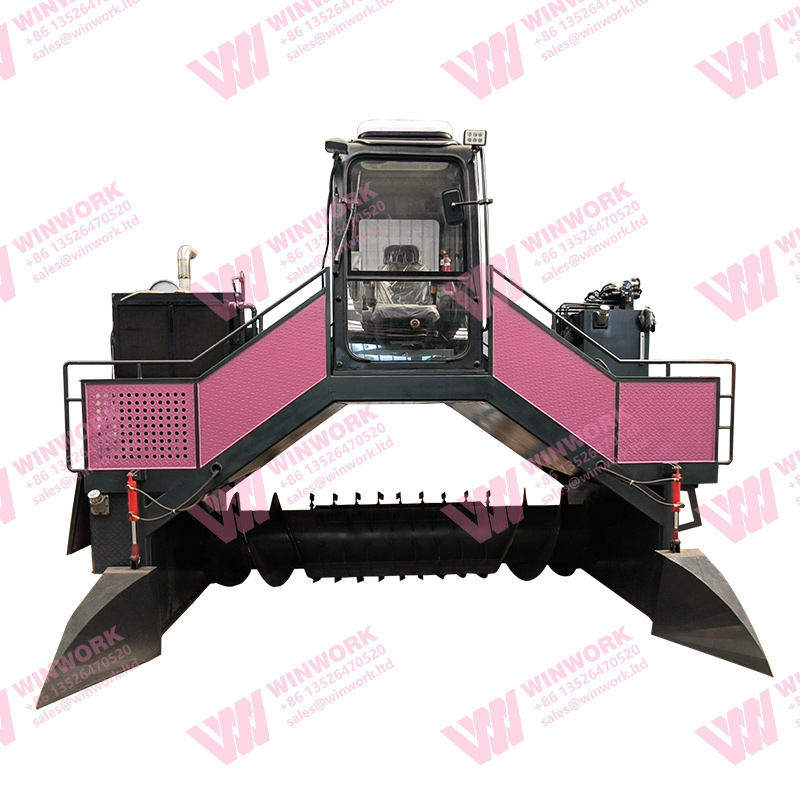
Crawler-compost-turner
Why This System Works
We can provide you with complete services and guidance about Converting Food Waste Into Fertilizer. From the initial collection to the later processing, we can integrate specialized equipment for you. You can focus on Converting Food Waste Into Fertilizer. Our solutions can also be customized on a large scale based on your actual raw materials and location, which can reduce your costs and achieve sustainable development.
Real cases
The closed-loop agricultural demonstration project in Singapore has become a benchmark in Asia. The country processes fruit and vegetable waste from supermarkets through container reactors and produces 800 tons of organic fertilizer for vertical farms in Gardens by The Bay every year. Project leader Chen Weiming said, “Converting Food Waste Into Fertilizer has increased our lettuce yield by 40% and saved 35% of water usage at the same time.”
Conclusion: A necessary Path to Reshaping Earth’s green Cycle
Converting Food Waste Into Fertilizer can promote the sustainable development of the world and is of great significance for environmental protection. Converting Food Waste Into Fertilizer can reduce carbon dioxide emissions, which is equivalent to reducing the burden on the earth. Therefore, this path is well worth promoting and trying. The coffee grounds under Tokyo Tower have become the nourishment for the tea gardens at the foot of Mount Fuji, and the fruit peels of New York restaurants have reinvigorated the fertile soil of Brooklyn’s rooftop farms. Humanity is witnessing a silent resource revolution.
For more details, please feel free to contact us.
Email: sales@lanesvc.com
Contact number: +8613526470520
Whatsapp: +8613526470520
Get A Quote