

Crop Straw Organic Fertilizer Production Line: A complete guide to Achieve 98% Resource Utilization
Crop straw, a by-product of agricultural production, was once treated as waste and even burned, causing serious environmental pollution. However, with the development of circular agriculture, crop straw has been transformed into a high-value raw material for organic fertilizer production. The crop straw organic fertilizer production line realizes the resource utilization of straw, turning waste into treasure to improve soil fertility and promote sustainable agricultural development. This article will comprehensively analyze the definition of the crop straw, the main process of crop straw organic fertilizer production line, core equipment and advantages of crop straw production line, to help you fully grasp the whole process of crop straw organic fertilizer production.
What is crop straw?
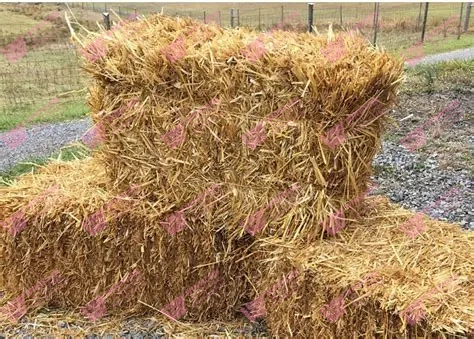
Crop straw refers to the residual stems and leaves of crops after the edible parts are harvested, which is a common agricultural by-product. Common types include wheat straw, corn straw, rice straw, soybean straw, and cotton straw.In the past, crop straw was often randomly stacked, burned or discarded, which not only wasted resources but also caused environmental pollution such as air and soil pollution. With the development of circular agriculture, crop straw has been gradually developed and utilized as an important raw material for organic fertilizer production,realizing the transformation from waste to treasure.
Crop straw organic fertilizer production line process
The crop straw organic fertilizer production line is a continuous and systematic process, which mainly includes 7 core linked steps to ensure the conversion of crop straw into high-quality organic fertilizer. The specific process is as follows:
- Raw material collection and treatment
Crop straw often contains impurities such as soil,seeds or stones which will decrease the effectiveness of organic fertilizer.So the first step is to break the straw into short segments or fine powder and control the moisture to a certain degree using a specific crusher.
- Ratio matching
After removing the impurities we need to add more nutrient materials with high nitrogen.The materials are fully mixed in a horizontal mixer to ensure the uniformity of nutrients and moisture.
- Aerobic fermentation
Use a compost turner to regularly turn the mixed material pile, so that the materials are fully contacted with air to provide oxygen for aerobic microorganisms.
- Crushing
To improve the granulation rate and make the nutrient more uniform,we use the fine crusher to cut the matured materials again.
- Granulation
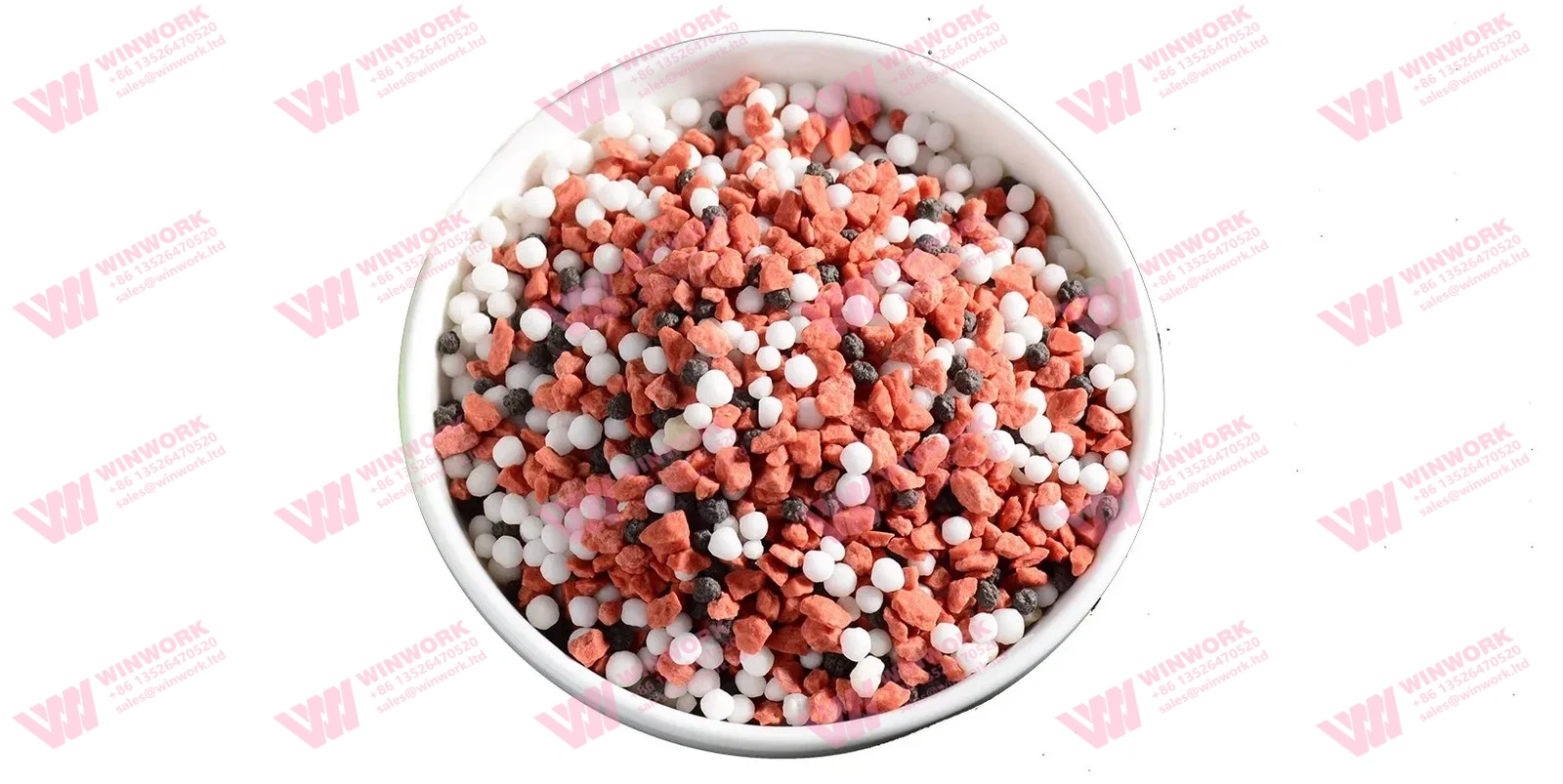
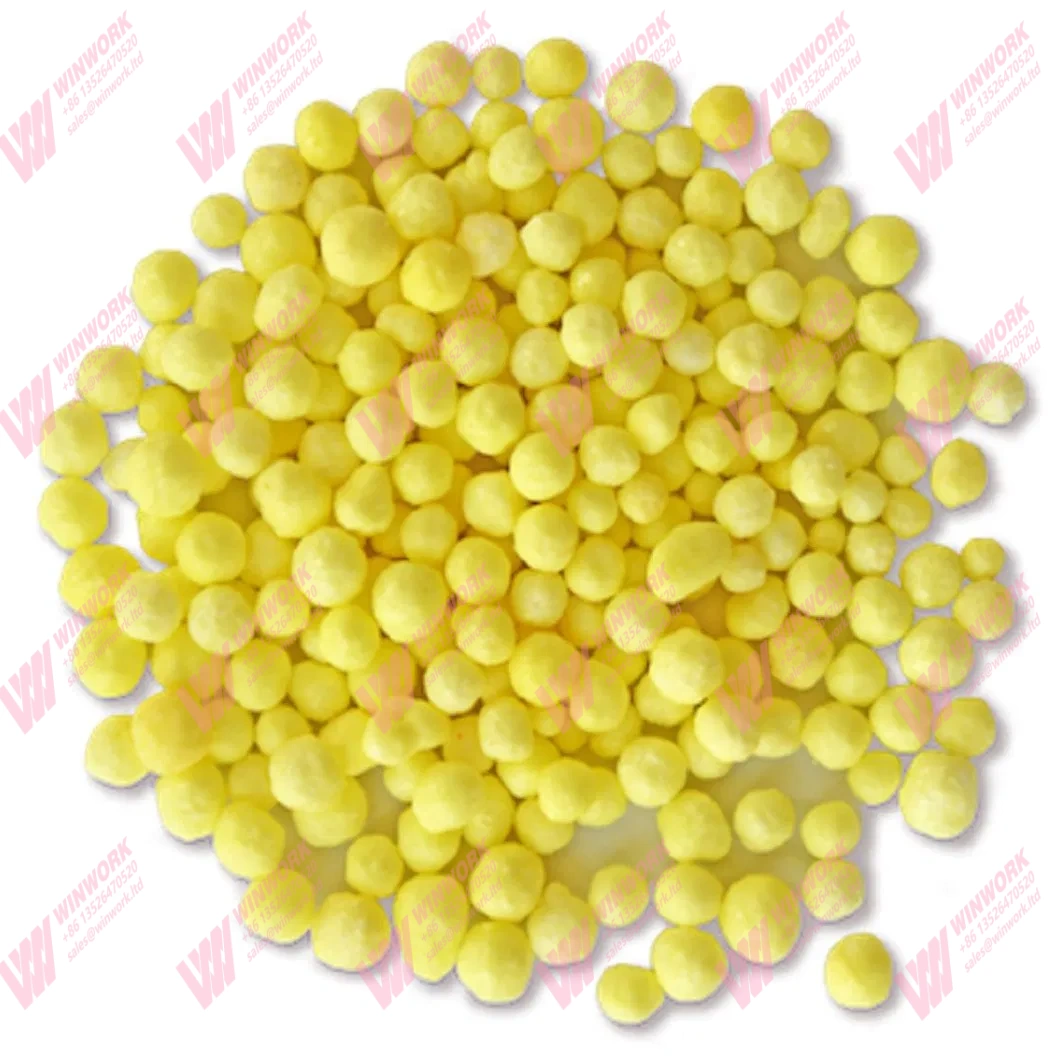
Select disc granulators or double roller granulators according to the high fiber characteristics of straw. The fine powder materials are finally agglomerated into spherical granules, which improves the commercial value of organic fertilizer.
- Drying and cooling
Dry the newly granulated products with a rotary dryer to reduce the moisture content and then cool the high-temperature granules to near ambient temperature with a cooler to prevent caking and ensure storage stability.
- Screening and packaging
Screen the dried and cooled granules with a drum screener. Qualified granules enter the next process, while oversized and undersized materials are recycled for reprocessing. Finally, the qualified granules are automatically weighed, filled, sealed and conveyed by an automatic packaging machine to complete the production.
Key equipment of crop straw organic fertilizer production line
The stable operation of the crop straw organic fertilizer production line relies on a series of professional key equipment, each of which plays an irreplaceable role in the production process. The main key equipment and their functions are as follows:
Straw crusher:Breaking long straw into short segments or fine powder to increase the specific surface area and facilitate subsequent fermentation.
Horizontal mixer:Mixing crushed straw and high-nitrogen auxiliary materials, ensuring the consistency of the carbon-nitrogen ratio and moisture content of the mixed materials.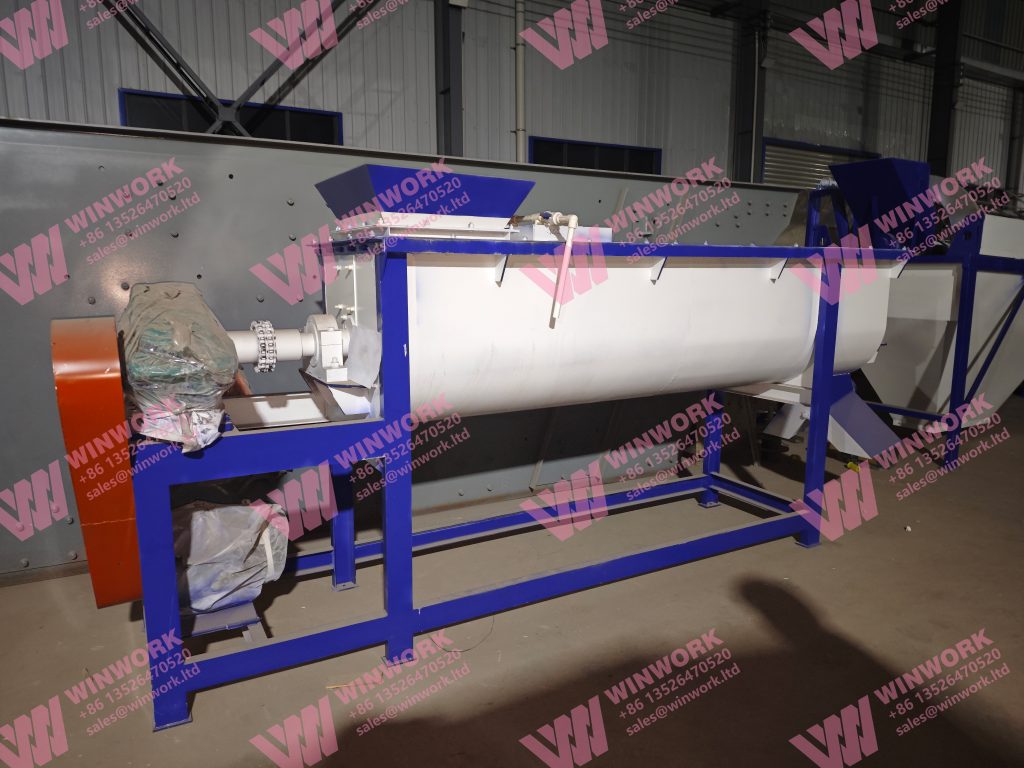
Compost turner:The core equipment of the fermentation stage, which realizes the regular turning of the material pile, improves air permeability, provides oxygen for aerobic microorganisms, and adjusts the temperature and moisture of the material pile.
Granulator:The key equipment for shaping organic fertilizer, which converts fine powder materials into granular products.Disc granulators and double roller granulators are mostly used.
Rotary drying and cooling machine:The dryer is used to dehydrate the wet granules and reduce moisture content of granules while cooler tends to cool the temperature down in order to improve the hardness and storage stability of finished products.
Drum screener and automatic packaging machine:Screener is used to select out unqualified granules and put them back to the granulators for reprocessing and send the qualified ones to packaging machine.Then the automatic packaging machine will seal all of them which improves packaging efficiency and ensures the accuracy.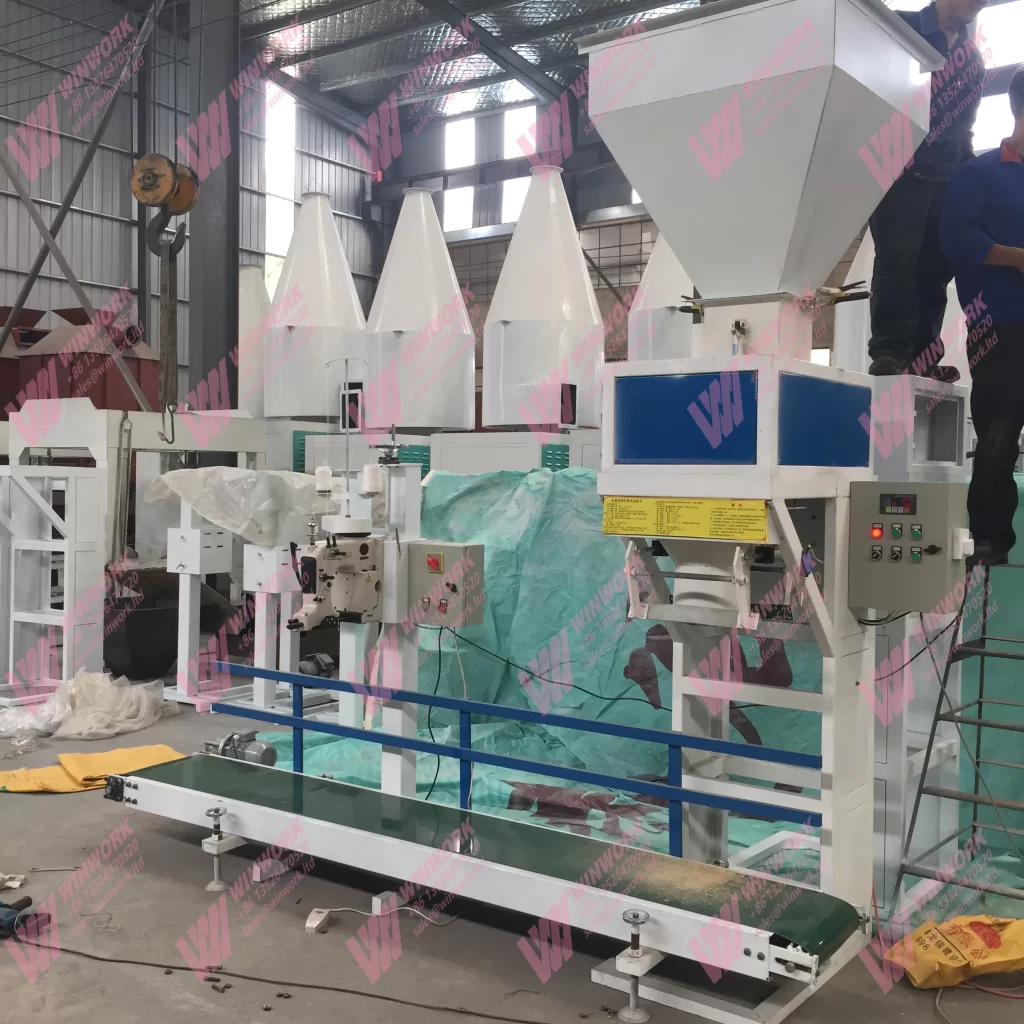
Benefits of crop straw organic fertilizer production line
The crop straw organic fertilizer production line has multiple significant benefits in terms of resources, environment, economy and agriculture, which are specifically reflected in the following aspects:
Improving soil quality and crop yield:The organic fertilizer produced by the production line can increase the organic matter content of the soil, improve the soil structure, enhance the water retention and fertility of the soil, lay a foundation for the high quality and high yield of crops, and promote the sustainable development of agriculture.
Protecting ecological environment:Avoid air pollution caused by straw burning and soil pollution caused by random stacking. At the same time, the fermentation process can decompose harmful substances in the straw, reduce environmental risks, and conform to the concept of green development.
Achieved resource recycling:Once the crop straw was regarded as waste,it will be converted into organic fertilizer to improve the utilization rate of agricultural resources to 98% and realizing the circular utilization of agricultural waste.
Considerable economic benefits:The produced organic fertilizer has a wide market demand, which can bring additional income to farmers and enterprises.
Frequently Asked Questions (FAQs) About Crop Straw Organic Fertilizer Production Line
- What is the optimal carbon-nitrogen ratio for the ratio matching stage of the crop straw organic fertilizer production line?
Answer: The optimal carbon-nitrogen ratio is 25:1-30:1.
- How long is the general fermentation cycle of the crop straw organic fertilizer production line?
Answer: The general fermentation cycle is 15-25 days.
- What equipment is suitable for granulation of high-fiber crop straw materials?
Answer: Disc granulators or double roller granulators are suitable.
- What is the standard moisture content of finished organic fertilizer in the production line?
Answer: The standard moisture content is below 15%.
Conclusion
The crop straw organic fertilizer production line is an important equipment system to realize the resource utilization of crop straw and promote the sustainable development of agriculture. With the continuous emphasis on circular agriculture and the continuous upgrading of production technology, the crop straw organic fertilizer production line will have broader development prospects, making greater contributions to the green and high-quality development of agriculture.
For more details, please feel free to contact us.
Email: sales@lanesvc.com
Contact number: +86 13526470520
Whatsapp: +86 13526470520
Get A Quote