

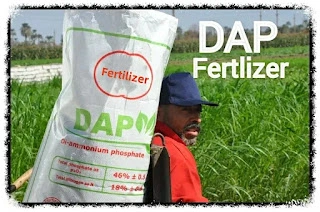
Understanding the Importance of DAP Fertilizer Manufacturing Equipment Selection
In modern fertilizer production, selecting the right DAP fertilizer manufacturing equipment is not just about purchasing machines—it determines the efficiency, safety, and profitability of the entire plant. DAP production involves complex chemical reactions, high-temperature processes, and strict quality standards. Without carefully choosing reactors, granulators, dryers, and environmental systems, manufacturers may face unstable production, high energy consumption, or low granule quality. This guide provides a practical roadmap to evaluate, compare, and select the equipment needed to establish a successful DAP fertilizer plant.
Step 1: Clarify the Complete DAP Production Process Flow
Before selecting any equipment, you must clearly understand the standard DAP production process. A typical DAP fertilizer plant includes:
- Ammonia and phosphoric acid reaction
- Slurry preparation and neutralization
- Granulation
- Drying and cooling
- Screening and coating
- Dust collection and exhaust gas treatment
Each stage requires specific DAP fertilizer manufacturing equipment, and understanding the flow prevents mismatched machines and operational bottlenecks.
Step 2: Select a Suitable Reactor and Pre-Neutralization System
The reactor is one of the most critical units. Common systems include pipe reactors and pre-neutralization tanks. These control the reaction between ammonia and phosphoric acid, determining slurry quality and nutrient uniformity.
High-quality reactors are made of corrosion-resistant carbon steel with rubber or special linings. Temperature and pressure control ensures safe, continuous operation. Correct reactor design improves conversion efficiency and reduces ammonia loss.
Step 3: Choose the Right Granulator for DAP Granule Formation
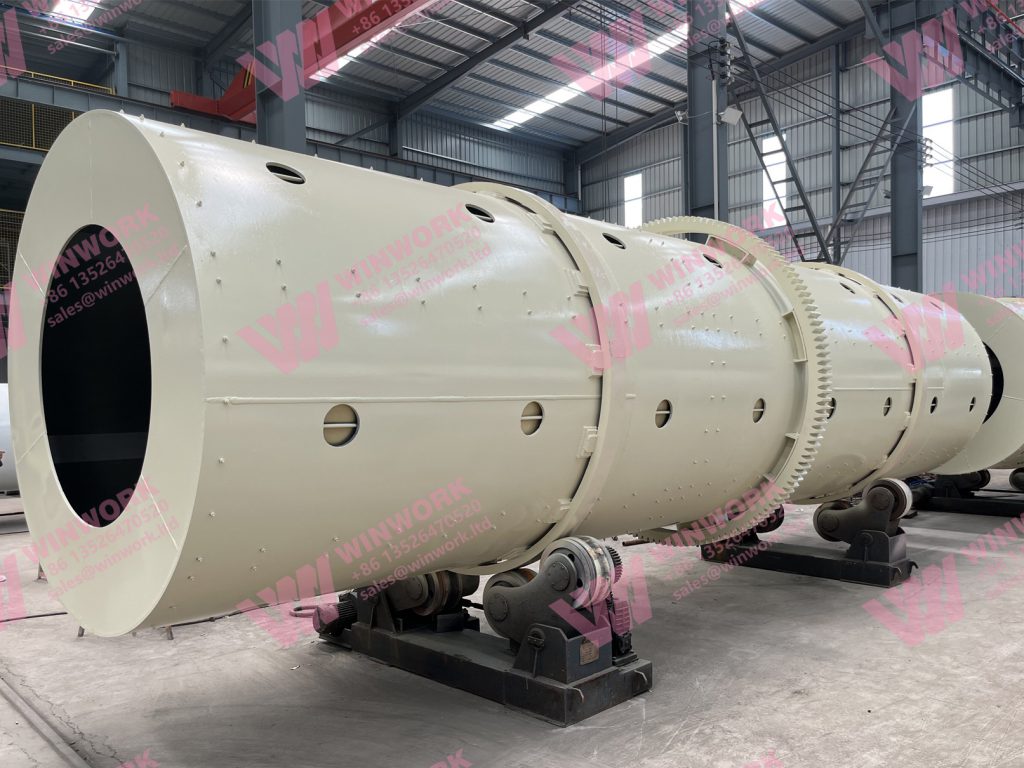
Granulation defines product quality. Common granulator is rotary drum granulators.
Rotary drum granulators provide stable operation, strong granule strength, and adaptability to different formulations. Internal lifting plates and spraying systems ensure uniform growth. Consider drum diameter, lining material, rotation speed, and slurry distribution when selecting equipment.
Step 4: Match Dryer and Cooler Capacity with Production Output
Dryers and coolers are essential for reducing moisture and preventing caking. Rotary drum dryers with coal, gas, or biomass burners are widely used, followed by rotary coolers to lower granule temperature. Matching capacities between granulator, dryer, and cooler avoids production bottlenecks and maintains smooth operation.
Step 5: Configure Screening, Coating, and Conveying Equipment
After cooling, DAP fertilizer must be screened using vibration screen machine or rotary screen machine. Coating machines improve anti-caking performance and appearance. Conveying systems, including belt conveyors, bucket elevators, and chain conveyors, connect process stages. Well-designed conveying minimizes dust and material loss.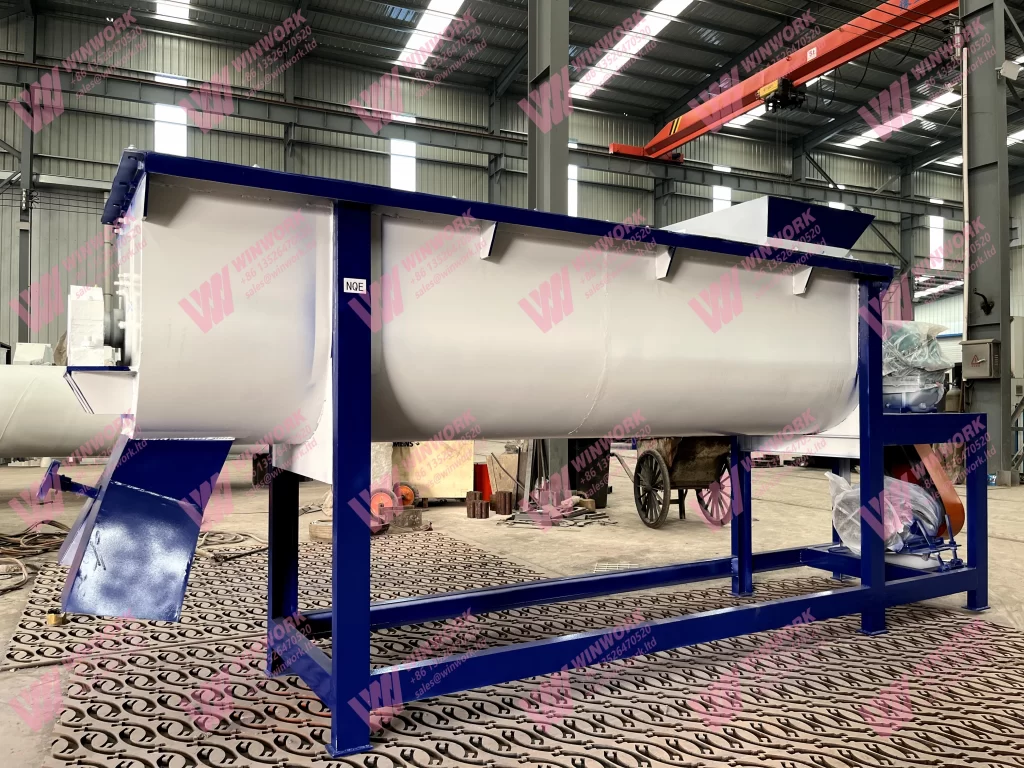
Step 6: Integrate Environmental Protection and Automation Systems
Modern DAP fertilizer manufacturing equipment must meet strict environmental standards. Dust collectors such as cyclone separators and pulse bag filters are installed at crushing, screening, and transfer points. Exhaust gases from dryers and reactors should be treated using scrubbers or absorption towers.
Automation is another key consideration. PLC control systems, automatic batching units, and online monitoring sensors improve production accuracy and reduce labor costs. Plants with advanced automation achieve higher efficiency, stable quality, and easier management.
Frequently Asked Questions(FAQ)About DAP Fertilizer Manufacturing Equipment Selection
1. What is the typical production capacity of a DAP fertilizer plant?
DAP fertilizer plants vary widely in scale, from 5–10 tons per hour for small plants to 30–50 tons per hour for large-scale industrial operations. Equipment should be selected based on your target output and expected market demand.
2. How important is granulator selection?
Granulators define granule size, strength, and uniformity. Poor granulation leads to fines, dust, and caking issues. Rotary drum granulators and slurry granulators are most common in DAP production.
3. Do I need advanced automation systems for a DAP plant?
Yes. Automation improves process stability, reduces labor costs, and ensures consistent quality. PLC control, online monitoring, and automatic batching are recommended, especially for medium-to-large plants.
4. Can equipment be upgraded later?
Many components, like granulators, dryers, and automation modules, can be upgraded as production scales or technology advances. Choosing modular equipment allows flexibility for future expansion.
5. Is it possible to produce DAP with different granule sizes?
Yes. Granule size can be controlled by adjusting granulator speed, drum inclination, slurry concentration, and internal plate design. Screening and coating equipment further refine particle size distribution.
6. How can environmental compliance be ensured?
Dust collectors, bag filters, scrubbers, and proper wastewater treatment systems must be integrated into your DAP fertilizer manufacturing equipment. Compliance reduces regulatory risks and improves workplace safety.
Conclusion About DAP Fertilizer Manufacturing Equipment Selection
Selecting the right DAP fertilizer manufacturing equipment requires evaluating process flow, reactors, granulators, dryers, screens, and environmental systems as an integrated solution. Following these six steps when choosing DAP fertilizer manufacturing equipment ensures stable output, high-quality granules, and strong competitiveness in the fertilizer market.
Proper planning for DAP fertilizer manufacturing equipment operation, preventive maintenance, and staff training maximizes efficiency and lifespan. Monitoring key parameters like slurry pH, granule moisture, and temperature maintains consistent quality and reduces production risks. Choosing a supplier with reliable technical support, spare parts, and installation guidance further improves plant performance. Combining well-selected equipment with systematic operation practices enhances productivity, energy efficiency, environmental compliance, and long-term profitability.
For more details, please feel free to contact us.
Email: sales@lanesvc.com
Contact number: +86 13526470520
Whatsapp: +86 13526470520
Get A Quote