

Nowadays the green and environmental technology has developed more and more quickly. In the background of green manufacturing and circular economy, dryer and cooler systems have become indispensable core equipment for stabilizing and upgrading organic fertilizer and bioproduct production lines.
Acting after fermentation, dryer and cooler units remove excess moisture and lower temperature to ensure product shelf life, prevent caking, and improve handling properties. This press release systematically explains what dryer and cooler are, outlines common equipment types, highlights their multiple benefits, and includes some frequent user inquiries. With the dryer and cooler emphasized throughout, we demonstrate how these technologies enable consistent quality, energy savings, and scalable operations in modern bio-industries.
As global demand grows for high‑quality organic fertilizers, bio‑feeds, and biomass fuels, manufacturers face the challenge of transforming fermented wet materials into stable, market‑ready products. Here, dryer and cooler systems emerge as the critical post‑fermentation solution. By precisely controlling moisture removal and temperature reduction, dryer and cooler setups transform high‑humidity outputs into dry, granular fertilizers or powders ready for packaging and transport. Throughout this article, the importance of dryer and cooler will be explored from multiple angles, with the term appearing frequently to underline its central role.
What Are Dryer and Cooler?
A dryer is equipment that reduces the moisture content of materials through conductive, convective, or radiant heat transfer, while a cooler lowers the temperature of hot dried products to ambient or specified levels. In organic fertilizer lines, after a ferment tank completes microbial decomposition, the output often contains 30–60% moisture and temperatures above 60 °C. Direct storage or bagging would cause spoilage, clumping, and microbial regrowth. The dryer and cooler sequence solves this: the dryer evaporates excess water, and the cooler brings granules to safe handling temperatures.
Modern dryer and cooler configurations may be integrated as parallel units or arranged in tandem to form a continuous line. Sensors monitor humidity, temperature, and airflow, feeding data to PLC systems for automated adjustments. Thus, they not only protect product integrity but also enable year‑round production unaffected by weather.
Common Types of Dryer and Cooler Equipment
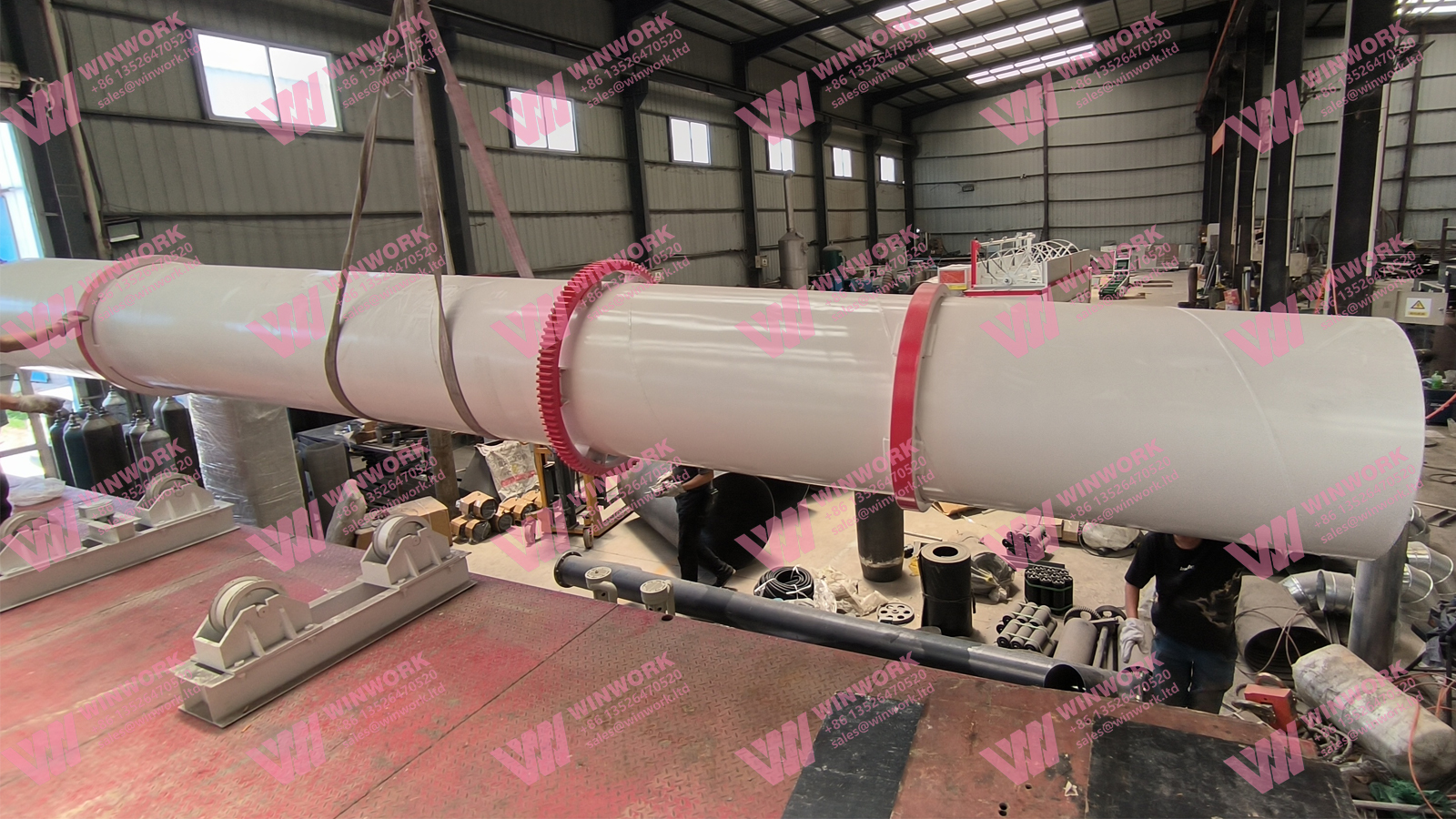
The rotary drying and cooling machine is a kind of high-efficiency equipment integrating drying and cooling, which is widely used in chemical industry, fertilizer, mining industry, building materials and other industries.
The rotary drying and cooling machine realizes the continuous drying and cooling process of materials in the same body, which saves space and equipment investment and simplifies the process.
The rotary drying and cooling machine has the advantages of large processing capacity, strong adaptability, easy operation and maintenance, energy saving and environmental protection, etc. It is an indispensable and important equipment in the production of fertilizers.
Rotary cooler is a kind of cooling equipment commonly used in fertilizer production line, which is mainly used to cool the dried fertilizer products in order to reduce its temperature, improve its quality and facilitate packaging and storage. The following is a brief introduction to the rotary cooler:
The rotary drum cooling machine is composed of rotary drum, feeding device, discharging device, transmission device, cold air system and electrical control system.
Its working principle is the process of feeding the dried hot fertilizer into the rotary drum through the feeding device and cooling it in the rotary drum.
Through the transmission device to drive the rotating cylinder, at the same time, the cold air system will introduce the outdoor air into the rotating cylinder, forming convection, the heat in the hot fertilizer to take away, so as to realize the effect of cooling.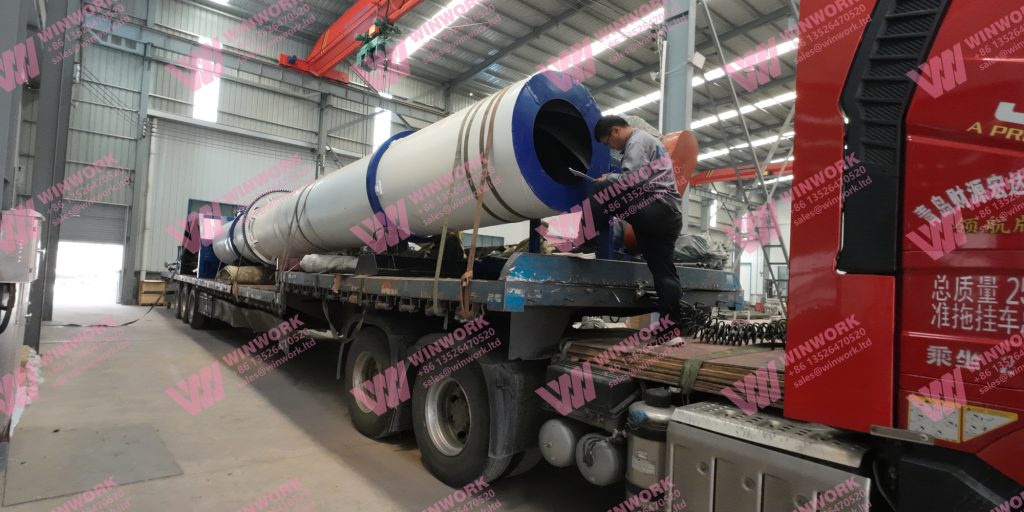
Finally, the cooled fertilizer is discharged from the rotor through a discharge device.
Rotary drum dryer is a kind of drying equipment commonly used in fertilizer production line, which is mainly used to dry the fertilizer raw materials with high humidity for subsequent processing and packaging. The rotary drum dryer is composed of rotating drum, feeding device, discharging device, transmission de

vice, hot gas system and electrical control system. Its working principle is the process that the fertilizer raw material with high humidity enters into the rotary drum through the feeding device and is dried in the rotary drum.
Through the transmission device to drive the rotation of the rotating drum, while the hot gas system will fuel combustion of hot air or water vapor into the rotating drum, the formation of thermal convection, the fertilizer raw materials in the moisture away, so as to achieve the effect of drying. Finally, the dried fertilizer is discharged from the rotor through a discharge device.
Choosing among these options depends on input moisture, desired final moisture (often below 15%), energy source availability, and plant layout.
Benefits of Dryer and Cooler
Adapting advanced dryer and cooler technology yields multiple operational and economic gains:
Stable Product Quality: By removing moisture and lowering temperature, dryer and cooler prevent microbial re‑growth and chemical degradation, ensuring NPK values remain consistent.
Extended Shelf Life & Reduced Clumping: Proper dryer and cooler treatment keeps granules free‑flowing, avoiding caking during storage and transport.
Continuous Production Capability: Unlike open‑air drying, dryer and cooler allow 24/7 operation regardless of rain or humidity, maximizing plant uptime.
Energy Efficiency: Many dryer and cooler systems recover heat from exhaust gases to preheat incoming air, cutting fuel consumption by 20–40%.
Dust and Odor Control: Enclosed dryer and cooler units contain particulates and odors, meeting environmental compliance more easily.
Scalability: From pilot units to industrial lines, dryer and cooler can be sized to match any capacity need, supporting business growth.
Versatility Across Materials: The same dryer and cooler concept applies to organic fertilizers, bio‑char, animal feeds, and some industrial bioproducts.
In practice, a fertilizer producer replaced open sun drying with a rotary dryer and cooler system, achieving 99% product stability, halving packaging losses, and raising annual output by 35%. This illustrates how dryer and cooler transform both quality and profitability.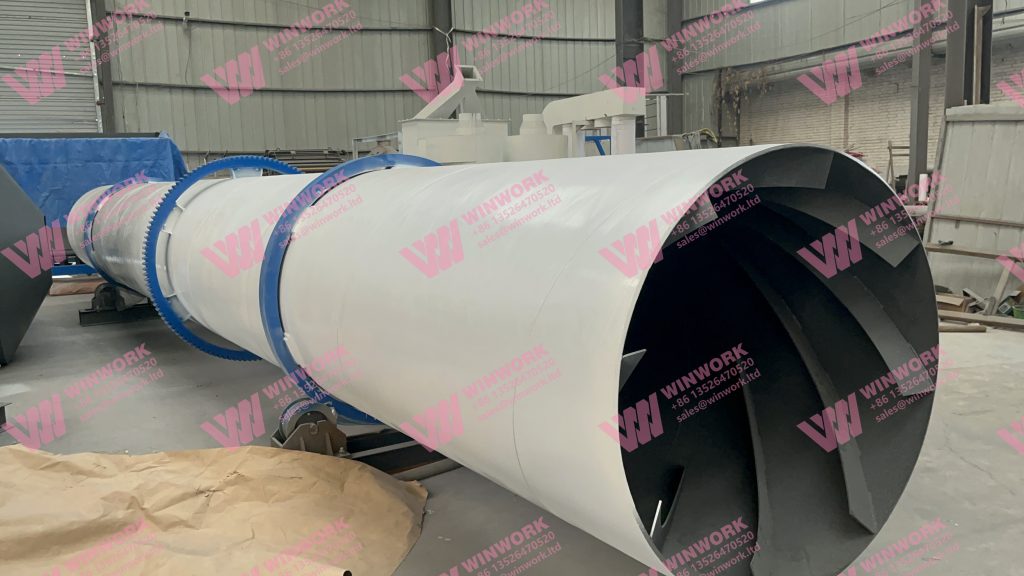
Selection and Maintenance Tips for Dryer and Cooler
When selecting units, assess feedstock moisture range, particle size, required throughput, available fuel (gas, biomass, coal), and emission limits. For high‑moisture fermented manure, a rotary dryer and cooler with biomass burner integration is effective; for delicate bio‑feeds, a belt dryer and cooler minimizes thermal damage.
Maintenance of them involves regular inspection of burners, seals, conveyors, and heat exchangers; cleaning of ducts to prevent fouling; calibration of temperature and humidity sensors; and lubrication of moving parts. Proactive upkeep ensures the deliver reliable performance over years.
FAQ – Frequently Asked Questions and Answers
Q1: Why do I need both instead of just drying?
A1: Drying removes moisture, but hot granules straight from a dryer can reabsorb ambient humidity or degrade biologically. The cooler stabilizes temperature, preventing condensation and preserving nutrient quality—both dryer and cooler are essential for a complete process.
Q2: Can them handle different raw materials in the same line?
A2: Yes, versatile designs can process various fermented feeds by adjusting residence time, airflow, and temperature settings, though some materials may require separate tuning.
Q3: Are dryer and cooler energy intensive?
A3: While they consume energy, modern dryer and cooler units use heat recovery, variable‑speed fans, and optimized airflow to minimize consumption. Biomass‑fueled dryer and cooler systems can even run on plant waste.
Q4: How low can moisture go with them?
A4: Depending on design, they can achieve final moisture contents of 5–15%, suitable for most fertilizer and bio‑product standards.
Conclusion
As organic fertilizer and bioproduct industries expand, the role of becomes ever more pivotal. These systems bridge fermentation and final product, delivering moisture control, temperature stabilization, and quality assurance in a single streamlined flow. Future innovations will likely feature AI‑driven process optimization, solar‑assisted heating, and even lower carbon footprints, reinforcing their status as linchpins of sustainable bio‑manufacturing.
It is clear that investing in advanced technology is a strategic move for any enterprise aiming to excel in organic fertilizer, bioenergy, and bioproduct markets.
For more details, please feel free to contact us.
Email: sales@lanesvc.com
Contact number: +86 13526470520
Whatsapp: +86 13526470520
Get A Quote