

Introduction
Walk into any farm supply store, and you’ll see shelves stacked with colorful bags of chemical fertilizer. For decades, farmers relied on these synthetic boosters to push crop yields higher. But there’s a hidden cost: degraded soil, polluted rivers, and a hefty annual bill that keeps getting bigger. Today, a quiet revolution is happening in the fields. Farmers are discovering that eco-friendly fertilization improves yield in a smarter, more sustainable way. It’s not about using less; it’s about using the right stuff, at the right time, in the right way.
What Exactly Is Eco-Friendly Fertilization?
When we say eco-friendly fertilization improves yield, we aren’t talking about just throwing compost on the ground and hoping for the best. It’s a strategic approach that uses natural, organic, or slow-release nutrient sources instead of harsh chemicals. The goal is to feed the soil’s microbiome first, which in turn feeds the plant. This creates a resilient growing environment where crops don’t just survive—they thrive. So to say Eco-friendly Fertilization Improves Yield.
The Science: How Eco-Friendly Fertilization Improves Yield
So, how exactly does this work? The mechanism is beautifully simple:
Soil Structure Improvement: Unlike chemicals that can harden soil over time, organic fertilizers add humus (decayed organic matter). This creates pore space for air and water, allowing roots to grow deeper. So to say Eco-friendly Fertilization Improves Yield.
Microbial Activation: Billions of beneficial bacteria and fungi in organic fertilizers unlock bound nutrients in the soil, making them available to plants naturally.
Slow-Release Nutrition: Instead of a quick burst that leaches away, eco-friendly methods provide a steady diet of nutrients throughout the growing season.
This is the core reason why eco-friendly fertilization improves yield: it builds a healthy ecosystem, not just a hungry crop. So to say Eco-friendly Fertilization Improves Yield.
Step-by-Step Guide to Eco-Friendly Fertilization
Step 1: Soil Testing (The Foundation)
Before you add anything, know what you have. A simple soil test ($15-20) tells you the pH and nutrient levels. You can’t improve what you don’t measure. This is the first step in ensuring eco-friendly fertilization improves yield for your specific land. This is to test your soil and then to decide which method is best for your soil and for your fields. So to say Eco-friendly Fertilization Improves Yield.
Step 2: Making and Applying Compost
This is the king of eco-friendly fertilizers. Use a Compost Turner to aerate piles of manure, straw, and food scraps. After 2-3 months, you get a dark, crumbly substance that is pure plant food. Spread it using a Broadcast Spreader.
Step 3: Using Green Manures (Cover Crops)
Don’t leave your soil naked after harvest! Plant crops like clover, vetch, or rye. When it’s time to plant your main crop, use a Roller Crimper or a No-Till Drill to terminate the cover crop and plant seeds simultaneously. The decaying green manure feeds the soil for free.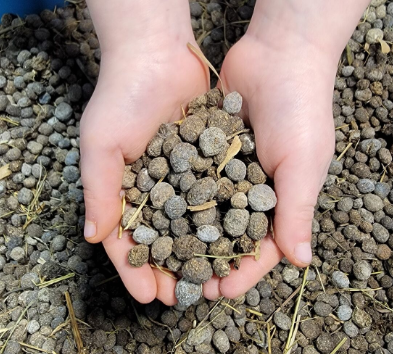
Manure has many benefits. For instance, it can better meet the nutrients required by the soil and promote the healthy growth of crops.
Step 4: Precision Application
Instead of broadcasting nutrients everywhere, use Drip Irrigation Lines with a Fertigation Tank. This injects liquid organic fertilizers (like fish emulsion or compost tea) directly to the root zone. This method proves that eco-friendly fertilization improves yield by reducing waste and maximizing uptake. So to say Eco-friendly Fertilization Improves Yield.
Essential Low-Cost Equipment
You don’t need a million-dollar budget to get started. Here are the tools that make this possible:
Compost Turner: The workhorse that speeds up decomposition. A small tractor-mounted unit can cost as little as $2,000.
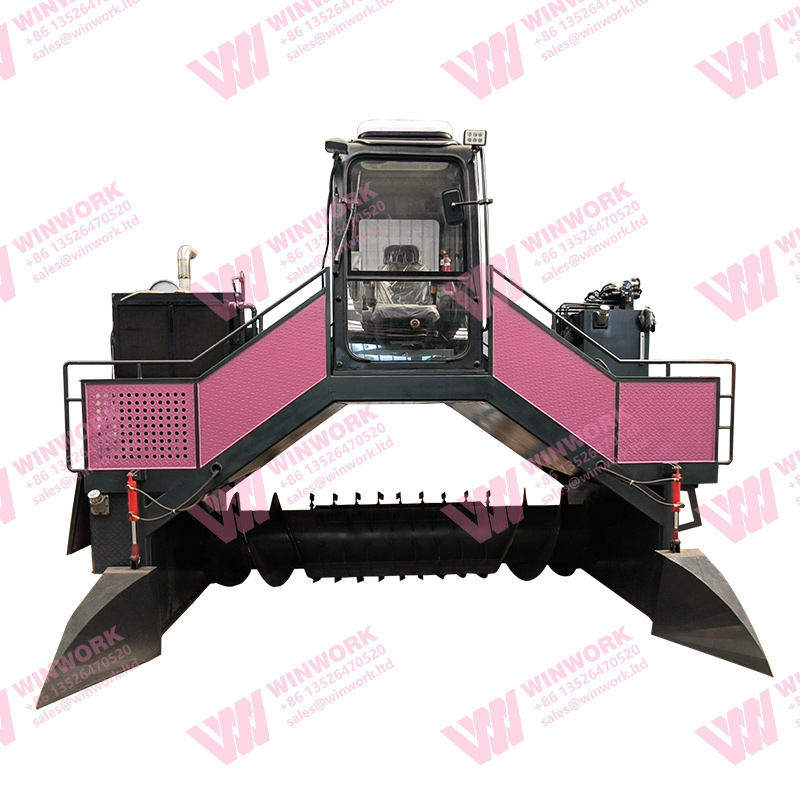
Crawler compost turner is an advanced compost turning equipment, specially designed for compost fermentation process, with the advantages of high efficiency, stability, easy operation and so on.
Crawler compost tumbler realizes automatic operation through crawler walking system, which is the necessary equipment for producing organic fertilizer granules and widely used in organic fertilizer production line.
Broadcast Spreader: For applying dry compost or pelletized organic fertilizers evenly across a field. So to say Eco-friendly Fertilization Improves Yield.
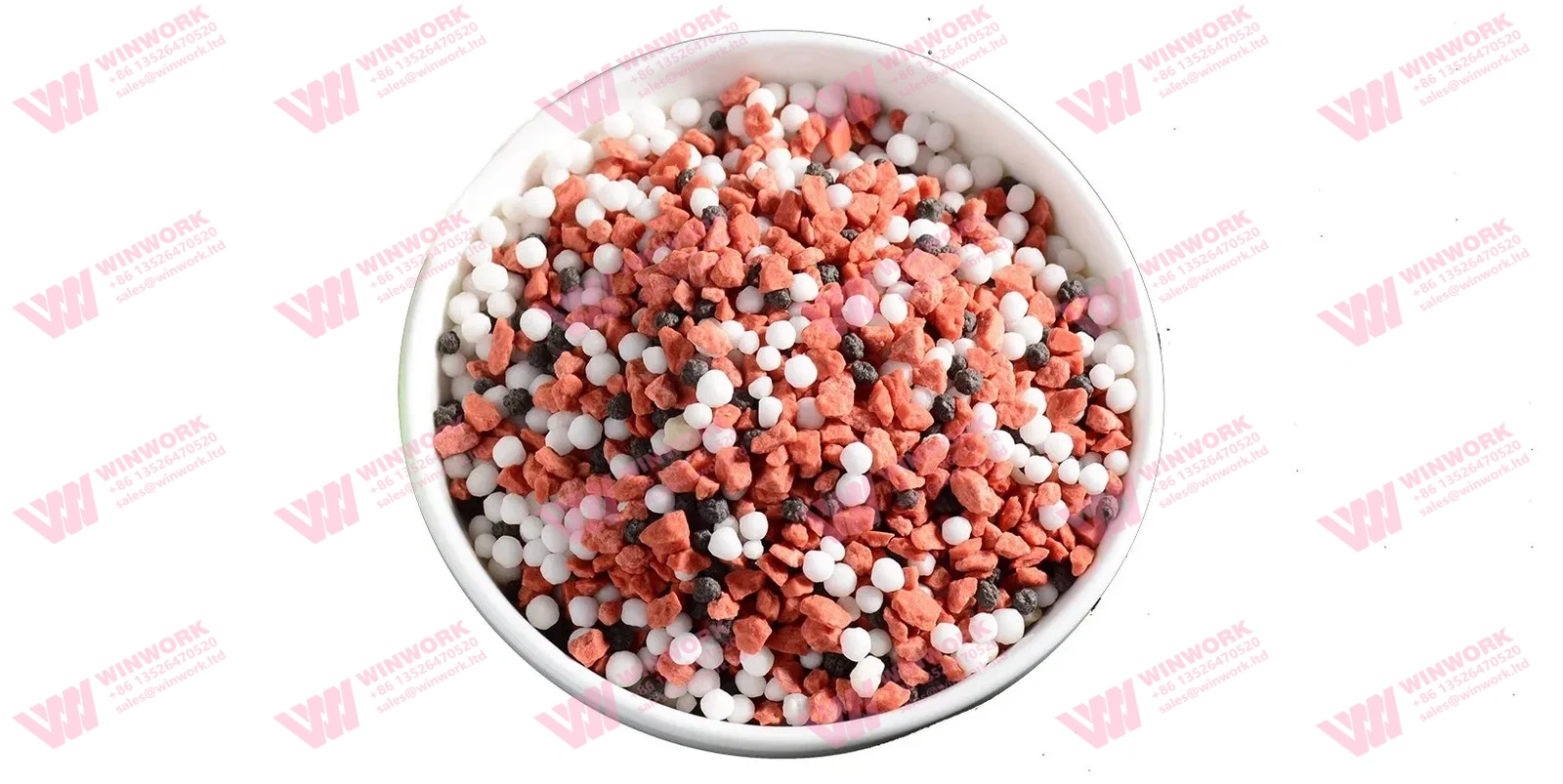
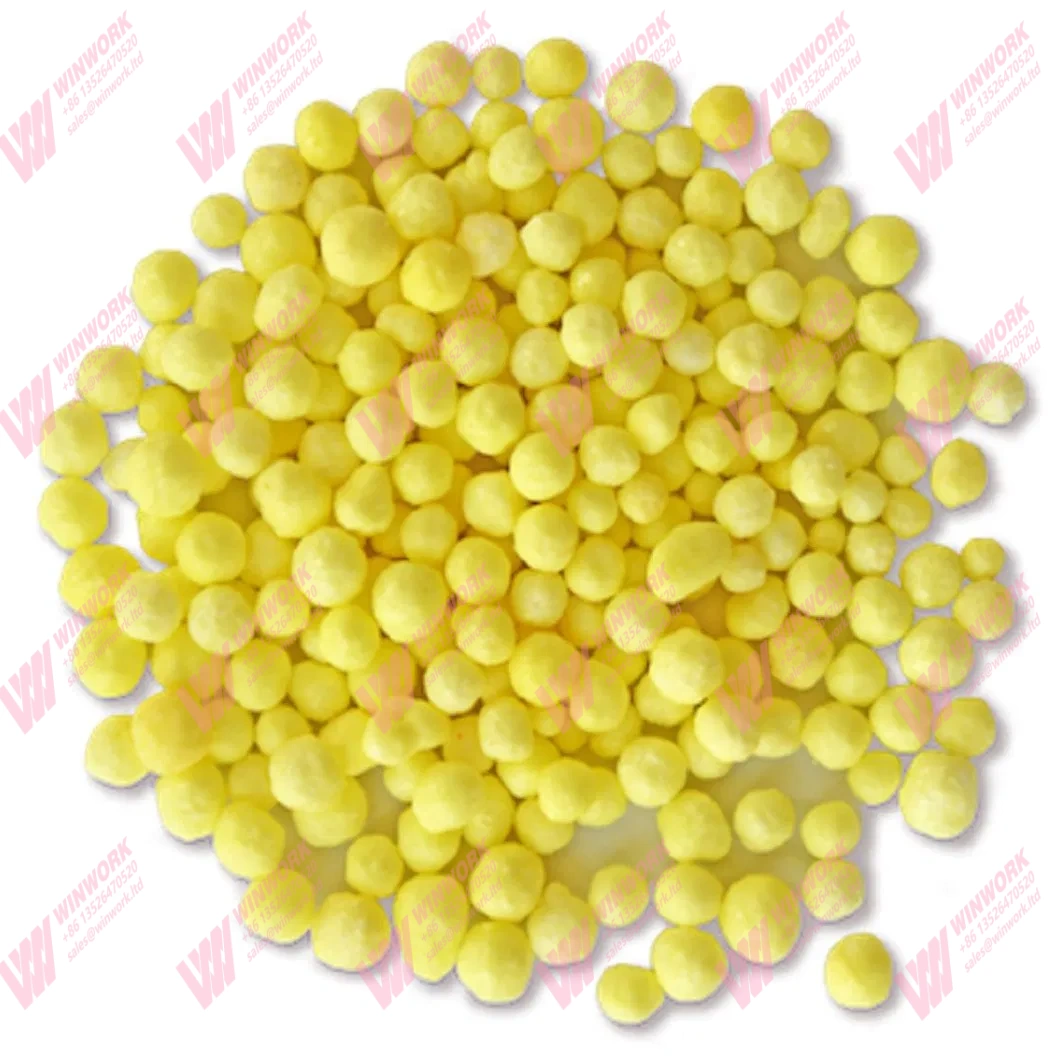
The pellets are very important, so you need to make your finished products into pellets and then you can store them for a long time.
New type organic fertilizer granulator, also known as churning teeth granulator, is a kind of high-efficiency molding equipment, simple principle, fast granulation speed.
New type organic fertilizer granulator using high-speed rotating mechanical mixing force and the resulting aerodynamic force, so that the fine powdery material in the machine continuously to achieve the process of mixing, granulation, spheroidization and densification, so as to achieve the purpose of high-quality granulation.
No-Till Drill: Allows you to plant seeds directly into a cover crop, minimizing soil disturbance.
Fertigation System: A simple tank and pump setup that connects to your existing drip lines.
Real Farm Example
The Millers grow apples in Washington State. They were spending $1,200 per acre on synthetic fertilizers and struggling with soil erosion. They switched to an eco-friendly program using compost from local horse manure and cover crops.
Their fertilizer cost dropped to $300 per acre.
Their soil organic matter increased by 2% in three years.
Most importantly, their apple yields went upby 15% because the trees were healthier and less stressed.
We proved that eco-friendly fertilization improves yield without a doubt, says Sarah Miller. Our soil is alive again, and so are our profits.
FAQ: Your Questions About Eco-Friendly Fertilization Answered
Q1: Is eco-friendly fertilization more expensive upfront?
A: Sometimes the initial equipment (like a no-till drill) is a big investment. However, the long-term savings on chemicals and the increase in yield make it far more profitable. The return on investment is how eco-friendly fertilization improves yield financially.
Q2: Does it work as fast as chemical fertilizer?
A: Not always. Chemical fertilizers give a quick “sugar rush,” while eco-friendly methods build long-term fertility. For sustained health and yield, the organic route is superior.
Q3: Can I transition slowly?
A: Absolutely. Start by applying compost to just one section of your farm. Prove to yourself that eco-friendly fertilization improves yield on a small scale before going all-in.
Q4: What if my soil is very poor?
A: Poor soil is the bestcandidate for this method. Start with heavy compost applications to rebuild the soil structure first.
Q5: Do I need to buy special seeds?
A: No. However, crops grown with eco-friendly fertilization tend to have stronger root systems, making them more resilient to drought and pests.
Q6: How do I deal with weeds without chemicals?
A: Cover crops are your best friend. They out-compete weeds for sunlight and nutrients. When terminated, they form a “mulch mat” that suppresses new weeds.
Q7: Is this method organic?
A: It can be. True “Organic” certification has strict rules, but this method follows the same principles of working withnature.
Q8: How does this prevent pollution?
A: By improving soil structure, water infiltration increases, and runoff decreases. Nutrients stay in the root zone instead of washing into rivers and lakes.
Q9: What about pests?
A: Healthier plants are more resistant to pests. Additionally, a healthy soil biome supports predatory insects that control pests naturally.
Q10: Where do I start?
A: Start with a soil test and a small compost pile. See for yourself how eco-friendly fertilization improves yield on your own land.
Conclusion
The evidence is in: eco-friendly fertilization improves yield by working smarter, not harder. It moves farming from a chemical-dependent industry to a biology-based one. By rebuilding soil health with compost, cover crops, and precision application, farmers can reduce their environmental footprint, lower their input costs, and ultimately grow more food on the same acreage. It’s a win for the farmer, a win for the consumer, and a win for the planet. The time to make the switch is now.
For more details, please feel free to contact us.
Email: sales@lanesvc.com
Contact number: +8613526470520
Whatsapp: +8613526470520
Get A Quote