

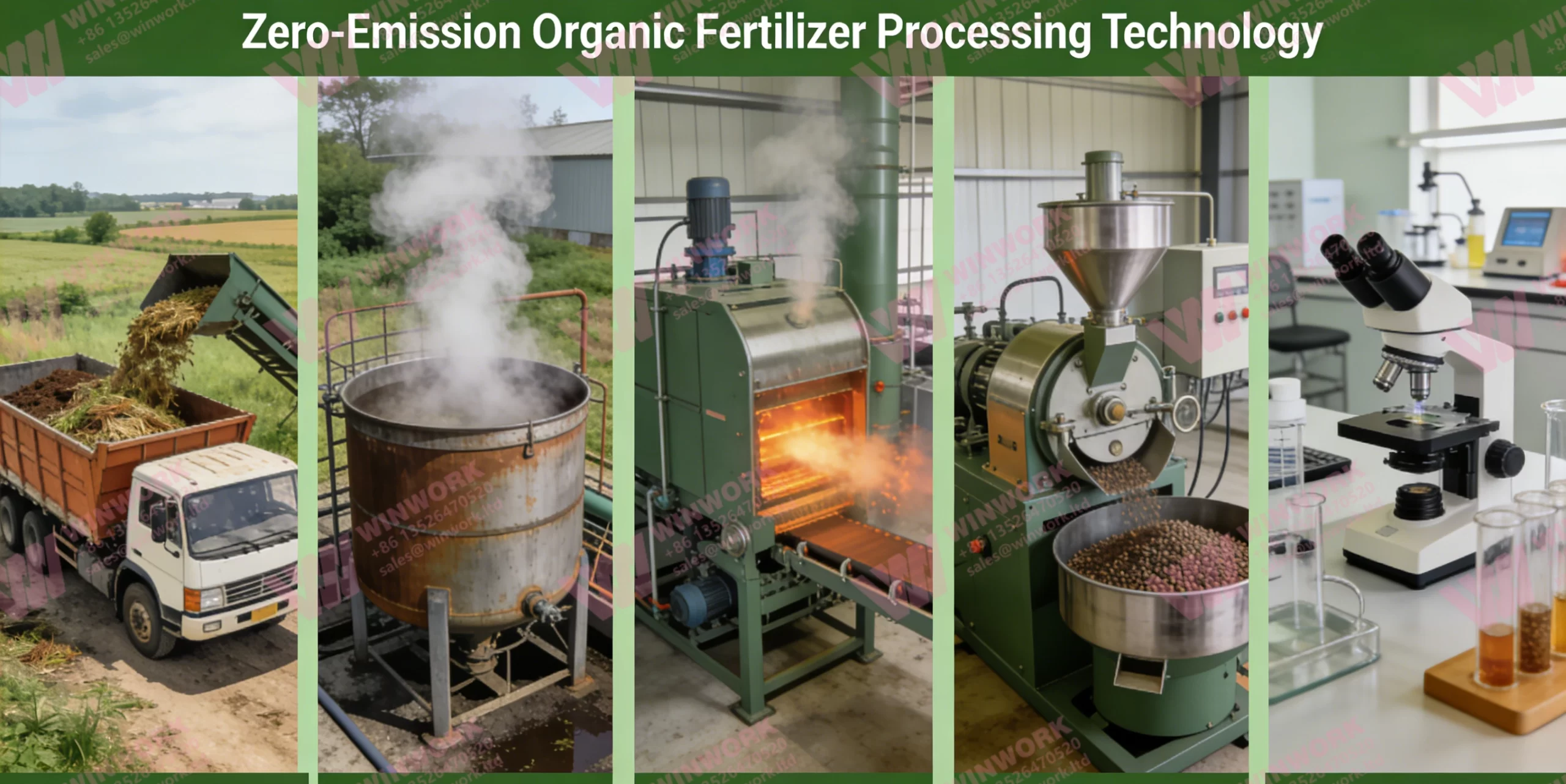
Introduction
For decades, industries and farms have treated energy as an endless, cheap resource. Lights blaze 24/7, motors run nonstop, and waste gets dumped without a second thought. But with energy prices climbing and climate concerns growing, that mindset is changing. Today, forward-thinking operators are embracing energy saving and consumption reduction—cutting power use while turning waste into valuable products. Let’s explore how this works, what tools you’ll need, and why it pays to act now.
Why Energy Saving and Consumption Reduction Matters
Global energy demand is rising, driving up costs.
Manufacturing and farming account for over 30% of global energy use.
Waste from these sectors—manure, crop stalks, food scraps—could generate power and fertilizer if handled right.
By focusing on energy saving and consumption reduction, you tackle both problems at once: lower your utility bills and create new revenue streams from materials you used to discard.
How to Achieve Energy Saving and Consumption Reduction
The key is to combine efficiency upgrades with waste-to-resource systems. Here’s a step-by-step approach:
Audit Your Energy Use
Start with an energy audit to identify waste. Check lighting, motors, heating/cooling, and idle equipment. This is the foundation of any energy saving and consumption reduction plan.
Upgrade to Efficient Equipment
Replace old motors with variable frequency drives (VFDs) that adjust power based on load. Switch to LED lighting and insulated storage buildings to cut heating/cooling costs. These are simple but powerful energy saving and consumption reduction moves.
Harness Waste for Energy
Use anaerobic digesters to convert manure and food waste into biogas. This gas fuels generators, boilers, or vehicles—slashing grid dependence. It’s the ultimate in energy saving and consumption reduction because it turns trash into power.
Recover Heat and Power
Install heat exchangers on dryers and kilns to capture waste heat for space heating or pre-drying materials. This is a classic energy saving and consumption reduction trick that pays off fast.
Automate and Monitor
Use smart controllers to shut off equipment when not in use. Real-time energy monitors show where you’re wasting power, so you can tweak operations.
Useful Equipment
Crawler compost tumbler realizes automatic operation through crawler walking system, which is the necessary equipment for producing organic fertilizer granules and widely used in organic fertilizer production line.
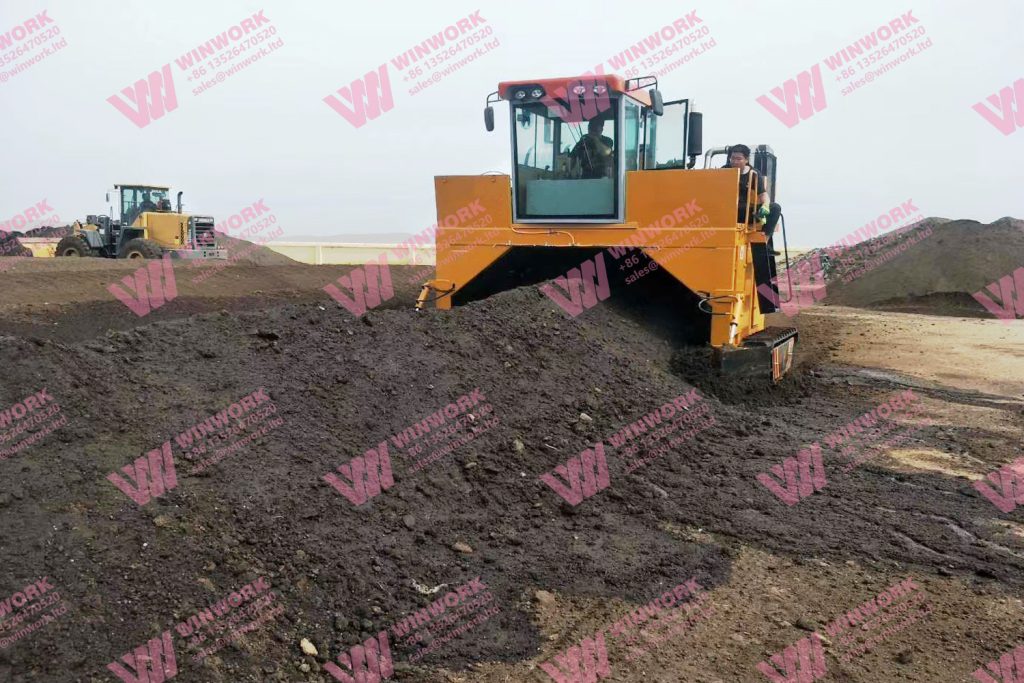
Compost Turner Working Site
Granulation: From Powder to Premium Pellets
Want to sell fertilizer in neat bags? Compost goes into a crusher, then a mixer with nutrients like potassium. Next, a granulator shapes it into pellets. Finally, a dryer and cooler ensure durability. This advanced manure treatment creates market-ready products.
These are essential steps for the fertilizer in shape, we can give you several machines for reference. Flat die granulator also called flat die pellet mill, it is a kind of pelletizing equipment used to press powdery raw materials into pellets, which is widely used in feed, fertilizer, biomass energy, chemical industry and other industries.
The rotary drying and cooling machine is a kind of high-efficiency equipment integrating drying and cooling, which is widely used in chemical industry, fertilizer, mining industry, building materials and other industries. The rotary drying and cooling machine realizes the continuous drying and cooling process of materials in the same body, which saves space and equipment investment and simplifies the process.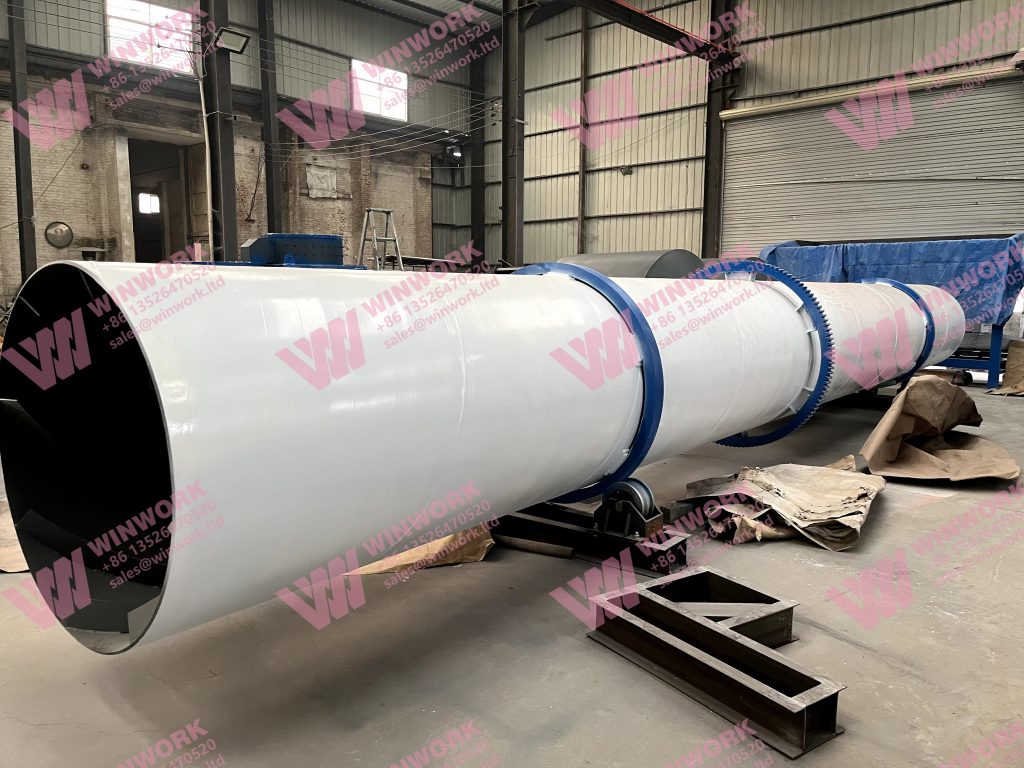
Real Farm Example
The Lis used to spend $1,200/month on electricity and $300/month on waste disposal. After a $2,500 energy audit, they:
Installed VFDs on pumps and fans, cutting energy use by 35%
Built a $15,000 anaerobic digester, generating biogas for water heating
Added heat exchangers to their compost dryer, reusing 40% of waste heat
Total savings? $1,100/month in energy and waste costs, plus $200/month selling excess compost. “Energy saving and consumption reduction turned our farm from a cost center into a profit engine,” says Mr. Li.
FAQ
Q1: Is energy saving and consumption reduction expensive?
A: Initial investments exist, but most pay for themselves in 1–3 years through lower bills. VFDs, LEDs, and insulation have the fastest ROI.
Q2: Can small farms do this?
A: Yes! Start with an energy audit, then add one or two efficient tools. A $200 VFD on a water pump is a simple energy saving and consumption reduction win.
Q3: How much energy can anaerobic digesters save?
A: A 10-cow digester can meet 30–50% of a small farm’s heating needs. Larger systems can power entire operations.
Q4: Does waste-to-energy smell bad?
A: Modern digesters are sealed. Gas is filtered, and residue is odorless compost. Proper energy saving and consumption reduction systems are clean.
Q5: How do I know if my equipment is efficient?
A: Check the nameplate for energy labels. Motors with VFDs and LED lights are easy to identify.
Q6: Can I sell excess power from biogas?
A: In many areas, yes! Grid-tied systems let you sell surplus electricity. This boosts energy saving and consumption reduction profits.
Q7: What’s the easiest first step?
A: Replace incandescent bulbs with LEDs. It’s cheap, quick, and cuts lighting costs by 60–80%.
Q8: Does insulation really help?
A: Yes! Insulating a storage shed can cut heating/cooling costs by 25–40%—a key energy saving and consumption reduction tactic.
Q9: How do I get started?
A: Contact your local agricultural extension or energy provider for an audit. They’ll pinpoint the best energy saving and consumption reduction opportunities.
Q10: Is it worth it for renters?
A: Even renters can save! Use LED bulbs, unplug unused electronics, and suggest energy audits to landlords. Every bit of energy saving and consumption reduction helps.
Conclusion
Energy saving and consumption reduction isn’t just about cutting costs—it’s about building a smarter, more sustainable operation. By combining efficient equipment, waste-to-energy systems, and smart monitoring, you can slash bills, reduce your carbon footprint, and even create new income. Whether you’re a small farm, a factory, or a homeowner, the principles of energy saving and consumption reduction apply. The sooner you start, the sooner you’ll see the benefits: lower bills, a cleaner conscience, and a more resilient future.
For more details, please feel free to contact us.
Email: sales@lanesvc.com
Contact number: +8613526470520
Whatsapp: +8613526470520
Get A Quote