

Introduction
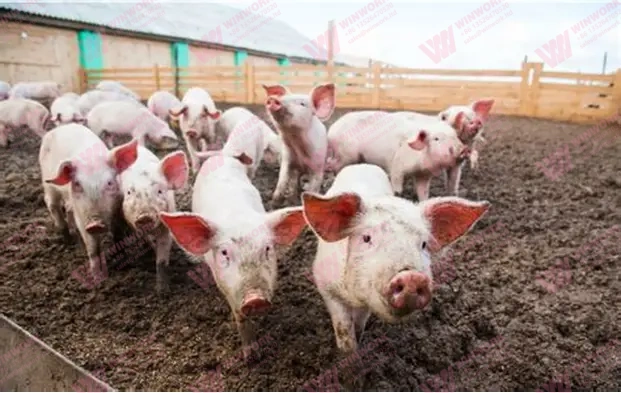
Walk into any farm office these days, and you’ll likely hear the same complaint: “The electricity bill is killing us.” Between running irrigation pumps, heating greenhouses, and powering barns, energy costs can feel like a permanent ball and chain. But what if you could cut that chain completely? The answer lies in a strategic shift toward farm energy self-sufficiency.
This isn’t some futuristic fantasy. Across the country, smart farmers are adopting simple, affordable technologies to generate their own power. By embracing the principles of the circular economy, they are turning manure, crop stalks, and even sunlight into free fuel. This guide breaks down how you can achieve farm energy self-sufficiency without breaking the bank.
Why Farm Energy Self-Sufficiency Is the Future
For decades, farmers have been price-takers, forced to accept whatever the power company charges. This dependence creates vulnerability. The push for farm energy self-sufficiency solves this by:
Slashing Operating Costs: Freeing up thousands of dollars annually that can be reinvested in the farm.
Creating Resilience: Protecting the farm from power outages and fluctuating fuel prices.
Generating New Income: Selling excess power back to the grid or producing value-added products like biofuels.
Meeting Green Standards: Satisfying consumer demand for sustainably produced food.
The Core Strategy: Waste-to-Energy for Farm Energy Self-Sufficiency
The quickest path to farm energy self-sufficiency is to stop buying energy and start making it from what you already have. Here’s the step-by-step plan:
Start with Anaerobic Digestion
This is the engine of farm power. A simple anaerobic digester (costing $10,000–$30,000 for a small farm) breaks down manure and food waste in an oxygen-free tank. The process produces biogas—primarily methane—which can be captured and used as fuel.
The biogas from the digester can be piped directly to a biogas generator (a modified generator or engine). This produces electricity to power your farm and heat for your water systems. This single step can get you 50-80% of the way to farm energy self-sufficiency.
Supplement with Solar
For powering electric fences, small pumps, or security lights, solar panels are cheaper than ever. A small 1kW solar kit can run essential systems independently, ensuring your progress toward farm energy self-sufficiency isn’t derailed by a cloudy day or generator maintenance.
Turn Waste Solids into Fuel Pellets
The leftover material from the digester, called digestate, is a fantastic fertilizer. But you can go further. Use a pelletizer to compress leftover straw and dry digestate into biomass fuel pellets. These can be burned in a specialized stove for space heating, completely replacing propane or natural gas.
Essential Equipment for Farm Energy Self-Sufficiency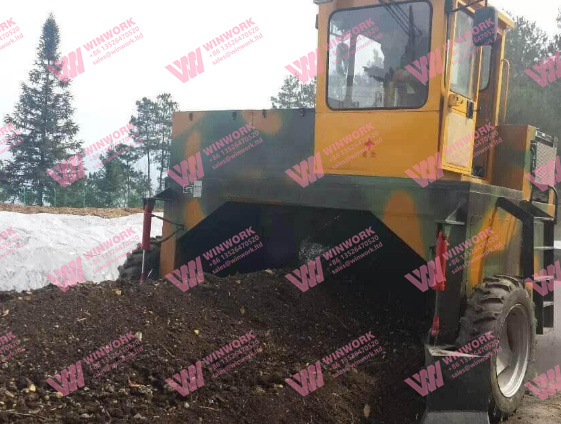
You don’t need a NASA-level budget to get started. Here are the key, affordable tools:
Small-Scale Anaerobic Digester: This is your primary investment. It’s essentially a sealed, heated tank. You can even build one yourself from a repurposed silage bag or a welded steel tank.
Biogas Generator/Boiler: A used diesel generator can often be converted to run on biogas for a few hundred dollars. Alternatively, a simple burner can be plumbed to a water heater.
Solid-Liquid Separator: Before digestion, separating solids from liquids helps manage the process and makes it more efficient. A basic screw press separator is a key piece of gear.
Flat Die Pelletizer: For under $3,000, this machine compresses dried organic matter into uniform fuel pellets, providing a backup heating source.
Solar Water Pumps/Irrigators: Small, independent solar kits for moving water are incredibly reliable and reduce your draw from the main grid.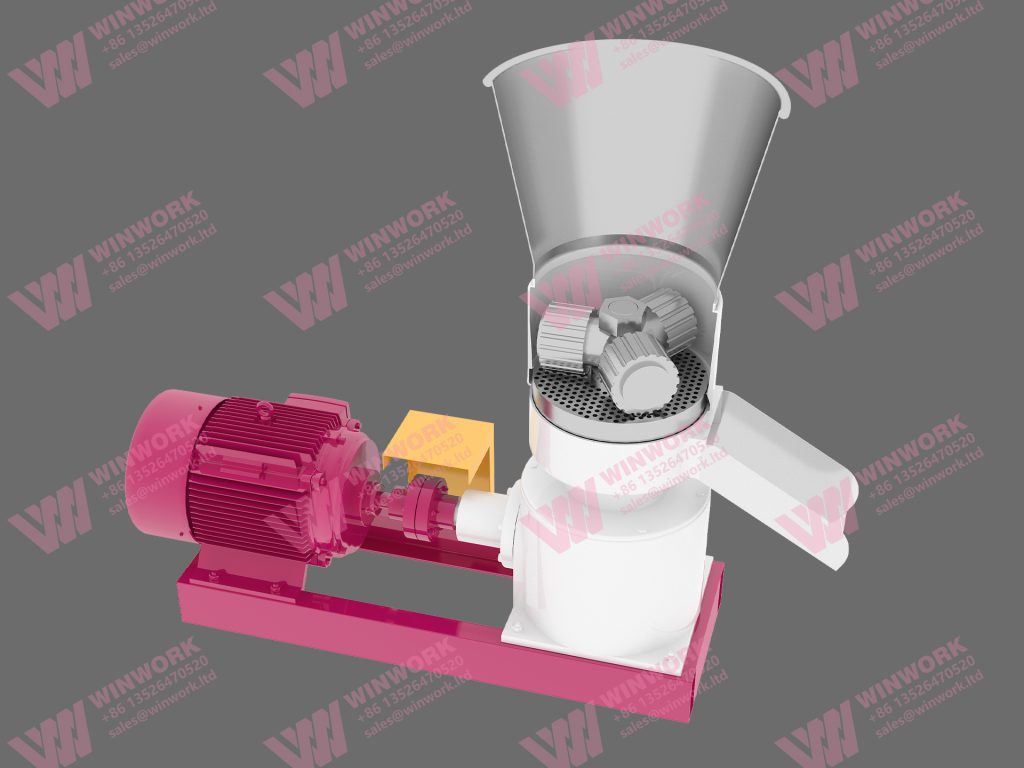
Real Farm Example
The Rodriguezes were spending $450 a month on propane for heating their greenhouse and $200 on electricity. By building a $12,000 DIY anaerobic digester (using a large, insulated tank and plumbing from a local supplier), they now power a converted 5kW generator. They also installed a $1,500 pelletizer. The results?
Electricity bill dropped to nearly zero.
Propane use for heating fell by 90%.
They sold $1,500 worth of compost and pellets to local nurseries.
They are now on the verge of complete farm energy self-sufficiency and have cut their annual energy costs by over $7,000.
FAQ: Your Questions About Farm Energy Self-Sufficiency Answered
Q1: Is achieving farm energy self-sufficiency realistic for a small farm?
A: Absolutely. Start with one system, like a digester for your manure. Every kilowatt-hour you generate yourself is money saved, bringing you closer to farm energy self-sufficiency.
Q2: What’s the biggest hurdle to getting off the grid?
A: The initial capital for the digester or solar array. However, the payback period is often just 3-5 years through savings and new income.
Q3: Can I really run a generator on manure gas?
A: Yes. Biogas has a high methane content, making it an excellent fuel. You just need to filter out the sulfur and moisture first, which can be done with a simple scrubber made from steel wool and water.
Q4: Do I need a lot of technical expertise?
A: Not at all. Most of the equipment for farm energy self-sufficiency is surprisingly simple. There are countless online forums and videos for DIY digesters and solar setups.
Q5: What if I don’t have livestock?
A: You can still achieve farm energy self-sufficiency! Focus on solar power and using crop residues (like corn stalks) in a combustion stove or for making fuel pellets.
Q6: Is it safe to store and use biogas?
A: Yes, with proper precautions. Biogas is flammable, so you need to store it in a well-ventilated area away from sparks, just like you would with a propane tank.
Q7: How much maintenance is involved?
A: A small digester needs checking every few days to ensure the temperature and feedstock are right. A solar panel needs occasional cleaning. It’s far less maintenance than a tractor.
Q8: Can I sell excess power?
A: In many regions, yes! Net metering allows you to sell power back to the grid, accelerating your journey to farm energy self-sufficiency.
Q9: What about winter? Does the digester freeze?
A: Digesters need to stay warm (around 95°F / 35°C) to work. Insulation and a small heating element (powered by the biogas itself!) keep it running year-round.
Q10: Where do I start with my plan for farm energy self-sufficiency?
A: Start by auditing your energy use. Find out what you spend on electricity and propane. Then, calculate how much manure or waste you produce. That data will tell you which system is the best fit.
Conclusion
The era of relying solely on external power companies is ending. By adopting a practical, step-by-step approach to farm energy self-sufficiency, farmers can take control of their operating costs, boost their resilience, and open up new revenue streams. The technology is accessible, the methods are proven, and the financial rewards are clear. Whether you have five acres or fifty, the path to farm energy self-sufficiency is open. Stop paying for energy, and start producing it.
For more details, please feel free to contact us.
Email: sales@lanesvc.com
Contact number: +8613526470520
Whatsapp: +8613526470520

Get A Quote