

In modern fertilizer manufacturing, raw materials rarely arrive in a perfectly usable form. Chemical fertilizers often cake during storage, organic materials form lumps during fermentation, and agricultural residues vary widely in size and moisture content. These issues directly affect mixing uniformity, granulation efficiency, and final product quality.
Fertilizer crushing machine is therefore a critical piece of equipment in both powder fertilizer and granulation fertilizer production lines. By reducing oversized materials into consistent particles, crushing machines help stabilize downstream processes and improve overall production efficiency.
This article explains what a fertilizer crushing machine is, why it is essential in fertilizer production lines, which raw materials require crushing, and how different crusher types are used in practice. It also compares common crusher models and provides guidance on selecting the right crusher and positioning it correctly within a fertilizer production line to help manufacturers choose a right crushing machine.
What Is a Fertilizer Crushing Machine?
Fertilizer crushing machine refers to mechanical equipment designed to reduce fertilizer raw materials or intermediate products into smaller, more uniform particles suitable for further processing.
Unlike fine grinding mills, fertilizer crushers focus on controlled size reduction rather than ultra-fine powder production. This distinction is important because excessive fines can increase dust, material loss, and processing difficulty in fertilizer systems.
Crushing machines are widely used in organic fertilizer, compound fertilizer, NPK fertilizer, and BB fertilizer production lines, where stable particle size is required for efficient mixing, granulation, or packaging.
Role of Fertilizer Crushing Machine in Fertilizer Production Lines
Fertilizer crushing machine plays a key role in fertilizer production by ensuring consistent material size before mixing and packaging.
In fertilizer lines, raw materials such as urea, ammonium sulfate, and livestock manure often form hard lumps during transportation and storage or have straw fibers which will affect final products. Crushing breaks these raw materials into uniform particles, preventing segregation during mixing.
Stable particle size also improves flowability, reduces dust formation, and increases weighing and packaging accuracy, directly affecting product appearance and customer acceptance.
Raw Materials Suitable for Fertilizer Crushing Machine Processing
Fertilizer crushing machine can process a wide range of raw materials, but machine selection must match material characteristics.
Organic fertilizer raw materials include composted manure, poultry litter, fermented agricultural waste, sludge, and crop residues. These materials often contain moisture and fibrous structures that require specialized crushing designs.
Chemical fertilizer raw materials include urea, DAP, MAP, ammonium sulfate, potassium salts, and mineral additives. These materials are typically brittle but may form strong agglomerates.
Bulk blending fertilizers usually require light crushing to remove oversized particles rather than full size reduction.
Applications of Fertilizer Crushing Machine in Organic Fertilizer Production
Fertilizer crushing machine is especially important in organic fertilizer systems because organic materials are irregular, sticky, and moisture-sensitive.
During composting and fermentation, organic materials form blocks and uneven clusters. Crushing improves uniformity, reduces granulation load, and stabilizes nutrient distribution.
Machines used in organic fertilizer lines must tolerate higher moisture levels and prevent clogging, which is why semi-wet crushers, vertical crushers, and double shaft crushers are commonly selected.
Applications of Fertilizer Crushing Machine in Chemical and Compound Fertilizer Production
Fertilizer crushing machine in chemical fertilizer lines focuses on breaking brittle materials efficiently without excessive fines.
Chemical fertilizers usually require precise particle size control to ensure consistent granulation or mixing. Over-crushing leads to dust loss and increases environmental control costs.
Horizontal crushers, hammer crushers, and cage crushers are widely used in compound fertilizer and NPK fertilizer production lines due to their high efficiency and stable output.
Common Types of Fertilizer Crushing Machine
Fertilizer crushing machines are designed in several structural forms to handle different raw materials, moisture levels, and production requirements in fertilizer processing lines.The common types are introduced as follows:
Fertilizer crushing machines using a horizontal crusher structure rely on high-speed rotating blades to break hard and dry materials into uniform particles.
This crusher is commonly used for urea, compound fertilizer, and other low-moisture chemical materials in continuous production lines.
Fertilizer crushing machines with vertical crusher designs use gravity-assisted impact to reduce material size efficiently.
This type is well suited for organic fertilizer materials with moderate moisture, helping prevent material buildup inside the crushing chamber.
Fertilizer crushing machines based on hammer crusher principles use high-speed hammers to impact and shatter brittle materials.
They are typically applied to phosphate rock, gypsum, and chemical fertilizer additives with low moisture content.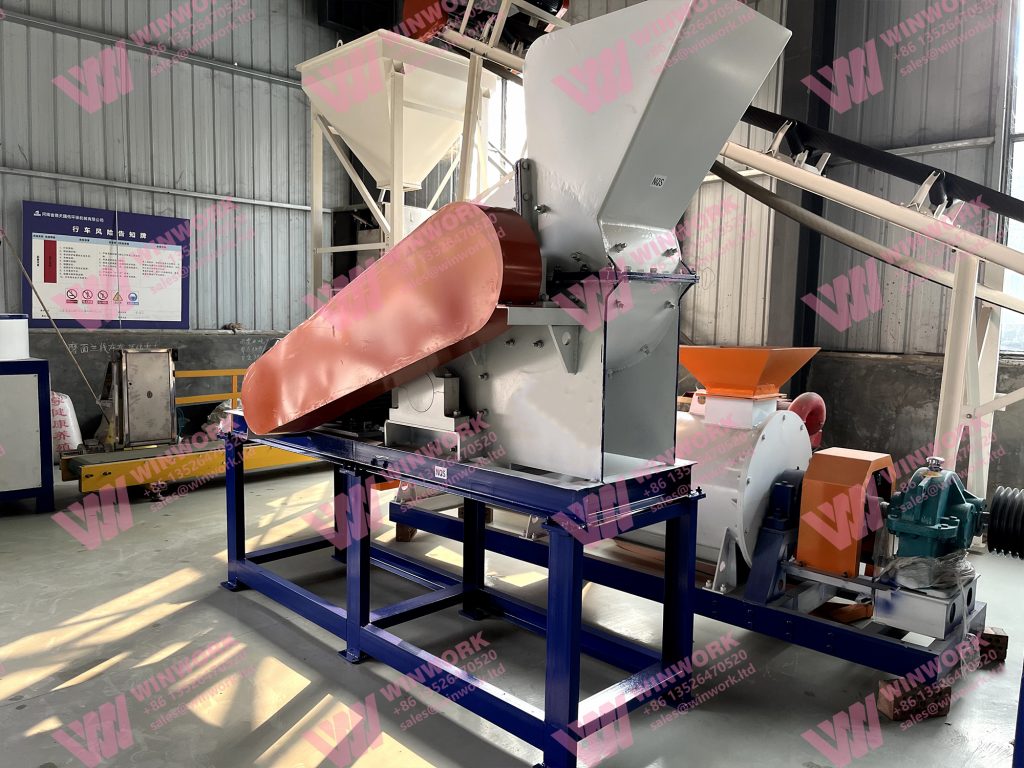
Fertilizer crushing machines designed as semi-wet crushers are developed specifically for high-moisture organic materials.
They are widely used in organic fertilizer production lines to process fresh manure, sludge, and fermented organic waste without clogging.
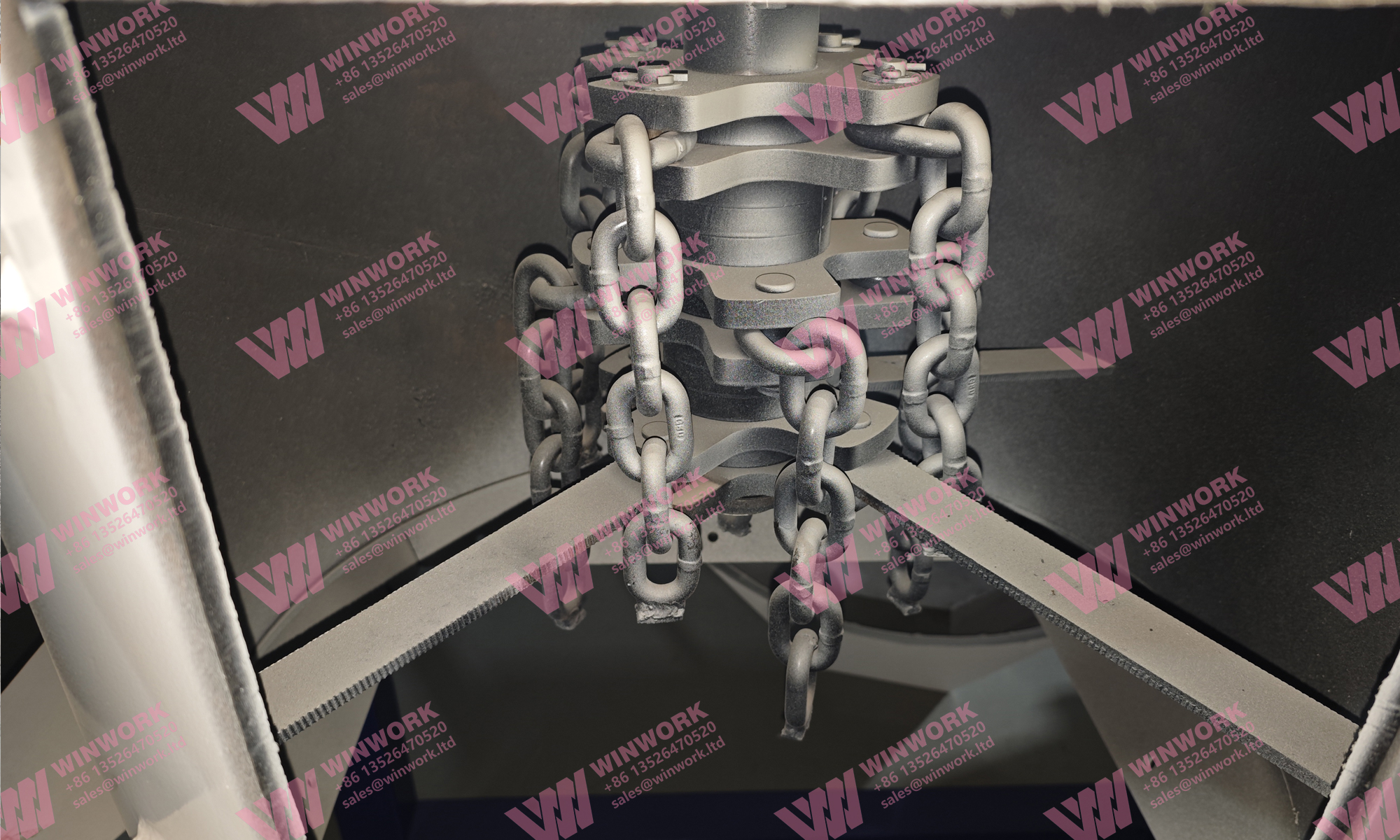
Fertilizer crushing machines using cage crusher structures apply multi-layer rotating cages to generate strong impact forces.
This crusher type is commonly installed in NPK and compound fertilizer production lines for crushing urea and ammonium phosphate materials.
Double Shaft Crusher
Fertilizer crushing machines with double shaft configurations use low-speed, high-torque shearing action to tear materials apart.
They are suitable for fibrous raw materials such as straw, crop residues, and mixed organic waste, offering stable operation and low dust.
Comparison of Common Fertilizer Crusher Types
Fertilizer crushing machine selection becomes easier when comparing key characteristics.
| Crusher Type | Suitable Materials | Moisture Tolerance | Typical Use |
| Horizontal Crusher | Urea, compound fertilizer | Low | Chemical fertilizer |
| Vertical Crusher | Compost, manure | Medium(30%-50%) | Organic fertilizer |
| Hammer Crusher | Gypsum, phosphate rock | Low | Additives |
| Semi-wet Crusher | Fresh manure, sludge | High | Organic fertilizer |
| Cage Crusher | Urea, DAP, MAP | Low(<5%) | NPK fertilizer |
| Double Shaft Crusher | Straw, fibrous waste | Medium | Organic fertilizer |
How to Choose the Right Fertilizer Crushing Machine for a Fertilizer Production Line
Different fertilizer production lines rely on different crushers.When manufacturers or enterprises choose right fertilizer crushers for your fertilizer production line,there are following principles you should consider first:
Raw material properties
Fertilizer crushing machine selection should start with raw material characteristics such as hardness, fiber content, and moisture level. Materials with high moisture or stickiness require crushers with anti-clogging structures to maintain stable operation.
Production capacity requirements
Target output directly determines crusher size, rotor strength, and motor power configuration. Undersized crushers increase wear and downtime, while oversized machines raise unnecessary energy consumption.
Downstream process compatibility
Particle size requirements depend on whether the next step is granulation, mixing, or direct packaging. Choosing a fertilizer crushing machine that delivers consistent and suitable particle size improves overall line efficiency.
Operating cost and maintenance frequency
Crusher design influences wear parts replacement cycles and maintenance workload. A properly matched fertilizer crushing machine reduces long-term operating cost and unplanned shutdowns.
Where to Install a Fertilizer Crushing Machine in the Production Process
A fertilizer crushing machine can be installed at different positions in a production line depending on whether the final product is powder or granules.
In powder fertilizer production lines, the crusher is usually placed before the mixing stage to ensure all raw materials have a uniform particle size. This improves mixing efficiency and prevents segregation during storage and packaging.
In granulated fertilizer production lines, a fertilizer crushing machine is commonly used before granulation to prepare raw materials, or after drying to crush oversized or returned granules for recycling. Proper crusher placement improves material flow, increases recycling efficiency, and helps maintain stable overall production output.
Dust Control in Fertilizer Crushing Machine Operation
Fertilizer crushing machine operation often produces dust when dry or brittle raw materials are reduced in size, especially under high-speed impact conditions. Excessive dust can cause material loss, environmental issues, and safety risks, making dust control an important consideration when designing a fertilizer crushing machine system.
In practice, hammer crushers, cage crushers, and horizontal crushers usually generate higher dust levels and are commonly equipped with cyclone or bag-type dust collectors, while semi-wet crushers and double shaft crushers produce less airborne dust due to higher material moisture and lower impact speed. Evaluating raw material properties and crusher working principles helps determine whether a fertilizer crushing machine requires an integrated dust removal system.
Maintenance Considerations
Fertilizer crushing machine reliability and output stability depend heavily on proper maintenance planning and wear part control throughout daily operation.
Routine inspection and monitoring
Regular checks of blades, hammers, shafts, and bearings help identify early signs of wear or imbalance. Early detection reduces the risk of sudden breakdowns and unplanned production stops.
Wear part replacement management
Timely replacement of high-wear components ensures stable particle size and consistent crushing performance. Delayed replacement often leads to uneven output and increased energy consumption.
Cleaning and lubrication practices
Proper cleaning prevents material buildup that can cause blockage or vibration. Correct lubrication reduces mechanical friction and extends the overall service life of the fertilizer crushing machine.
Frequently Asked Questions about Fertilizer Crushing Machine
Q1: Is a fertilizer crushing machine necessary for all fertilizer production lines?
It is necessary whenever raw materials are oversized, caked, or inconsistent in particle size.
Q2: Can one fertilizer crushing machine handle both organic and chemical materials?
Most crushers are designed for specific material properties and cannot efficiently handle all types.
Q3: Does crushing affect fertilizer granulation quality?
Uniform crushing improves granulation stability and final product consistency.
Q4: Where should a fertilizer crushing machine be installed in a production line?
It is usually placed before mixing or granulation, or after drying for material recycling.
Q5: How does moisture content influence fertilizer crushing machine selection?
Higher moisture levels require anti-clogging designs such as semi-wet or double shaft crushers.
Conclusion
Fertilizer crushing machine is a foundational component of efficient fertilizer production. Whether processing organic waste or chemical raw materials, proper crusher selection directly affects product quality, energy consumption, and operating stability.
By understanding crusher types, raw material behavior, and production line integration, manufacturers can build reliable and cost-effective fertilizer systems that support long-term production goals.
For more details, please feel free to contact us.
Email: sales@lanesvc.com
Contact number: +86 13526470520
Whatsapp: +86 13526470520
Get A Quote