

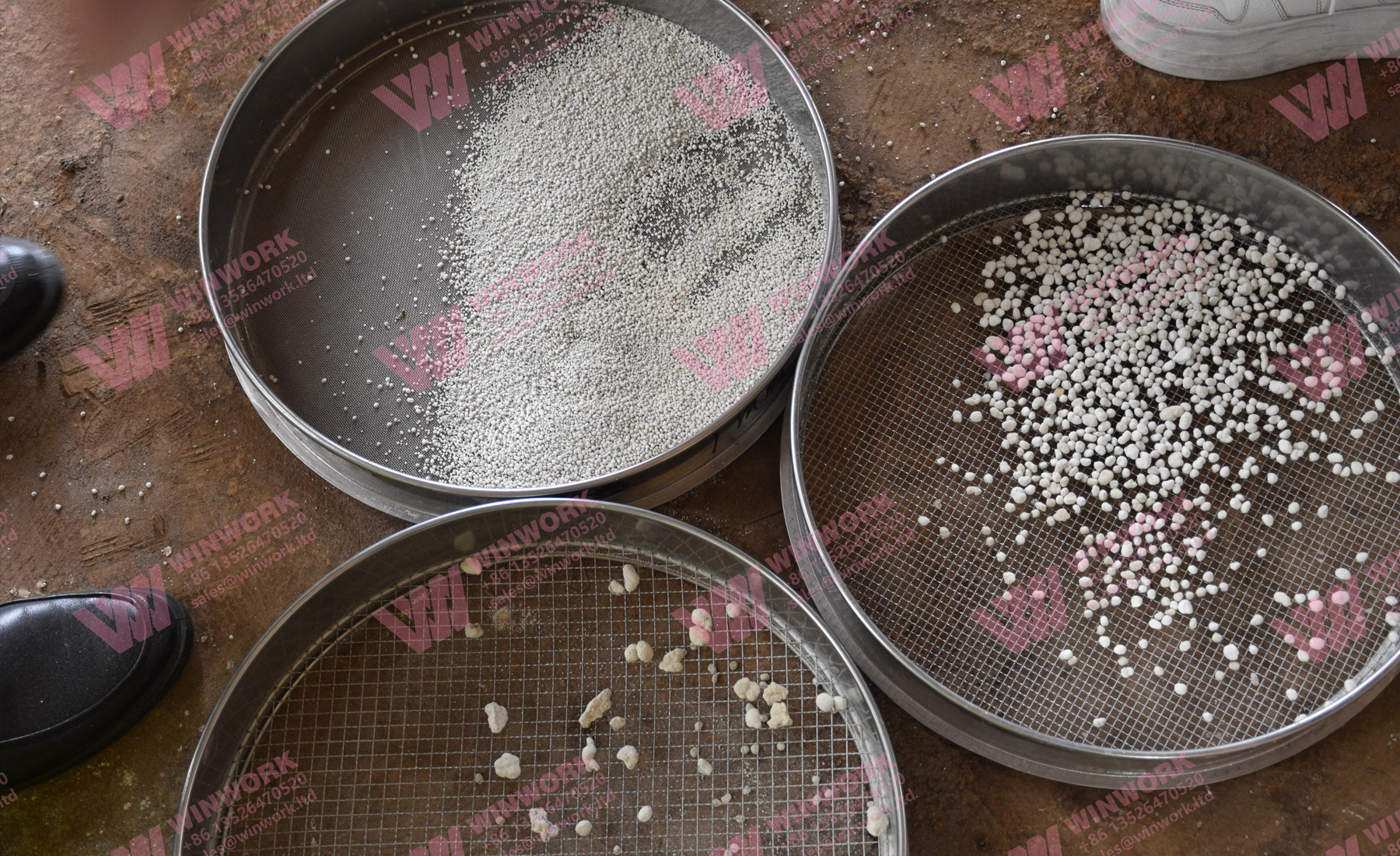
Fertilizer granulators are core equipment in compound fertilizer, organic fertilizer, and NPK fertilizer production lines. Stable operation of granulation equipment directly affects product quality, production efficiency, and operating costs. Therefore, Fertilizer Granulator Maintenance is not only a daily task for operators, but also a long-term strategy for manufacturers to protect their investment and ensure consistent output.
This article provides 8 comprehensive guides to fertilizer granulator maintenance, covering routine inspection, lubrication, wear part replacement, and maintenance practices for different types of granulators commonly used in fertilizer production lines. Proper maintenance can significantly extend equipment service life, reduce downtime, and improve overall plant performance.
Why Fertilizer Granulator Maintenance Is Critical
Granulation equipment usually operates under harsh conditions such as high humidity, continuous load, abrasive raw materials, and long operating hours. Without proper Fertilizer Granulator Maintenance, common problems may occur:
- Uneven granule size and low pellet strength
- Excessive vibration or abnormal noise
- Bearing overheating or shaft misalignment
- Rapid wear of rollers, dies, or linings
- Unexpected shutdowns and increased maintenance costs
Regular and systematic maintenance helps ensure that the granulator operates efficiently and safely while maintaining stable product quality.
Daily Fertilizer Granulator Maintenance Practices
Daily maintenance focuses on early detection of potential problems and maintaining stable operation.
Visual Inspection Before Startup
Operators should check the following before starting the machine:
- Fasteners and bolts for looseness
- Transmission components for abnormal wear
- Safety guards and protective covers
- Residual material buildup inside the granulator
Early inspection is the foundation of effective Fertilizer Granulator Maintenance and helps prevent sudden equipment failure.
Lubrication Management
Lubrication directly affects the lifespan of bearings, gears, and shafts.
- Use lubricants recommended by the equipment manufacturer
- Maintain proper lubrication intervals
- Avoid over-lubrication, which may cause contamination or overheating
A standardized lubrication schedule is essential for consistent Fertilizer Granulator Maintenance.
Weekly and Monthly Maintenance Checklist
In addition to daily checks, periodic maintenance ensures long-term reliability.
Weekly Maintenance
- Inspect bearings for noise or excessive heat
- Check belt or chain tension
- Clean granulation chambers and discharge ports
- Verify electrical connections and sensors
Monthly Maintenance
- Measure wear of liners, rollers, and dies
- Check alignment of shafts and couplings
- Inspect reducer oil condition and replace if necessary
- Test safety and emergency stop systems
This layered maintenance approach improves the effectiveness of Fertilizer Granulator Maintenance and reduces unexpected downtime.
Maintenance Considerations for Different Types of Fertilizer Granulators
Different granulators have unique structures and working principles. Understanding these differences is critical for targeted maintenance. Below are maintenance guidelines for commonly searched and widely used fertilizer granulators.
Rotary Drum Granulator Maintenance
The rotary drum granulator is widely used in large-scale compound fertilizer and NPK fertilizer production lines.
Key Maintenance Points
- Regularly inspect the inner lining to prevent uneven wear
- Check the support rollers and thrust rollers for proper alignment
- Monitor the drum rotation for smooth and stable movement
- Clean material buildup on the drum wall
Rotary drum equipment usually runs continuously, so Fertilizer Granulator Maintenance should focus on structural stability and wear protection.
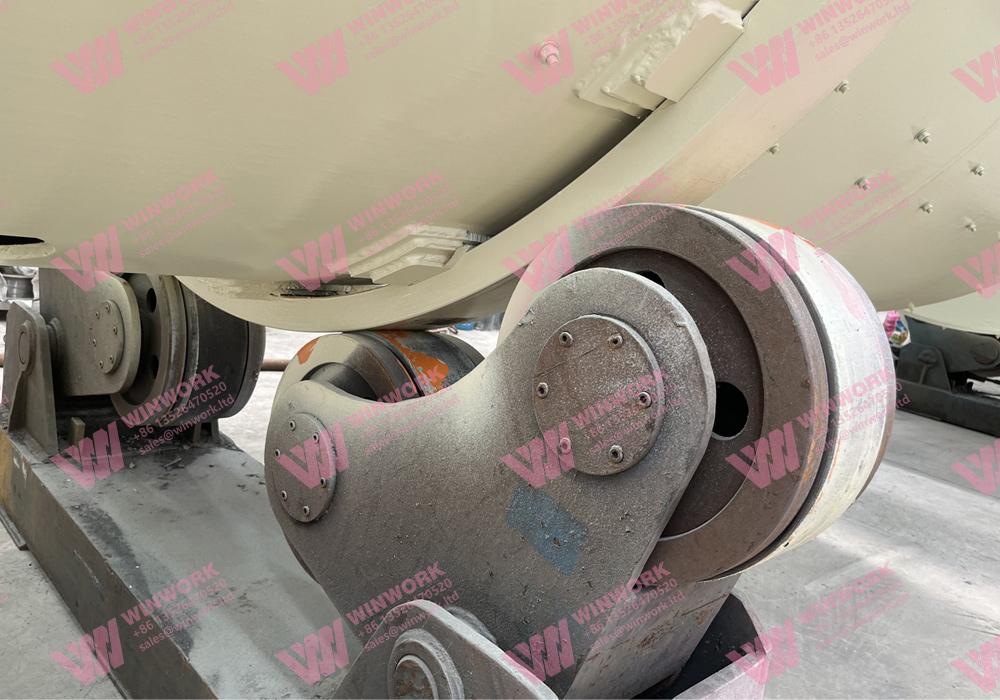
Rotary drum granulator rollers
Double Roller Granulator Maintenance
Double roller granulators are commonly used for dry granulation processes.
Key Maintenance Points
- Monitor roller surface wear and granulation pressure
- Adjust roller gap regularly to ensure uniform pellet formation
- Inspect hydraulic or mechanical pressure systems
- Replace worn rollers in time to avoid poor granulation quality
In Fertilizer Granulator Maintenance for double roller systems, pressure control and roller condition are the most critical factors.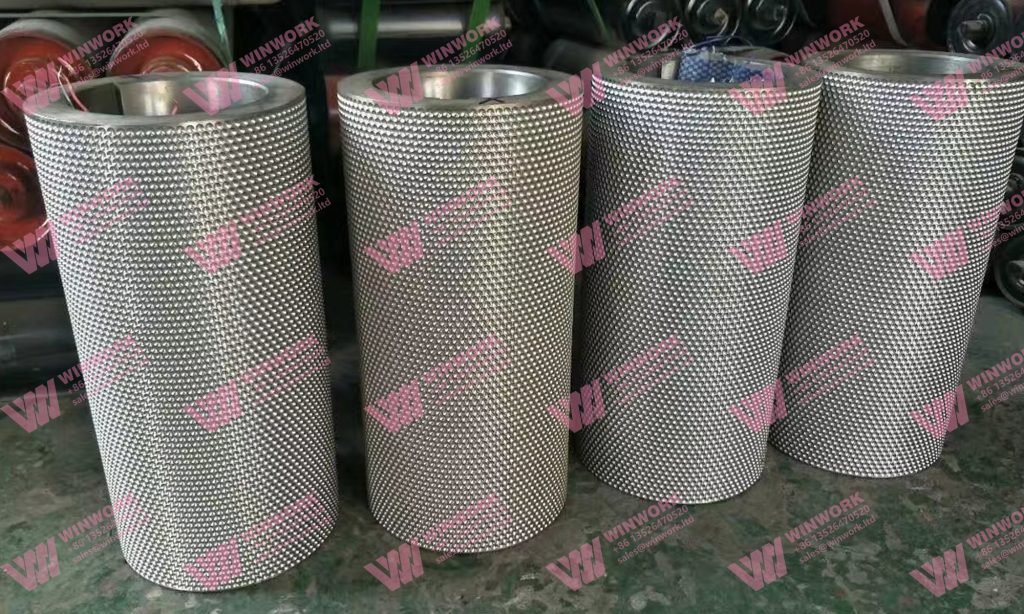
Disc Granulator Maintenance
Disc granulators are popular for small to medium fertilizer plants due to flexible operation and simple structure.
Key Maintenance Points
- Maintain proper disc angle and rotation speed
- Inspect the scraper and replace it if worn
- Clean the disc surface to prevent material adhesion
- Lubricate disc bearings regularly
Stable disc operation is essential for consistent pellet size, making routine Fertilizer Granulator Maintenance particularly important.
Stirring Pin Granulator Maintenance
Stirring pin granulators are widely used in organic fertilizer and compound fertilizer granulation.
Key Maintenance Points
Inspect stirring pins and replace worn or broken ones
- Check the internal lining for abrasion
- Ensure stable feeding to avoid overload
- Monitor vibration levels during operation
Due to high internal friction, Fertilizer Granulator Maintenance for stirring pin granulators should emphasize wear part inspection.
New Type Organic Fertilizer Granulator Maintenance
This type of granulator is designed for high-moisture organic materials and biological fermentation products.
Key Maintenance Points
- Prevent material blockage by cleaning the chamber regularly
- Inspect the rotor and pins for corrosion
- Check sealing components to avoid leakage
- Monitor temperature during continuous operation
Organic fertilizer production places higher demands on Fertilizer Granulator Maintenance due to material characteristics.
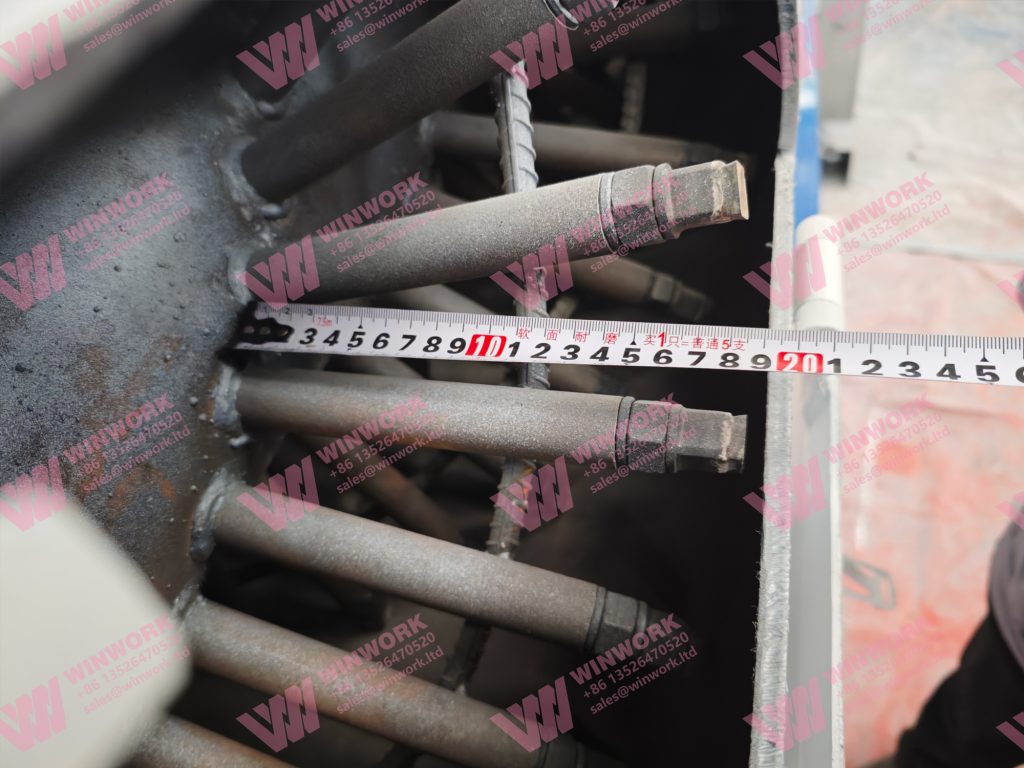
Measurement and inspection of stirring pin
Ring Die Granulator Maintenance (Vertical & Horizontal)
Ring die granulators are commonly used for pelletizing organic fertilizer, biomass, and compound fertilizer.
Key Maintenance Points
- Inspect ring die wear and replace when hole deformation occurs
- Check roller clearance and pressure
- Maintain proper lubrication of main shaft bearings
- Control feeding uniformity to reduce die stress
Whether vertical or horizontal, ring die systems require precise Fertilizer Granulator Maintenance to maintain pellet density and shape.
Wear Parts Management and Replacement Strategy
Wear parts are unavoidable consumables in fertilizer granulators. Effective management reduces operating costs, minimizes unexpected downtime, and helps extend overall equipment service life.
Common Wear Parts
Rollers and roller shells
Rollers and roller shells are directly involved in granulation and are subject to continuous pressure and abrasion from raw materials. Regular inspection of surface wear and timely replacement help maintain stable granule size and prevent uneven granulation performance.
Ring dies and flat dies
Ring dies and flat dies determine the final shape and density of fertilizer granules and gradually wear due to long-term extrusion. Monitoring die hole deformation and surface wear is critical to ensuring consistent pellet quality and reducing energy consumption.
Linings and scrapers
Linings and scrapers protect the granulation chamber and prevent material buildup during operation. Worn linings or damaged scrapers can cause material adhesion and uneven granulation, making periodic inspection and replacement necessary.
Bearings and seals
Bearings and seals support rotating components and ensure smooth and stable operation of the granulator. Poor lubrication or worn seals can lead to overheating, contamination, and premature bearing failure.
Replacement Strategy
Establish wear tracking records
Recording the service life and replacement intervals of key wear parts helps operators predict maintenance cycles more accurately. Historical data also supports better spare parts planning and inventory management.
Replace parts before failure affects production
Preventive replacement reduces the risk of sudden equipment breakdowns and production interruptions. Replacing worn parts in advance is usually more cost-effective than dealing with emergency repairs and unplanned downtime.
Use original or manufacturer-approved spare parts
Original or approved spare parts ensure proper fit, material quality, and compatibility with the equipment. Using non-standard parts may reduce initial costs but often leads to faster wear and reduced equipment reliability.
A proactive wear management plan is an essential part of Fertilizer Granulator Maintenance for production lines, ensuring stable operation, consistent product quality, and long-term cost control.
Maintenance During Long-Term Shutdown
If the granulator is not used for an extended period:
- Clean all internal and external surfaces
- Apply rust prevention oil to key components
- Disconnect power and protect electrical parts
- Rotate shafts periodically to prevent deformation
Proper shutdown maintenance ensures that Fertilizer Granulator Maintenance remains effective even during idle periods.
Integrating Maintenance into the Fertilizer Production Line
For equipment manufacturers and production line suppliers, maintenance should be considered during system design to ensure long-term, stable, and cost-effective operation.
Ensure sufficient maintenance space
Adequate space around key equipment allows technicians to perform inspections, part replacement, and repairs safely and efficiently. Proper layout planning also reduces downtime by simplifying routine maintenance and emergency interventions.
Design easy-access structures for wear parts
Wear parts should be positioned for quick access without requiring major disassembly of surrounding components. This design approach shortens maintenance time and lowers labor costs during regular replacement cycles.
Provide clear maintenance manuals and training
Detailed maintenance manuals help operators follow correct procedures and avoid improper handling that may damage equipment. Regular training ensures that maintenance personnel understand equipment structure, wear characteristics, and safety requirements.
A well-designed system makes Fertilizer Granulator Maintenance easier and more efficient for end users, improving overall production reliability and extending equipment service life.
Frequently Asked Questions (FAQ) about fertilizer granulator maintenance
- How often should fertilizer granulators be maintained?
Routine inspections should be performed daily, while detailed maintenance is recommended weekly or monthly depending on operating hours and production intensity. - What are the most common causes of granulator wear?
Continuous abrasion from raw materials, improper lubrication, and unstable feeding conditions are the primary factors accelerating component wear. - Can proper maintenance really extend the service life of a fertilizer granulator?
Yes, systematic maintenance reduces mechanical stress, prevents unexpected failures, and significantly extends the overall service life of the equipment. - Which parts require the most frequent inspection and replacement?
Wear parts such as rollers, dies, linings, bearings, and seals should be inspected regularly due to their direct exposure to friction and pressure. - Is it necessary to use manufacturer-approved spare parts?
Using manufacturer-approved parts ensures proper fit and material quality, helping maintain stable operation and avoid secondary equipment damage.
Conclusion
Effective Fertilizer Granulator Maintenance is the foundation of stable fertilizer production, long equipment service life, and low operating costs. By implementing systematic daily inspections, scheduled maintenance, and targeted care for different granulator types, manufacturers can significantly improve productivity and equipment reliability.
For fertilizer equipment manufacturers and production line suppliers, providing professional maintenance guidance and high-quality spare parts not only improves customer satisfaction but also enhances long-term cooperation. Whether operating a rotary drum granulator, double roller granulator, disc granulator, or organic fertilizer granulation system, a well-planned maintenance strategy is always a worthwhile investment.
For more details, please feel free to contact us.
Email: sales@lanesvc.com
Contact number: +8613526470520
Whatsapp: +8613526470520
Get A Quote