

Introduction
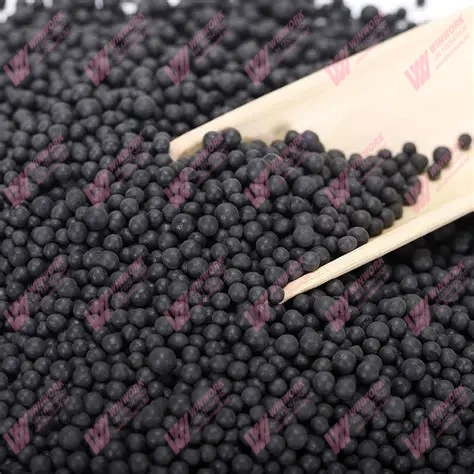
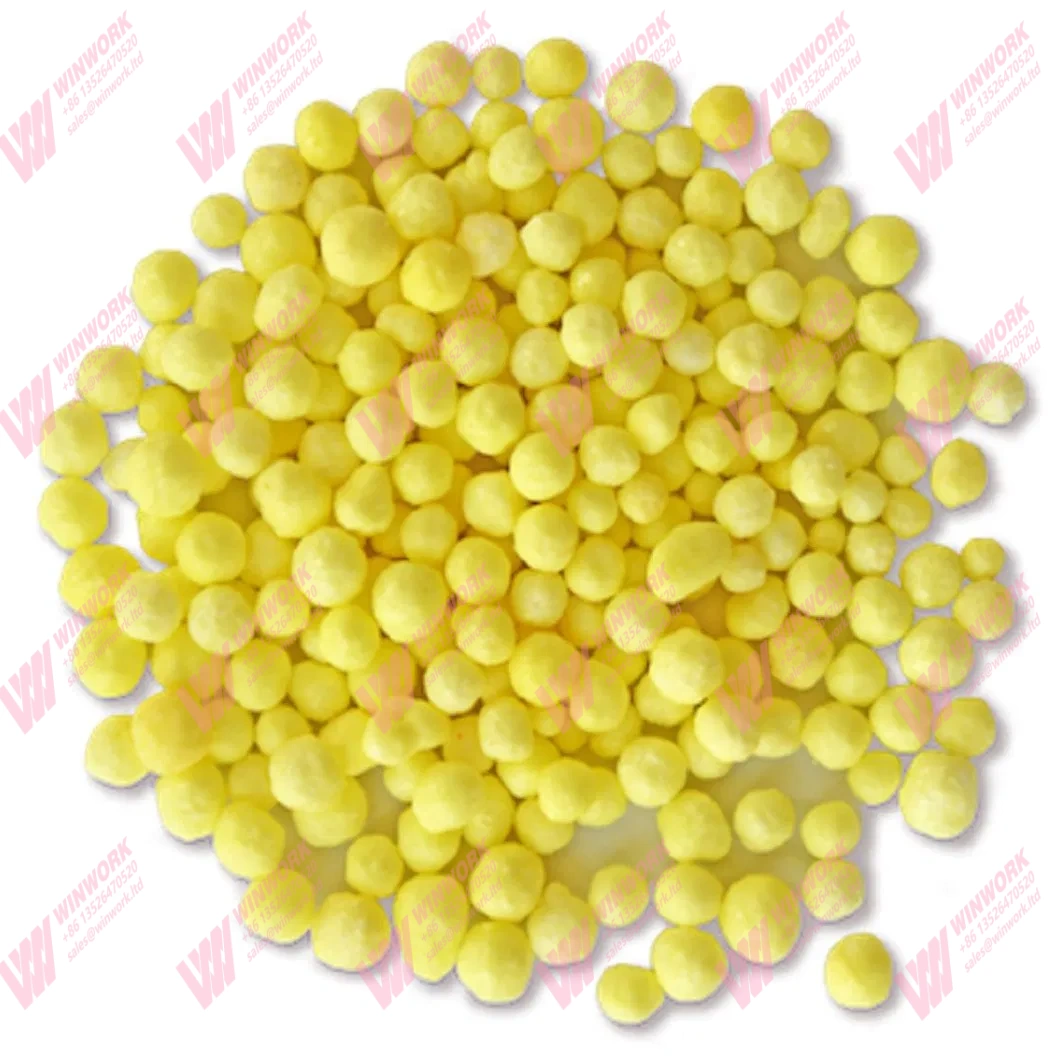
Many fertilizer makers face the frustration of fertilizer pellets breaking during production, ending up with crumbs instead of neat, sturdy granules. This press release explains, in plain language, why pellets crack or fall apart, how to prevent fertilizer pellets breaking, what equipment works best, and troubleshooting tips.
Why Are My Fertilizer Pellets Breaking?
When you’re making fertilizer granules, you expect round, firm pellets ready for bagging or spreading. Instead, you open the batch and find broken pieces, cracks, or loose powder — classic fertilizer pellets breaking. The main causes are simple:
Wrong Moisture Level
Too much water makes the mix sticky and prone to cracking when dried too fast. Too little water means the material lacks binding power, so pellets crumble on touch.
Insufficient or Wrong Binder
Fine powders need a binder (like bentonite, starch paste, or molasses) to hold particles together. Without enough binder—or with the wrong type—pellets won’t stay intact.
Incorrect Granulator Settings
If the machine runs too fast, pellets aren’t compressed enough before being ejected. Too slow, and they don’t compact properly. Both can lead to fertilizer pellets breaking.
Overly Aggressive Drying
Wet pellets thrown straight into high heat lose surface moisture fast while the inside stays damp. The resulting stress cracks them open.
Uneven Raw Material Size
Mixing coarse and fine particles unevenly creates inconsistent density, so some pellets are strong, others break easily.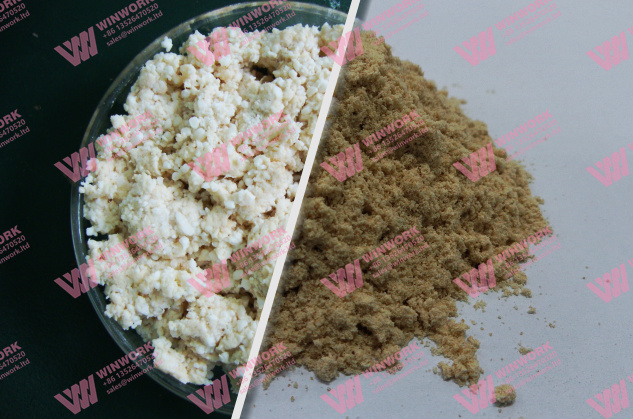
How to Stop Fertilizer Pellets Breaking
Solving fertilizer pellets breaking means controlling every step:
Get Moisture Right
Aim for 8%–12% moisture before granulation. Use a moisture meter, not guesswork.
Use the Right Binder
For organics, try bentonite or cassava flour; for inorganics, use water or a specialized binder. Typical dosage is 3%–8% of the raw material weight. Test small batches first.
Adjust Granulator Parameters
For disc granulators, set the tilt angle to 45°–55° and keep rotation moderate so pellets roll and compress properly. For roller granulators, adjust roller gap for tight compaction without jamming.
Dry Gradually
Pre-dry pellets at 40–60°C to remove surface moisture, then raise temperature to 80–100°C for final drying. Slow drying prevents cracks.
Screen Raw Materials
Separate coarse and fine particles, then mix them uniformly so each pellet forms under the same pressure.
Follow these rules and fertilizer pellets breaking will drop dramatically.
Adapting the suitable granulator
You may have the question how can i know which is the right granulator that suits my fertilizer line. Then you can check the differences and advantages among below machines.
The disc granulator starts smoothly and reduces the impact force, thus prolonging the service life of the equipment. The pelletizing disc disk bottom is added with multiple radial steel plates, which strengthens the sturdiness of the equipment and ensures that it will never be deformed.
The base is designed to be thickened and weighted without the need of ground bolt fixing to ensure smooth operation. The main gear is quenched by high frequency, and the service life is doubled.
Disc granulator has the advantages of even granulation, high rate of ball formation, smooth operation, easy to operate, long service life, etc. It is an important equipment in compound fertilizer production line and cat litter production line.
Rotary drum granulator is a kind of high efficient molding machinery, which can process raw materials into specific shapes of particles. As the core equipment of compound fertilizer production line, rotary drum granulator is suitable for cold and hot granulation as well as large-scale production of high, medium and low concentration compound fertilizer.
Double roller granulator is the key equipment in compound fertilizer production line and npk production line, featuring advanced technology, reasonable design, compact structure, strong practicability and low energy consumption.
Double roller granulator and the corresponding auxiliary equipment supporting, can form a small production line, with a certain capacity, to achieve continuous, mechanized production. Roller extrusion granulator adopts superior formula, no need to dry, can be produced at room temperature. The product can be rolled and shaped once, so that its quality can meet the requirements of technical indexes of compound fertilizer.
Double roller granulator is suitable for the production of high, medium and low concentration of special compound fertilizers required by various crops, which is a newer product of energy saving and consumption reduction in the compound fertilizer industry.
FAQ
Q1: Is fertilizer pellets breaking always caused by bad raw materials?
A: Not always, but dirty, sandy, or fibrous materials weaken structure. Sieving and grinding first helps.
Q2: Do I have to use a binder?
A: Most powdered mixes do, otherwise they won’t form solid balls. Choose one suited to organic or inorganic formulas.
Q3: How should I control drying temperature?
A: Two-stage drying: low heat first, then medium heat. Never blast with high heat right away—that’s a top cause of fertilizer pellets breaking.
Q4: Does faster granulator speed mean better pellets?
A: No. Too fast = pellets not compacted. Moderate speed gives time to form strong, whole pellets.
Q5: Are small surface cracks acceptable?
A: Minor ones are okay, but widespread cracks mean moisture or drying problems need fixing.
Q6: Can I use a home blender for granulation?
A: Not recommended. Home blenders lack power and parameter control, making fertilizer pellets breaking much more likely.
Conclusion
Fertilizer pellets breaking is a common headache, but it’s preventable. This press release has explained the causes, given practical fixes, listed suitable equipment, and offered a memory jingle to keep steps clear. Remember: control moisture, binder, machine settings, and drying pace, and you’ll produce strong, intact pellets that survive handling, transport, and field application. Next time you start a batch, take the time to set things right—your pellets will thank you.
For more details, please feel free to contact us.
Email: sales@lanesvc.com
Contact number: +8613526470520
Whatsapp: +8613526470520
Get A Quote