

Introduction
Let’s be honest. When your banker talks about sustainability or carbon sequestration, the first thing on your mind probably isn’t saving the planet—it’s the bottom line. For generations, farmers have been told that being environmentally friendly means spending more money. But the landscape is changing. Today, there is a massive wave of financial support for green agriculture projects that turns this old idea on its head. This isn’t about charity; it’s about governments and investors putting real money on the table to reward farmers who modernize.
The core idea behind this financial support for green agriculture projects is simple: society pays for the “public good” that green farming provides—cleaner water, healthier soil, and less pollution. Your job is to learn how to tap into these funds.
What Exactly Counts as a Green Agriculture Project?
Before you can ask for money, you need to know what qualifies. In the world of financial support for green agriculture projects, the term “green” covers a wide range of practices. It’s not just about planting trees. It includes:
Precision Nutrient Management: Using technology to apply fertilizer exactly where it’s needed, preventing runoff.
On-Farm Renewable Energy: Installing solar panels or anaerobic digesters to produce your own power.
Soil Health Initiatives: Implementing no-till farming or planting cover crops to capture carbon.
Waste Recycling Systems: Setting up composting operations to turn manure into valuable fertilizer.
Any project that reduces your environmental footprint while improving efficiency is a prime candidate for financial support for green agriculture projects.
The Money Menu: Types of Financial Support
The menu of financial support for green agriculture projects is bigger than most farmers realize. It’s not just one check; it’s a combination of different funding sources.
Government Grants: These are the holy grail—free money you don’t have to pay back. In the US, programs like the Environmental Quality Incentives Program (EQIP) or the Conservation Stewardship Program (CSP) offer tens of thousands of dollars to help farmers buy equipment like compost turners or solid-liquid separators.
Subsidized Loans: If you need to borrow, these loans come with interest rates far below what your local bank offers. The USDA’s Farm Service Agency (FSA) is a key player in providing this kind of financial support for green agriculture projects.
Tax Credits and Deductions: Some states and countries offer tax breaks for purchasing energy-efficient equipment or implementing conservation practices.
Carbon Markets: A newer form of financial support for green agriculture projects involves getting paid by companies for the carbon you trap in your soil. Companies like Microsoft and Shopify are buying “carbon credits” from farmers who can prove they are sequestering carbon.
Essential Equipment That Qualifies for Funding
What kind of gear can you get with this money? The list is long, but here are the most common items that unlock financial support for green agriculture projects:
Anaerobic Digesters: To convert manure into biogas.
No-Till Seeders: To plant crops without disturbing the soil.
Drip Irrigation Systems: To use water more efficiently.
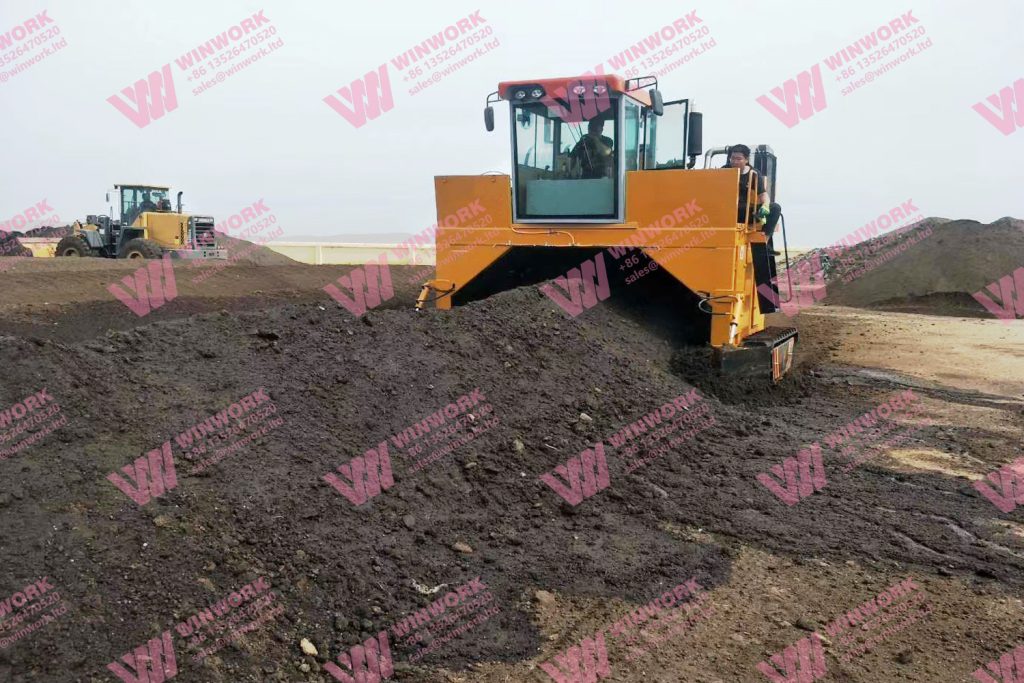
Compost Turners & Pelletizers: To recycle waste on-site.
Solar Panel Arrays & Battery Storage: To achieve energy independence.
The Future is Green and Funded
The long-term outlook for financial support for green agriculture projects is incredibly bright. Governments worldwide are setting ambitious climate goals, and agriculture is a key target. This means the pool of available funding is likely to grow, not shrink. Farmers who get in on the ground floor now will be positioned to receive the most support over the next decade.
Furthermore, private investment is flooding in. Venture capital firms and large corporations are desperate to prove their supply chains are sustainable. They are increasingly offering direct financial support for green agriculture projects to their suppliers (the farmers) to meet their own corporate goals.
Real Farm Example
The McAllisters operate a 200-acre corn and soybean farm. They wanted to transition to no-till and install a solar-powered water pump but couldn’t afford the $35,000 price tag.
They worked with their local NRCS (Natural Resources Conservation Service) office to apply for the EQIP grant.
The grant covered 75% of the cost for the no-till drill and the solar pump.
Their fuel and fertilizer costs dropped by 20% in the first year.
They received an additional $5,000 from a state tax credit for soil health improvements.
“The financial support for green agriculture projects didn’t just make it possible; it made it profitable from day one,” says Tom McAllister.
FAQ: Your Questions About Financial Support for Green Agriculture Projects Answered
Q1: Is this money really free?
A: Some of it is! Grants are free money. Loans are subsidized but must be repaid. The key is that the terms are far better than commercial financing.
Q2: Do I have to be a certified “organic” farmer to qualify?
A: Absolutely not. Most financial support for green agriculture projects is based on the practice, not your overall certification status. You can be a conventional farmer and still get paid to plant a cover crop.
Q3: What is the biggest mistake farmers make?
A: The biggest mistake is assuming they don’t qualify. The rules for financial support for green agriculture projects are broad and designed to encourage widespread adoption.
Q4: How long does it take to get approved?
A: It varies. A simple grant application might take 60-90 days. Complex loans can take longer. The key is to start the process beforeyou buy the equipment.
Q5: Can I get funding for a small project?
A: Yes! You don’t need a 1,000-acre farm. Small-scale projects, like building a hoop house or installing a small composting system, are often eligible for micro-grants.
Q6: Who do I talk to first?
A: Start with your local Farm Service Agency (FSA) or Natural Resources Conservation Service (NRCS) office. They are the gatekeepers for most federal financial support for green agriculture projects.
Q7: Does this affect my crop insurance?
A: Generally, no. In fact, some programs that promote soil health can make your operation more resilient, which might even be viewed positively by insurers.
Q8: What kind of records do I need to keep?
A: You’ll need to document the practice (e.g., show the cover crop was planted) and keep receipts for any purchased equipment. Transparency is key for financial support for green agriculture projects.
Q9: Are there deadlines for applications?
A: Yes, and they are strict. Most major grant cycles have a deadline once or twice a year. Mark your calendar!
Q10: Where can I find a list of all available programs?
A: The USDA website is a good start, but your local Soil and Water Conservation District (SWCD) office is often the best, most personalized resource for finding financial support for green agriculture projects.
Conclusion
The era of choosing between being a good steward of the land and running a profitable business is over. The growing availability of financial support for green agriculture projects means you can do both. By leveraging grants, low-interest loans, and emerging carbon markets, you can upgrade your equipment, lower your input costs, and get paid for the environmental benefits you provide. Don’t leave this money on the table—go talk to your local agent today.
For more details, please feel free to contact us.
Email: sales@lanesvc.com
Contact number: +8613526470520
Whatsapp: +8613526470520
Get A Quote