


Introduction
Let’s be honest: farming is expensive. You’ve got feed, seed, fuel, and equipment costs piling up. The last thing you need is another bill—especially for something as necessary as manure management. For decades, small and mid-sized farmers felt trapped: they knew handling manure responsibly was the right thing to do, but the equipment cost was out of reach. That’s where government grants for manure treatment come in. This isn’t a loan you have to pay back; it’s free money designed to help you upgrade your farm, protect the environment, and even create a new income stream.
Why on Earth Is the Government Giving Away Money for Manure Treatment?
You might wonder, Why would the government pay me to manage my own waste? The answer is simple: public health and environmental protection. When farmers handle manure poorly—letting it run off into streams or seep into groundwater—everyone pays the price. Taxpayers foot the bill for cleaning up polluted drinking water and repairing damaged ecosystems. By offering government grants for manure treatment, officials are essentially saying, Let’s solve this problem together. They incentivize farmers to adopt cleaner technologies, which saves the government money in the long run.
In addition, green mountains and clear waters are equivalent to gold and silver. As long as everyone works together to deal with the insignificant animal waste from their own areas, over time this will be a significant achievement for the environment and the quality of people’s lives.
Specifically, government grants for manure treatment fund projects that:
Reduce water pollution from nitrogen and phosphorus.
Cut greenhouse gas emissions by capturing methane.
Improve soil health through proper composting and application.
Support rural economies by modernizing farm infrastructure.
The Scope: Small Farms, Big Help
One of the best-kept secrets about government grants for manure treatment is that they aren’t just for mega-dairies. Many programs are specifically designed for small and family-run operations. Whether you have 20 cows, 100 sheep, or a backyard poultry flock, there are funding opportunities for you. Programs at the county, state, and federal levels all recognize that small farms face the same pollution challenges as large ones—just on a different scale.
Key Equipment You Can Get with Government Grants for Manure Treatment
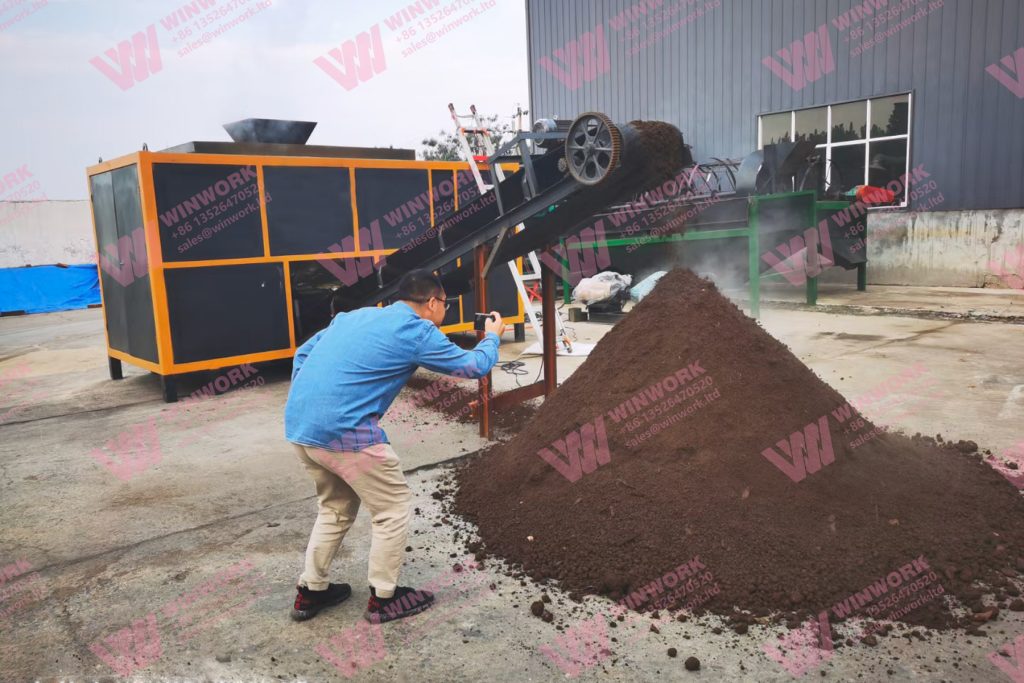
The money from government grants for manure treatment can be used to buy a wide range of equipment. Here are the most common items that help small farms turn waste into wealth:
Solid-Liquid Separators: These machines squeeze manure, separating solids for composting from liquids for irrigation or digestion. This is often the first recommended purchase.
Compost Turners: For small farms, a tow-behind or walk-behind turner is perfect. It aerates piles to speed up decomposition, kill pathogens, and create a safe, valuable fertilizer. This is the necessary machines that you can’t ignore it.
Crawler compost turner is an advanced compost turning equipment, specially designed for compost fermentation process, with the advantages of high efficiency, stability, easy operation and so on.
Crawler compost tumbler realizes automatic operation through crawler walking system, which is the necessary equipment for producing organic fertilizer granules and widely used in organic fertilizer production line.
Crawler compost turner can not only quickly improve the fermentation efficiency of materials, but also effectively improve the quality of compost, is the first choice of modern compost production equipment.
Small-Scale Anaerobic Digesters: These systems capture methane from liquid manure to produce biogas, which can heat barns or water. Smaller digesters are now eligible for many government grants for manure treatment.
Subsurface Drip Irrigation Kits: Instead of spraying liquid manure, these kits inject it directly into the soil, preventing runoff and odor.
Mobile Composting Bins: These bins are ideal for small farms with limited space, allowing you to compost right next to the barn.
The Ripple Effect: Benefits Beyond Free Money
While the financial assistance is the headline, the long-term benefits of government grants for manure treatment are even more valuable:
Lower Operating Costs: With your own compost and energy, you slash your fertilizer and utility bills.
New Income Streams: Sell excess compost or surplus energy back to the grid.
Better Soil, Better Yields: Treated manure improves soil structure, leading to healthier crops and higher profits.
Peace of Mind: Knowing you’re meeting environmental regulations protects your farm’s future and reputation.
Real Farm Example
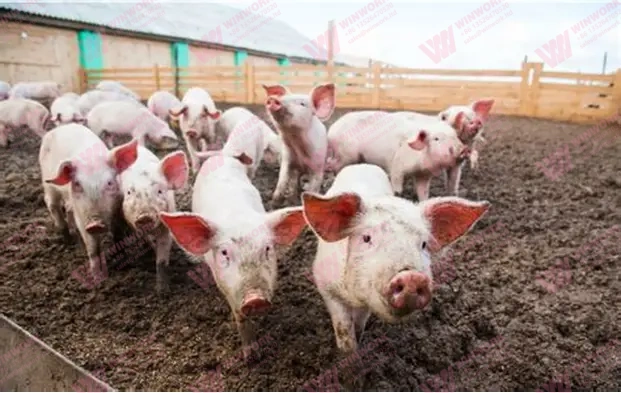
The Millers run a 40-acre hobby farm with 25 goats and a dozen chickens. Their manure piled up, creating flies and a foul smell. They thought a proper composting system was out of reach until they discovered government grants for manure treatment.
They applied for a state-level conservation grant and received $3,200 to buy a small compost turner and a mobile bin.
Their fly problem vanished.
They created 3 tons of premium compost for their vegetable garden and sold the rest for $50 a pickup load.
Their neighbor complaints disappeared completely.
“The government grants for manure treatment didn’t just save us money; it gave us a whole new way to make our farm sustainable,” says Linda Miller.
FAQ: Your Questions About Government Grants for Manure Treatment Answered
Q1: Is this really free money?
A: Yes. A grant is a gift—you don’t pay it back. Some programs may require a small matching contribution (like 10% of the cost), but the bulk of the funding comes from government grants for manure treatment.
Q2: Do I have to be a certified organic farmer?
A: Nope. Most government grants for manure treatment are based on the practice (like composting or using a digester), not your certification status. Conventional farmers are welcome.
Q3: How do I find these grants?
A: Start with your local USDA Service Center (Farm Service Agency and Natural Resources Conservation Service). They are the gatekeepers for federal programs. Also, check your state’s Department of Agriculture and county Soil and Water Conservation District websites.
Q4: What is the catch?
A: The main “catch” is the paperwork. You have to apply, provide project details, and sometimes wait months for approval. But the payoff is worth the effort.
Q5: Can I use the money to hire labor?
A: Usually, no. Government grants for manure treatment are typically restricted to purchasing equipment, materials, or technical services—not salaries.
Q6: What if my project is small?
A: That’s perfect! Many programs are designed specifically for small-scale projects. Don’t assume you’re too small to qualify.
Q7: How long does it take to get the money?
A: It can take 3-9 months from application to receiving funds. Planning ahead is key.
Q8: Do I have to maintain the equipment forever?
A: Yes, you’re responsible for maintaining the equipment you buy with government grants for manure treatment. But since it saves you money every year, it pays for itself.
Q9: Can I apply for multiple grants?
A: Yes, as long as the programs don’t have overlapping funding rules. Stacking grants is a smart way to fully fund a big project.
Q10: Where do I get help with the application?
A: Your local NRCS conservationist can help you write a strong application for government grants for manure treatment. They want you to succeed!
Conclusion
If you’re a small farmer staring at a manure problem, stop seeing it as a dead-end expense. Thanks to government grants for manure treatment, you have a realistic path to solving it for free. By upgrading your equipment with this financial help, you can turn waste into profit, protect your land, and secure a more sustainable future for your farm. The money is out there—all you have to do is ask.
For more details, please feel free to contact us.
Email: sales@lanesvc.com
Contact number: +8613526470520
Whatsapp: +8613526470520

Get A Quote