

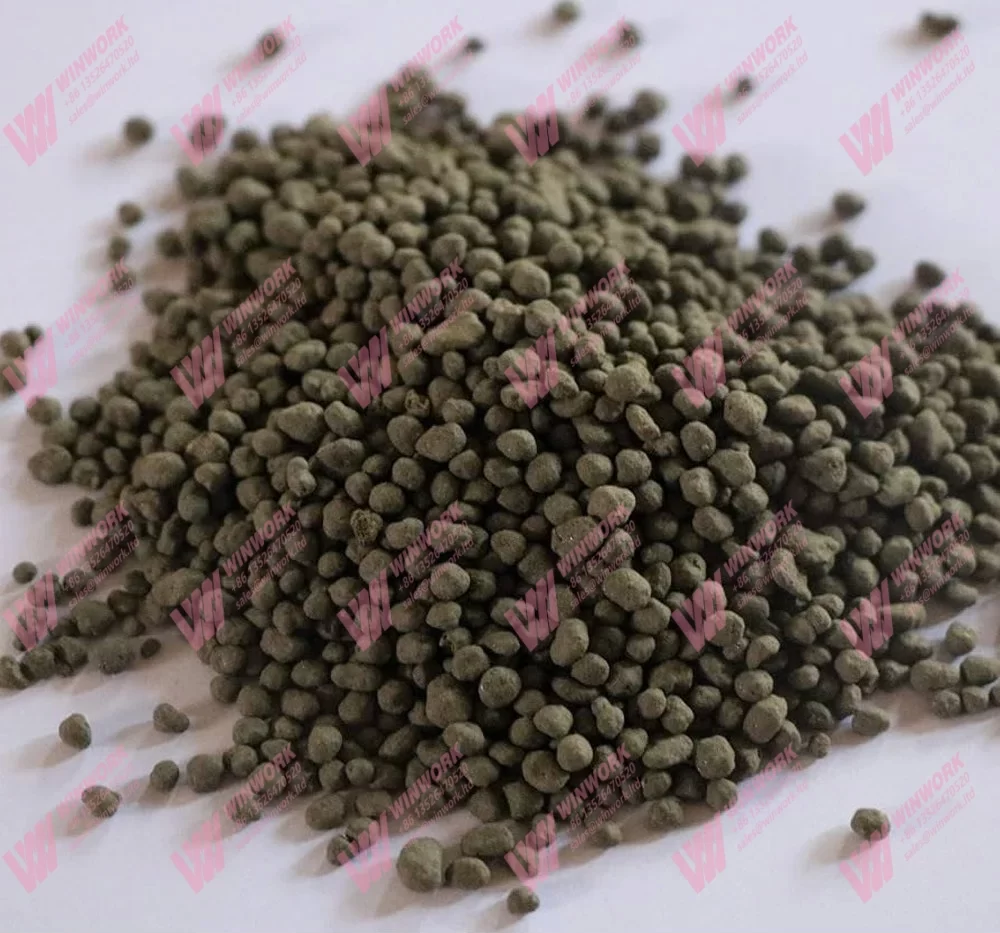
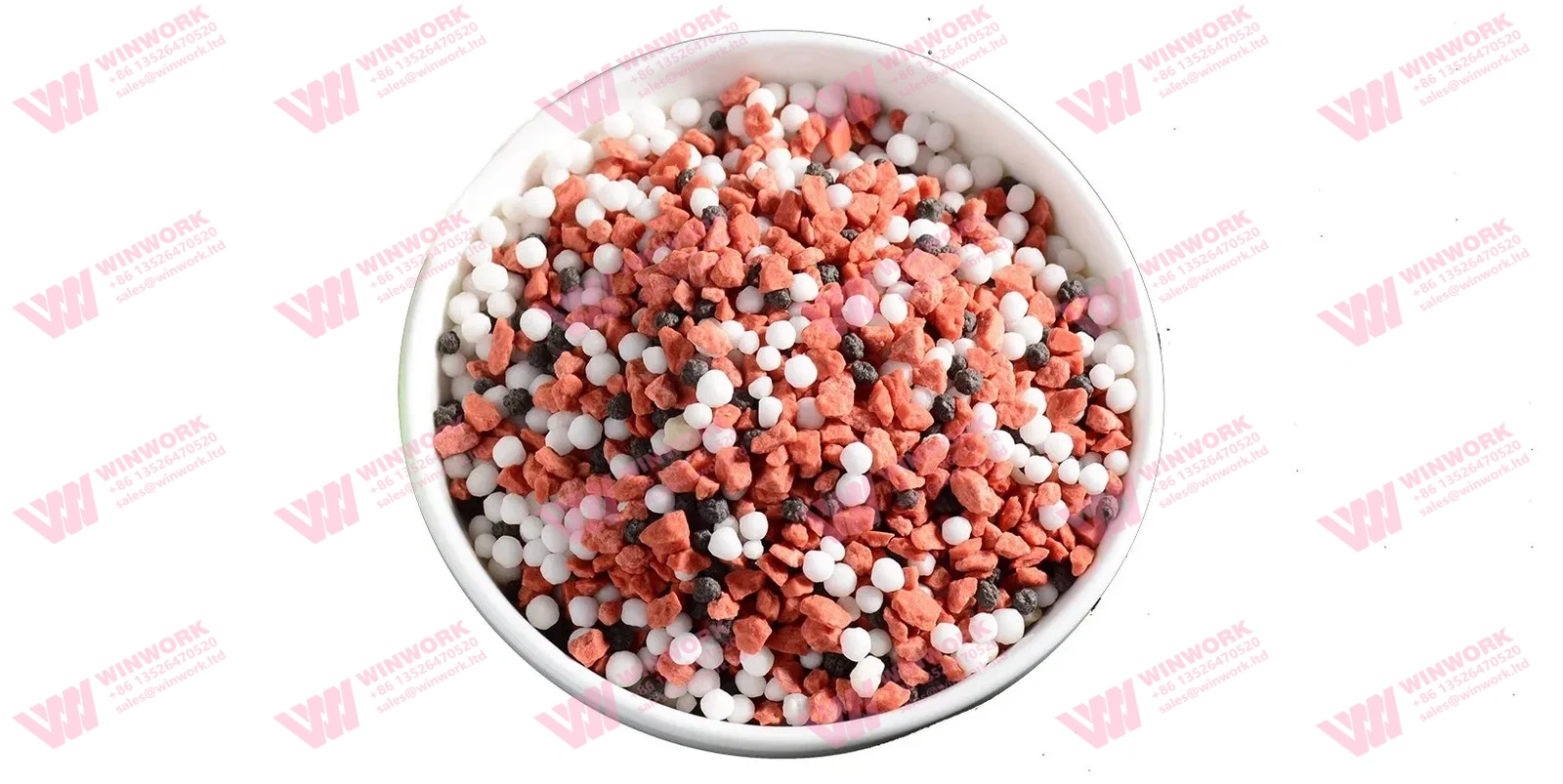
Granular organic fertilizers are increasingly popular among farmers, gardeners, and horticulturists who are seeking environmentally friendly alternatives to synthetic fertilizers.In this article, we will discuss how to choose the right fertilizers, the production processes involved, common usage mistakes, and a cost-benefit analysis of using these fertilizers.
How to Choose the Right Granular Organic Fertilizer
Choosing the right granular organic fertilizer for your plants or crops is crucial for achieving optimal growth and productivity. The key to selecting the best fertilizer lies in understanding the nutritional requirements of your plants, the characteristics of the fertilizer, and the specific needs of your soil.
- Meet the demand of plants
Different plants require different nutrient profiles for optimal growth. Understanding the specific needs of your crops is the first step in choosing the right fertilizer.Check the NPK ratio on the label of the granular organic fertilizer. Choose one with a ratio that aligns with the specific needs of your plants.
- Check the organic matter content
Granular organic fertilizers are rich in organic matter, which helps improve soil texture and promotes a healthy microbial ecosystem. Ensure the fertilizer you choose contains high levels of organic matter, which will improve soil structure over time.
- Consider the soil type
The type of soil you are working with plays a significant role in the effectiveness of granular organic fertilizers.Test your soil’s pH, texture, and nutrient levels to choose a fertilizer that addresses any deficiencies in the soil.
- Consider the source of organic materials
Granular organic fertilizers can come from a variety of organic materials, such as animal manure, plant residues, or compost. Choose fertilizers made from high-quality sources.
The production process and technology behind granular organic fertilizer
The production of granular organic fertilizers is a multi-step process that involves composting, blending, and granulation. Below is an overview of the typical production process:
- Raw material selection
The first step in producing granular organic fertilizer is selecting the raw materials. These can include animal manure, compost, crop residues, and other organic matter. The quality of the raw materials is crucial, as it determines the nutrient content of the final product.
- Composting
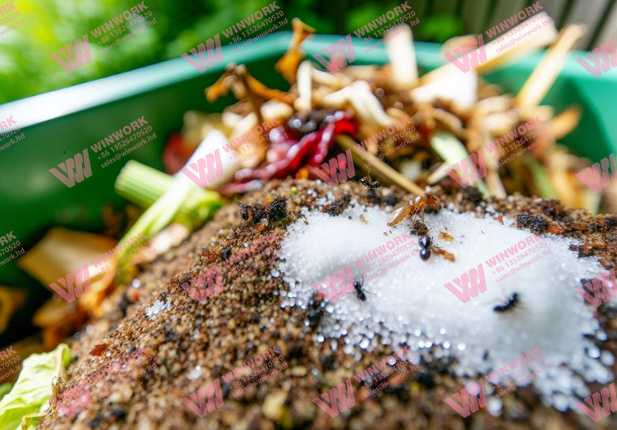
Before raw materials can be turned into a granular form, they undergo composting. Composting is the process of breaking down organic material using microorganisms, heat, and moisture.
- Mixing
Once the raw materials are composted, they are mixed to create a uniform mixture of nutrients. This step ensures that all the ingredients are evenly distributed, which is crucial for ensuring that the final product provides consistent nutrition to plants.
- Granulation
Granulation is the process of forming the organic mixture into small, uniform granules. This is typically done using a granulation machine, which applies pressure and heat to the mixture, causing the particles to bond together.
- Screening and packaging
After the granular organic fertilizer is produced, it undergoes screeners to ensure it meets the desired specifications.Once the product passes quality control, it is packaged and ready for distribution.
Main Equipment of Granular Organic Fertilizer Production Line
The production of granular organic fertilizer involves several specialized pieces of equipment to ensure quality, efficiency, and consistency throughout the process. Each piece of equipment plays a vital role in transforming raw organic materials into high-quality granules. Below is an overview of the main equipment used in the production of granular organic fertilizer:
The first step in the production of granular organic fertilizer is to break down large raw materials such as manure, crop residues, or compost into smaller particles. A crusher is used for this purpose. It ensures that the organic matter is reduced to the desired size for further processing and efficient blending.
- Compost Turner
After the raw materials have been crushed, they undergo a composting process to break down organic matter through microbial activity. A compost turner is essential in this phase, as it helps aerate the compost, allowing oxygen to reach the material and ensuring a consistent breakdown of the organic materials. This results in a uniform mixture with improved nutrient content.
A mixer is used to evenly blend the compost, minerals, and other organic materials, ensuring that all ingredients are thoroughly distributed for uniform granulation. This step is crucial for ensuring that the fertilizer provides balanced nutrition to plants.
- Granulation Machine
The key equipment for shaping the organic fertilizer into granules is the granulation machine. It uses either a disc granulator or drum granulator to form the mixture into small, uniform granules. Pressure and heat are applied to ensure the particles bond together and retain their shape. This process also contributes to the slow-release properties of the fertilizer, allowing nutrients to be delivered over an extended period.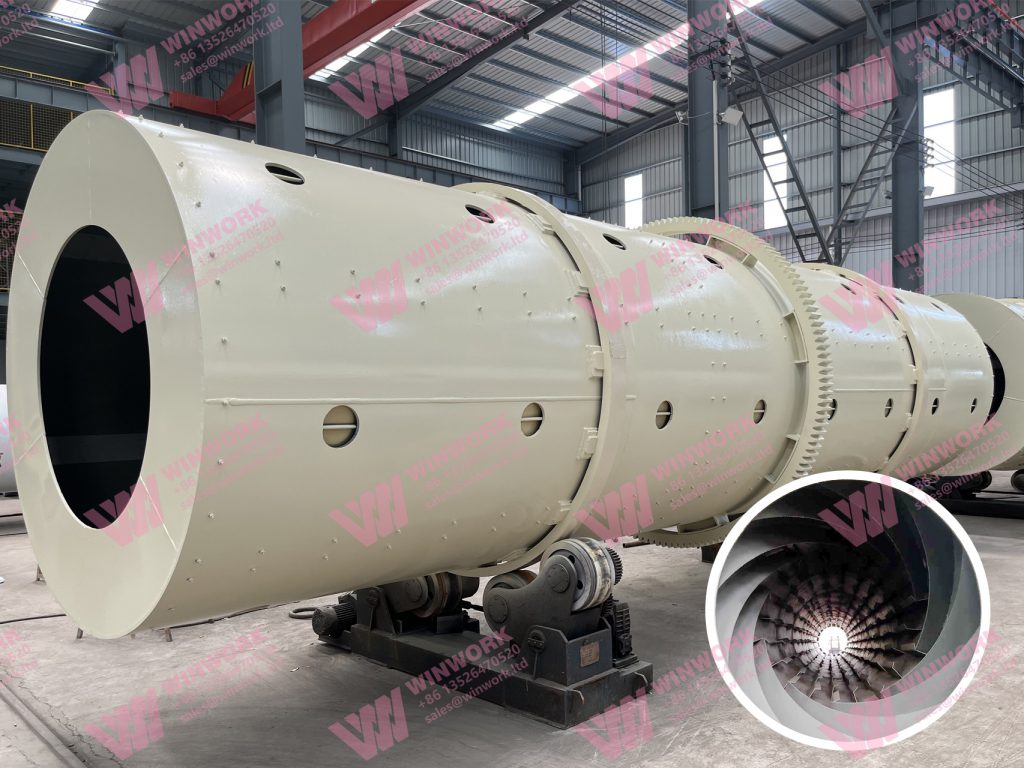
- Screening Machine
After granulation, the product is passed through a screening machine to sort the granules by size. The screener separates the smaller or overly large particles, ensuring that only the desired-sized granules are left for packaging. This step improves the quality and consistency of the final product.
For high-end products that require an aesthetically pleasing finish, a polishing machine can be used. This optional step gives the granules a smooth, shiny appearance, improving the overall visual quality of the fertilizer. It also ensures that the granules are free from sharp edges or irregular shapes.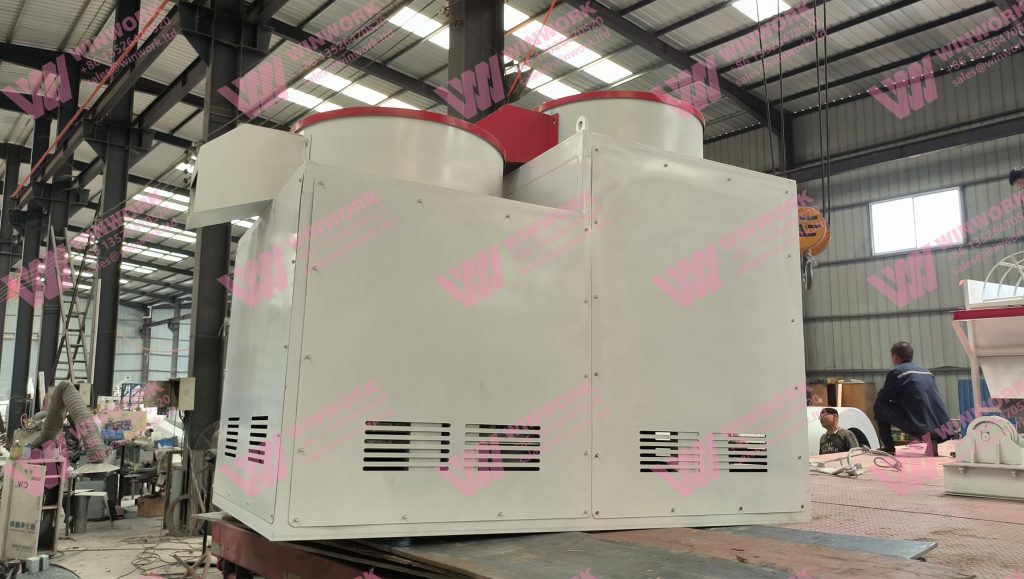
Common mistakes when using granular organic fertilizer
While granular organic fertilizers are a great way to promote healthy plant growth, improper use can lead to less effective results. Here are some common mistakes to avoid when using these fertilizers:
- Over-applying the fertilizer
One of the most common mistakes is over-applying granular organic fertilizers. While they are slow-release, applying too much fertilizer can still result in nutrient imbalances, excessive soil salinity, or even fertilizer burn.
- Applying without soil testing
Many people apply granular organic fertilizers without first testing their soil. Soil testing is essential for understanding the nutrient levels and pH of your soil. Without this knowledge, you may apply fertilizers that are unnecessary or not suited for your soil’s current condition.
- Ignoring environmental factors
Weather and irrigation can affect how granular organic fertilizers break down and release nutrients. If you apply fertilizer during dry conditions without watering, the nutrients may not be available to plants. Similarly, heavy rainfall after application may cause nutrients to leach away.
- Not mixing fertilizer into soil
Granular fertilizers are most effective when they are incorporated into the soil. Simply spreading them on top of the soil without mixing them can reduce their effectiveness.
Cost analysis and economic benefits of granular organic fertilizer
Granular organic fertilizers are often more expensive upfront than their synthetic counterparts, but their long-term economic benefits can make them a better investment. Here’s a breakdown of their cost-effectiveness:
- Lower long-term fertilizer costs
Although granular organic fertilizers may cost more per unit, their slow-release nature means they need to be applied less frequently. This reduces the need for multiple applications throughout the growing season, ultimately lowering the overall cost of fertilization.
- Improved soil health
Over time, the use of granular organic fertilizers improves soil structure and fertility. Healthier soil leads to stronger plants that require fewer interventions.
- Higher crop yields and better quality produce
Granular organic fertilizers contribute to higher crop yields and better-quality produce, which can translate into higher profits.
- Environmental and sustainability benefits
The use of granular organic fertilizers supports sustainable farming practices, which can be appealing to environmentally conscious consumers. As the demand for organic and sustainably grown produce continues to grow, using organic fertilizers may open up new market opportunities and increase your customer base.
Conclusion
Granular organic fertilizers are an excellent choice for those looking to improve soil health, promote plant growth, and engage in more sustainable farming practices. By choosing the right fertilizer, understanding the production process, avoiding common usage mistakes, and analyzing the cost-effectiveness of these fertilizers, farmers and gardeners can maximize their benefits.
For more details, please feel free to contact us.
Email: sales@lanesvc.com
Contact number: +86 13526470520
Whatsapp: +86 13526470520
Get A Quote