

Introduction
For many farmers, livestock manure is a double-edged sword. On one hand, it’s a source of nutrients; on the other, it stinks, pollutes water, and attracts flies. The good news? With the right approach, you can achieve harmless treatment with manure—processing it in a way that eliminates pollution and turns it into a marketable product. This isn’t just about compliance; it’s about building a cleaner, more sustainable farm.
Why Harmless Treatment with Manure Matters
Raw manure left in lagoons or spread fresh on fields is a recipe for trouble. Rain washes nitrogen and phosphorus into rivers, causing algae blooms. Pathogens contaminate drinking water. Methane and ammonia escape into the air, contributing to climate change. Harmless treatment with manure stops all of this by stabilizing the waste, killing harmful organisms, and capturing valuable nutrients. So Harmless Treatment with Manure is important.
How to Achieve Harmless Treatment with Manure: Step-by-Step
Collect and Separate
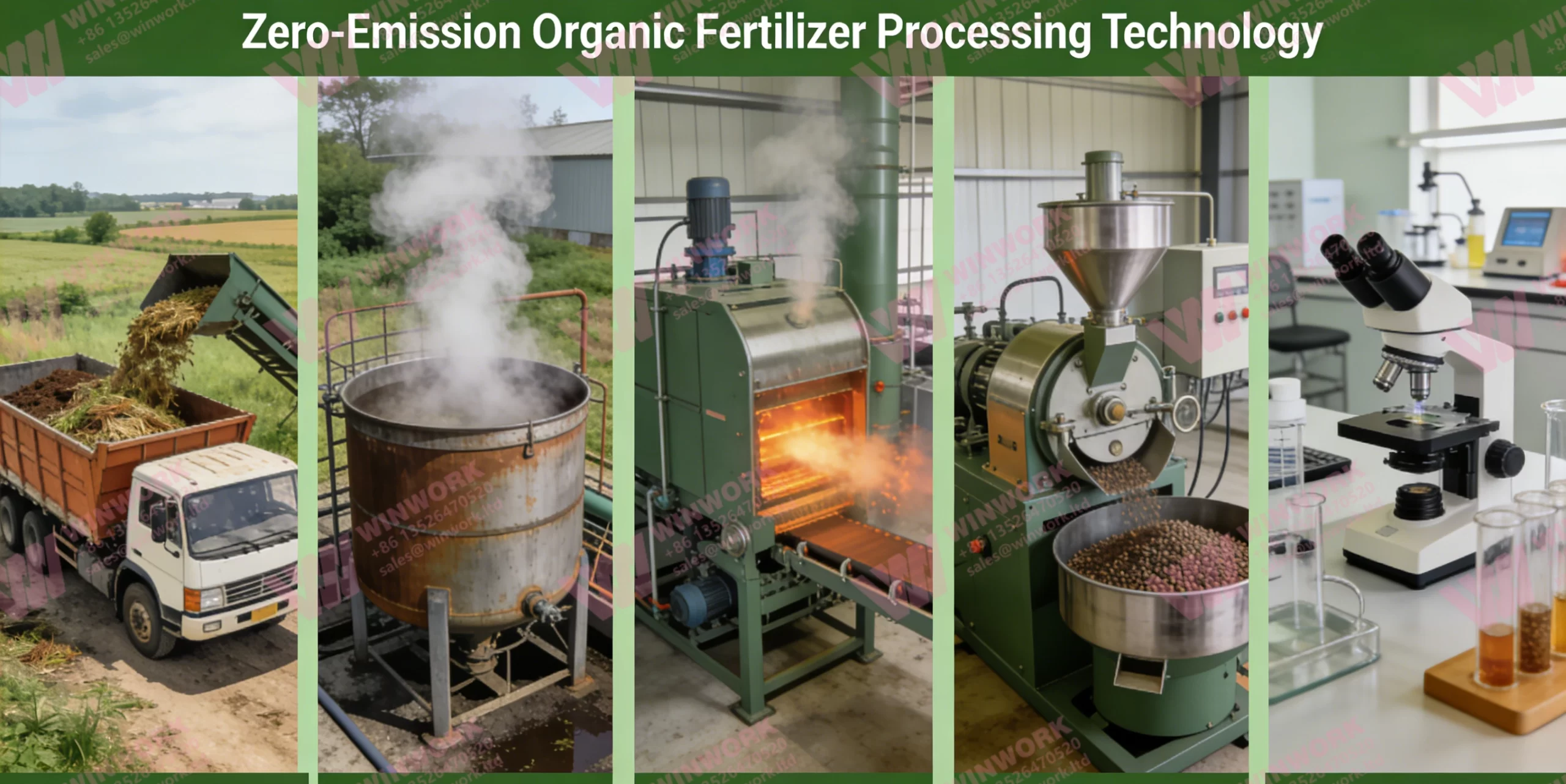
Start by gathering manure and separating solids from liquids. A solid-liquid separator is ideal for this. The solid fraction is perfect for composting; the liquid can be used for fertigation or biogas. This step is the foundation of harmless treatment with manure because it reduces volume and makes further processing easier.
Pre-Treat the Solids
Fresh manure is too wet and dense. Add carbon-rich materials like straw, sawdust, or shredded leaves to balance the carbon-to-nitrogen ratio. A manure crusher or shredder grinds the mixture into smaller particles, speeding up decomposition. This also helps with energy saving and consumption reduction by reducing drying time later.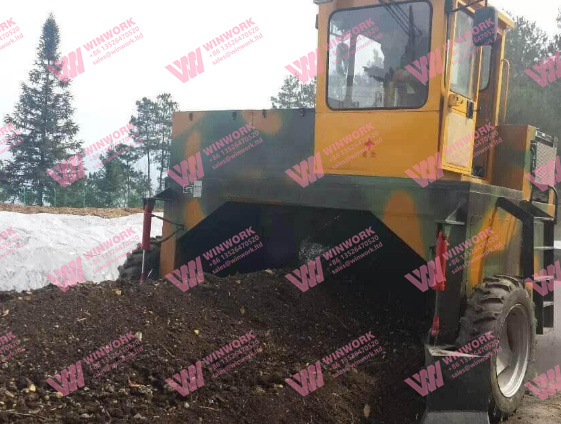
Compost Under Controlled Conditions
Pile the prepared material in long rows (windrows) or a container, and turn it regularly with a compost turner. The goal is to keep the pile aerated and moist, so beneficial microbes can break it down. In 2–3 months, the temperature rises to 55–70°C, killing pathogens, weed seeds, and fly larvae. The result is stable, earthy-smelling compost. This is the heart of harmless treatment with manure for small to mid-sized farms. So Harmless Treatment with Manure is important.
Fresh compost is moist. Use a rotary drum dryer with a heat exchanger to remove excess water. A heat exchanger recycles warmth from another process (like a generator or boiler), which is a direct energy saving and consumption reduction move. After drying, run the compost through a vibrating screen to remove any undecomposed bits.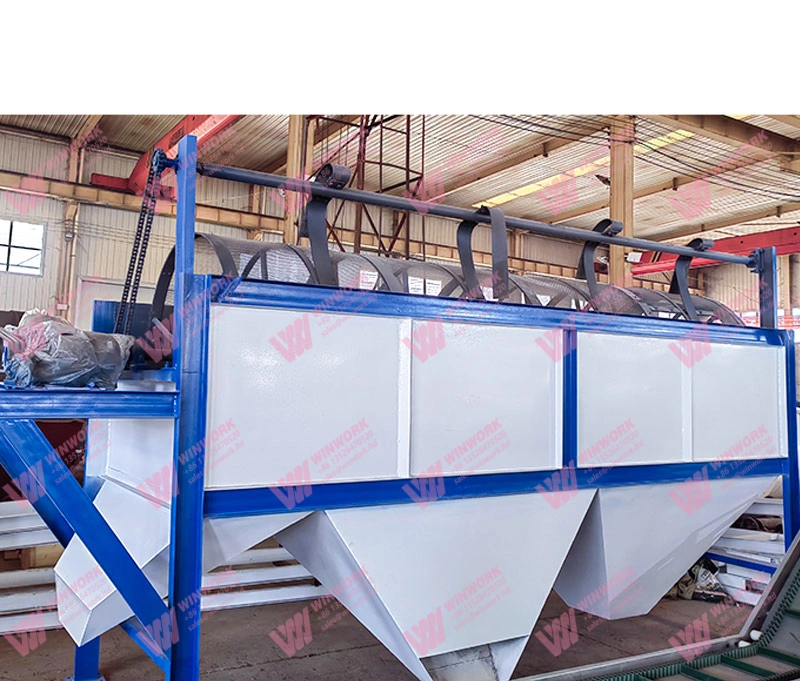
Granulate (Optional but Profitable)
Want to sell neat bags of fertilizer? Feed the screened compost into a flat die granulator or double roller extruder. The machine shapes it into uniform pellets that won’t crumble in transport. This step adds value and makes storage easier.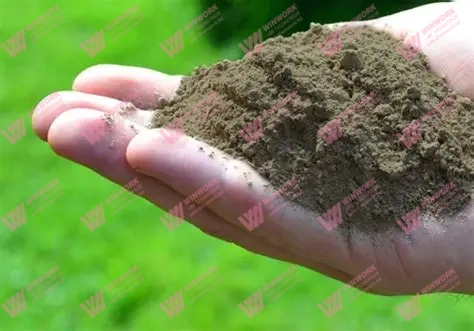
Treat the Liquid Fraction
Don’t forget the liquid! It can go into an anaerobic digester to produce biogas for heating or electricity. The leftover digestate is a liquid fertilizer, completing the cycle of harmless treatment with manure and energy saving and consumption reduction.
Real Farm Example
The Wangs used to have a smelly lagoon and paid $500/year to spread raw manure. After investing in a $2,500 separator, $3,000 compost turner, and a $15,000 digester, they:
Turned 3 tons of manure into 2.2 tons of compost monthly, sold for $180/ton
Cut energy use by 40% using biogas to power their water heater and dryer
Eliminated odor complaints and reduced water pollution to near zero
“Harmless treatment with manure was the solution we’d been looking for. Now, our farm is cleaner, and we have a new income stream,” says Mrs. Wang.
FAQ: Your Questions About Harmless Treatment with Manure Answered
Q1: Is harmless treatment with manure expensive?
A: Initial investments exist, but most pay for themselves in 1–3 years through lower waste disposal costs, energy savings, and fertilizer sales.
Q2: How long does the process take?
A: Composting takes 2–3 months; biogas production takes 2–4 weeks. Drying and granulation add 1–2 weeks.
Q3: Will the compost smell bad?
A: No! Proper composting kills odor-causing bacteria. The end product is earthy and pleasant.
Q4: Can I use manure from different animals together?
A: Yes! Chicken, cow, and pig manure can be mixed, but balance carbon and nitrogen. Chicken manure is “hotter” (more nitrogen) than cow manure.
Q5: Is the liquid from separation safe?
A: After anaerobic digestion, the liquid (digestate) is a safe, nutrient-rich fertilizer.
Q6: Do I need a permit for selling compost?
A: Small-scale, local sales usually don’t need permits. For large operations, check local organic fertilizer regulations.
Q7: How do I know the compost is safe?
A: It should be dark, crumbly, and earthy-smelling. Lab tests can confirm pathogen and heavy metal levels.
Q8: What’s the best way to save energy in the process?
A: Use a heat exchanger in the dryer, VFDs on motors, and biogas for heating. These are top energy saving and consumption reduction tactics.
Q9: Can I do this on a small farm?
A: Absolutely! Even 5–10 cows can make composting and small-scale biogas worthwhile.
Q10: How do I start?
A: Begin with a simple compost pile and separator. As you see results, add a dryer, granulator, or digester.
Conclusion
Harmless treatment with manure is more than a waste-management technique—it’s a strategy for a cleaner, more profitable farm. By using the right equipment and linking the process to energy saving and consumption reduction, you can eliminate pollution, create valuable fertilizer, and cut energy costs. Whether you have five cows or 500, the steps are the same: collect, separate, compost, and convert. The sooner you start, the sooner you’ll see a farm that’s not only more productive but also better for the planet. So Harmless Treatment with Manure is important.
For more details, please feel free to contact us.
Email: sales@lanesvc.com
Contact number: +8613526470520
Whatsapp: +8613526470520
Get A Quote