

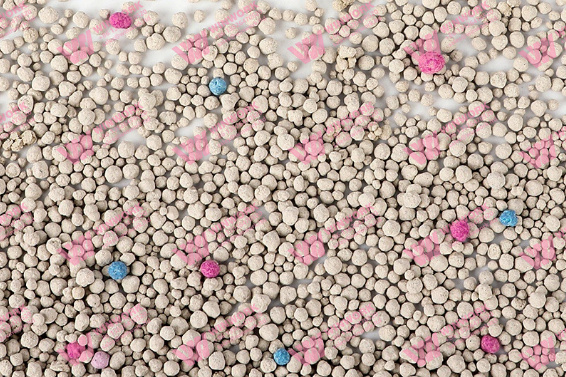
Introduction about Manufacturing High Absorbency Bentonite Cat Litter
The global pet care market continues to expand, and demand for reliable cat litter products is increasing steadily. Among all mineral-based litter types, high absorbency bentonite cat litter remains one of the most widely used materials because of its strong water-swelling properties and stable clumping performance.
To manufacture high absorbency cat litter efficiently, producers must design a streamlined process that balances quality, cost, and production capacity. Efficiency does not simply mean faster output; it also includes stable performance, reduced waste, controlled moisture, and consistent particle structure.
A well-designed production line can ensure that every batch meets performance expectations while maintaining low operating costs.
Understanding the Material Properties of Bentonite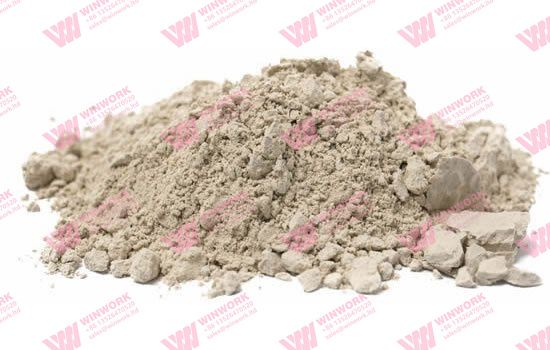
Bentonite is a natural clay mineral primarily composed of montmorillonite. Its layered structure allows it to absorb large amounts of liquid and expand significantly in volume. This property is the foundation of high absorbency bentonite cat litter.
To achieve reliable product performance, manufacturers must carefully evaluate the following raw material indicators:
-
Swelling index
-
Moisture content
-
Particle purity
-
Impurity level
-
Mineral composition consistency
Sodium bentonite is preferred because it has stronger swelling capacity compared to calcium-based types. When selecting raw materials, consistency is more important than appearance. Stable mineral characteristics directly influence the final quality of high absorbency bentonite cat litter.
Raw Material Preparation and Size Reduction
Efficient production begins with proper preparation of bentonite blocks. Large raw materials must be reduced into manageable sizes before further processing.
Instead of using complex fine grinding systems, modern factories rely on crushing equipment to achieve suitable particle size. The crushing process typically includes primary and secondary stages to ensure uniform material flow.
Proper crushing offers several advantages:
-
Maintains mineral structure
-
Reduces unnecessary energy consumption
-
Controls dust generation
-
Improves granulation efficiency
The target particle size after crushing should be appropriate for direct granulation without excessive fine powder production. This step plays an important role in manufacturing high absorbency bentonite cat litter with stable performance.
Moisture Balancing Strategy
Moisture control is one of the most critical factors in the production process. Bentonite’s swelling performance depends heavily on its water content.
If the material is too dry, it may not form stable granules. If it contains excessive moisture, clumping performance may decrease, and drying costs will rise.
An efficient production system maintains moisture within a controlled range before and after granulation. During processing, water can be added gradually to reach optimal forming conditions. After drying, the final moisture level should ensure storage stability and prevent caking.
Accurate moisture management improves both clumping strength and production consistency in high absorbency bentonite cat litter manufacturing.
Granulation Process and Particle Formation
Granulation determines the physical structure of the final product. Uniform particles are essential for both appearance and performance.
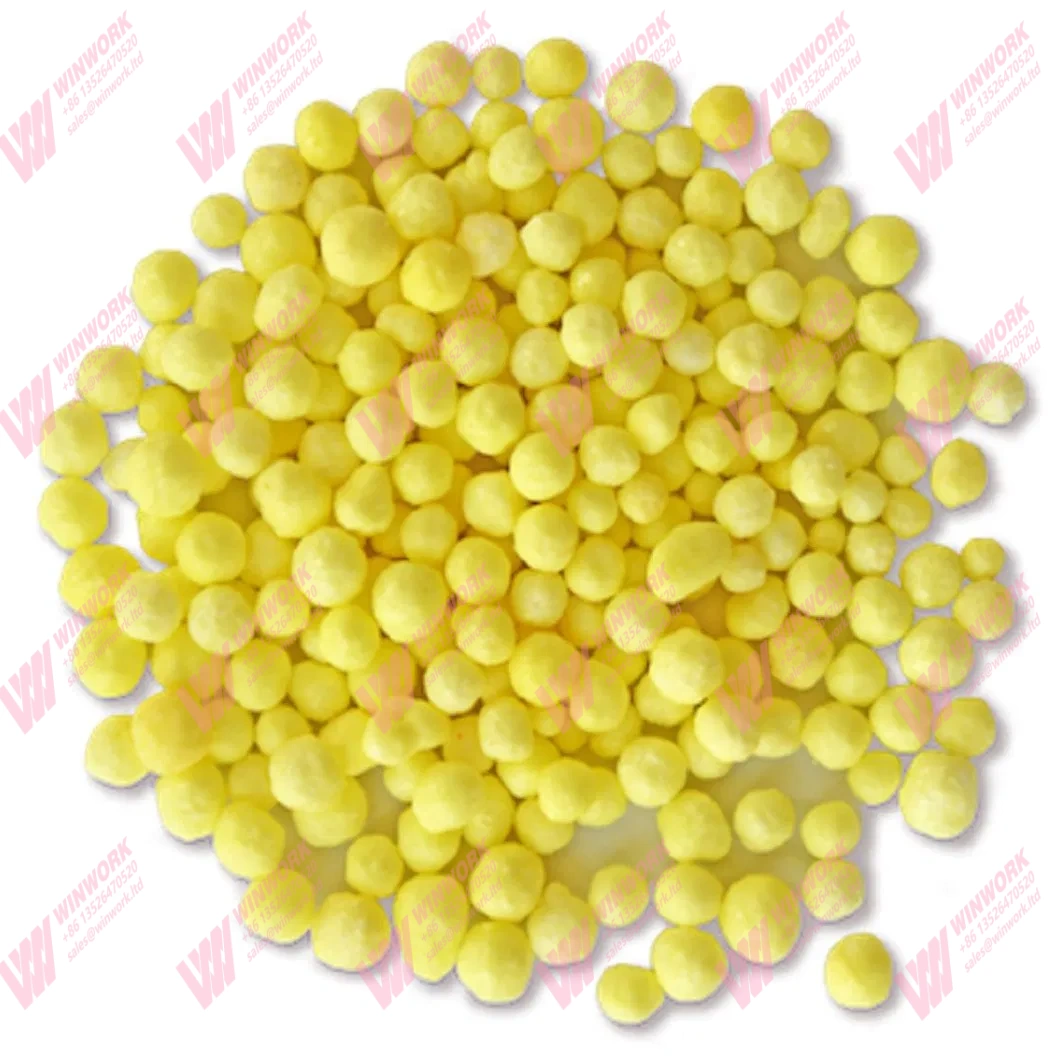
Disc granulation is widely adopted because it allows adjustable particle size and stable operation. During this stage, controlled water addition and mechanical rotation work together to form compact spherical particles.
The internal structure of the granules should remain porous enough to allow rapid water penetration while maintaining mechanical strength. Proper granulation directly affects how effectively high absorbency bentonite cat litter forms solid clumps during use.
Consistency in granule size improves customer satisfaction and reduces product waste.
Drying and Stabilization
After granulation, the material contains higher moisture levels and must be dried to achieve stability. Drying removes excess water while preserving the swelling ability of bentonite.
Temperature control is essential. Excessive heat may damage particle integrity, while insufficient drying can cause storage problems. The objective is to achieve a balanced final moisture level that ensures long shelf life and stable clumping performance.
This stage is critical for maintaining the overall quality of high absorbency bentonite cat litter.
Screening and Particle Classification
Once drying is complete, the product enters a screening system to separate different particle sizes. Uniformity improves both performance and appearance.
Oversized particles are returned for reprocessing, while fine powder can be recycled back into the system. This closed-loop approach reduces material waste and increases resource efficiency.
Proper classification ensures that every package of high absorbency bentonite cat litter contains consistent granule dimensions.
Dust Management and Clean Production
Dust control plays an important role in maintaining product quality and workplace safety. During crushing, drying, and screening, fine particles may be generated.
An effective dust collection system reduces airborne particles and improves the working environment. Lower dust content also enhances consumer experience, especially for indoor use.
Maintaining clean production conditions increases market competitiveness and supports export requirements for high absorbency bentonite cat litter.
Quality Control and Testing Procedures
To guarantee stable performance, manufacturers should establish strict testing standards.
Key quality indicators include:
-
Water absorption speed
-
Clumping strength
-
Moisture level
-
Dust percentage
-
Granule hardness
Regular laboratory testing ensures that production remains within target specifications. Consistent monitoring reduces defects and improves customer trust in high absorbency bentonite cat litter products.
Production Line Efficiency Optimization
Efficiency improvements can significantly reduce operational costs. Modern production systems often integrate automation to minimize manual handling.
Automated feeding systems, controlled water spraying devices, and digital monitoring tools help stabilize production conditions. Efficient layout design also reduces unnecessary material transfer between machines.
Energy optimization is another important consideration. By improving heat utilization and reducing unnecessary processing steps, manufacturers can lower the total cost per ton of high absorbency bentonite cat litter.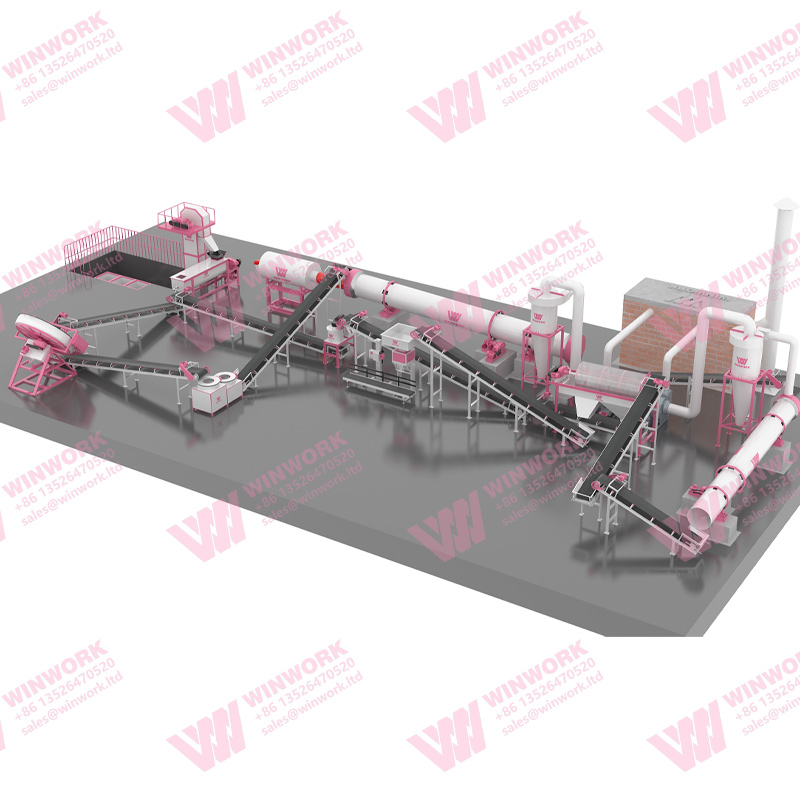
Cost Structure and Profit Considerations
Understanding cost composition is essential for long-term success. Major expenses typically include raw materials, energy, labor, maintenance, and packaging.
Efficient production strategies help control these costs. Selecting stable raw material suppliers reduces price fluctuations. Optimizing drying efficiency lowers energy consumption. Improving automation decreases labor requirements.
When production is stable and waste is minimized, the profit margin of high absorbency bentonite cat litter increases significantly.
Capacity Planning and Scalability
Different markets require different production capacities. Small plants may operate at 3 tons per hour, while larger facilities may exceed 10 tons per hour.
When planning capacity, manufacturers should consider:
-
Target market size
-
Export demand
-
Investment budget
-
Workshop space
A scalable design allows future expansion without major reconstruction, supporting long-term growth in high absorbency bentonite cat litter production.
Industry Trends and Development Direction
The cat litter industry continues to evolve with growing emphasis on product stability, environmental responsibility, and automation.
Manufacturers are focusing on improving absorption performance, reducing production waste, and enhancing operational efficiency. Advanced monitoring systems and improved process control technologies are becoming increasingly common in modern factories.
These developments support consistent quality and strengthen the global competitiveness of high absorbency bentonite cat litter.
Conclusion
Efficient manufacturing of high absorbency bentonite cat litter requires a carefully designed process that integrates proper raw material selection, controlled crushing, precise moisture management, stable granulation, efficient drying, and strict quality control.
By optimizing each stage of production and focusing on resource utilization, manufacturers can achieve consistent product quality, lower operating costs, and improved market competitiveness. With rising global demand, adopting efficient and streamlined production methods will ensure sustainable growth in the bentonite cat litter industry.
For more details, please feel free to contact us.
Email: sales@lanesvc.com
Contact number: +8613526470520
Whatsapp: +8613526470520
Get A Quote