

Introduction
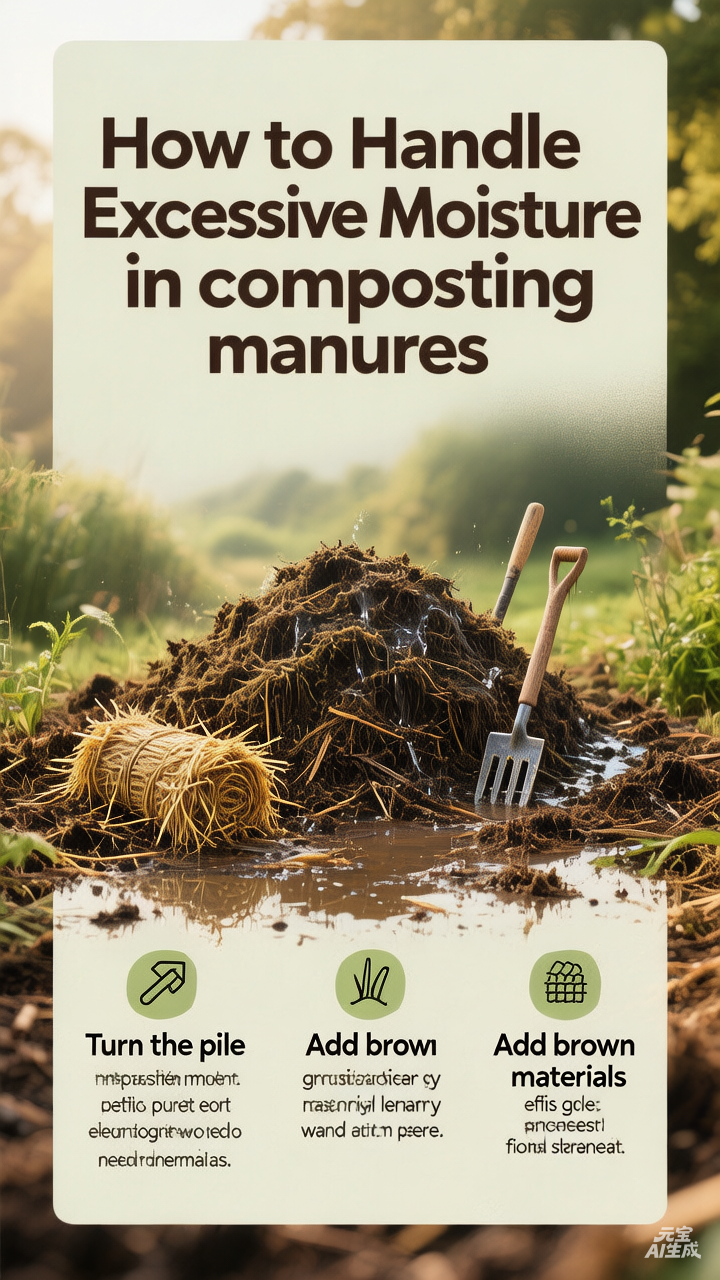
Rain can be a compost pile’s worst enemy. One downpour, and your nice, crumbly heap turns into a sloppy, anaerobic mess that reeks of rotten eggs and barely heats up. If you’ve ever lost sleep over a waterlogged compost pile, you’ve probably searched for how to handle excessive moisture. The good news is, there’s a straightforward set of fixes—simple changes in technique, plus the right equipment—that will keep your compost thriving even when the skies open up.
Under favorable weather conditions, compost undergoes intense solar exposure and wind exposure, resulting in effective fermentation. However, rainfall frequently disrupts this favorable scenario, as sunny weather is not always guaranteed and intermittent precipitation is inevitable. Should we not seek a method to protect compost from weather-related interference? How to Handle Excessive Moisture in Composting Year-Round, this is a question.
Why Excessive Moisture Ruins Compost
To understand how to handle excessive moisture, you first need to know why too much water is so damaging. Composting relies on aerobic bacteria—microbes that breathe oxygen. When your pile is too wet, water fills all the air pockets. The oxygen disappears, and anaerobic bacteria take over. These microbes work slowly and produce foul gases like hydrogen sulfide (rotten eggs) and ammonia. Worse, excess moisture leaches out valuable nitrogen, leaving you with weak, smelly compost that takes forever to finish. In other words, excessive moisture can lead to the outflow of nutrients from the material.
Rainy Season Troubles: How to Handle Excessive Moisture When the Sky Won’t Stop
During extended rainy periods, the ground becomes saturated and your compost pile can’t drain properly. Here’s a practical, step-by-step approach to how to handle excessive moisture in these conditions:
Cover the Pile Immediately – Use a heavy-duty tarp, a purpose-built compost cover, or even a roof section to shield the pile from direct rainfall. Leave the sides open so air can still circulate. This is to prevent excessive wetting of manure by rainwater. How to Handle Excessive Moisture in Composting Year-Round?
Create a Drainage Base – Before building your pile, lay down a layer of coarse, absorbent material like straw, wood chips, or crushed gravel. This raises the pile above saturated ground and encourages water to run off instead of soak in.
Mix in Dry Carbon Materials–Quickly add dry “browns” such as sawdust, chopped straw, or shredded cardboard. These soak up excess water and restore the balance between moisture and air. This method is an excellent approach, which involves adding desiccants or other drying agents to moist materials to absorb moisture from the original feces.
Turn the Pile– Use a compost turner or pitchfork to fluff up the material. This reintroduces air and speeds evaporation. Be prepared to repeat this several times if the rain continues.
Reduce Liquid Inputs – If you’re adding manure slurry or food waste, cut back until the moisture level drops. Since some composting processes require additional water addition to regulate elemental composition, during the rainy season when air humidity is generally high, the dosage of liquid materials can be appropriately reduced.
These are emergency measures, but they’re essential for how to handle excessive moisture during a wet spell.
Designing a Compost System That Shrugs Off Rain
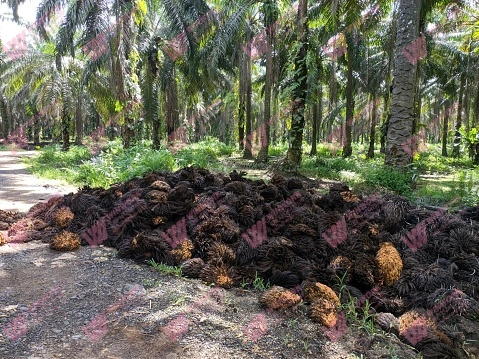
How to Handle Excessive Moisture in Composting Year-Round? Rather than fighting rain every season, the smartest move is to design a system that minimizes its impact. This is the proactive approach to how to handle excessive moisture.
Enclosed Composting Barns or Tunnels – These structures keep rain out completely while allowing you to control airflow and humidity. Paired with automated fans, they’re the gold standard for how to handle excessive moisture in any climate.
Roofed Compost Pads – A simple lean-to roof over your composting area can block 90% of precipitation. You can still turn the pile and monitor it, but the rain stays off.
Mobile Compost Bins – Move bins under shelter when storms are forecast. This is a low-tech but effective way to avoid saturation.
How to Handle Excessive Moisture in Composting Year-Round? By building weather protection into your system, you stop reacting to rain and start preventing the problem altogether.
Equipment That Helps You Handle Excessive Moisture
A few key tools make how to handle excessive moisture much easier and more reliable:
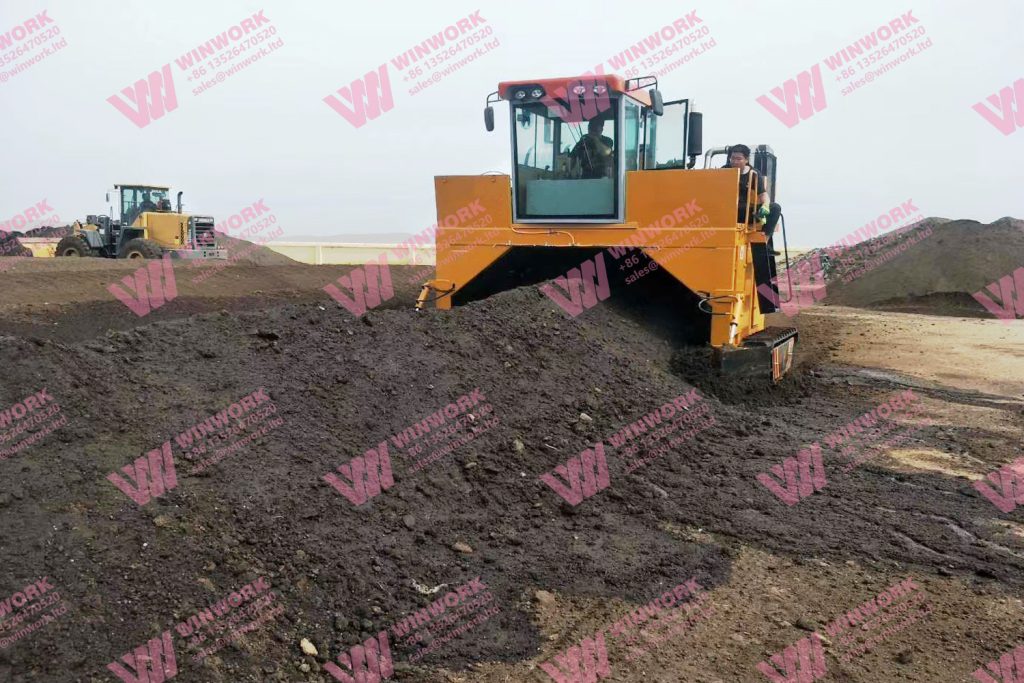
Compost Turners – Essential for fluffing and aerating wet material, restoring oxygen flow and promoting evaporation.
Solid-Liquid Separators – Remove excess water from manure before it enters the compost pile, dramatically lowering the risk of sogginess.
Moisture Meters– Simple handheld probes that tell you exactly how wet your pile is, so you can act before it becomes a problem.
Shredders/Crushers– Prepare dry carbon materials so they absorb water more effectively.
Heavy-Duty Tarps or Covers– Affordable insurance against unexpected rainstorms.
Detail Equipment Introduction
How to Handle Excessive Moisture in Composting Year-Round? These machines are necessary for your question. Please have a check. The Vertical Fermentation Tank is a specialized unit designed for efficient aerobic fermentation of organic waste, agricultural residues, sludge and other compostable materials. This fermenter features a vertical structure and a compact design that maximizes space utilization while providing excellent mixing and aeration capabilities. It is widely used in the production of organic fertilizers, compost and other bio-products with the advantages of high efficiency and reduced environmental pollution.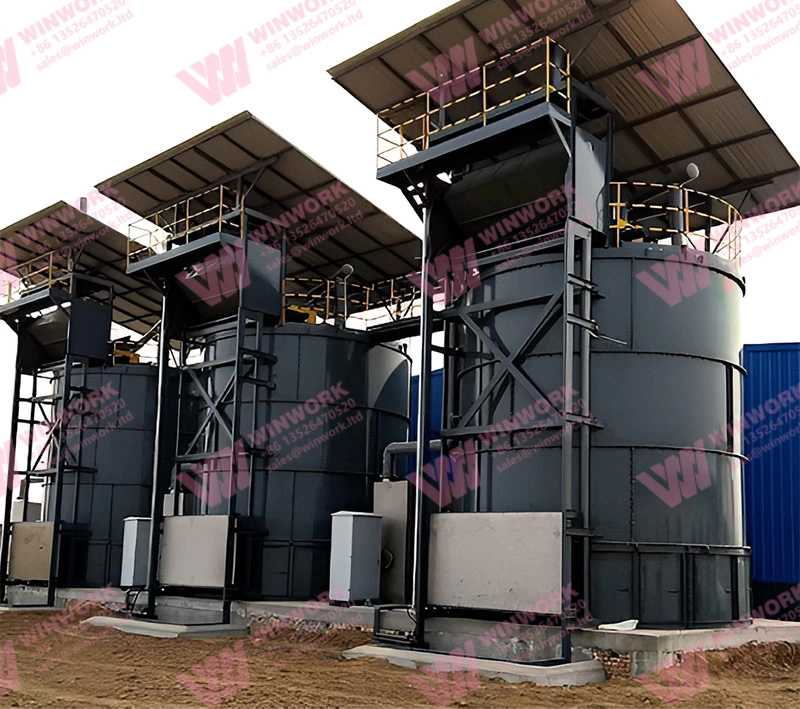
The Horizontal Fermentation Tank is a state-of-the-art equipment designed for the effective aerobic fermentation of organic waste, agricultural residues, sludge, and other compostable materials. Unlike vertical tanks, the horizontal design allows for larger capacity and more uniform fermentation.
The Horizontal Fermentation Tank is widely used in the production of organic fertilizers and compost, offering numerous advantages in terms of efficiency, control, and environmental impact.
Crawler compost turner is an advanced compost turning equipment, specially designed for compost fermentation process, with the advantages of high efficiency, stability, easy operation and so on. This tells How to Handle Excessive Moisture in Composting Year-Round.
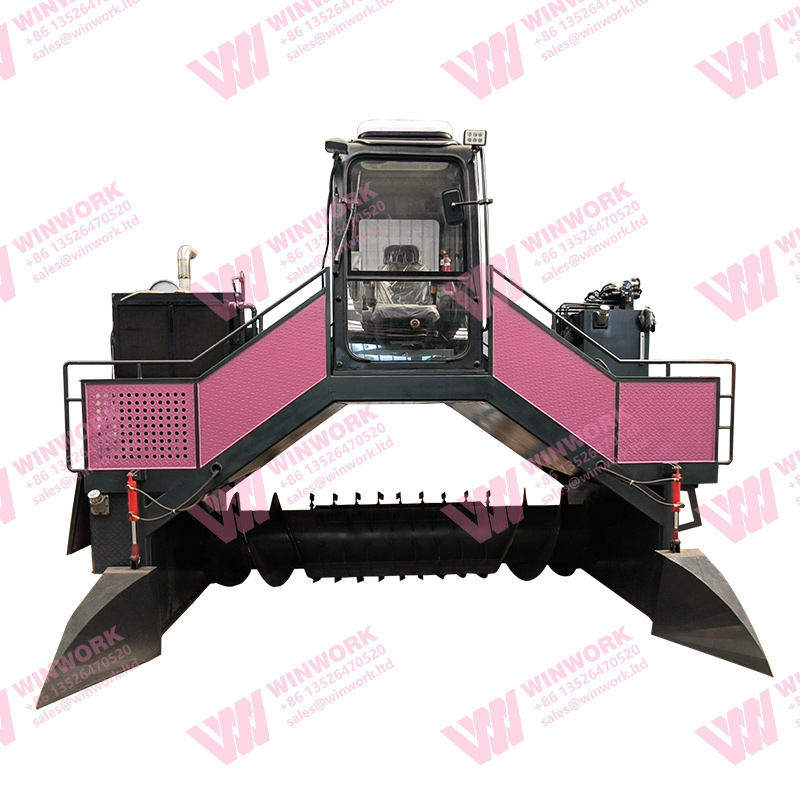
Crawler compost tumbler realizes automatic operation through crawler walking system, which is the necessary equipment for producing organic fertilizer granules and widely used in organic fertilizer production line.
The Wheeled Type Compost Turner is an advanced composting equipment designed for the aerobic fermentation of organic waste, agricultural residues, sludge, and other materials. Featuring a robust wheel-based mobility system and a powerful turning mechanism, this machine ensures efficient material mixing and aeration, promoting rapid composting and high-quality end products. It is ideal for large-scale composting operations and is essential in organic fertilizer production line and compost making line. How to Handle Excessive Moisture in Composting Year-Round? These are the answers.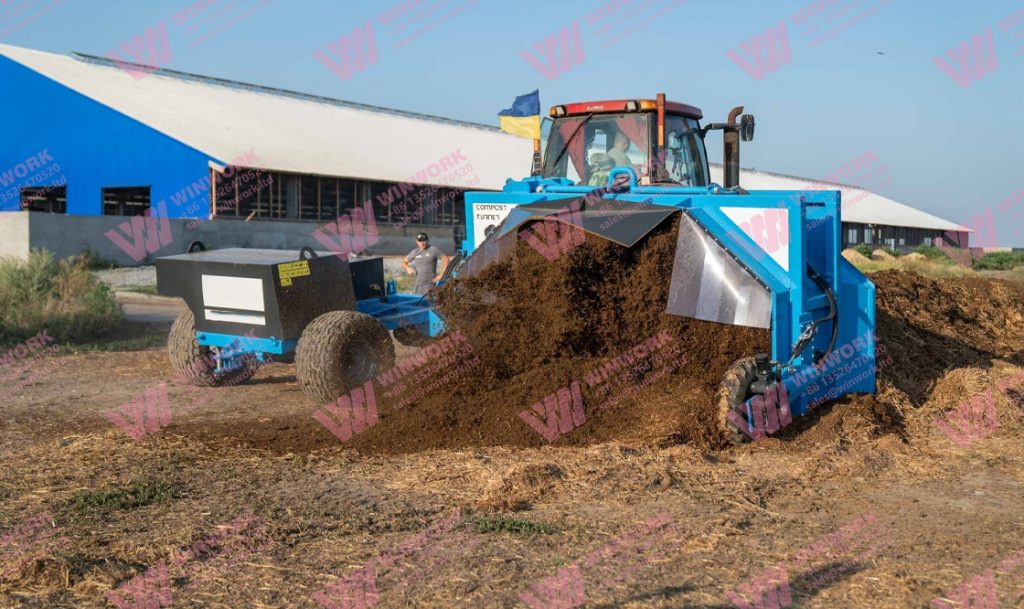
The Benefits of Controlling Moisture
Mastering how to handle excessive moisture pays off in several ways:
Faster Composting – Aerobic piles heat up quickly and finish in weeks instead of months.
Odor Elimination – Proper moisture control prevents anaerobic conditions and stops foul smells.
Higher Nutrient Retention – Less leaching means more nitrogen and phosphorus stay in the compost.
Better End Product – Dry, crumbly compost is easier to handle, bag, and sell.
Year-Round Operation – With the right setup, rain becomes a minor concern, not a shutdown event.
Real Farm Example
The Coopers run a 150-cow dairy in a region known for sudden downpours. For years, their manure compost turned into a black, smelly soup every spring. After learning how to handle excessive moisture, they installed a roofed compost pad and added a solid-liquid separator. They also began using a compost turner weekly. The result? No more swampy piles, faster composting, and odor-free fertilizer they now sell to local gardeners. “Once we figured out how to handle excessive moisture, composting became predictable and profitable,” says co-owner Lisa Cooper.
FAQ: Your Questions About How to Handle Excessive Moisture Answered
Q1: How wet is too wet for compost?
A: Your pile should feel like a wrung-out sponge—damp, but not dripping. If water squeezes out when you squeeze a handful, it’s too wet.
Q2: Can I compost in the rainy season at all?
A: Yes, if you protect the pile from direct rain and manage moisture actively. Covered systems work best.
Q3: What’s the fastest way to dry out a soggy pile?
A: Add lots of dry carbon, turn the pile to aerate it, and cover it to prevent more rain from falling on it.
Q4: Will covering the pile stop it from heating up? How to Handle Excessive Moisture in Composting Year-Round?
A: No, as long as you allow airflow. Covers block rain but shouldn’t seal the pile completely.
Q5: Do I need to remove all the water?
A: No, just bring it down to the right range. A little moisture is necessary for microbial activity.
Q6: How can I tell if my pile is anaerobic?
A: It will smell like rotten eggs or stagnant water, feel cool to the touch, and may have grayish, slimy patches.
Q7: Should I stop adding food scraps or manure during wet periods?
A: Temporarily, yes. These are often high in moisture and can worsen the problem.
Q8: Can I use lime to dry out compost?
A: Lime can alter pH and isn’t a reliable moisture fix. Stick to adding dry carbon and improving drainage.
Q9: How often should I check moisture in rainy weather?
A: At least twice a week. A moisture meter gives you instant readings so you can act quickly.
Q10: Where can I get a compost turner or solid-liquid separator?
A: Many agricultural equipment dealers carry them, and they’re available online. These tools are key to how to handle excessive moisture effectively.
Conclusion
Excessive moisture doesn’t have to be a recurring nightmare for composters. By combining smart site design, protective covers, dry amendments, and the right equipment, you can master how to handle excessive moisture in any season. The result is a faster, cleaner, and more profitable composting operation that won’t buckle under a little rain. Your compost is no longer defeated by the weather.
For more details, please feel free to contact us.
Email: sales@lanesvc.com
Contact number: +8613526470520
Whatsapp: +8613526470520

Get A Quote