

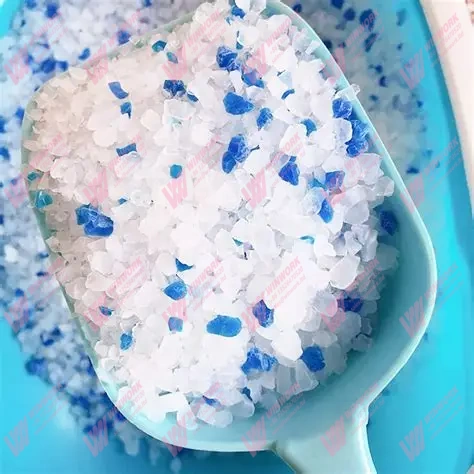
How to Produce Silicone Cat Litter
With the rapid expansion of the global pet care industry, crystal litter products are becoming increasingly popular due to their high absorbency and low dust characteristics. For investors and manufacturers, understanding how to produce silicone cat litter from raw materials is the foundation of building a stable and competitive production line.
Producing crystal litter is not a simple mechanical process. It requires careful chemical control, precise moisture management, and consistent quality inspection. This article explains in detail how to produce silicone cat litter step by step, from raw material preparation to finished product packaging, while highlighting important operational considerations.
Understanding the Core Raw Materials
The first step in learning how to produce silicone cat litter is understanding the chemical composition behind it.
Silicone (silica gel) cat litter is primarily made from sodium silicate solution through an acidification reaction. The reaction creates a porous silica structure capable of absorbing moisture efficiently.
Key raw materials include:
-
Sodium silicate solution
-
Sulfuric acid or similar acidifying agent
-
Clean industrial water
Raw material purity directly affects absorption performance and product transparency. Inconsistent inputs often lead to unstable gel formation, making quality control more difficult.
When studying how to produce silicone cat litter, always begin with raw material inspection and supplier verification.
Chemical Reaction and Gel Formation
The most critical stage in how to produce silicone cat litter is the acid-base reaction that forms silica gel.
In a controlled environment, sodium silicate reacts with acid to produce hydrated silica. The process must maintain:
-
Stable temperature
-
Controlled pH range
-
Uniform mixing speed
-
Consistent reaction time
If reaction parameters fluctuate, the internal pore structure may become uneven, reducing absorption capacity. Precision control ensures the silica network forms evenly.
After the initial reaction, the material becomes a semi-solid gel that requires further stabilization.
Gel Aging and Structural Stabilization
Once gel formation is complete, aging becomes essential. This step allows the internal structure to strengthen and develop the porous framework responsible for moisture absorption.
When analyzing how to produce silicone cat litter efficiently, aging time must be optimized. Too short, and the structure remains weak. Too long, and productivity decreases.
Environmental temperature also influences aging speed. Stable conditions improve consistency and reduce rejection rates.
Washing and Purification
Following aging, the gel contains residual salts and by-products from the chemical reaction. Washing removes these impurities.
Effective washing ensures:
-
Higher purity
-
Improved transparency
-
Better odor neutrality
Wastewater management must be handled carefully to meet environmental standards. Recycling water where possible helps reduce operating costs.
A proper purification process is essential when determining how to produce silicone cat litter that meets international market requirements.
Particle Formation and Size Control
After purification, the material must be shaped into usable granules. Controlling particle size is crucial for product acceptance.
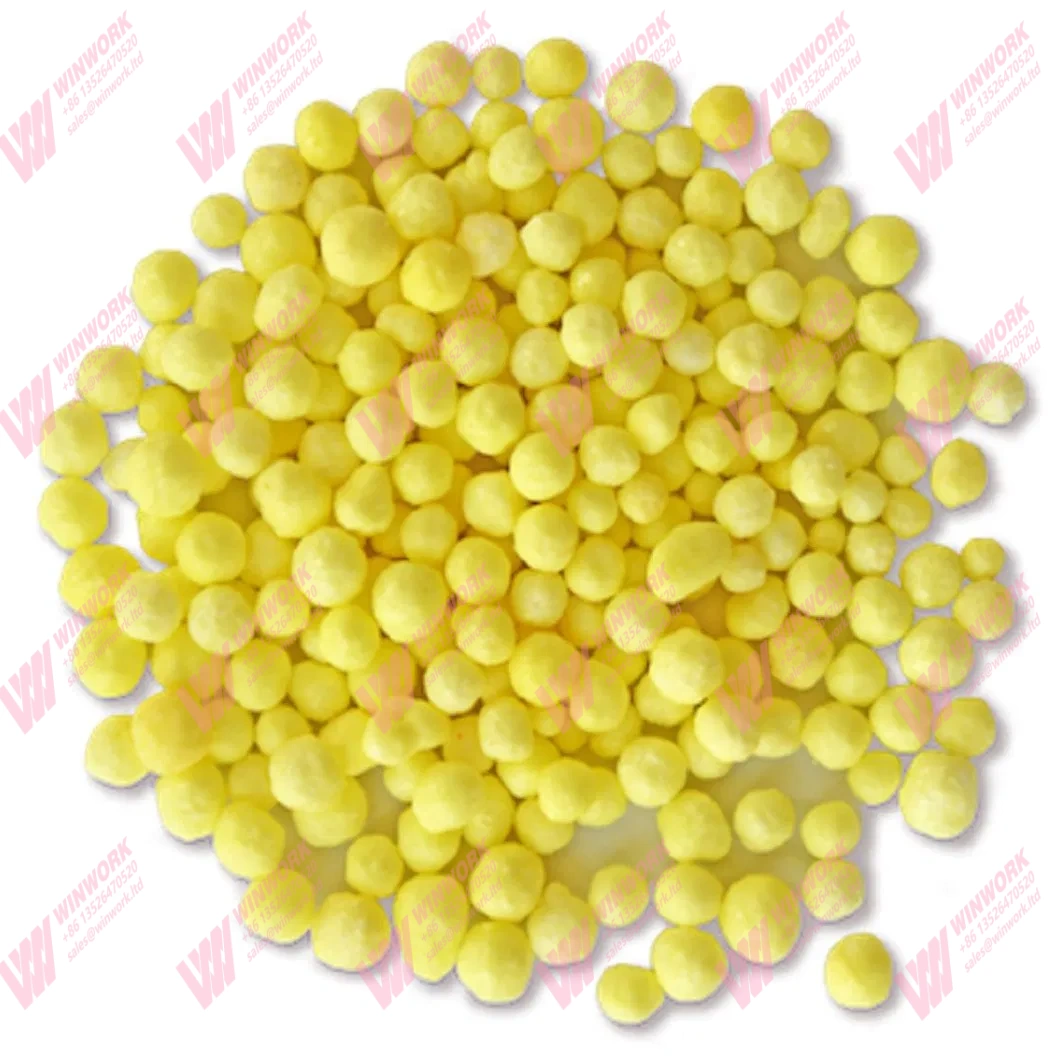
Granules can be formed through controlled extrusion or mechanical cutting methods. During the production process, the most commonly used granulators include disc granulators, rotary drum granulators, double-roll granulators, etc. Uniformity improves:
-
Packaging appearance
-
Consumer perception
-
Dust control performance
Learning how to produce silicone cat litter involves maintaining a balance between mechanical shaping and structural preservation. Excessive force can damage internal pores and reduce absorption efficiency.
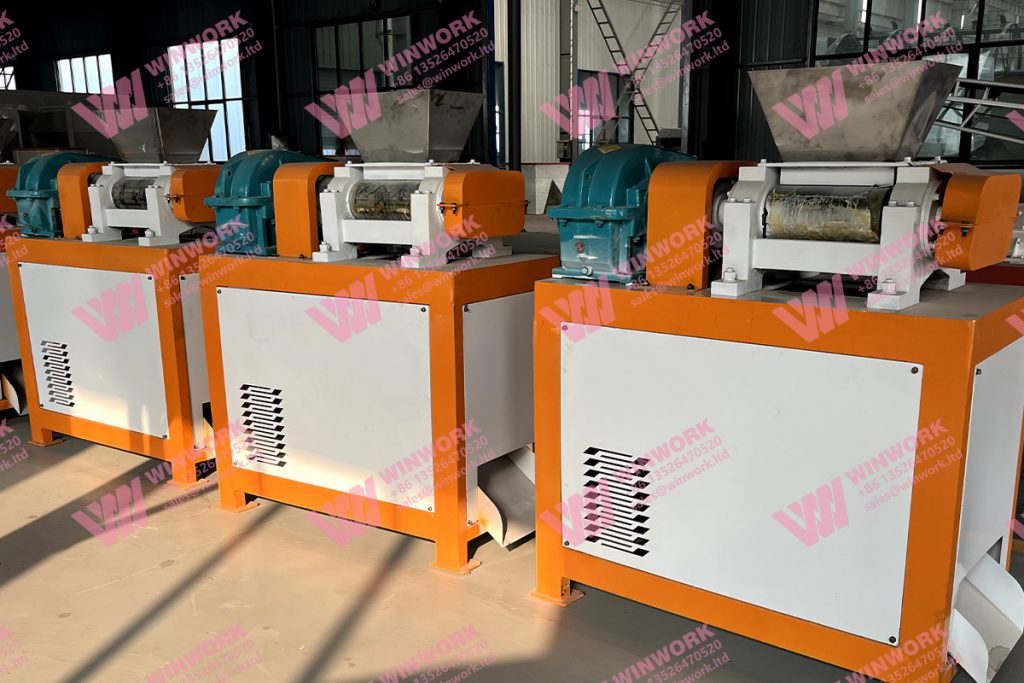
double roller granulator
Drying and Moisture Reduction
Drying is one of the most technically sensitive steps when discussing how to produce silicone cat litter.
The objective is to remove moisture while preserving the porous structure formed during the reaction stage. Overheating may cause cracking, while insufficient drying reduces performance.
Key drying principles include:
-
Moderate and stable temperature
-
Even airflow distribution
-
Controlled drying duration
Efficient drying improves shelf life and enhances absorption performance. Energy consumption should also be monitored closely to maintain profitability.
Screening and Classification
After drying, the product must be classified to ensure consistent particle size. Common and highly efficient screeners include vibrating screens and rotary screens.
Screening separates:
-
Qualified granules
-
Oversized particles
-
Fine powder
Uniform grading ensures consistent product appearance and reliable absorption behavior. Fine powder should be minimized to reduce dust during packaging and consumer use.
A well-controlled classification stage improves brand credibility in competitive markets.
Cooling and Final Conditioning
Before packaging, granules must cool to room temperature. Packaging hot material can lead to condensation and moisture reabsorption.
Cooling stabilizes the product and prevents quality fluctuations during storage. Some manufacturers also apply light surface treatments to further reduce dust generation.
Understanding how to produce silicone cat litter properly includes ensuring that final conditioning protects long-term product performance.
Packaging and Storage Management
Packaging plays an important role in product quality preservation. Moisture-resistant packaging materials are recommended to prevent environmental humidity from affecting the product.
Accurate weighing ensures consistency across retail units. Clear labeling enhances consumer trust and supports brand positioning.
Proper storage conditions should avoid high humidity and direct sunlight exposure.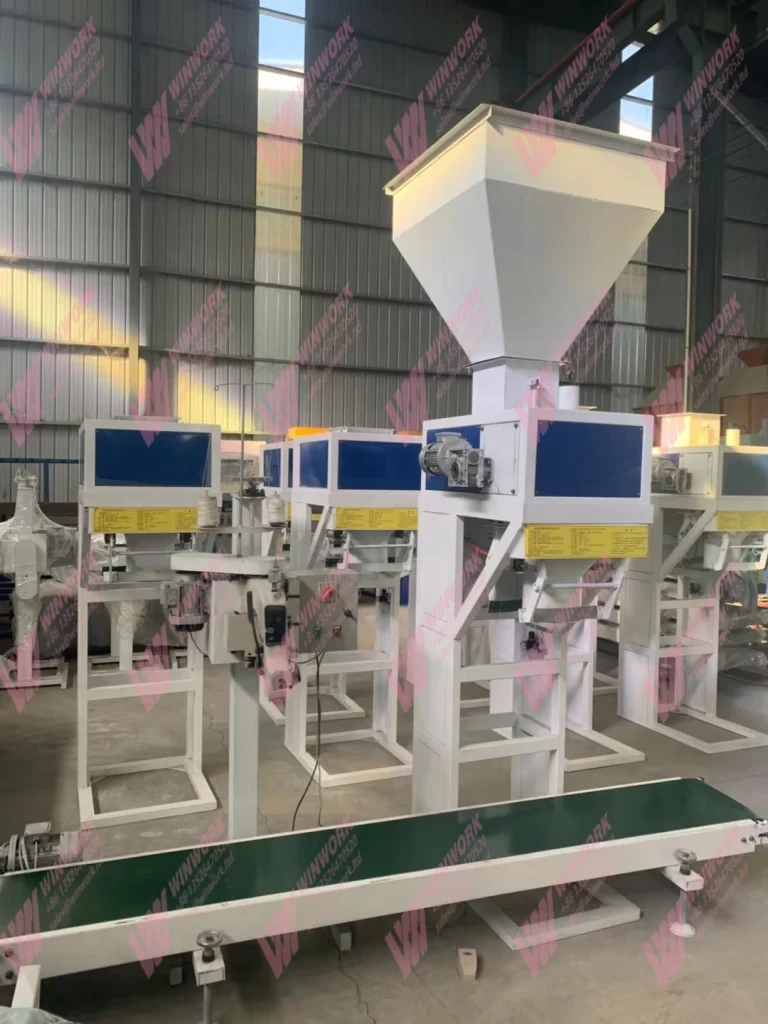
Cost Structure and Profit Considerations
When evaluating how to produce silicone cat litter commercially, cost analysis becomes critical.
Main cost components include:
-
Raw materials
-
Energy consumption
-
Labor
-
Water treatment
-
Maintenance
-
Packaging materials
Drying typically represents a major share of energy cost. Improving heat efficiency and insulation can significantly reduce operating expenses.
Profitability depends on balancing quality stability and production efficiency.
Quality Control Indicators
To maintain consistent standards, manufacturers must monitor several performance indicators:
-
Absorption rate
-
Moisture content
-
Bulk density
-
Dust percentage
-
Particle strength
Routine laboratory testing ensures stable output. Continuous monitoring also helps detect early signs of production deviation.
Quality management is central to mastering how to produce silicone cat litter at an industrial level.
Environmental and Safety Compliance
Chemical production requires strict safety protocols. Acid storage and handling procedures must meet regulatory standards.
Ventilation systems reduce airborne dust. Wastewater treatment ensures compliance with environmental policies.
Responsible production not only protects workers but also strengthens export competitiveness.
Scaling Production for Larger Markets
Once stable production is achieved, many businesses expand capacity.
Scaling up involves:
-
Increasing reaction volume
-
Improving drying efficiency
-
Enhancing automation
-
Strengthening quality inspection systems
Careful planning ensures that expansion does not compromise product consistency.
Conclusion
Understanding how to produce silicone cat litter from raw materials requires knowledge of chemical reactions, structural stabilization, moisture control, and systematic quality management. Each stage influences final performance and market acceptance.
By focusing on stable reaction conditions, efficient drying, proper classification, and responsible environmental practices, manufacturers can build a competitive and sustainable production operation.
As global demand for crystal litter continues to grow, mastering how to produce silicone cat litter offers promising opportunities for long-term business development and industrial expansion.
For more details, please feel free to contact us.
Email: sales@lanesvc.com
Contact number: +8613526470520
Whatsapp: +8613526470520
Get A Quote