

Introduction
Let’s be honest: composting is supposed to be the “green” solution for manure and farm waste, but that sour, eye-watering, nose-wrinkling stench can make it feel like a dirty secret. You’re trying to do the right thing for your soil and the environment, yet the smell drives you—and your neighbors—crazy. You all need to tolerate the bad smell all day long and you can make the compost well, too.
How to Solve Odor Problems in Composting for Good, If you’ve ever asked yourself how to solve odor problems in your composting operation, you’re not alone. The good news? It’s not magic, and it’s not expensive. It’s mostly about understanding the biology of your compost pile and giving the right microbes the upper hand.
What Is an Odor Problem, Really?
An odor problem is any unpleasant smell that comes from your composting process. Common culprits include:
The sharp, stinging smell of ammonia (like cat pee).
The rotten-egg stench of hydrogen sulfide.
General sour, fermented, or “barnyard” smells that linger for days.
How to Solve Odor Problems in Composting for Good, These odors aren’t just a nuisance—they signal that your composting process is inefficient and possibly polluting. Solving them is the first step to turning waste into a truly valuable product.
Why Do Odors Happen in the First Place?
To understand how to solve odor problems, you have to know why they start and as well as when they start. At its core, bad smells mean your compost pile is in the wrong condition for the beneficial microbes that do the work. Two main villains cause odor:
Anaerobic conditions – When your pile lacks oxygen, anaerobic bacteria take over. They break down material without air and produce nasty gases like hydrogen sulfide (rotten eggs) and mercaptans (skunk spray). This happens if the pile is too wet, too tight, or never turned.
How to Solve Odor Problems in Composting for Good, Excess nitrogen – Too much nitrogen-rich material (like fresh manure or grass clippings) compared to carbon-rich “browns” leads to ammonia release. The pile literally cooks off nitrogen gas, which smells harsh and can irritate lungs.
Both situations mean the “good guys”—aerobic microbes—aren’t doing their job.
Which Composting Methods Create Odors—And Which Don’t?
Knowing which techniques cause trouble helps us see how to solve odor problems by choosing the right method.
Odorous methods:
How to Solve Odor Problems in Composting for Good, Static piles that are never turned. Without regular aeration, the center of the pile becomes a black hole for oxygen, and smells build up.
Untreated slurry heaps—liquid manure mixed with high-nitrogen waste and dumped in a pile. This is a perfect storm for anaerobic fermentation.
Overloaded nitrogen mixes—heaps made mostly of fresh manure or green waste, with little or no dry carbon added.
Odor-free methods:
Turned composting—using a compost turner to regularly mix and aerate the pile. Oxygen-rich conditions favor aerobic microbes that produce only mild, earthy smells.
Balanced recipes—mixing nitrogen sources with carbon sources like straw, sawdust, dry leaves in the right ratio (about 25–30:1). This prevents ammonia release.
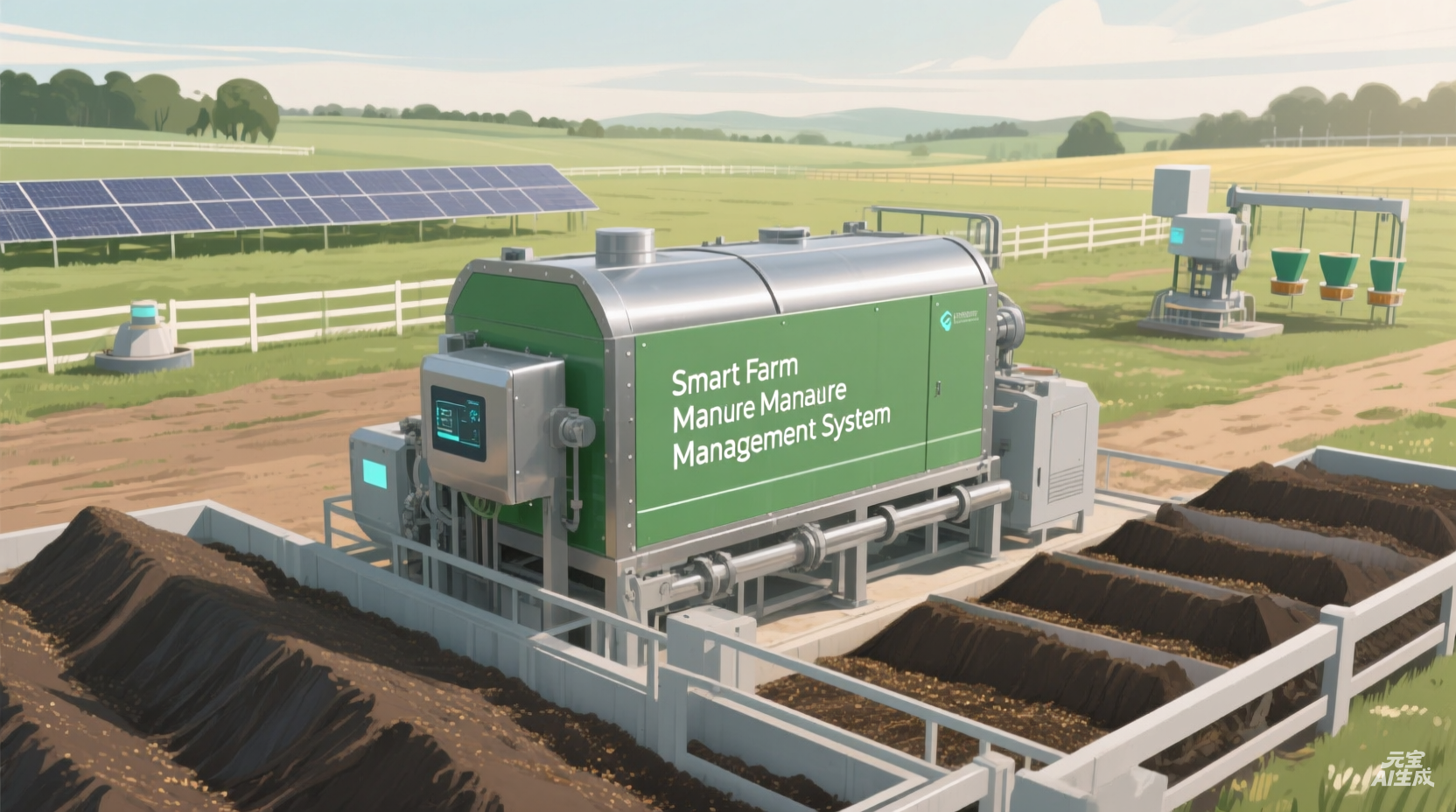
Enclosed systems with biofilters—such as a mobile composting bin or tunnel where air is forced through a wood-chip filter before leaving the system. This catches odors before they escape.
How to Solve Odor Problems in Composting for Good, Also, beside the compost turner, the tank is also important for the process. The Horizontal Fermentation Tank is a state-of-the-art equipment designed for the effective aerobic fermentation of organic waste, agricultural residues, sludge, and other compostable materials. Unlike vertical tanks, the horizontal design allows for larger capacity and more uniform fermentation.
The Horizontal Fermentation Tank is widely used in the production of organic fertilizers and compost, offering numerous advantages in terms of efficiency, control, and environmental impact.
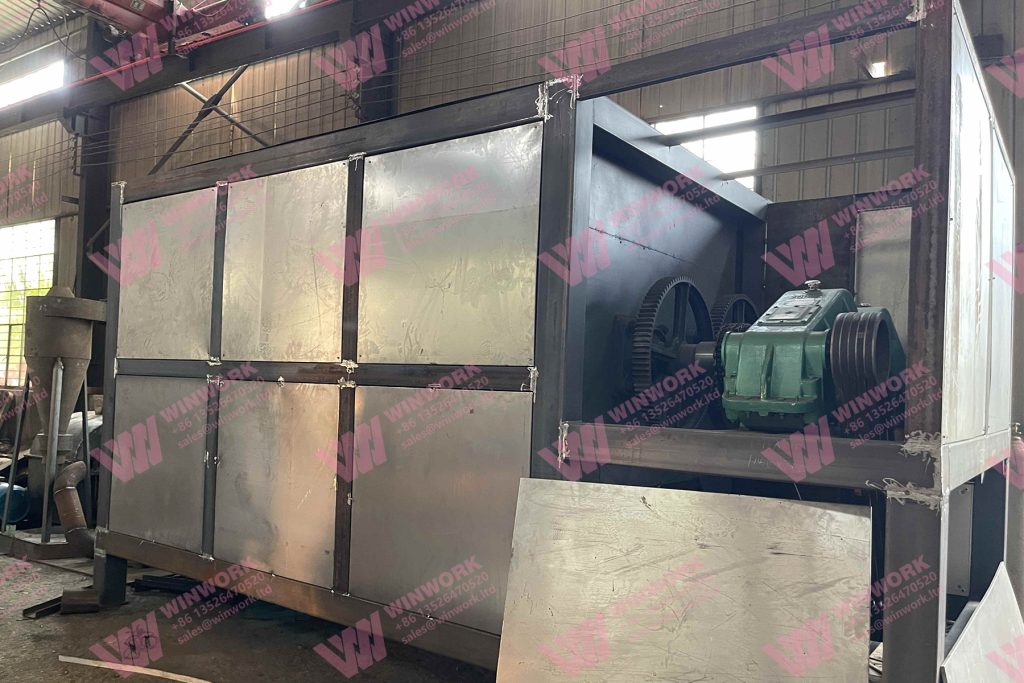
Horizontal fermentation tank
The Practical Steps for How to Solve Odor Problems
If you’re serious about how to solve odor problems in your composting system, follow these straightforward steps:
How to Solve Odor Problems in Composting for Good, Aerate, aerate, aerate. The single most effective fix is introducing oxygen. Use a compost turner every 3–5 days. This breaks up clumps, lets air flow, and shifts control to clean, aerobic microbes.
Balance your carbon-to-nitrogen ratio. Add plenty of dry, absorbent carbon materials like straw, wood shavings, or shredded paper. This dilutes excess nitrogen and stops ammonia smells.
Control moisture. Your pile should feel like a wrung-out sponge—damp, not soaking. If it’s too wet, add more carbon; if it’s too dry, sprinkle with water while turning.
How to Solve Odor Problems in Composting for Good, Use the right equipment. A compost turner is your best friend for solving odor problems. For small farms, a tow-behind or walk-behind unit works wonders. Pair it with a solid-liquid separator to start with drier material, and a shredder to mix carbon sources evenly.
Consider enclosed systems. If space or neighbor proximity is an issue, a mobile composting bin with a biofilter can eliminate odors entirely.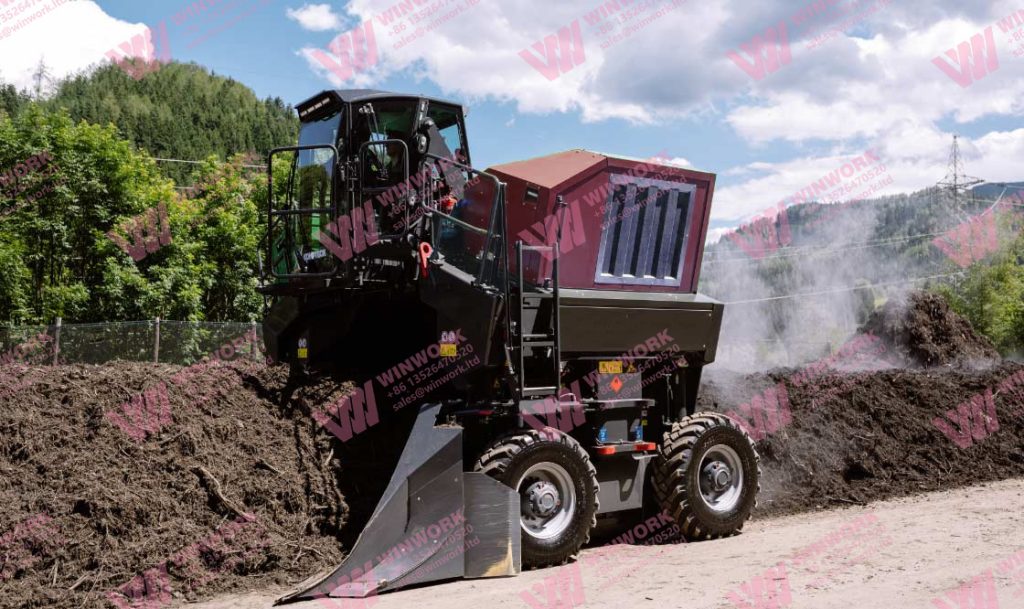
The Benefits of Solving Odor Problems
Learning how to solve odor problems isn’t just about pleasant smells. The rewards are tangible:
Happier neighbors—no more complaints, visits from the township, or strained relationships.
Better compost quality—aerobic composting kills pathogens and weed seeds, producing a safer, more valuable end product.
Faster process—oxygen-rich piles heat up quickly and finish in weeks instead of months.
Regulatory compliance—less ammonia and methane means you stay ahead of environmental rules.
In fact, the way to solve the manure odor is just like this kind of fertilizer making process, and this can turn waste into wealth, reduce the manure waste to protect the environment and as well as the health.
Higher profits—clean, odorless compost can be sold at a premium price.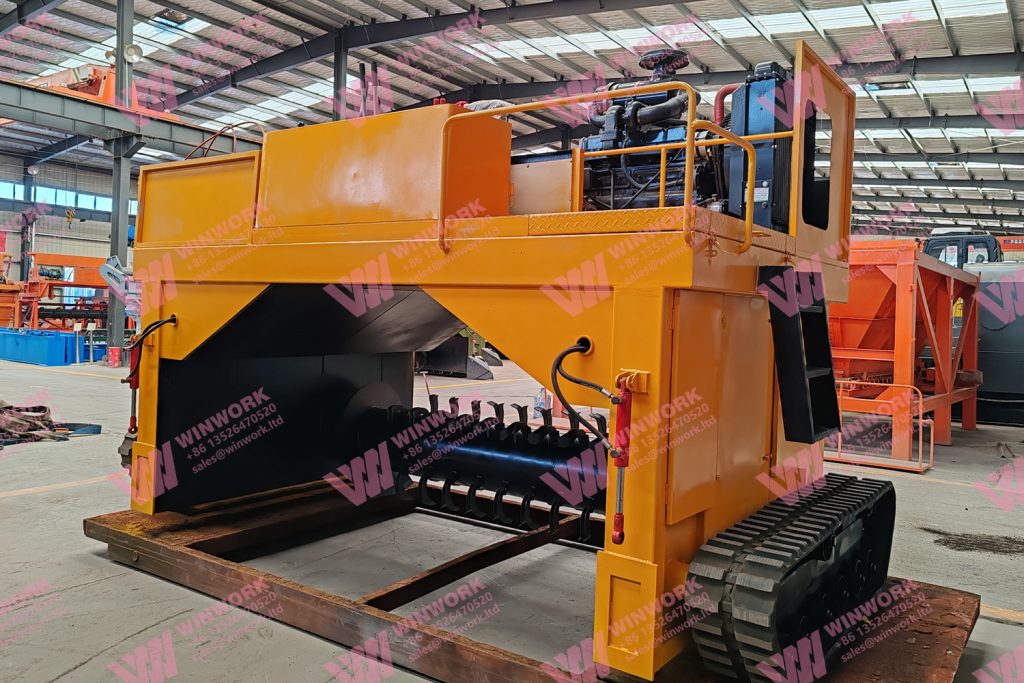
Real Farm Example
The Langstons milk 120 cows and used to struggle with complaints about their manure composting area. The piles sat untouched for months, releasing ammonia and occasional rotten-egg bursts. After researching how to solve odor problems, they invested in a PTO-driven compost turner and began adding straw to every batch. Within weeks, the bad smells vanished. Their compost was ready in a month, and they started selling it to local organic farms. “Once we learned how to solve odor problems, composting went from a headache to a profit center,” says owner Jenna Langston.
FAQ: Your Questions About How to Solve Odor Problems Answered
Q1: Can I stop odors without buying a compost turner?
A: Yes, but it’s more work. Turning the pile with a front-end loader or pitchfork every few days will help. The turner just makes it faster and more consistent.
Q2: My pile smells like rotten eggs. What’s wrong?
A: Classic anaerobic activity. Turn the pile immediately to add oxygen. If it’s very wet, mix in dry carbon like sawdust or straw.
Q3: What causes the ammonia smell?
A: Too much nitrogen. Add carbon-rich material and mix it in thoroughly to balance the pile.
Q4: Do I need chemicals to control the smell?
A: No. Chemicals are a temporary fix and can harm the microbes you’re trying to encourage. Stick with aeration and proper recipe balance.
Q5: Will turning the pile make the smell worse at first?
A: It might release trapped gases for a short time, but that’s a sign you’re fixing the problem. After a few hours, the smell will fade to a mild, earthy scent.
Q6: Can I compost in my backyard without upsetting my family?
A: Absolutely. Use a closed bin or tumbler, add lots of browns, and turn it occasionally. This is a simple example of how to solve odor problems on a small scale.
Q7: What’s the easiest way to tell if I’ve solved the odor problem?
A: The pile should smell earthy, like a forest floor. No stinging ammonia, no rotten eggs. The temperature will climb steadily, showing healthy aerobic activity.
Q8: Does the type of manure matter?
A: Yes. Chicken manure is high in nitrogen and more prone to ammonia smells. Cow and horse manure are cooler but can still go anaerobic if not managed.
Q9: How often should I turn the pile?
A: Every 3–5 days in the beginning, or whenever the temperature drops and the pile cools. Consistent turning is key to how to solve odor problems.
Q10: Where can I get a compost turner?
A: Many agricultural equipment dealers carry them, and they’re available online. It’s the single best investment for how to solve odor problems in larger-scale composting.
Conclusion
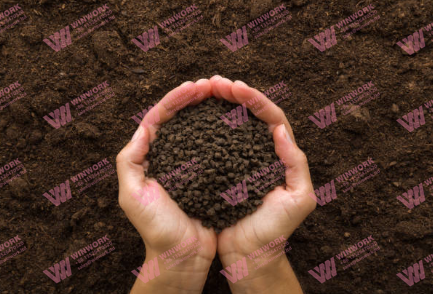
Unpleasant odors from composting are not a fact of farm life—they’re a sign that your process needs adjustment and this is not your thoughts are wrong, this is just your methods need to change. By understanding the causes and applying the right mix of aeration, moisture control, and balanced ingredients, you can master how to solve odor problems for good. The payoff is a faster, cleaner composting operation that pleases neighbors, meets regulations, and boosts your bottom line.
For more details, please feel free to contact us.
Email: sales@lanesvc.com
Contact number: +8613526470520
Whatsapp: +8613526470520
Get A Quote