

Introduction
If you’ve ever stepped into a barn or pasture, you know the problem: livestock manure. It piles up, stinks, and seems like nothing but trouble. But what if that same manure could become a money-making, soil-boosting fertilizer? And what if the process could also save energy and cut your farm’s power bill? That’s exactly what we’ll cover in this guide on how to turn livestock manure into fertilizer the smart, sustainable way. how to turn livestock manure into fertilizer is a longtime question and now we will talk about this annoying question together.
Why Bother How to Turn Livestock Manure into Fertilizer?
Let’s be honest—untreated manure is a liability. It pollutes water, breeds flies, and rots, losing nutrients. But how to turn livestock manure into fertilizer, when you process it right, it becomes a high-value organic fertilizer packed with nitrogen, phosphorus, and potassium. Plus, by using energy-efficient methods, you can make this transformation part of a broader plan for energy saving and consumption reduction on your farm.
How to Turn Livestock Manure into Fertilizer: Step-by-Step
Collect and Separate
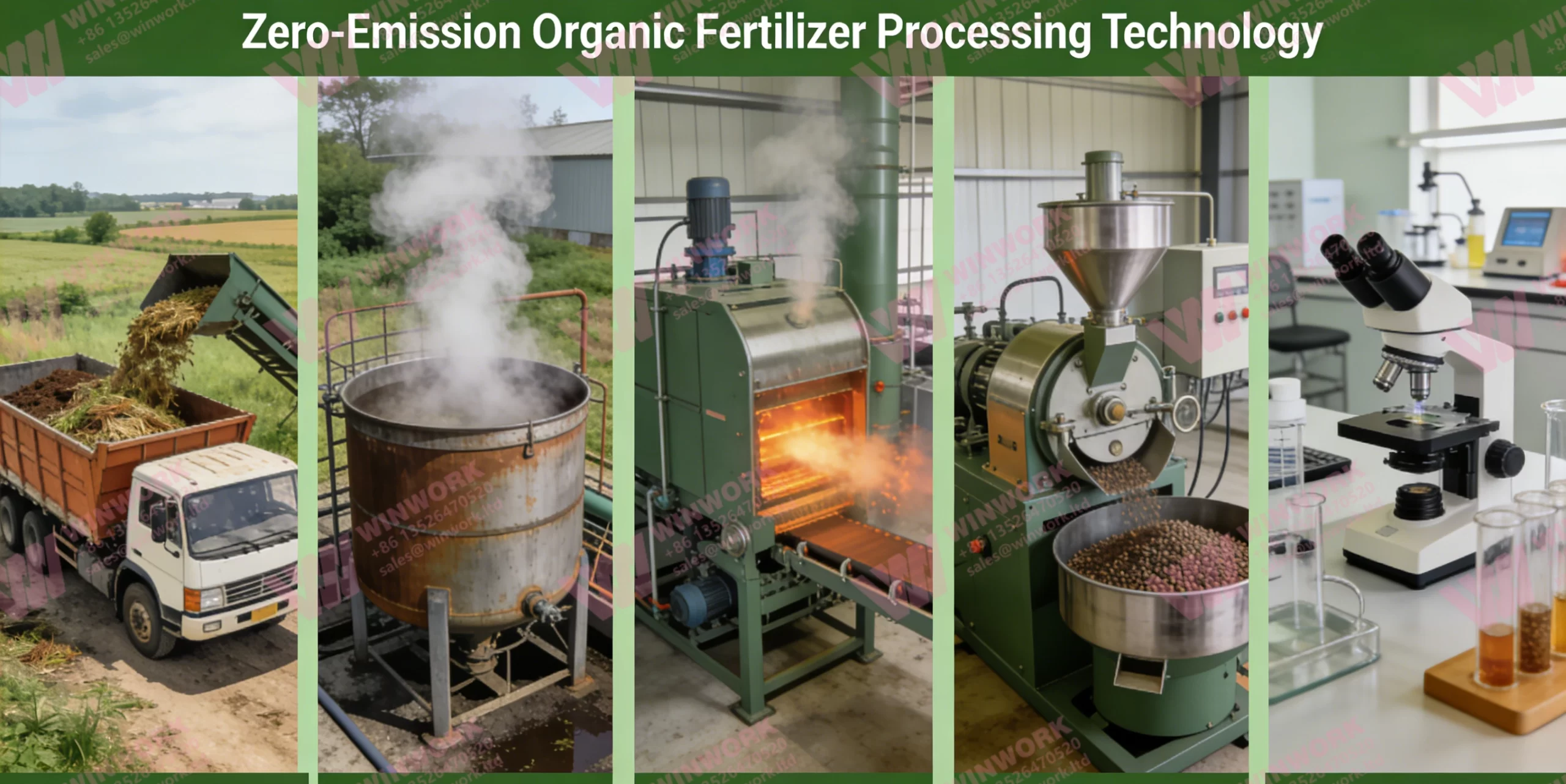
Start by gathering fresh manure. If you have a mix of solids and liquid, use a solid-liquid separator to divide it. The solid part is perfect for composting; the liquid can be used for fertigation or biogas. This step is the first in how to turn livestock manure into fertilizer efficiently. It tells how to turn livestock manure into fertilizer.
Prep the Material
Fresh manure is too wet and dense. Add carbon-rich “brown” materials like straw, sawdust, or shredded leaves. A manure crusher or shredder grinds it into smaller pieces, making it easier to mix and compost. This also helps with energy saving and consumption reduction by speeding up the process, so you use less power for turning and drying. It tells how to turn livestock manure into fertilizer.
Compost with Control
Pile the mixture in long rows (windrows) or a container, and turn it regularly with a compost turner. The goal is to keep it aerated and moist, so microbes can break it down. In 2–3 months, the heap heats up, killing pathogens and weed seeds. The result? Dark, crumbly, earthy-smelling compost. This is the heart of how to turn livestock manure into fertilizer on a small or mid-sized farm. It tells how to turn livestock manure into fertilizer.
Fresh compost is moist. Use a rotary drum dryer with a heat exchanger to remove excess water. A heat exchanger recycles warmth from another process (like a generator or boiler), which is a direct energy saving and consumption reduction move. After drying, run the compost through a vibrating screen to remove any undecomposed bits. It tells how to turn livestock manure into fertilizer.
Want to sell neat bags of fertilizer? Feed the screened compost into a flat die granulator or double roller extruder. The machine shapes it into uniform pellets that won’t crumble in transport. This step adds value and makes storage easier. It tells how to turn livestock manure into fertilizer.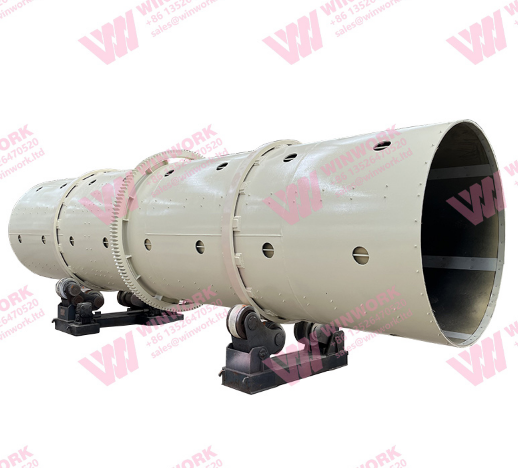
Store and Apply
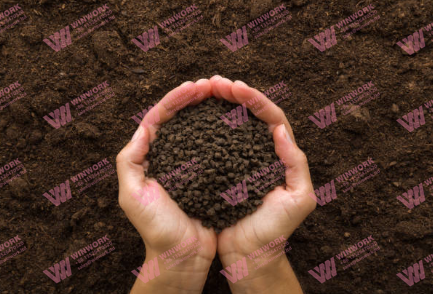
Keep the finished fertilizer in a dry, covered area. Apply it to fields, gardens, or sell it to local farmers. You’ve now completed the cycle of how to turn livestock manure into fertilizer—and created a product that improves soil and cuts your reliance on synthetic inputs.
Energy-Saving Twist: Link Manure to Biogas
Here’s where energy saving and consumption reduction really shine. The liquid from your solid-liquid separator can go into an anaerobic digester. Microbes break it down in an oxygen-free tank, producing biogas (mostly methane). You can burn this gas to power a generator, water heater, or even a dryer, reducing your farm’s electricity and fuel bills. The leftover “digestate” is a liquid fertilizer—bonus!
Common used equipment
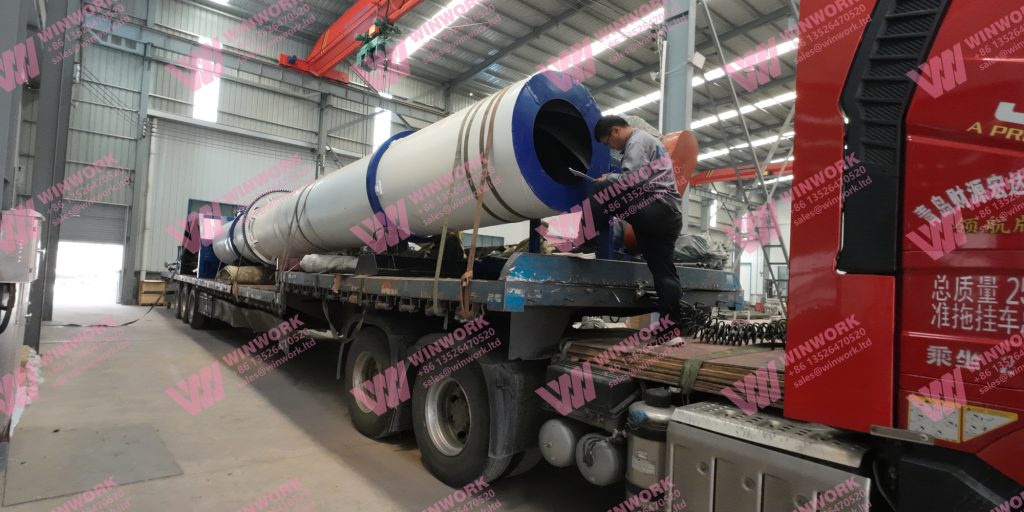
The tank you can take consider of this kind.The Horizontal Fermentation Tank is a state-of-the-art equipment designed for the effective aerobic fermentation of organic waste, agricultural residues, sludge, and other compostable materials. Unlike vertical tanks, the horizontal design allows for larger capacity and more uniform fermentation.
Horizontal crusher, also known as horizontal semi-wet material crusher, is a kind of crushing equipment specially designed to deal with high humidity, organic materials, especially suitable for organic fertilizer production in the material pre-treatment.
This step is granulation which is optional but important.
If it is small and in small quantities, manual pressing can be carried out to compress the fertilizer into granules or shape it, which is convenient for storage. Large-scale farms can purchase professional granulators, which can be used for a long time and at the same time improve work efficiency.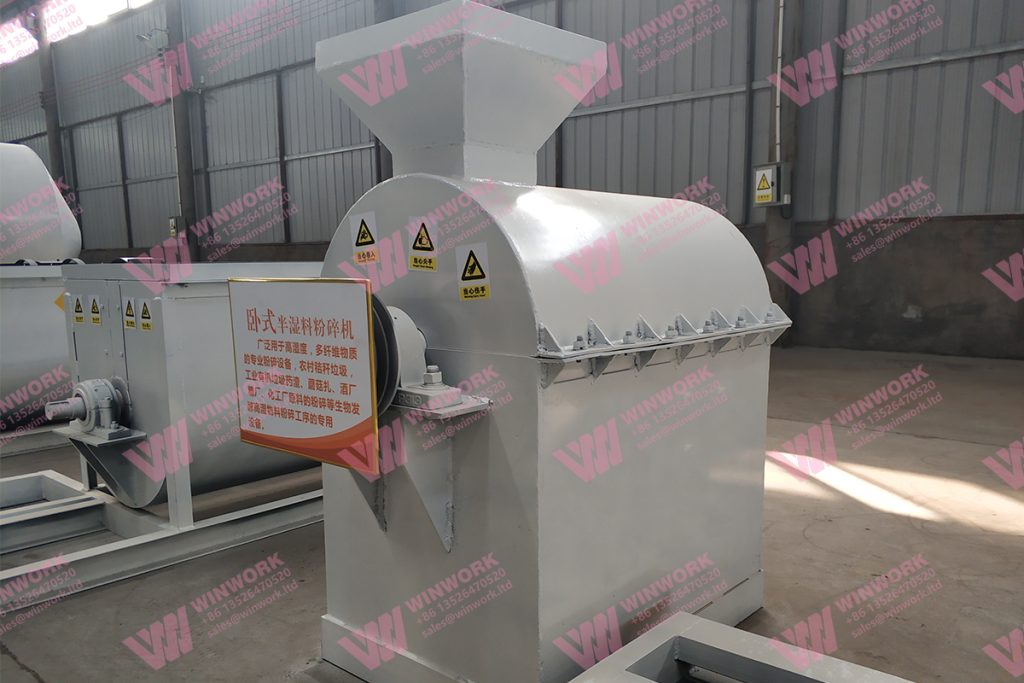
Real Farm Example
The Zhangs used to pay $400/month to spread raw manure and $200/month for electricity. After installing a $2,200 separator, $3,000 compost turner, and a $12,000 digester, they:
Turned 2 tons of manure into 1.5 tons of compost monthly, sold for $150/ton
Cut electricity use by 30% using biogas to power their water heater
Reduced waste disposal costs to near zero
“How to turn livestock manure into fertilizer was the question we needed to answer. Now, it’s a profit center and an energy saver,” says Mr. Zhang.
FAQ
Q1: Can I use manure from different animals together?
A: Yes! Chicken, cow, and pig manure can be mixed, but balance carbon and nitrogen. Chicken manure is hotter than cow manure.
Q2: How long does it take to make fertilizer?
A: With a compost turner, 2–3 months. Add 1 month for curing. Drying and granulation take another 1–2 weeks.
Q3: Is the process smelly?
A: Proper composting and sealed digesters control odor. The end product is odorless.
Q4: Do I need a permit to sell the fertilizer?
A: Small-scale, local sales usually don’t need permits. For large operations, check local organic fertilizer regulations.
Q5: How do I know the compost is safe?
A: It should be dark, crumbly, and earthy-smelling. Lab tests can confirm pathogen and heavy metal levels.
Q6: Can I use the liquid from separation?
A: Yes! It’s great for fertigation or biogas. This is a key part of how to turn livestock manure into fertilizer and energy.
Q7: What’s the best way to save energy in the process?
A: Use a heat exchanger in the dryer, VFDs on motors, and biogas for heating. These are top energy saving and consumption reduction tactics.
Q8: How fine should I crush the manure?
A: Aim for 5–10mm particles. This helps composting and reduces drying time, saving energy.
Q9: Can I do this on a small farm?
A: Absolutely! Even 5–10 cows can make composting and small-scale biogas worthwhile.
Q10: How do I start?
A: Begin with a simple compost pile and separator. As you see results, add a dryer, granulator, or digester.
Conclusion
How to turn livestock manure into fertilizer is more than a waste-management trick—it’s a strategy for profit, soil health, and sustainability. By using the right equipment and linking the process to energy saving and consumption reduction, you can turn a smelly problem into a clean, money-making solution. Whether you have five cows or 500, the steps are the same: collect, process, compost, and convert. The sooner you start, the sooner you’ll see lower bills, richer soil, and a farm that works with nature instead of against it.
For more details, please feel free to contact us.
Email: sales@lanesvc.com
Contact number: +8613526470520
Whatsapp: +8613526470520
Get A Quote