

Introduction
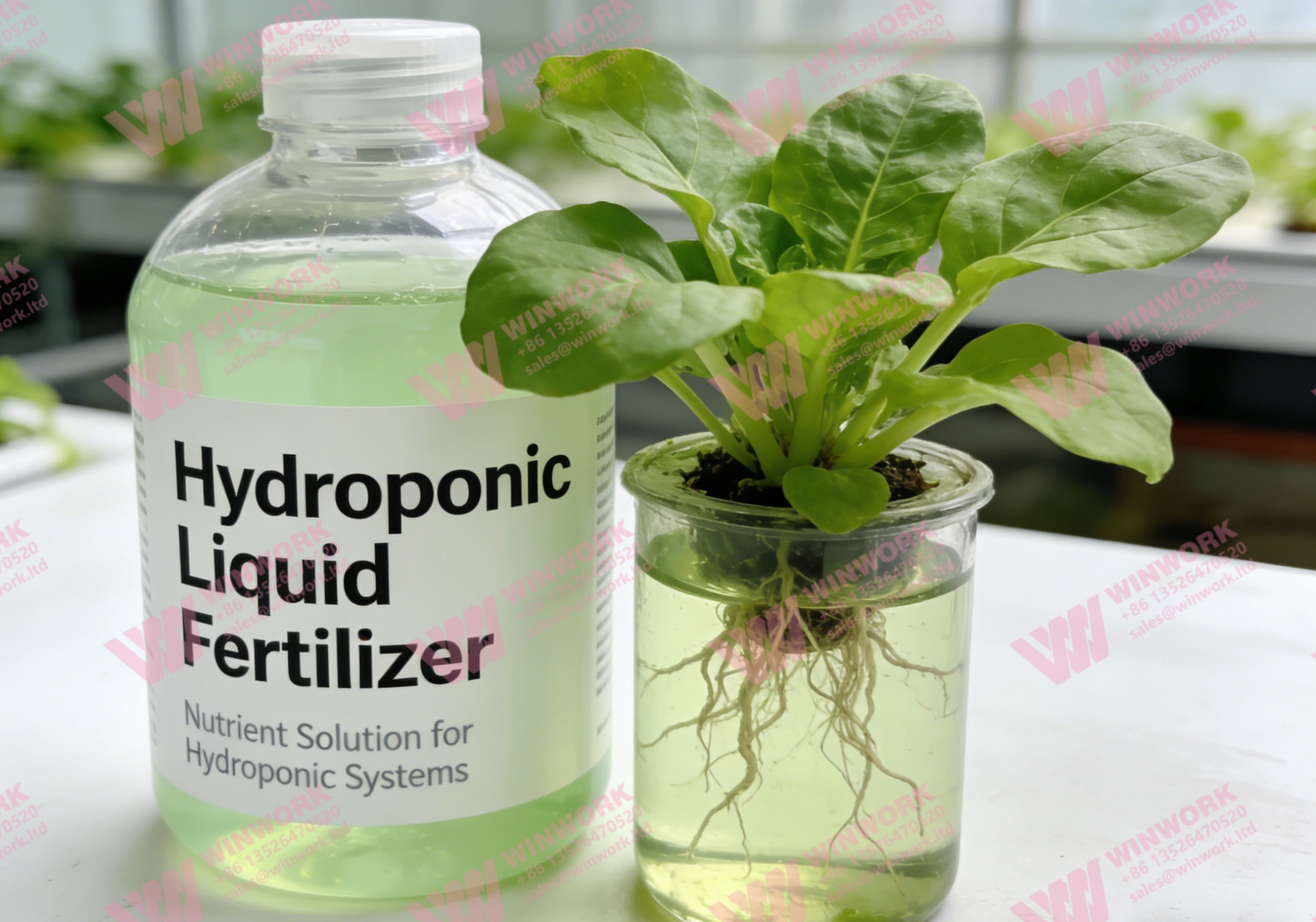
As soilless cultivation gains traction worldwide, hydroponic liquid fertilizer is becoming the cornerstone of precision nutrition for high‑yield, high‑quality crop production. This press release explores what hydroponic liquid fertilizer is, how and when to use it, its integration with production‑line fertilizer systems and fertilizer manufacturing processes, common equipment, and key benefits. We describe so detail to help growers, agronomists, and fertilizer producers fully grasp and leverage this essential solution for modern soilless agriculture.
What Is Hydroponic Liquid Fertilizer?
Hydroponic liquid fertilizer is a fully dissolved nutrient solution specially formulated for soilless growing systems, where plant roots are suspended in an inert medium (such as perlite, rockwool, clay pebbles, or nutrient film technique channels) and receive all essential elements directly from water. Unlike traditional solid fertilizers that depend on soil for dissolution and buffering, hydroponic liquid fertilizer supplies nitrogen, phosphorus, potassium, calcium, magnesium, sulfur, and chelated micronutrients in precise ratios, ready for immediate root uptake.
In modern agriculture, integrating hydroponic liquid fertilizer with production‑line fertilizer manufacturing ensures consistent composition, eliminates variability, and allows customization for specific crops such as lettuce, tomatoes, strawberries, herbs, cannabis and growth stages.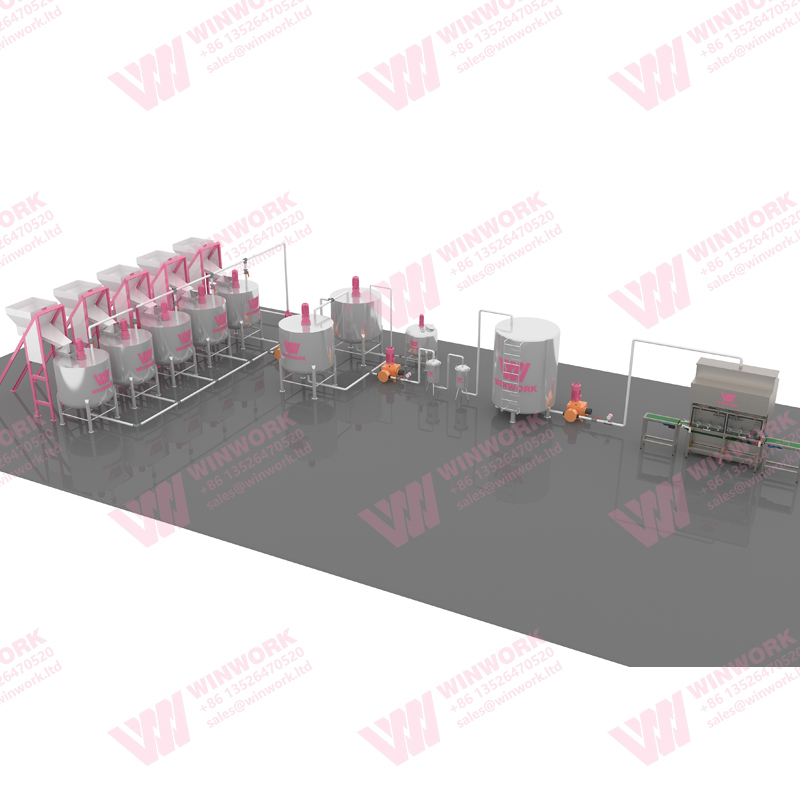
How and When to Use Hydroponic Liquid Fertilizer
Successful use of hydroponic liquid fertilizer hinges on matching nutrient formulation and concentration to the crop’s physiological stage and system type.
Seedling/Clone Stage: Use a low‑EC, balanced formula with moderate nitrogen to encourage healthy root and leaf development without inducing stress.
Vegetative Growth: Increase nitrogen and certain micronutrients (e.g., calcium, magnesium) to promote stem and leaf expansion.
Flowering/Fruiting: Shift to higher phosphorus and potassium ratios to support bloom development, fruit set, and quality.
Application is continuous or intermittent via automated dosing systems in most commercial setups. Concentration is monitored using Electrical Conductivity (EC) and pH meters; adjustments are made daily or hourly depending on plant response and environmental conditions. Using hydroponic liquid fertilizer correctly means constantly calibrating dose and timing to prevent deficiencies or toxicities.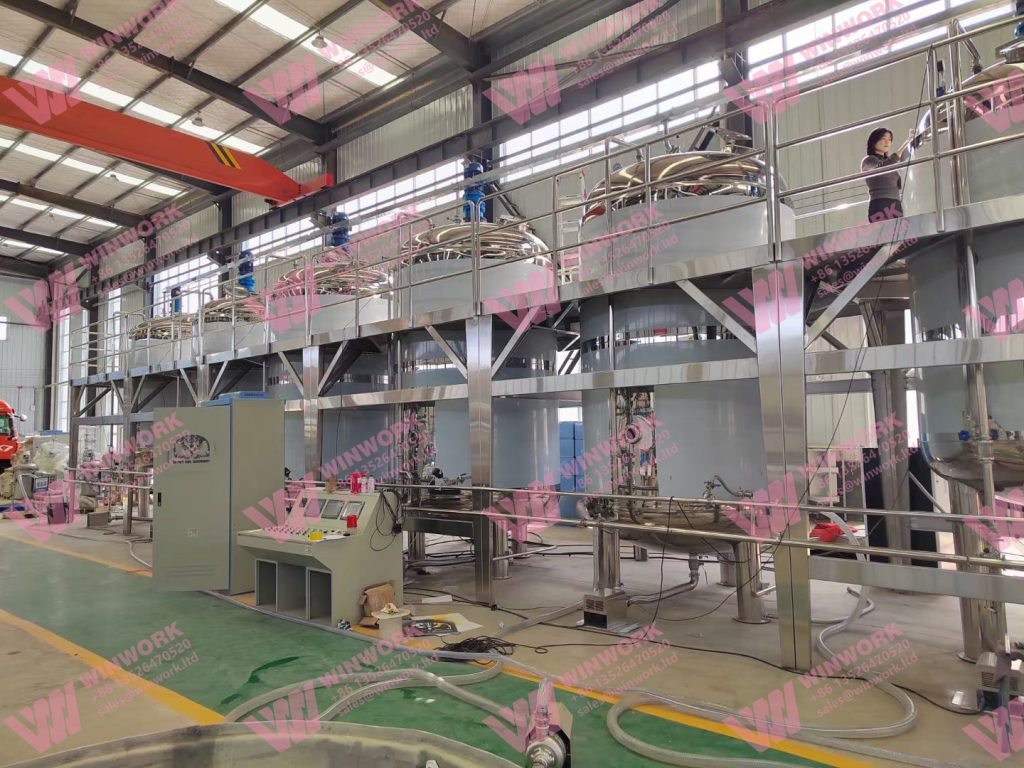
Hydroponic Liquid Fertilizer and Production‑Line Fertilizer Manufacturing
To guarantee reliability in soilless systems, hydroponic liquid fertilizer is ideally produced via production‑line fertilizer systems employing rigorous fertilizer manufacturing protocols:
Raw Material Selection
Macronutrients: Fully soluble salts such as calcium nitrate, potassium nitrate, monopotassium phosphate, magnesium sulfate.
Micronutrients: Chelated forms (EDTA, DTPA, EDDHA) of Fe, Zn, Mn, Cu, B, Mo to remain stable across pH ranges encountered in soilless media.
pH Buffers and Additives: Compounds to help maintain optimal pH (often 5.5–6.5 for hydroponics) and prevent precipitation.
Precise Formulation and Mixing
During fertilizer manufacturing, automatic batching systems weigh each component to exact specifications. This precision ensures each batch of hydroponic liquid fertilizer meets the target EC and elemental profile, critical because soilless systems lack the buffering capacity of soil.
Dissolution and Stabilization
Ingredients are dissolved in purified or reverse osmosis (RO) water at controlled temperatures, with continuous agitation. Chelators and sequestering agents are added to keep micronutrients in solution, preventing blockages in drippers and channels — a vital step when producing hydroponic liquid fertilizer.
Filtration and Packaging
Final solution passes through multi‑micron filters (5–10 µm) to remove any undissolved particles. Packaging is done in food‑grade containers (jugs, drums, totes) to preserve purity for sensitive hydroponic applications.
Some machines and procedures for hydroponic liquid fertilizer
Raw material proportioning: the liquid fertilizer production line first carries out accurate proportioning of raw materials, weighs various nutrients accurately according to the set formula, and conveys the raw materials to the mixing system through the automatic dosing system.
Mixing and Dissolving: The raw materials after proportioning enter into the mixing and dissolving tank, through the mechanical mixing and dissolving system, the nutrient elements are fully mixed and dissolved in the liquid substrate to form a uniform liquid fertilizer.
Filtering and purification: The mixed liquid fertilizer needs to go through a multi-stage filtering system to remove the impurities that may exist during the dissolution process, ensuring the purity and quality of the liquid fertilizer.
Automatic Filling: The filtered liquid fertilizer is transported to the automatic filling machine for quantitative filling. The filling process accurately controls the volume of each bottle of liquid fertilizer to avoid overflow or uneven phenomenon.
Capping and Packing: The bottles of liquid fertilizer after filling will be automatically capped and labeled and packaged through the automatic packaging system, finally forming the finished liquid fertilizer.
Quality Inspection: The production line is equipped with automated inspection equipment, which carries out strict quality inspection on each batch of products produced to ensure that each bottle of liquid fertilizer meets the national standards and the quality requirements of the enterprise.
Storage and Transportation: Qualified finished products are centrally stored through the warehousing system, and then transported to customers on demand after orders are confirmed.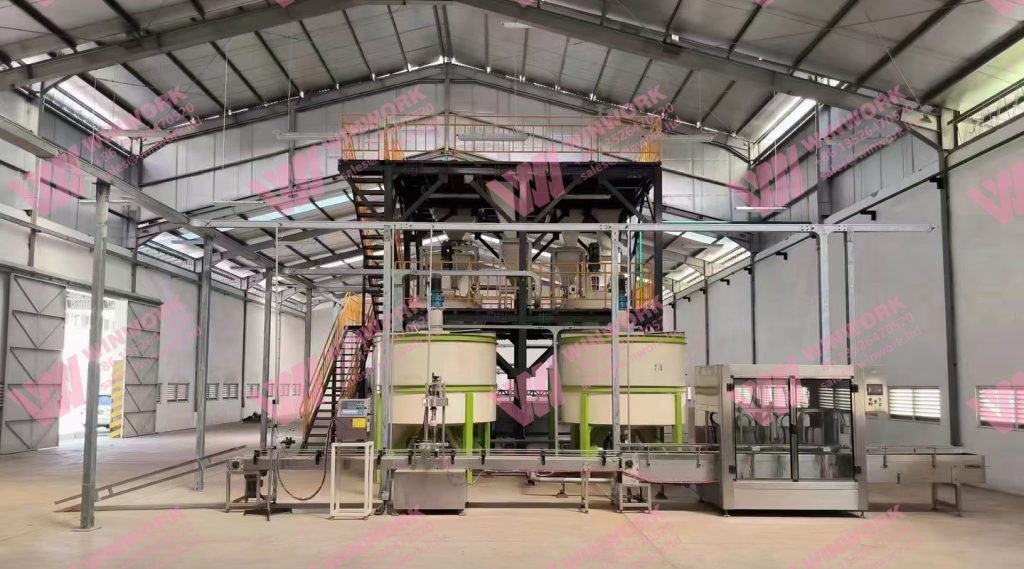
Liquid fertilizer production line equipment composition
Raw material dosing system: responsible for the accurate weighing and transportation of raw materials to ensure that the proportion of each raw material is accurate.
Mixing and Dissolving System: Efficient mixing equipment and dissolving tanks can quickly and evenly dissolve various nutrients in the liquid substrate.
Filtration system: multi-stage filtration equipment ensures the purity of liquid fertilizer and avoids the influence of impurities on product quality.
Automatic filling machine: high-precision filling equipment to ensure consistent capacity of each bottle of liquid fertilizer, fast filling speed and high efficiency.
Capping and packaging machine: automatically complete a series of operations such as capping, labeling, packaging, etc. to ensure that the product is beautiful and well sealed.
Quality inspection system: automated inspection equipment for real-time monitoring and inspection of each batch of products on the production line to ensure stable product quality.
Centralized control system: the whole production line is equipped with PLC control system, which can adjust the production operation at any time.
Benefits of Hydroponic Liquid Fertilizer
Using hydroponic liquid fertilizer delivers significant advantages:
Instant Nutrient Availability – Roots absorb dissolved nutrients immediately, accelerating growth and shortening crop cycles.
Precision Control – Exact ratios and concentrations tailored to each growth phase maximize yield and quality.
Water Efficiency – Closed systems recirculate excess solution, drastically reducing water use compared to soil farming.
Clean, Soilless Hygiene – Eliminates soil‑borne pests and diseases, lowering pesticide needs.
Space Optimization – Enables vertical and high‑density planting, increasing production per square meter.
Consistency & Scalability – Production‑line fertilizer systems ensure uniform batches, supporting everything from hobby indoor gardens to multi‑acre commercial greenhouses.
FAQ
Q1: Can I use any liquid fertilizer for hydroponics?
A: No. Regular liquid fertilizers may contain insoluble fillers or inappropriate salt balances that clog systems or unbalance nutrient ratios. Always use specially formulated hydroponic liquid fertilizer.
Q2: How often should I dose hydroponic liquid fertilizer?
A: In recirculating systems, continuous dosing with EC feedback is common; in drain‑to‑waste systems, apply with each watering, adjusting concentration by growth stage.
Q3: What pH range should I maintain?
A: Typically 5.5–6.5 for most crops. Use pH buffers during fertilizer manufacturing or in‑system adjustment to stay within range.
Q4: How do I prevent nutrient precipitation?
A: Use high‑purity water (RO preferred), chelated micronutrients, and avoid mixing incompatible salts; proper sequencing during production‑line fertilizer manufacturing minimizes risk.
Q5: Is organic hydroponic liquid fertilizer available?
A: Yes. Some producers make certified organic hydroponic liquid fertilizer from plant and animal extracts, though careful formulation is needed to maintain solubility and stability in soilless systems.
Conclusion
Hydroponic liquid fertilizer is the linchpin of modern soilless agriculture, delivering precision nutrition that maximizes growth, quality, and resource efficiency. By leveraging production‑line fertilizer infrastructure and robust fertilizer manufacturing practices, producers can supply growers with consistent, tailored hydroponic liquid fertilizer that meets the exacting demands of soilless systems. This release has emphasized hydroponic liquid fertilizer throughout to highlight its essential role in enabling clean, controlled, and highly productive cultivation. As urban farming, vertical agriculture, and controlled‑environment growing expand, hydroponic liquid fertilizer will remain a critical tool for feeding cities and ensuring food security in a sustainable, scalable way.
For more details, please feel free to contact us.
Email: sales@lanesvc.com
Contact number: +8613526470520
Whatsapp: +8613526470520
Get A Quote