

Introduction
Indonesia is one of the world’s largest agricultural producers, with strong demand for fertilizers to support crop productivity. In recent years, environmental concerns and soil degradation have increased interest in organic alternatives. As a result, Indonesia organic fertilizer processing has emerged as a promising sector with both environmental and economic value.
From plantation agriculture to smallholder farms, the shift toward sustainable inputs is creating new opportunities. Understanding the factors driving this trend helps explain why organic fertilizer processing is becoming increasingly important in Indonesia’s agricultural landscape.
Strong Agricultural Demand in Indonesia
Agriculture remains a key pillar of Indonesia’s economy. Crops such as rice, palm oil, corn, and horticultural products rely heavily on soil fertility. However, long-term use of chemical fertilizers has contributed to declining soil health in many regions, including reduced organic matter and weaker soil structure.
Indonesia organic fertilizer processing responds directly to this challenge by offering a more sustainable nutrient management approach. Organic fertilizers improve soil structure, increase microbial activity, and enhance nutrient retention over time. In many farming systems, they are used alongside chemical fertilizers to improve efficiency and reduce long-term dependency. With millions of hectares under cultivation, even small shifts toward organic inputs translate into significant market demand and stable consumption growth.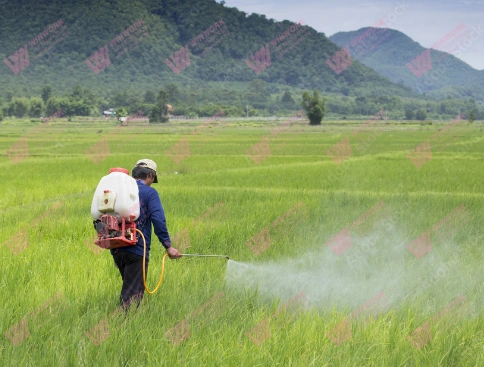
Abundant Raw Materials
One major advantage of Indonesia organic fertilizer processing is the wide availability of raw materials. Agricultural by-products such as palm oil residues, livestock manure, crop straw, and food processing waste are generated continuously across the country due to large-scale farming and agro-industrial activities.
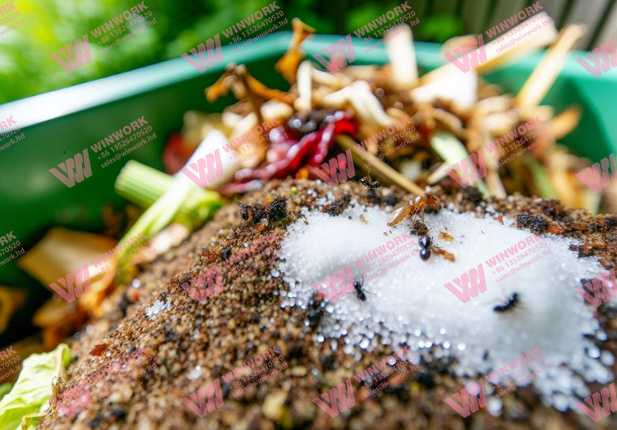
Instead of being discarded or underutilized, these materials can be processed into valuable fertilizer products through controlled fermentation and stabilization. This steady supply of feedstock lowers production costs, reduces waste management pressure, and supports decentralized fertilizer plants located close to farming regions, improving overall production efficiency.
Government Support and Sustainability Policies
Indonesia has introduced various policies aimed at improving environmental protection and sustainable agriculture. Reducing chemical fertilizer dependency and promoting organic inputs are part of broader national goals.
These policies indirectly support Indonesia organic fertilizer processing by encouraging environmentally friendly production methods. In some regions, local governments also promote composting and organic fertilizer use through agricultural extension programs, increasing farmer awareness and adoption.
Opportunities for Local Fertilizer Production
Local production is one of the key opportunities within Indonesia organic fertilizer processing. Many farmers still rely on imported or centrally produced fertilizers, which can be costly and subject to supply disruptions.
By establishing regional processing facilities, producers can supply organic fertilizer tailored to local soil conditions and crop needs. This localized approach improves supply stability and reduces transportation costs, making organic fertilizer more accessible to farmers.
Rising Demand for Organic and Sustainable Products
Global and domestic demand for organic food is growing steadily. Consumers are increasingly concerned about food safety, environmental impact, and sustainability, especially in relation to chemical residues and long-term soil degradation. This shift in consumer preference is influencing how food is produced and what inputs farmers choose to use.
This trend strongly supports Indonesia organic fertilizer processing, as organic farming systems rely heavily on natural soil inputs rather than synthetic chemicals. In addition to certified organic farms, many conventional farmers are gradually adopting semi-organic practices to meet market expectations and reduce production risks. As a result, demand for reliable, locally produced organic fertilizer continues to rise, creating stable growth opportunities for fertilizer processors and suppliers.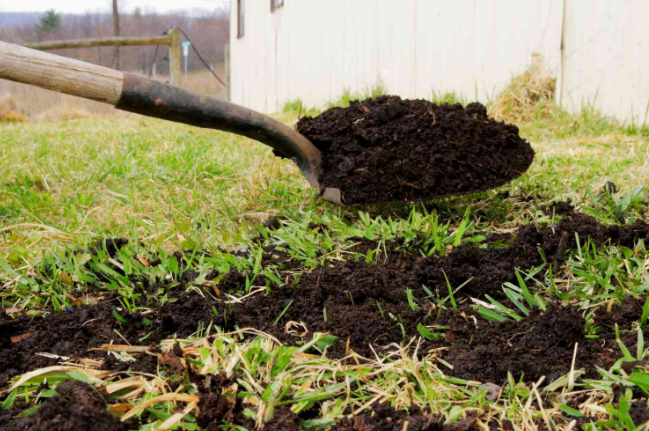
Long-Term Outlook for the Industry
Looking ahead, Indonesia organic fertilizer processing is well positioned for long-term growth. Increasing pressure to reduce environmental impact, combined with rising agricultural demand, supports continued expansion of the sector.
As awareness of soil health improves and sustainability becomes a priority, organic fertilizer processing is likely to play a larger role in Indonesia’s agricultural future.
Frequently Asked Questions(FAQ) About Indonesia Organic Fertilizer Processing
1. What materials are commonly used in Indonesia organic fertilizer processing?
Common materials include livestock manure, palm oil residues, crop straw, and food processing waste. Material selection depends on regional availability.
2. Is organic fertilizer widely accepted by farmers in Indonesia?
Acceptance is increasing, especially when organic fertilizer is used to improve soil health rather than replace chemical fertilizer completely.
3. What is the biggest challenge in organic fertilizer processing?
Maintaining consistent quality is the main challenge. Proper fermentation control and moisture management are critical.
4. Are large-scale plants more effective than small ones?
Not always. Small-scale Indonesia organic fertilizer processing plants can be effective when serving local markets with stable raw material supply.
5. Does organic fertilizer processing require advanced technology?
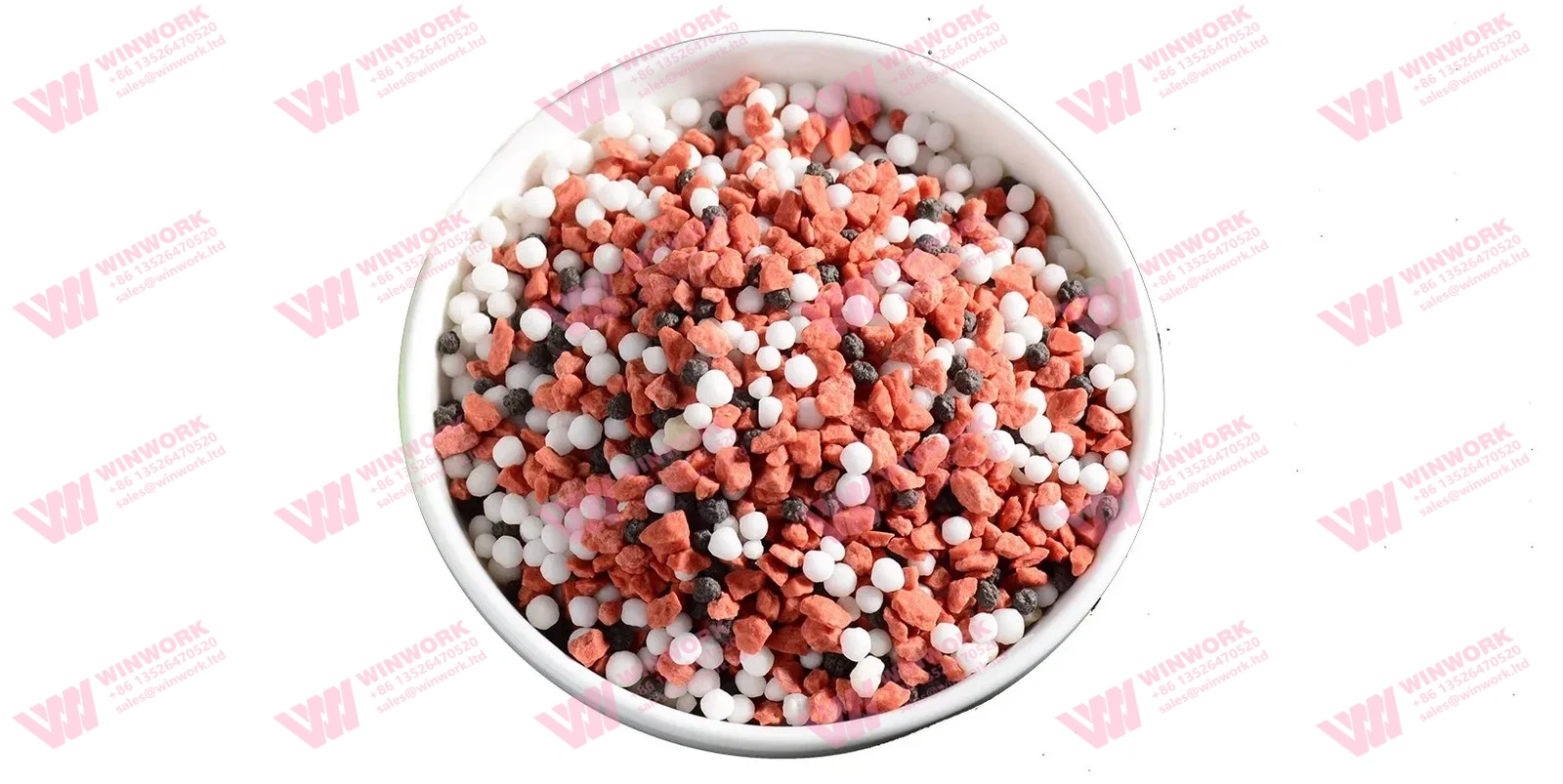
Basic processing can be done with simple equipment, but commercial-scale production benefits from controlled fermentation and granulation systems.
Conclusion
The opportunities in Indonesia organic fertilizer processing are driven by strong agricultural demand, abundant raw materials, and growing interest in sustainable farming. By turning organic waste into valuable fertilizer, this sector supports both environmental protection and economic development.
For producers, investors, and agricultural stakeholders, organic fertilizer processing offers a practical path toward more resilient and sustainable agriculture in Indonesia.
For more details, please feel free to contact us.
Email: sales@lanesvc.com
Contact number: +86 13526470520
Whatsapp: +86 13526470520
Get A Quote