

Introduction
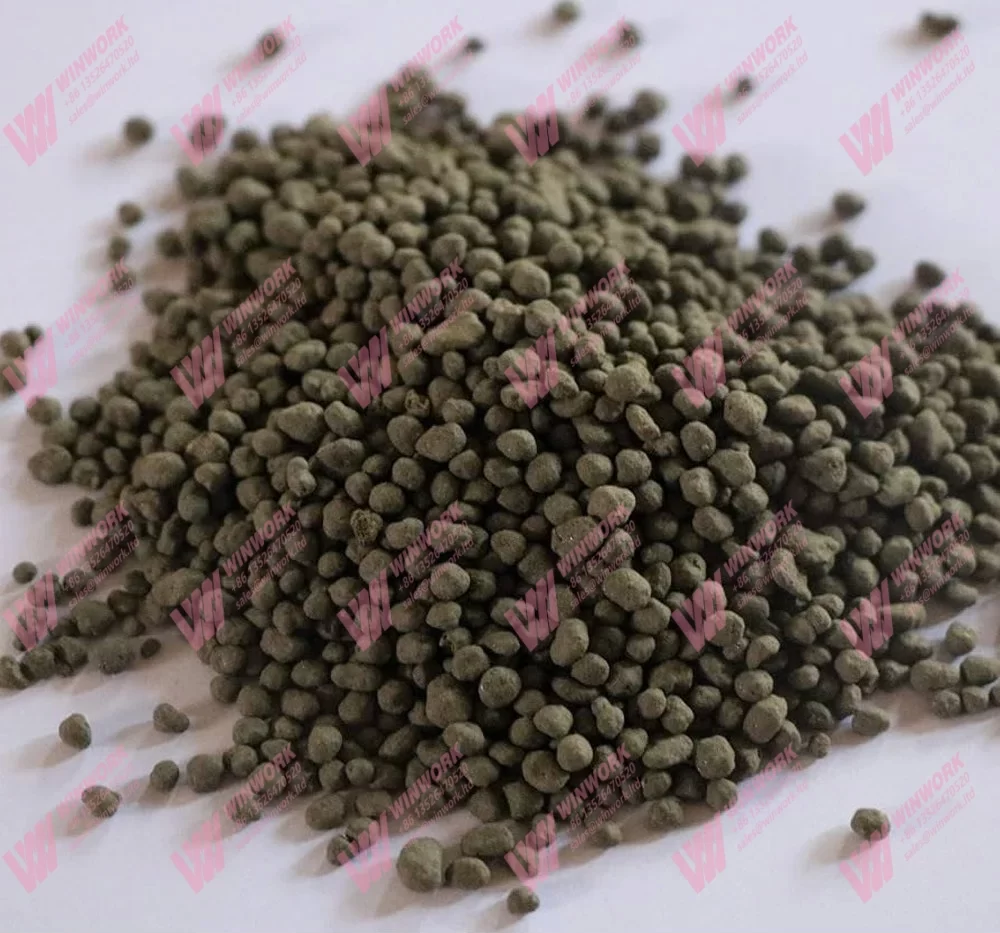
In modern fertilizer production, granulation plays a central role in determining product quality, storage stability, and market competitiveness. Whether manufacturing organic fertilizer, compound fertilizer, or bio-based formulations, efficient granule formation improves handling, reduces dust, and enhances nutrient performance.
Industrial fertilizer granulation equipment is designed to convert powder materials into uniform granules suitable for large-scale production. Compared with small manual systems, industrial solutions provide higher capacity, better consistency, and stronger automation capabilities. As global demand for high-quality fertilizers continues to grow, many manufacturers are investing in advanced granulation equipment to improve efficiency and reduce operational costs.
This guide provides a comprehensive overview of granulation technology, equipment types, production workflows, layout design, and investment considerations.
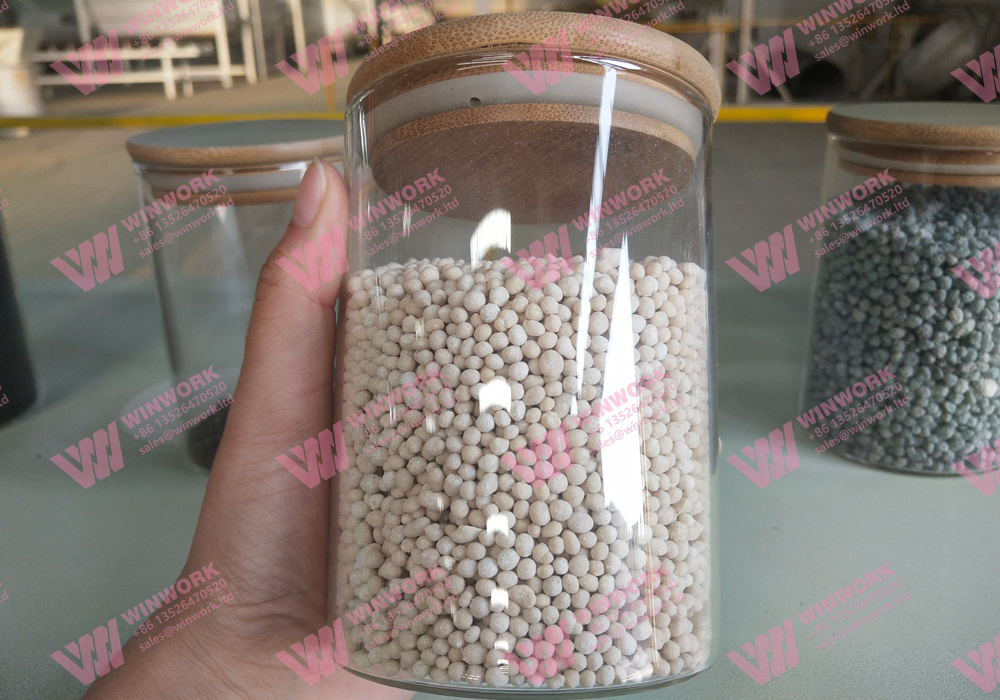
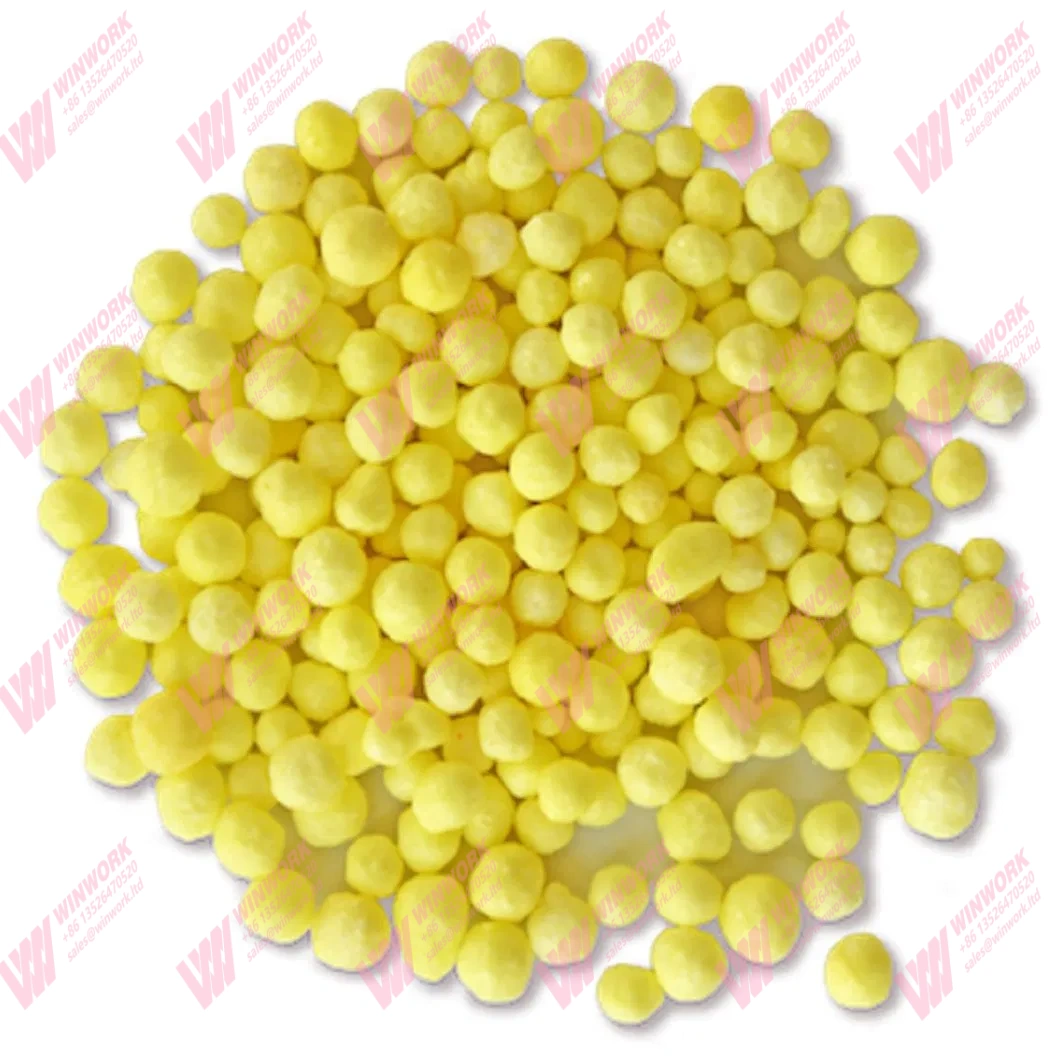
Rotary drum granulator finished granules
Importance of Granulation in Fertilizer Production
Granulation transforms fine powder into structured particles. This process improves product appearance, prevents caking, reduces dust pollution, and enhances transportation convenience.
In large-scale plants, industrial fertilizer granulation equipment ensures stable particle formation under controlled conditions. Proper granulation also allows better nutrient distribution within each granule, which improves application performance in the field.
Without reliable granulation systems, fertilizer products may suffer from uneven texture, poor storage stability, and reduced commercial value. Therefore, modern production lines depend heavily on advanced granulation equipment.
Working Principle of Industrial Granulation Systems
The core principle of granulation equipment is to combine raw materials under controlled moisture, pressure, or rotation to form stable particles.
Depending on the technology used, granulation may rely on:
-
Rotational motion
-
Mechanical extrusion
-
Steam or liquid binding
-
Tumbling and layering effects
In most industrial settings, powder materials are first blended to ensure uniform composition. Then, they are fed into granulation machinery, where particle formation occurs through controlled movement and adhesion.
Proper adjustment of moisture content is essential. If materials are too dry, particles will not form properly. If too wet, granules may become irregular or stick together. Stable control systems in industrial fertilizer granulation equipment help maintain optimal production conditions.
Main Types of Industrial Fertilizer Granulation Equipment
1. Disc Granulators
Disc granulators are widely used in fertilizer production. The rotating pan creates a rolling motion that gradually forms spherical particles. These machines are suitable for organic fertilizer and compound fertilizer production.
Many medium-scale factories rely on disc granulators because of its adjustable angle, flexible output, and stable performance.
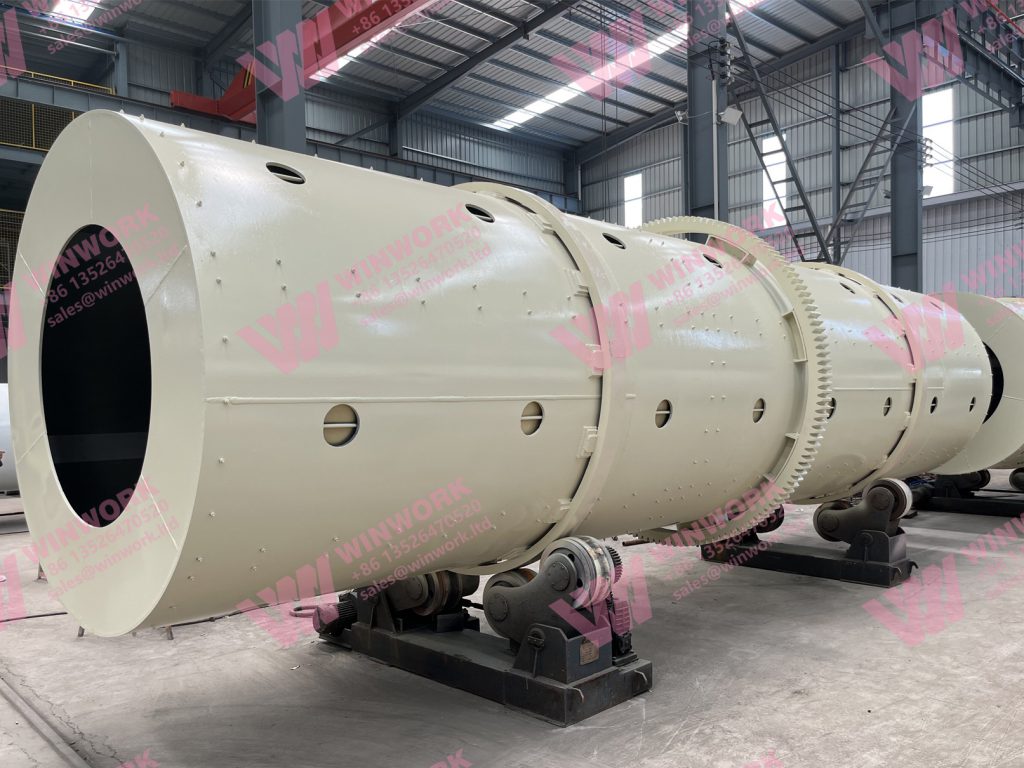
Rotary drum systems are designed for continuous large-scale production. The cylindrical drum rotates while materials tumble inside, gradually forming granules.
Rotary drum granulator is commonly used in high-capacity plants. It supports automated feeding systems and integrates easily into complete production lines.
3. Double Roller Extrusion Granulators
Extrusion systems compress dry powder materials into shaped particles under high pressure. They do not require drying during granulation, making them energy-efficient for specific formulations.
This granulato is especially suitable for materials with low moisture content, such as certain compound fertilizers.
4. New Type Organic Fertilizer Granulators
For organic materials, granulation often follows fermentation and mixing. Equipment must handle variable moisture and fiber content. Modern industrial fertilizer granulation equipment for organic fertilizer production is designed to accommodate these characteristics while maintaining stable output.
Production Line Integration
A complete fertilizer plant does not rely on granulation alone. Instead, it integrates several processing stages.
In a standard setup using industrial fertilizer granulation equipment, the workflow typically includes:
Raw material storage → Crushing → Mixing → Granulation → Drying → Cooling → Screening → Packaging
Each stage must work in coordination. Proper integration ensures stable performance and high efficiency throughout the system.
Modern production lines using granulation equipment often include automated feeding systems, temperature control units, and dust collection devices to improve productivity.
Process Control and Quality Stability
Stable operation requires careful monitoring of several factors.
Moisture control is one of the most important aspects. The granulation stage depends heavily on consistent water levels to maintain particle formation. Advanced industrial fertilizer granulation equipment includes spray systems or controlled feeding mechanisms to regulate moisture.
Rotation speed also influences granule size and density. Adjustable motors allow operators to modify performance based on raw material characteristics.
Feeding rate must match equipment capacity. Overloading can reduce granule quality, while underfeeding may lower efficiency. Well-designed equipment provides precise control systems to balance these variables.
Drying and Cooling Integration
After granulation, fertilizer particles often require drying to remove excess moisture. Rotary dryers are commonly paired with industrial fertilizer granulation equipment in large plants.
Drying improves storage stability and prevents caking. After drying, cooling systems reduce product temperature, ensuring safe packaging and transportation.
Integrated systems combining granulation, drying, and cooling improve workflow efficiency and reduce manual handling. This integration enhances the overall performance in continuous production environments.
Layout Design Considerations
Factory layout plays a critical role in maximizing productivity. When installing granulation equipment, planners must consider:
-
Raw material flow direction
-
Space for fermentation or mixing
-
Equipment spacing
-
Maintenance access
-
Dust control zones
A linear layout is often preferred for large-scale facilities, allowing materials to move smoothly from one stage to the next. Proper design minimizes cross-contamination and improves operational safety.
Efficient layout planning increases return on investment for projects using industrial fertilizer granulation equipment.
Environmental and Safety Features
Modern fertilizer plants must comply with environmental regulations. Dust emissions and odor control are essential considerations.
High-quality industrial fertilizer granulation equipment is often equipped with dust collection systems, sealed feeding structures, and noise reduction features.
In addition, wastewater management systems may be integrated into the plant design. These environmental features ensure sustainable operation and regulatory compliance.
Maintenance and Operational Management
Regular maintenance ensures long-term stability. Operators should inspect rotating components, lubrication systems, and transmission parts frequently.
In facilities using industrial fertilizer granulation equipment, preventive maintenance helps reduce downtime and extend machine lifespan. Cleaning internal components also prevents material buildup and ensures consistent granule quality.
Well-trained operators and proper documentation improve overall system reliability.
Investment and Cost Considerations
The investment required for industrial fertilizer granulation equipment depends on production capacity, automation level, and configuration.
Small-to-medium systems require moderate investment and are suitable for regional markets. Large automated production lines require higher capital but provide greater efficiency and output.
When evaluating cost, investors should consider:
-
Equipment quality
-
Energy consumption
-
Maintenance requirements
-
Production capacity
-
Market demand
Careful planning ensures long-term profitability when deploying equipment in commercial fertilizer plants.
Applications in Different Fertilizer Types
Industrial fertilizer granulation equipment is widely used in the production of:
-
Organic fertilizer
-
NPK fertilizer
-
Bio-based fertilizer
-
Blended fertilizer
Each fertilizer type may require specific granulation technology. Therefore, selecting suitable machinery is essential to match raw material characteristics and target market requirements.
Future Trends in Granulation Technology
The fertilizer industry continues to evolve toward automation and energy efficiency. Future industrial fertilizer granulation equipment systems are expected to feature:
-
Intelligent monitoring systems
-
Real-time moisture control
-
Energy-saving designs
-
Modular plant structures
-
Digital production management
These innovations improve operational stability and reduce labor costs. As sustainable agriculture expands globally, demand for advanced industrial fertilizer granulation equipment will continue to increase.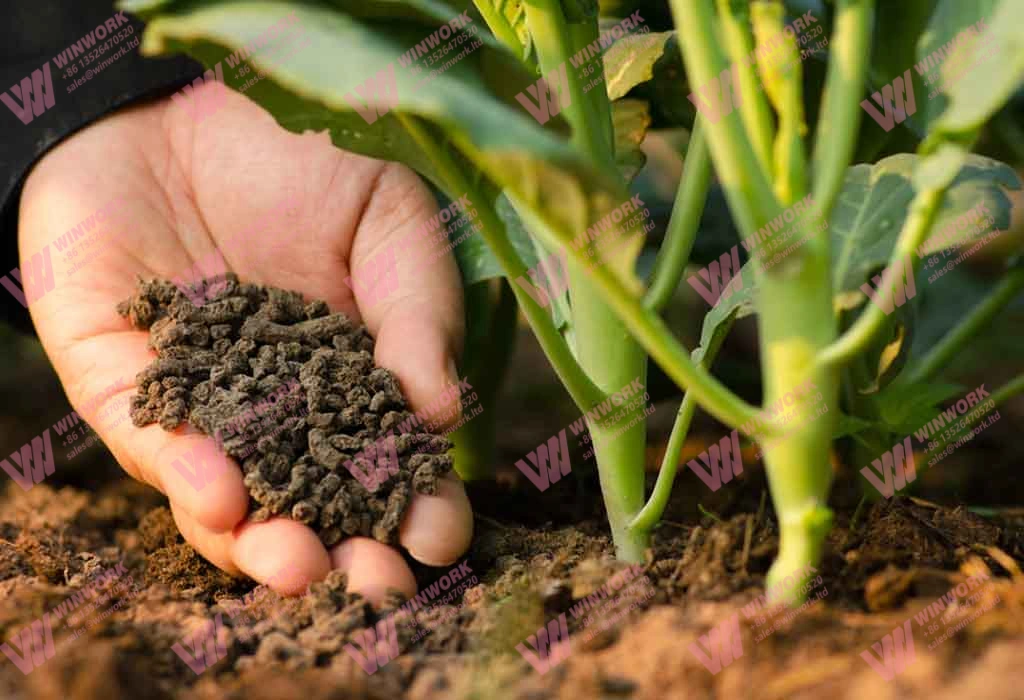
Conclusion
Granulation is a vital stage in modern fertilizer manufacturing. High-performance granulation equipment enables efficient conversion of powder materials into uniform granules, improving product quality, storage stability, and market value.
By integrating crushing, mixing, granulation, drying, cooling, and packaging into a coordinated production system, manufacturers can achieve stable output and strong competitiveness.
With proper equipment selection, layout planning, and operational management, industrial fertilizer granulation equipment supports efficient fertilizer production and long-term business growth in the global agricultural market.
For more details, please feel free to contact us.
Email: sales@lanesvc.com
Contact number: +8613526470520
Whatsapp: +8613526470520
Get A Quote