

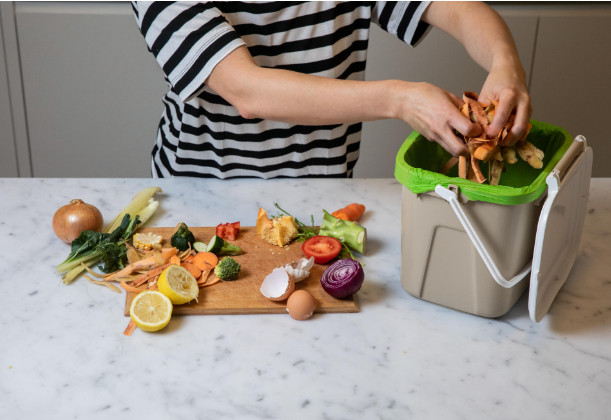
The Increasing Demand for Kitchen Waste Recycling Solutions
With urbanization, population growth, and the expansion of the food service sector, the amount of kitchen waste generated worldwide has grown substantially. Large volumes of organic waste are produced daily by restaurants, hotels, residential areas, and food processing plants. Traditional disposal methods like landfilling and incineration are becoming more costly, face stricter regulations, and are under greater environmental scrutiny.
A kitchen waste fertilizer production line offers an efficient solution by converting organic waste into valuable fertilizer products. Rather than viewing kitchen waste as a disposal problem, this system turns it into a resource that supports agriculture and enhances soil quality. As sustainability and circular economy principles gain global prominence, kitchen waste fertilizer production lines have become a key industrial option for both municipalities and private investors.
Unlike basic composting, these production lines are designed for controlled, continuous, and scalable operations, ensuring consistent product quality, reliable output, and adherence to environmental regulations.
What Is a Kitchen Waste Fertilizer Production Line?
A kitchen waste fertilize is an integrated processing system that converts organic kitchen waste into marketable organic fertilizer. It consists of multiple machines arranged in a specific sequence, each performing a defined function within the overall process.
The primary objectives of a kitchen waste fertilizer production line include:
-
Reducing moisture content and stabilizing organic matter
-
Eliminating pathogens and harmful microorganisms
-
Converting organic nutrients into plant-available forms
-
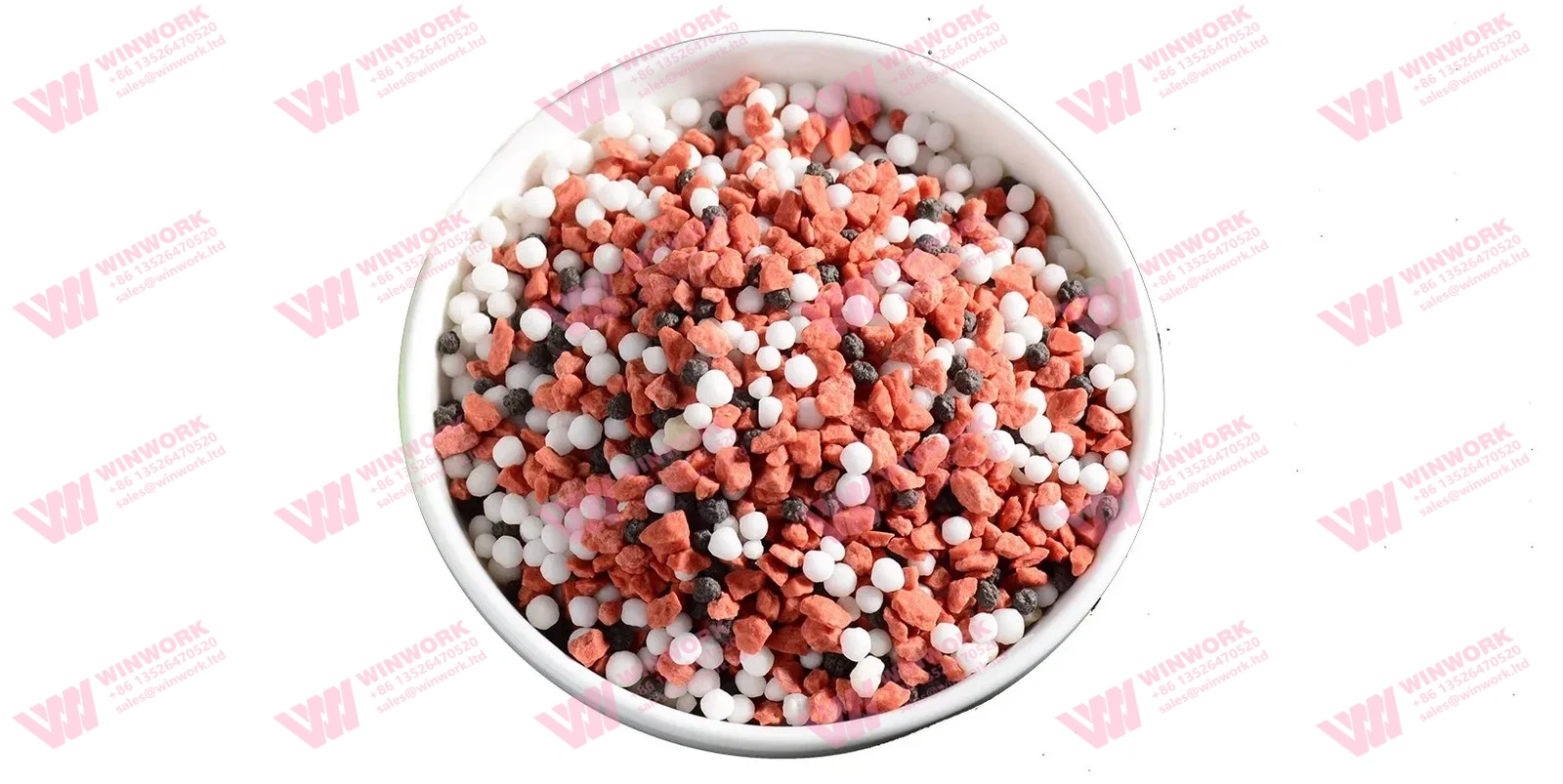
Producing uniform fertilizer granules suitable for storage and transport
Depending on capacity requirements, a kitchen waste fertilizer production line can be configured for small-scale community projects or large industrial fertilizer plants.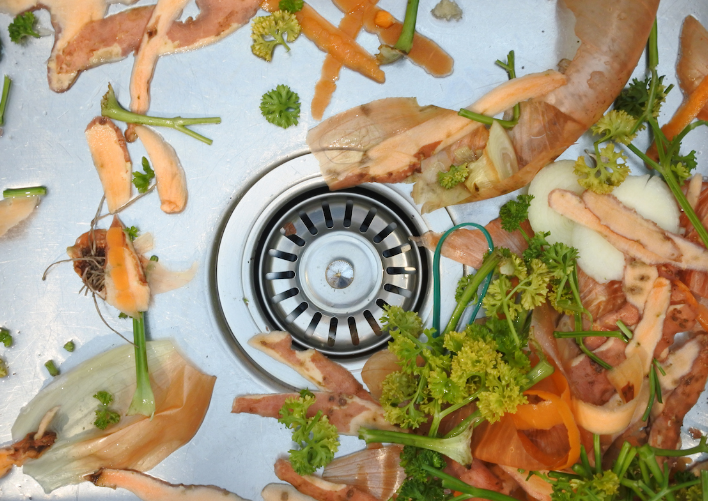
Types of Kitchen Waste Suitable for Fertilizer Production
A properly designed production line can handle various organic waste streams, including:
-
Vegetable and fruit residues
-
Cooked food leftovers
-
Rice, noodles, and bread waste
-
Organic waste from restaurants and canteens
-
Food processing by-products
However, kitchen waste often contains impurities such as plastic packaging, metal fragments, and glass. It also has high moisture content and inconsistent composition. These characteristics make pretreatment and equipment selection especially important in a kitchen waste fertilizer production line.
Overall Workflow of a Kitchen Waste Fertilizer Production Line
The operation of a kitchen waste fertilizer production line follows a structured workflow that gradually transforms raw waste into finished fertilizer. Each stage prepares the material for the next, ensuring process stability and product consistency.
The typical workflow includes:
-
Waste receiving and pretreatment
-
Crushing and homogenization
-
Fermentation and biological stabilization
-
Drying and moisture control
-
Granulation and shaping
-
Cooling, screening, and packaging
This systematic process differentiates an industrial kitchen waste fertilizer production line from traditional composting methods.
Pretreatment: Ensuring Stable Downstream Processing
Pretreatment is the foundation of a reliable kitchen waste fertilizer production line. Insufficient pretreatment often leads to equipment damage, fermentation inefficiency, and unstable product quality.
Sorting and Impurity Removal
Kitchen waste collected from urban sources usually contains non-organic materials. Sorting systems and manual inspection remove plastics, metals, and other contaminants before processing. Effective impurity removal extends equipment lifespan and improves the purity of fertilizer produced by the kitchen waste fertilizer production line.
Dewatering and Moisture Reduction
Kitchen waste typically contains 60–80% moisture. Excess water interferes with fermentation and granulation. Dewatering equipment such as screw presses is commonly used in a kitchen waste fertilizer production line to reduce moisture to a manageable range.
Crushing and Size Reduction Equipment
After pretreatment, materials enter the crushing stage. Crushing improves material uniformity and increases surface area for microbial activity during fermentation.
Common crushers used in a kitchen waste fertilizer production process include:
-
Semi-wet material crushers for high-moisture waste
-
Vertical crushers for mixed organic materials
-
Hammer crushers for coarse size reduction
Proper crushing ensures smooth material flow and stable fermentation within the kitchen waste fertilizer production line.
Fermentation: The Core of Organic Conversion
Fermentation is the most critical biological process in a kitchen waste fertilizer production process. During fermentation, microorganisms decompose organic matter, eliminate odors, and convert nutrients into stable forms.
Fermentation Systems
Different fermentation systems can be used in a kitchen waste fertilizer production line:
-
Windrow fermentation with turning machines
-
Enclosed fermentation tanks for odor-sensitive areas
The choice depends on land availability, climate, odor control requirements, and investment budget.
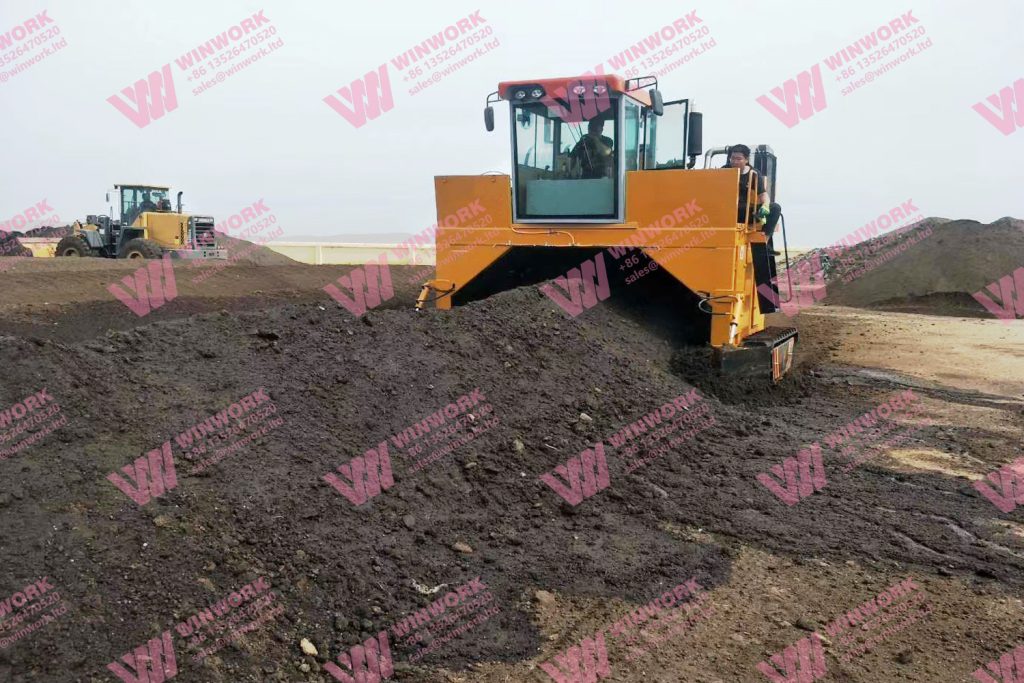
Compost Turner Working Site
Process Control and Stability
Temperature, oxygen supply, and moisture must be carefully monitored. Most kitchen waste fertilizer production lines maintain fermentation temperatures between 55°C and 65°C to ensure the elimination of pathogens and efficient decomposition.
Drying and Moisture Adjustment
After fermentation, material moisture may still be too high for granulation or storage. Drying equipment plays an important role in achieving stable product quality. Proper drying is essential to prepare the material for granulation, preventing clogging and ensuring pellet integrity and shelf stability.
Granulation Equipment and Pellet Formation
This process agglomerates the fine, fermented powder into dense, uniform granules, which improve handling, reduce dust, and enhance market appeal. Equipment choice is crucial in a kitchen waste fertilizer production line:
Disc Granulator: Offers great flexibility in pellet size adjustment via disc angle and rotation speed. Ideal for small to medium-scale or batch production.
Rotary Drum Granulator: Suited for high-capacity, continuous output. Produces more uniformly sized pellets but is less flexible in size adjustment.
New-Type Organic Fertilizer Granulator: Uses a combination of stirring teeth and high-speed rotation, excellent for sticky, fibrous organic materials with low binder requirements.
Binders like bentonite or plant-based gums may be added to improve pellet formation rate and strength.
Cooling, Screening, and Recycling Systems
Hot, soft pellets from the granulator must be cooled rapidly to solidify their structure and prevent caking. A rotary drum cooler using ambient or dehumidified air accomplishes this. They are then sieved by a vibrating screening machine. On-size pellets (e.g., 2-4mm or 3-5mm) proceed to packaging; undersized powder is directly recycled back to the granulation mixer; oversized pellets are crushed and recycled.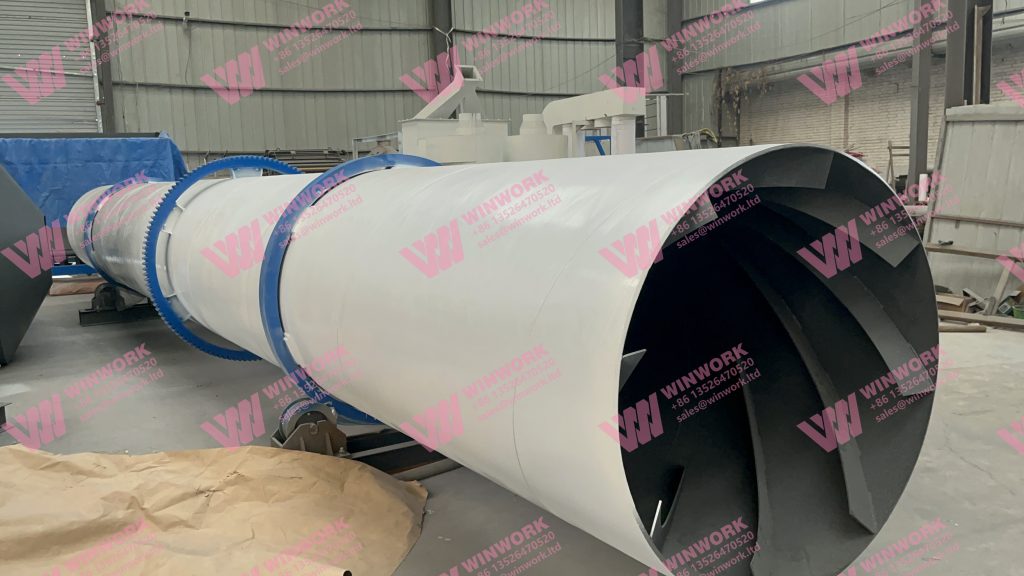
Optional Coating and Packaging Equipment
A coating drum can be added to apply a thin layer of anti-caking agents or protective coatings to reduce dust, improve flowability, and enhance appearance. Finally, automated weighing, bagging (into 5kg, 25kg, or 1-ton bags), and sewing systems package the finished organic fertilizer for market distribution.
Key Equipment List Summary
The efficiency and reliability of a kitchen waste fertilizer production line largely depend on the proper selection and integration of core equipment. For a medium-to-large scale line (20–50 tons/day input), the key components typically include:
1. Pretreatment Zone
Receiving hopper, belt conveyor, magnetic separator for metal removal, screw dewatering press.
2. Size Reduction
Semi-wet material crusher for high-moisture kitchen waste or vertical shaft crusher for post-fermentation material size adjustment
3. Fermentation System
Open concrete fermentation troughs with a rail-guided turning machine for aerobic decomposition, or enclosed aerobic fermentation tank with forced aeration and temperature monitoring
Aeration blowers and temperature sensors to maintain optimal microbial activity
4. Drying & Cooling
Rotary drum dryer using hot air from a biomass or gas furnace to reduce moisture for granulation
Rotary drum cooler to cool pellets after granulation and prevent caking
5. Granulation & Finishing
Organic fertilizer disc granulator or rotary drum granulator, depending on desired pellet size and production scale
6. Screening & Recycling
Vibrating screen to separate qualified pellets
Crusher or regranulator for oversized or broken pellets
Powder return conveyor to recycle undersized or dust material back into granulation
7. Dust & Odor Control
Cyclone dust collector or bag filter for airborne particles
8. Automation & Monitoring
Centralized PLC or industrial control system to coordinate conveyor speeds, motor operations, temperature, and aeration for optimized production efficiency
Cost and Investment Analysis
The investment cost of a kitchen waste fertilizer production line varies based on capacity, automation level, and local conditions.
Major cost components include:
-
Equipment procurement
-
Civil construction and infrastructure
-
Installation and commissioning
-
Utilities and energy systems
-
Labor and maintenance
Small-scale kitchen waste fertilizer production lines require lower initial investment and are suitable for pilot projects. Large-scale systems benefit from economies of scale but require higher upfront capital.
Environmental and Agronomic Benefits: The Larger Impact
Implementing a kitchen waste fertilizer production line delivers profound, multi-layered benefits. Environmentally, it diverts waste from landfills, directly reducing methane emissions and groundwater leachate pollution. Agronomically, the end product restores vital organic carbon to degraded soils, improving structure, water retention, and biodiversity. It provides a slow-release source of nutrients, enhancing crop resilience and reducing the runoff pollution associated with synthetic fertilizers. Socially, it creates green jobs in waste management and sustainable agriculture.
Frequently Asked Questions(FAQ)
Q1: Can a kitchen waste fertilizer production line process mixed food waste?
Yes, mixed kitchen waste can be processed effectively if non-organic impurities are removed during pretreatment.
Q2: How is odor managed during production?
Odor is controlled using biofilters, enclosed fermentation, and negative-pressure ventilation in pretreatment areas.
Q3: What is the ideal moisture content before granulation?
Most lines maintain moisture between 20–30% for proper granulation and uniform pellet formation.
Q4: Is continuous operation possible?
Yes, with properly matched equipment, automated controls, and consistent raw material feed.
Q5: How long does fermentation take?
Fermentation generally takes 7–20 days depending on system design and material composition.
Q6: What types of kitchen waste are suitable?
Vegetable scraps, fruit peels, leftover rice or noodles, and other organic food waste are suitable.
Q7: Can the line handle high-moisture waste?
Yes, with dewatering equipment like screw presses, high-moisture waste can be processed efficiently.
Q8: What granulation methods are commonly used?
Disc granulators and rotary drum granulators are most commonly used for organic fertilizer pellets.
Conclusion
A kitchen waste fertilizer production line provides a dependable and eco-friendly method for transforming food waste into nutrient-dense organic fertilizer. By gaining a comprehensive understanding of the process, choosing suitable and efficient machinery, and applying effective management strategies, investors and operators can maintain steady and reliable production, meet environmental standards, reduce operational risks, and attain sustainable economic and environmental advantages.
For more details, please feel free to contact us.
Email: sales@lanesvc.com
Contact number: +86 13526470520
Whatsapp: +86 13526470520
Get A Quote