

Introduction
Liquid fertilizers are becoming increasingly vital in modern agriculture due to their rapid nutrient availability, easy application, and compatibility with precision farming systems. Unlike solid fertilizers, liquid fertilizers can be directly applied through irrigation systems or foliar sprays, which improves nutrient uptake efficiency and reduces labor costs. As global food demand rises and farmers seek more sustainable and efficient solutions, investing in a liquid fertilizer factory setup has become a highly profitable venture.
A well-planned liquid fertilizer production line not only ensures consistent quality but also optimizes operational efficiency, reduces waste, and minimizes environmental impact. For equipment manufacturers and agribusiness investors, understanding the components, workflow, and machinery requirements is critical for designing a high-performance production system.
This guide explores every aspect of a liquid fertilizer factory setup, including nutrient composition, production steps, required equipment, storage, application methods, cost considerations, and environmental strategies.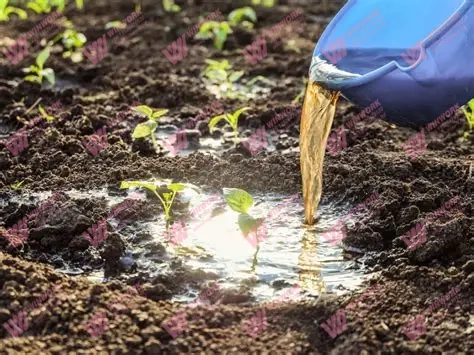
Nutrient Composition and Types of Liquid Fertilizer
Liquid fertilizers contain dissolved nutrients that plants can quickly absorb. Depending on the crop and soil requirements, liquid fertilizers can be formulated with macronutrients, micronutrients, and organic additives.Knowing the nutrient composition is better for liquid fertilizer factory setup.
Types of liquid fertilizers include:
Nitrogen-based Liquid Fertilizers: These supply fast-acting nitrogen for leafy growth.
Phosphate and Potassium Liquids: Designed for root development and flowering.
Micronutrient Solutions: Contain trace elements like zinc, iron, and manganese.
Organic Liquid Fertilizers: Derived from plant extracts, compost tea, or fermented organic matter, enhancing soil microbiology.
Combined NPK Liquid Fertilizers: Balanced mixtures of nitrogen, phosphorus, and potassium for general crop nutrition.
Production Steps in a Liquid Fertilizer Factory Setup
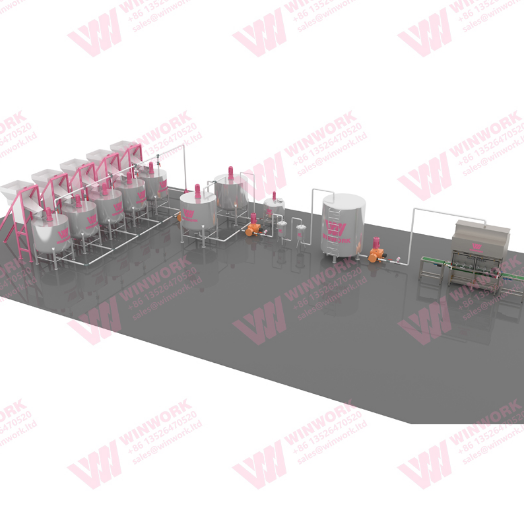
Unlike solid fertilizers, liquid fertilizer factory setup focuses on dissolution, fermentation, nutrient blending, and controlled storage. Here’s a detailed step-by-step workflow:
- Raw Material Storage
Main Function: Maintain quality and prevent contamination.
Liquid fertilizer raw materials, including urea, potassium salts, phosphates, and organic extracts, are stored in stainless steel tanks or silos. Proper storage prevents nutrient degradation and allows for smooth feeding into the production line.
- Pre-Treatment and Filtration
Main Function: Ensure purity and protect equipment.
Raw materials are filtered through mesh screens or industrial filters to remove impurities or insoluble particles, preventing clogging in pumps, pipes, and nozzles.
- Fermentation
Main Function: Enhance nutrient value and microbial activity.
Organic liquid fertilizers undergo fermentation in fermentation tanks with aeration systems. Fermentation stabilizes nutrients, produces beneficial microbes, and improves the bio-availability of organic compounds.
- Nutrient Dissolution and Mixing
Main Function :Achieve uniform composition.
Nutrients are dissolved in water using storage tanks with circulation pumps or blending tanks. For chemical solutions, controlled dosing ensures accurate concentration. For organic solutions, slow circulation ensures even microbial distribution.
- pH Adjustment and Additives
Main Function: Optimize for plant uptake and storage stability.
Acid or alkali solutions adjust pH to desired levels. Anti-foaming agents, stabilizers, or chelating agents are added to prevent precipitation and improve shelf life.
- Quality Control Testing
Main Function: Maintain consistent product standards.
Laboratory testing measures nutrient concentration, pH, microbial content, and viscosity. Automated inline sensors can continuously monitor these parameters to avoid batch-to-batch variability.
- Storage in Tanks
Main Function: Ensure safe handling and prevent contamination.
Finished liquid fertilizer is stored in stainless steel storage tanks with circulation and temperature control. For large-scale factories, multiple tanks allow segregation of different formulations and continuous production.
- Packaging and Distribution
Main Function: Facilitate safe transport and market-ready presentation.
Automatic filling machines transfer liquid fertilizer into drums. Proper sealing and labeling protect the product and simplify logistics.
Essential Equipment for a Liquid Fertilizer Factory Setup
The choice of equipment determines production capacity, efficiency, and product consistency. Key machines in a liquid fertilizer factory setup include:
- Fermentation Tanks
Fermentation tanks are crucial for turning organic raw materials into liquid fertilizers, with both horizontal and vertical designs having unique features and applications. These tanks typically include heating and mixing functions to optimize the fermentation process.
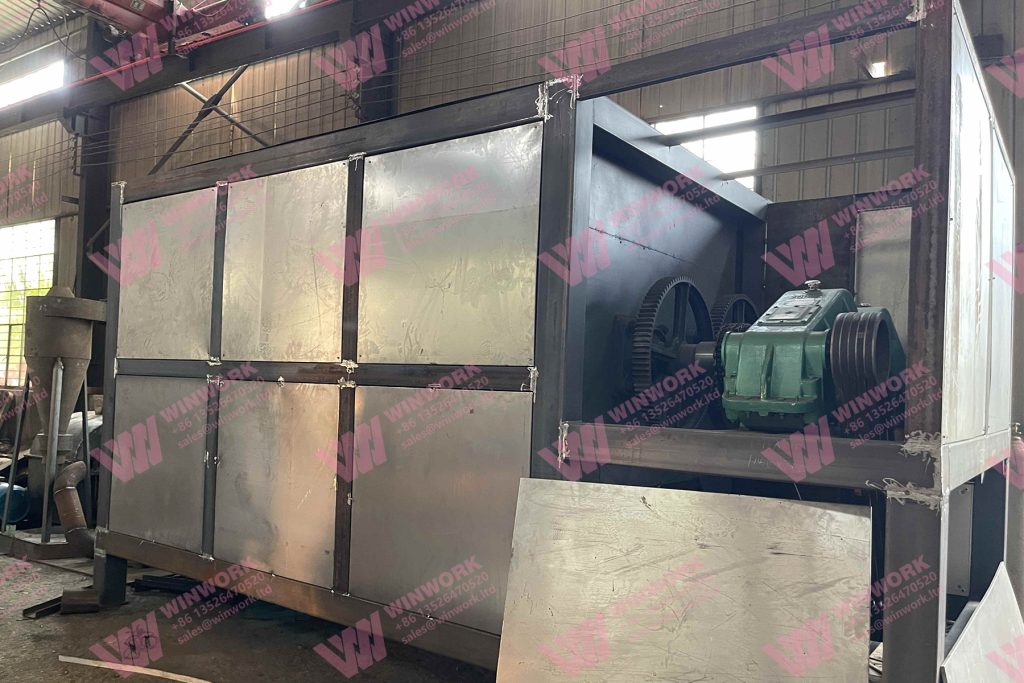
Horizontal fermentation tank
Design: A long, horizontally positioned tank that incorporates internal mixing paddles or agitators, and heating elements to maintain the ideal temperature for fermentation.
Applications: Suitable for small to medium-scale production with continuous or batch processing. Often used in operations where space is limited or where a smaller volume of fertilizer is needed.
Advantages:
- Efficient mixing for uniform fermentation.
- Integrated heating system for consistent fermentation temperature.
- Requires less vertical space, making it ideal for facilities with height restrictions.
- Easier maintenance and cleaning due to its horizontal layout.
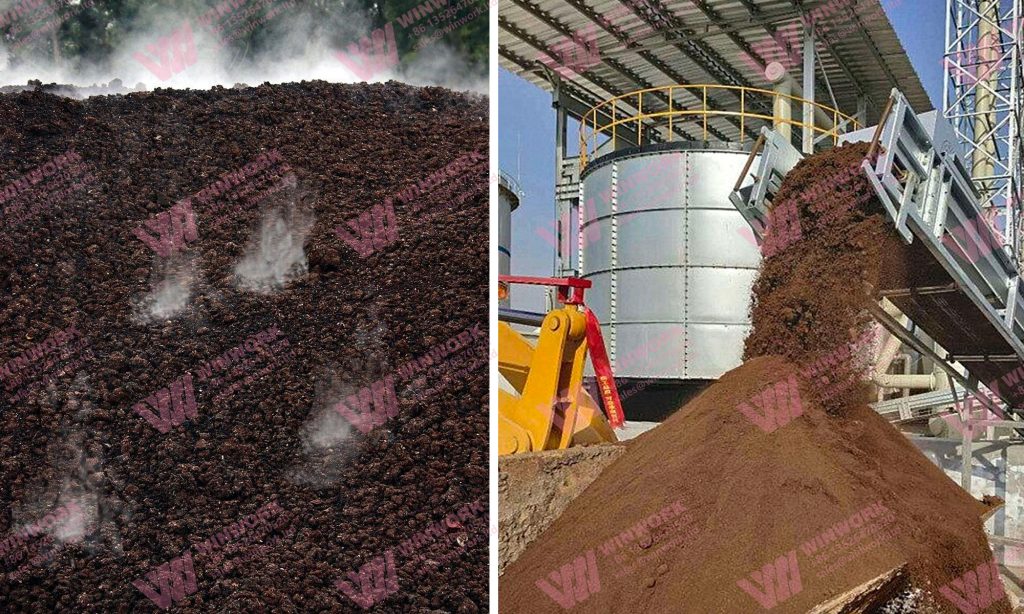
Design: A tall, upright tank with aeration pipes at the base, internal paddles for stirring, and an integrated heating system to maintain the proper fermentation temperature.
Applications: Primarily used in large-scale fertilizer production where higher volumes of liquid fertilizer need to be processed. The vertical design offers more capacity without occupying excessive floor space.
Advantages:
- Higher volume processing, suitable for large-scale operations.
- Enhanced aeration and better heat distribution with internal paddles.
- Integrated heating ensures optimal fermentation temperature, reducing the fermentation time.
- Compact design, saving valuable floor space.
- Storage Tanks
Large-capacity tanks store raw materials and finished liquids.
Equipped with level sensors and circulation pumps to maintain homogeneity.
- Circulation Pumps and Pipes
Ensure continuous mixing and transfer of liquids between tanks.
High-quality pumps prevent clogging and allow precise flow control.
- Filtration Systems
Industrial filters or mesh strainers remove insoluble particles.
Protects pumps, valves, and packaging equipment from damage.
- pH Adjustment Systems
Acid or alkali dosing pumps automatically adjust pH levels.
Optional inline sensors allow real-time monitoring.
- Automatic Filling and Packaging Machines
High-speed liquid filling, capping, and labeling reduce labor costs.
Compatible with drums, IBC containers, and small retail bottles.
- Mixing and Blending Tanks
Tanks with circulation pumps maintain uniform nutrient distribution.
Can be heated or cooled if temperature-sensitive reactions are required.
Application Methods and Advantages
In a liquid fertilizer factory setup, understanding the application methods and benefits of liquid fertilizers is essential for maximizing crop yield and operational efficiency. These fertilizers offer unique advantages over solid forms, providing flexibility, precision, and faster nutrient uptake for modern agricultural practices.
Fertigation Compatibility: Can be applied through drip or sprinkler systems, delivering nutrients directly to roots.
Foliar Feeding: Quick absorption through leaves, ideal for correcting nutrient deficiencies.
Easy Customization: Concentration can be adjusted for different crops or growth stages.
Reduced Labor Costs: No spreading or manual mixing needed; automated irrigation systems handle application.
Improved Nutrient Efficiency: Faster uptake reduces losses due to leaching or volatilization.
Storage and Handling Considerations about liquid fertilizer factory setup
In a liquid fertilizer factory setup, proper storage and handling are vital to maintaining the quality and effectiveness of the fertilizer throughout its production cycle. Effective management of moisture, temperature, and transport conditions ensures that the liquid fertilizer remains stable and high-quality, while also reducing the risk of contamination or degradation. Below are some key aspects to consider:
Moisture and Contamination Control: Tanks must be sealed and clean to prevent microbial contamination or nutrient degradation.
Temperature Management: Some liquid fertilizers are sensitive to high or low temperatures; temperature-controlled tanks help maintain stability.
Transport Safety: Drum, IBC, or tanker transport requires secure sealing to avoid leakage and product loss.
Cost and Energy Considerations about liquid fertilizer factory setup
In a liquid fertilizer factory setup, managing costs and energy consumption is crucial for long-term profitability. Optimizing investment, operational expenses, and production efficiency ensures the facility runs smoothly and competitively.
Initial Investment: Liquid fertilizer production lines generally require lower capital investment than granular lines because they eliminate drying, granulation, and cooling equipment.
Operational Costs: Pumps, tanks, and filtration systems consume electricity, but automation reduces labor costs.
Efficiency Optimization: Using inline dosing, circulation, and monitoring systems increases production efficiency by up to 75%.
Environmental Considerations about liquid fertilizer factory setup
In a liquid fertilizer factory setup, environmental management is a key factor for sustainable production. Proper design and handling minimize pollution, nutrient loss, and ecological impact.
Reduced Dust Pollution: Unlike solid fertilizers, liquid production generates minimal dust.
Controlled Nutrient Loss: Proper application and storage reduce runoff and eutrophication risks.
Wastewater Management: Filtration and recirculation prevent environmental contamination.
Frequently Asked Questions about liquid fertilizer factory setup
- What are the key requirements for setting up a liquid fertilizer factory?
You need suitable land, access to raw materials, compliance with local regulations, necessary equipment, and trained staff. - What raw materials are required for liquid fertilizer production?
Common raw materials include nitrogen, phosphorus, potassium, and trace elements, which are combined with water to create the liquid fertilizer. - What machinery is needed for a liquid fertilizer factory?
Key equipment includes mixing tanks, reactors, filtration systems, storage tanks, and packaging machines. - What are the safety regulations for operating a liquid fertilizer factory?
The factory must adhere to environmental and safety standards, including proper handling of chemicals, waste management, and employee safety protocols. - How do you ensure the quality of the liquid fertilizer produced?
Regular quality control checks, such as pH testing, nutrient concentration analysis, and consistency testing, are essential to ensure product quality.
Conclusion
Liquid fertilizer factory setup is a highly promising investment in the modern agricultural sector. The demand for efficient, sustainable, and easy-to-apply fertilizers continues to rise, and liquid fertilizers offer a practical solution to these needs. With a properly designed production line, manufacturers can ensure the consistent quality of the fertilizers, streamline production processes, and minimize waste, all while improving operational efficiency.
Key to the success of a liquid fertilizer factory setup is selecting the right equipment, including fermentation tanks, filtration systems, and automated filling machines. Additionally, managing costs and energy consumption, while considering environmental impacts, will ensure the long-term profitability and sustainability of the operation. With the right approach, a liquid fertilizer factory setup can significantly enhance agricultural productivity while supporting eco-friendly farming practices.
For more details, please feel free to contact us.
Email: sales@lanesvc.com
Contact number: +86 13526470520
Whatsapp: +86 13526470520
Get A Quote