


Understanding the differences between liquid fertilizer production line and solid fertilizer production line
Nowadays,the rapid development of agriculture makes the fertilizer play an increasingly crucial character in planting and boosting crop yields.However,with different requirements we should choose different fertilizer production line,such as liquid fertilizer production line and solid fertilizer production line.This article will fully interpret the key differences between liquid fertilizer production line and solid fertilizer production line in order to help farmers and enterprises make suitable decisions on which production line to invest in for optimal efficiency and productivity.
Form of fertilizer
Liquid fertilizer production line
The final product of the liquid fertilizer production line is in a fluid state, which can be divided into clear liquid type,suspension type and paste type which have advantages of easy absorption,quick effect and can be mixed with herbicides.
Solid fertilizer production line
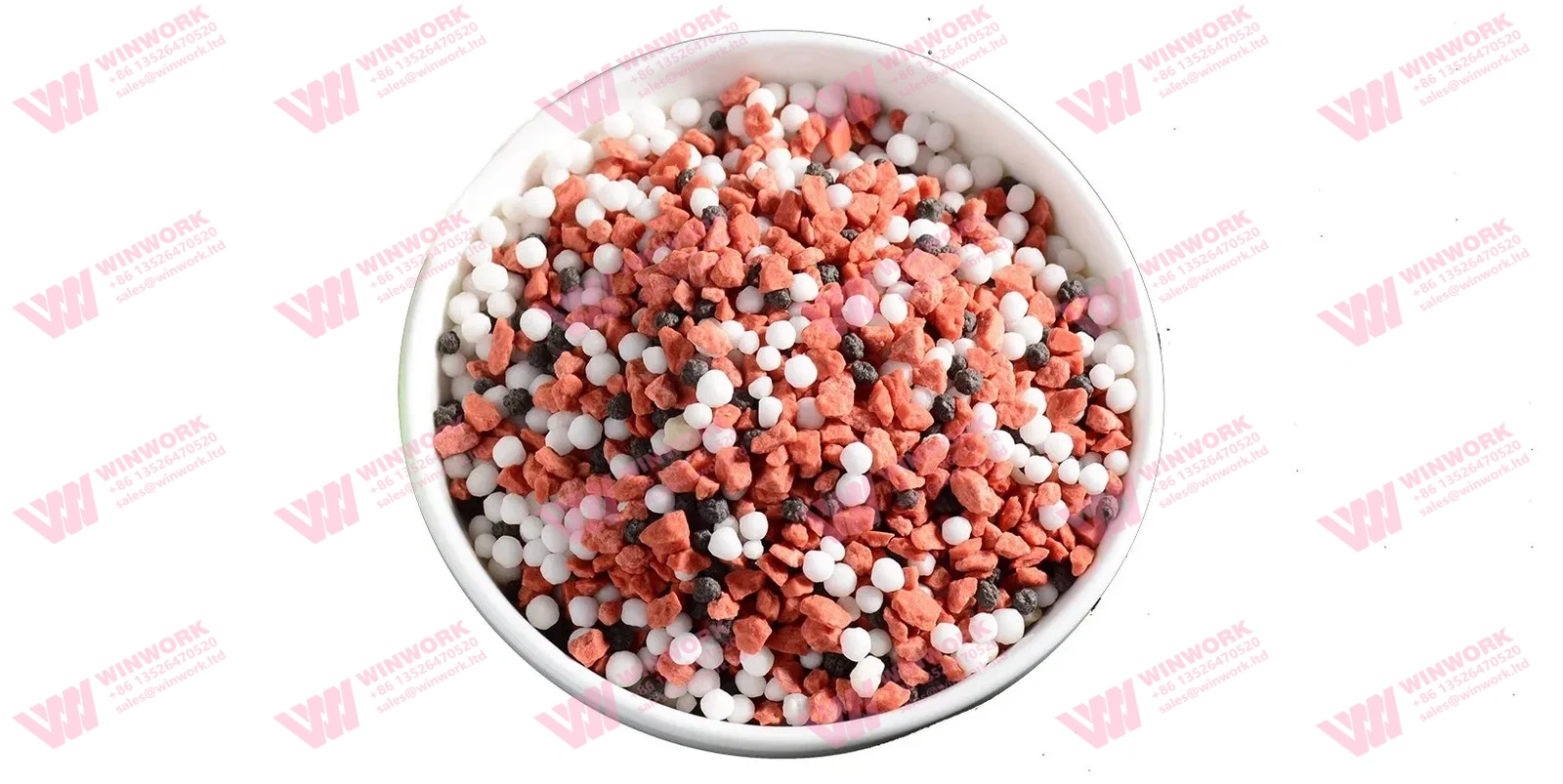
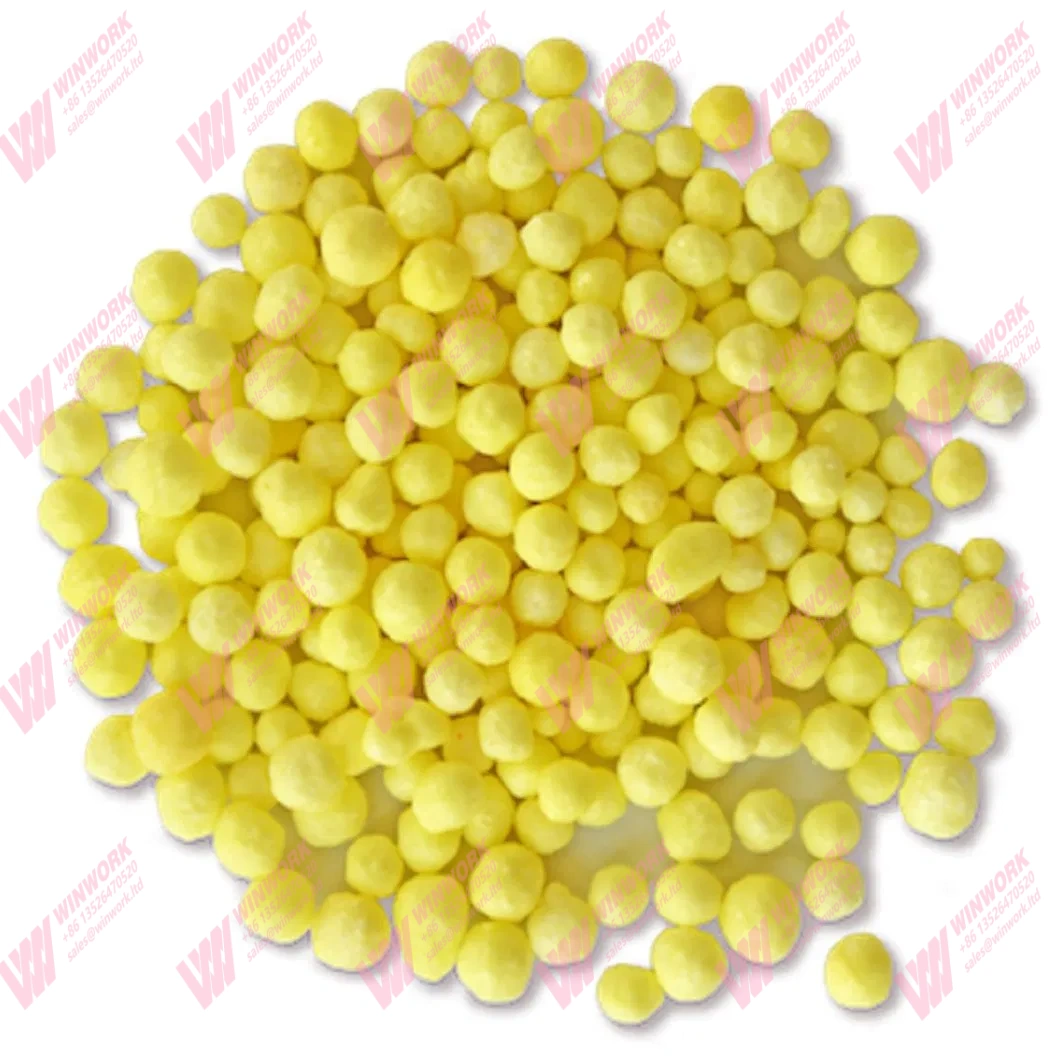
The products of the solid fertilizer production line are mainly solid forms, including powder, granular and block types. Among them, granular solid fertilizers are the most common. The solid product has a low moisture content, which is convenient for long-term storage and transportation, and the nutrient content per unit volume is relatively high.
Certain process of liquid fertilizer production line and solid fertilizer production line
Liquid fertilizer production line
The production process of the liquid fertilizer production line is relatively simple. First, select organic or inorganic raw materials and remove impurities through pretreatment. Then put the raw materials into a mixing tank, add water to stir and dissolve, and conduct fermentation for organic liquid fertilizer. After fermentation, filter the liquid to remove impurities, and finally fill and package the qualified liquid fertilizer to complete the production.
Solid fertilizer production line
The production process of the solid fertilizer production line is more complex. First, crush and screen organic and inorganic raw materials, then mix them in proportion and add binder and water to adjust moisture. Next, send the mixed materials to a granulator for granulation, then dry and cool the wet granules. After cooling, screen to remove unqualified granules, and finally weigh and package the qualified solid granules to finish production.
Equipment of liquid fertilizer production line and solid fertilizer production line
Liquid fertilizer production line
The core equipment of the liquid fertilizer production line is mainly aimed at fluid processing, including: feeding hopper,raw material mixer,mixing tank,additive mixing tank,duplex filter,storage tank and automatic filling machine. The overall equipment has the characteristics of simple structure, low energy consumption, and no need for high-temperature drying equipment.
Solid fertilizer production line
The equipment of the solid fertilizer production line is more diverse, covering solid material processing, granulation, drying and other links, including: raw material crusher, horizontal mixer, granulator, rotary dryer and cooler, screener and automatic packaging machine. Compared with liquid fertilizer production line equipment, solid fertilizer production line equipment has more types, higher complexity, and higher energy consumption.
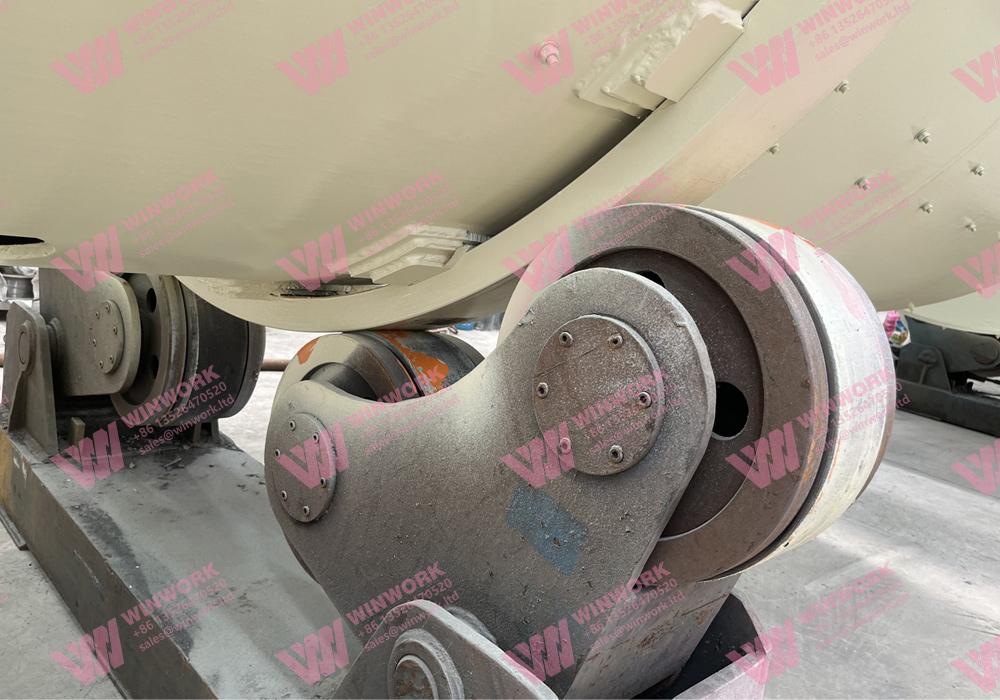
Rotary drum granulator rollers
Application methods of the two production line
Liquid fertilizer production line
The products of the liquid fertilizer production line are mainly applied in the following ways: foliar spraying, drip irrigation and fertigation, and root irrigation. The application method is flexible and precise, which can be adjusted according to the growth stage of crops and the needs of soil nutrients, and is especially suitable for greenhouse planting, cash crops and large-scale intensive agriculture.
Solid fertilizer production line
The products of the solid fertilizer production line are mainly applied in the following ways: base fertilizer application, topdressing application, and mechanical sowing. The application method is relatively traditional, suitable for large-area field crops, and the operation is simple and easy to popularize. However, the nutrient release speed is slow, and it is difficult to achieve precise fertilization.
Advantages and disadvantages of the two production line
Liquid fertilizer production line
Advantages:It has simple production process,short production cycle and high production efficiency.Due to no need for drying and granulation links,the liquid fertilizer production line can save energy and reduce production costs.Liquid fertilizer is faster than solid fertilizer to be absorbed by crops.
Disadvantages:Because of high moisture in liquid fertilizer,it’s not suitable for long-distance transportation.And it needs strict storage requirements and needs to be stored in sealed containers to avoid leakage and deterioration.
Solid fertilizer production line
Advantages:Solid fertilizer is more convenient to storage,transportation and has low transportation cost due to its low moisture content and small volume.And it has stable product performance and high nutrients.Solid fertilizer production line has more mature production technology and is strongly adaptable.
Disadvantages:This production line has complex production process and long production cycle,resulting in high production costs.High energy consumption and low nutrient utilization rate is also a serious problem.
Environmental impacts
Liquid fertilizer production line
The liquid fertilizer production line has low energy consumption,less carbon emissions,less air pollution and reduces the amount of fertilizer used.But if the liquid fertilizer leaks during storage and transportation, it will cause soil and water pollution.
Solid fertilizer production line
Solid fertilizer production line is stable and less possibility of pollution during storage and transportation.It can also reduce the waste during recycling process.But it has high energy consumption and may produce dust in the crushing and granulation process.
Frequently Asked Questions (FAQs) About the differences between liquid fertilizer production line and solid fertilizer production line
- Which production line has lower investment cost, liquid fertilizer or solid fertilizer?
Answer: The liquid fertilizer production line has lower investment cost, as it does not need granulation, drying and other high-cost equipment.
- Which production line is more suitable for large-scale field crops?
Answer: The solid fertilizer production line is more suitable, as its products are convenient for long-distance transportation and large-area application.
- Which has higher nutrient utilization rate, liquid fertilizer or solid fertilizer?
Answer: Liquid fertilizer has higher nutrient utilization rate, up to 80%-90%, thanks to precise application methods like drip irrigation and fertigation.
- Which production line is more environmentally friendly?
Answer: The liquid fertilizer production line is relatively more environmentally friendly, with lower energy consumption and less pollutant emission.
- Which has a longer product shelf life, liquid fertilizer or solid fertilizer?
Answer: Solid fertilizer has a longer shelf life, usually 1-2 years, while liquid fertilizer has a shelf life of 6-12 months under proper storage conditions.
Conclusion
The liquid fertilizer production line and solid fertilizer production line have obvious differences in fertilizer form, production process, core equipment, application methods, advantages and disadvantages, and environmental impacts.When choosing a fertilizer production line, farmers and enterprises should comprehensively consider their own planting scale, crop types, application scenarios, transportation conditions and environmental protection requirements, so as to select the most suitable production line to maximize economic benefits and ecological benefits.
For more details, please feel free to contact us.
Email: sales@lanesvc.com
Contact number: +86 13526470520
Whatsapp: +86 13526470520
Get A Quote