

Introduction
As modern agriculture increasingly demands precise, efficient, and environmentally friendly nutrient delivery, Liquid NPK Fertilizer has emerged as a powerful tool for farmers and growers worldwide. This press release focuses entirely on Liquid NPK Fertilizer, explaining what it is, how it is classified by nutrient form, the core manufacturing equipment involved, its unique benefits, proper usage methods, target crops, and answers to frequently asked questions. This document serves as a comprehensive reference for anyone looking to understand or adopt Liquid NPK Fertilizer in their operations.
What Is Liquid NPK Fertilizer?
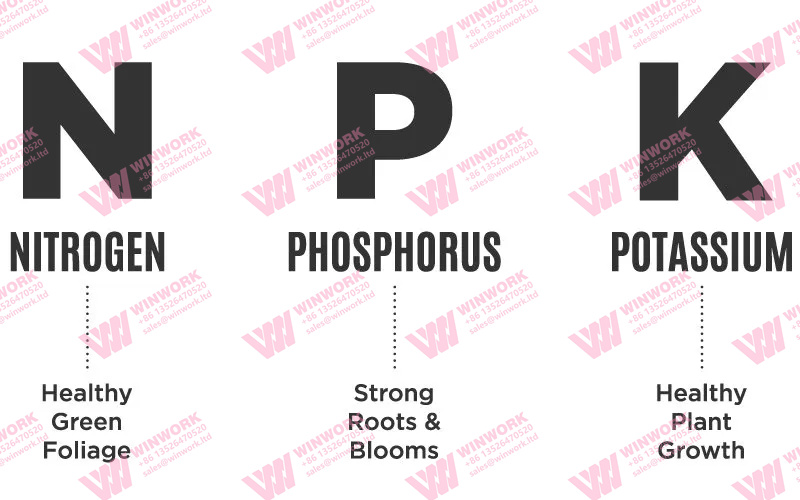
It is a water-soluble nutrient solution that contains the three primary macronutrients essential for plant growth: Nitrogen (N), Phosphorus (P), and Potassium (K), in precisely balanced proportions. Unlike traditional solid NPK fertilizers, which require time to dissolve in the soil, Liquid NPK Fertilizer is immediately available for plant uptake, whether applied to the root zone or as a foliar spray. It is produced by dissolving high-grade NPK salts, chelated micronutrients, and sometimes organic compounds in water, followed by filtration and quality control.
The liquid format allows for exact dosing, easy integration with irrigation systems, and uniform distribution across fields or greenhouses. For this reason, it is gaining popularity in both conventional and precision agriculture.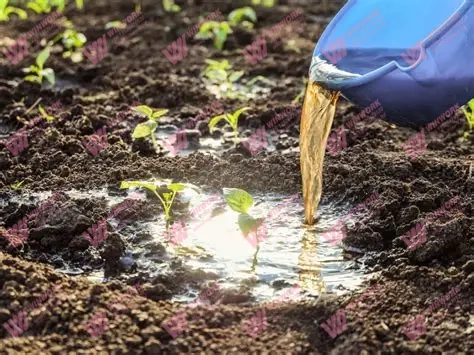
Classification of Liquid NPK Fertilizer by Nutrient Form
This fertilizer can be categorized based on the chemical form of the nutrients it contains, which affects solubility, compatibility, and release rate.
Straight Liquid NPK Fertilizer
Contains only N, P, and K in clear solution, such as 20-20-20 or 15-30-15 formulas. Ideal for base applications where custom blending is done on-site.
Complex Fertilizer
Manufactured by chemically combining raw materials into single molecules, such as ammonium phosphate-potassium nitrate blends. These offer high stability and consistent composition.
Suspension Liquid NPK Fertilizer
Contains insoluble or slowly soluble nutrients suspended in liquid, allowing higher nutrient concentrations. Requires agitation during application.
Chelated Fertilizer
Includes micronutrients like iron, zinc, and manganese bound to chelating agents for improved absorption. Often added to standard NPK formulas for enhanced performance.
Understanding these classifications helps buyers choose the right Liquid NPK Fertilizer for specific soil conditions and crop requirements.
Liquid fertilizer production line equipment composition
Raw material dosing system: responsible for the accurate weighing and transportation of raw materials to ensure that the proportion of each raw material is accurate.
Mixing and Dissolving System: Efficient mixing equipment and dissolving tanks can quickly and evenly dissolve various nutrients in the liquid substrate.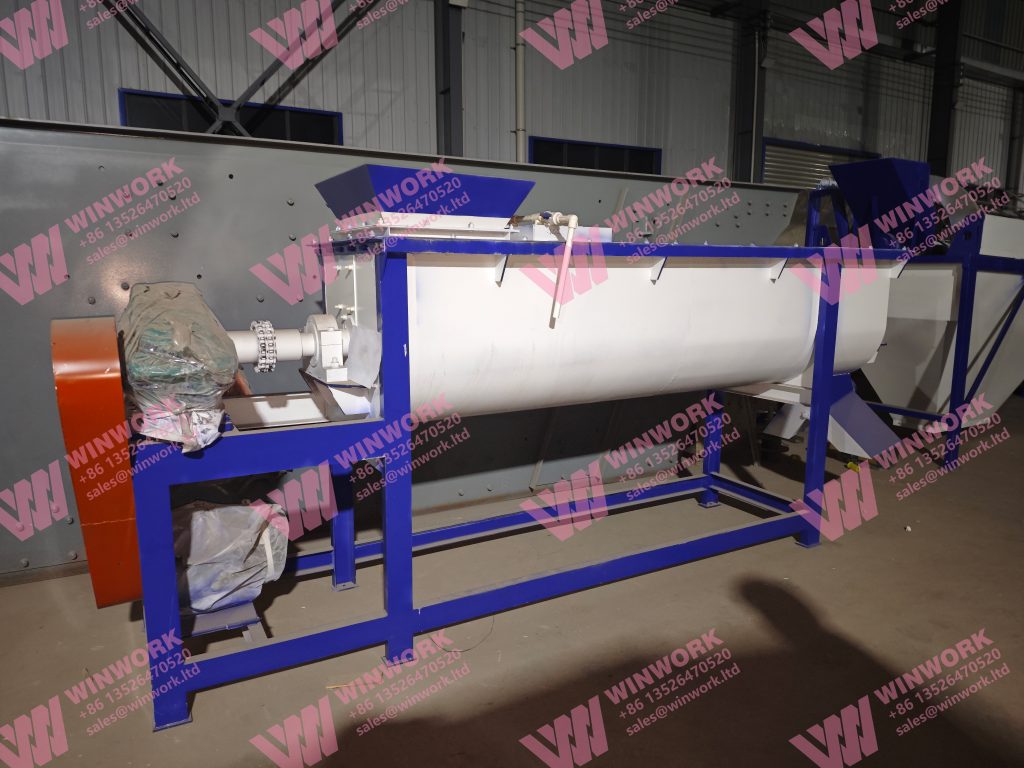
Filtration system: multi-stage filtration equipment ensures the purity of liquid fertilizer and avoids the influence of impurities on product quality.
Automatic filling machine: high-precision filling equipment to ensure consistent capacity of each bottle of liquid fertilizer, fast filling speed and high efficiency.
Capping and packaging machine: automatically complete a series of operations such as capping, labeling, packaging, etc. to ensure that the product is beautiful and well sealed.
Quality inspection system: automated inspection equipment for real-time monitoring and inspection of each batch of products on the production line to ensure stable product quality.
Centralized control system: the whole production line is equipped with PLC control system, which can adjust the production operation at any time.
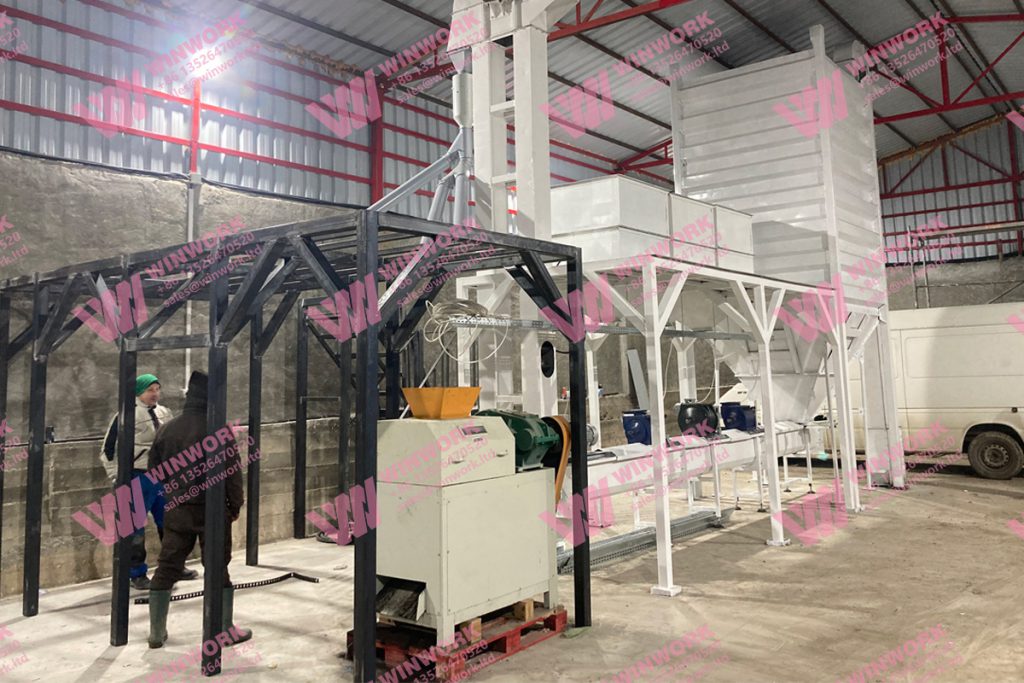
Core Equipment for Manufacturing Fertilizer
Firstly a tank is necessary, It can be used to dissolve other substances.
Vibrating and Mixing machines, to mix the liquid evenly
Static and dynamic batching systems, to make sure each part is at the same percent.
Storage and Packaging machines, to store the products.
Key Benefits of Fertilizer
The adoption of Fertilizer brings numerous advantages:
Rapid Nutrient Availability, Immediate root and leaf absorption boosts early growth.
Uniform Application, Eliminates uneven spreading common with granular fertilizers.
Compatibility with Fertigation, Seamlessly integrates with drip, sprinkler, and pivot systems.
Reduced Labor and Time, No need for mechanical spreading; faster field operations.
Flexible Customization, Formulations can be adjusted for crop type, growth stage, and soil test results.
Lower Environmental Risk, Precise application reduces leaching and runoff compared to over-applied solids.
Enhanced Nutrient Use Efficiency, Plants take up more of the applied nutrients, improving yields and quality.
Supports Precision Agriculture, Enables variable-rate application using GPS and sensor data.
Safe Handling, Lower dust and spillage risk than powder or granule NPK fertilizers.
These benefits make it a smart choice for modern farming.
How to Use it and Suitable Crops
Correct application maximizes the value of Liquid NPK Fertilizer:
Fertigation: Mix with irrigation water at recommended doses and deliver through drip or center pivot systems. Ideal for row crops, vegetables, and orchards.
Foliar Spraying: Dilute to 0.3%–1% and apply in cool hours to correct deficiencies and enhance photosynthesis. Works well for cereals, fruits, and vine crops.
Basal Drenching: Apply during planting or transplanting to establish strong root development. Suitable for tomatoes, peppers, lettuce, and strawberries.
Top-Dressing in Growth Stages: Use moderate doses during flowering and fruit bulking to sustain yield potential. Effective for corn, cotton, soybeans, and potatoes.
Liquid NPK Fertilizer is versatile and can be used in open fields, greenhouses, hydroponic systems, and home gardens.
FAQ
Q1: Can it be stored for long periods?
A: Yes, if kept in sealed, cool, and dark containers. Most products remain stable for 6–12 months. Check for sedimentation or color change before use.
Q2: Is Liquid NPK Fertilizer compatible with pesticides?
A: Some can be tank-mixed, but always perform a jar test to check for precipitation or phytotoxicity.
Q3: How do I determine the right NPK ratio for my crop?
A: Conduct a soil test and consult local agronomists. Young plants often need higher nitrogen, while fruiting crops benefit from more phosphorus and potassium.
Q4: Can Liquid NPK Fertilizer replace all solid fertilizers?
A: It can replace many, but in some cases, a combination of solid and liquid may be optimal for cost and logistics.
Q5: Is Liquid NPK Fertilizer safe for organic farming?
A: Only if it is derived from natural mineral sources and free of synthetic additives. Check for organic certification.
Q6: How does Liquid NPK Fertilizer help in drought conditions?
A: Its quick absorption and ability to be applied with minimal water make it useful in water-limited areas.
Conclusion
Liquid NPK Fertilizer represents a significant advancement in plant nutrition, offering speed, precision, and flexibility unmatched by traditional solid fertilizers. This press release has examined Liquid NPK Fertilizer from definition to application, highlighting its classification, production technology, benefits, and suitability for diverse crops. It is clear that this innovative product is essential for achieving higher yields, better quality, and more sustainable practices. As agriculture continues to evolve, Liquid NPK Fertilizer will play an increasingly central role in meeting global food security challenges.
For more details, please feel free to contact us.
Email: sales@lanesvc.com
Contact number: +8613526470520
Whatsapp: +8613526470520
Get A Quote