

Introduction
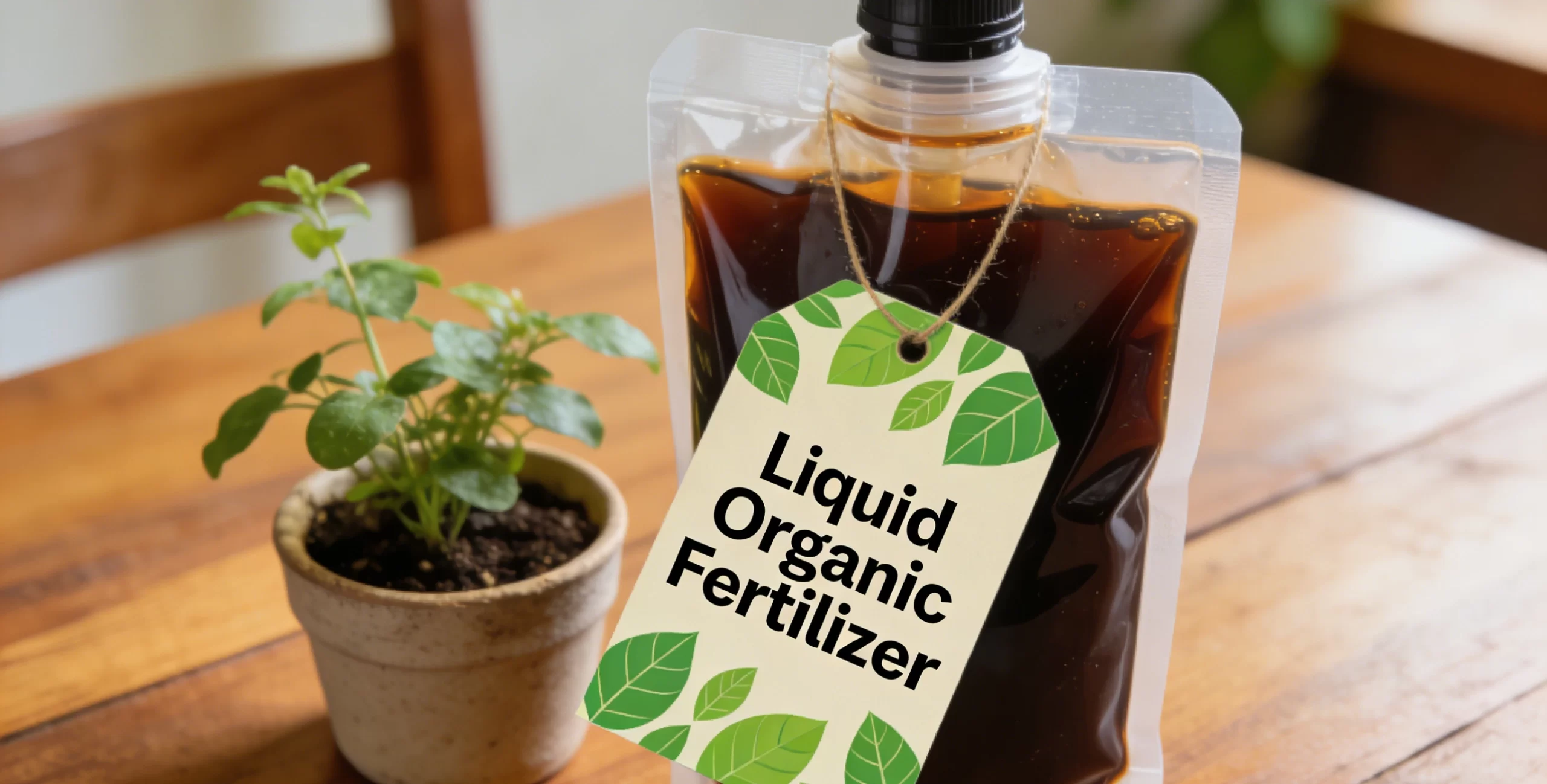
As green agriculture and sustainable farming continue to gain momentum, Liquid Organic Fertilizer is emerging as a vital solution for home gardening, protected cultivation, and broad-acre farming due to its fast absorption, visible effects, and eco-friendly profile. This press release centers on Liquid Organic Fertilizer, exploring its definition, classification by ingredient origin, key manufacturing equipment, proven benefits, and practical usage methods. An FAQ section addresses common inquiries. This press release serving as a definitive resource for growers, manufacturers, and agronomists seeking actionable insights into liquid organic fertilization.
What Is Liquid Organic Fertilizer?
Liquid Fertilizer refers to nutrient solutions made by converting animal manures, plant residues, agricultural by-products, or other organic materials into water-soluble forms through microbial fermentation, enzymatic hydrolysis, or extraction. Unlike solid organic fertilizers, which must first decompose in the soil, Liquid Organic Fertilizer can be absorbed directly by plant roots or foliage, delivering rapid nutritional support.
To qualify as high-quality Liquid Fertilizer, the product must have high organic matter content, balanced nutrients, and be free from harmful pathogens and weed seeds, with a concentration suitable for storage and application.
Classification of Liquid Fertilizer by Ingredient Origin
Based on raw material sources, Liquid Organic Fertilizer can be grouped into several categories:
Animal-Based Liquid Fertilizer
Derived from livestock manure, fish protein, blood meal, etc., after anaerobic or aerobic fermentation. Rich in organic nitrogen, amino acids, and trace elements.
Plant-Based Liquid Organic Fertilizer
Made from soybean meal, rapeseed cake, seaweed, tea waste, and similar plant matter via extraction or fermentation. Contains soluble carbohydrates, phenolics, and plant growth factors.
Microbial Fermentation Broth
Produced by culturing beneficial microbes on molasses, starch residue, or other carbon sources, then collecting metabolic by-products. High in bioactive substances and beneficial microorganisms.
Composite Organic Liquid Fertilizer
Blends animal-based, plant-based, and microbial broths to provide a wider range of nutrients and functions in one Liquid Organic Fertilizer product.
Classification helps manufacturers select appropriate feedstocks and assists growers in choosing the right Liquid Organic Fertilizer for specific crop needs.
Components in producing liquid fertilizer
Raw material storage and processing system
Including storage silo, conveying equipment for storing and conveying raw materials.
Batching system
Adopting automatic batching equipment to ensure that the raw materials such as nitrogen, phosphorus and potassium are mixed accurately according to the predetermined proportion. The batching system usually includes weighing scales, batching hoppers, etc., which can be monitored and adjusted at any time, with an accuracy rate of 98%.
Crushing system
After the proportion of raw materials, if not powder, it is necessary to go through the pulverizer processing, to achieve further processing of fineness, usually use the pulverizer has a vertical pulverizer, hammer mill, cage pulverizer and so on.
mixing system
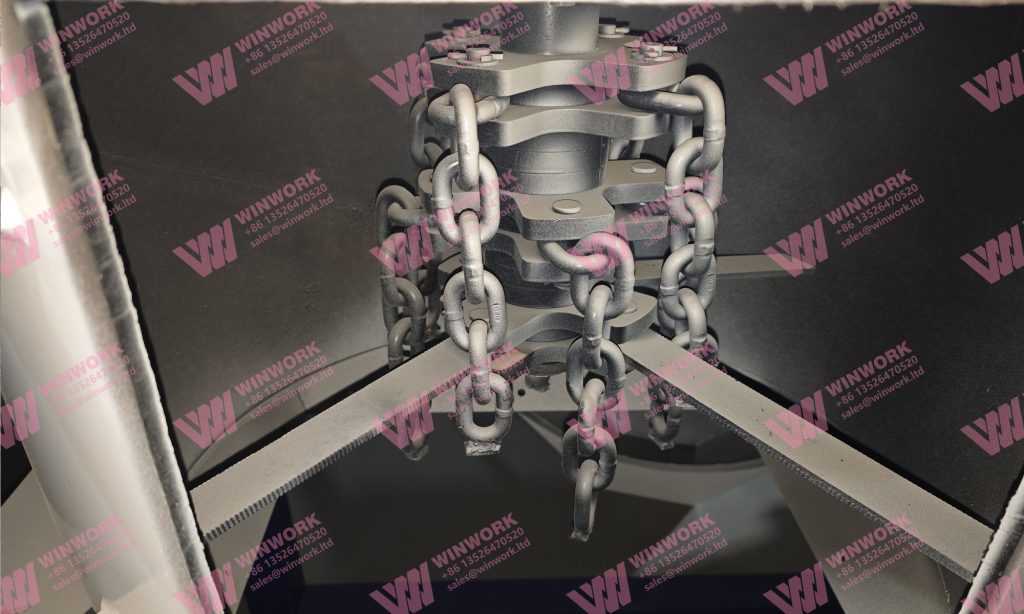
After the completion of the crushed raw materials into the mixer, commonly used mixing equipment such as double-axis mixer, horizontal mixer, etc., through the high-speed rotation of the mixing shaft, the raw materials will be fully mixed, evenly distributed, but also able to break up the lumps of raw materials.
Pelletizing system
Mixed materials through the granulation equipment for granulation, common granulation equipment are drum granulator, roller granulator and disc granulator.
Drying and cooling system (optional)
If the use of roll granulator for dry extrusion granulation, the particles obtained by the moisture accounted for a relatively low, no need to dry.
If using wet granulation, the newly generated particles usually contain a certain amount of moisture, and need to be dried by drying equipment (such as rotary dryer) to reduce the moisture content and improve product quality. After drying, the temperature of the granules is high, and they need to be cooled by cooling equipment (e.g. rotary cooler), so that the temperature of the granules is close to the room temperature, which is convenient for storage and transportation.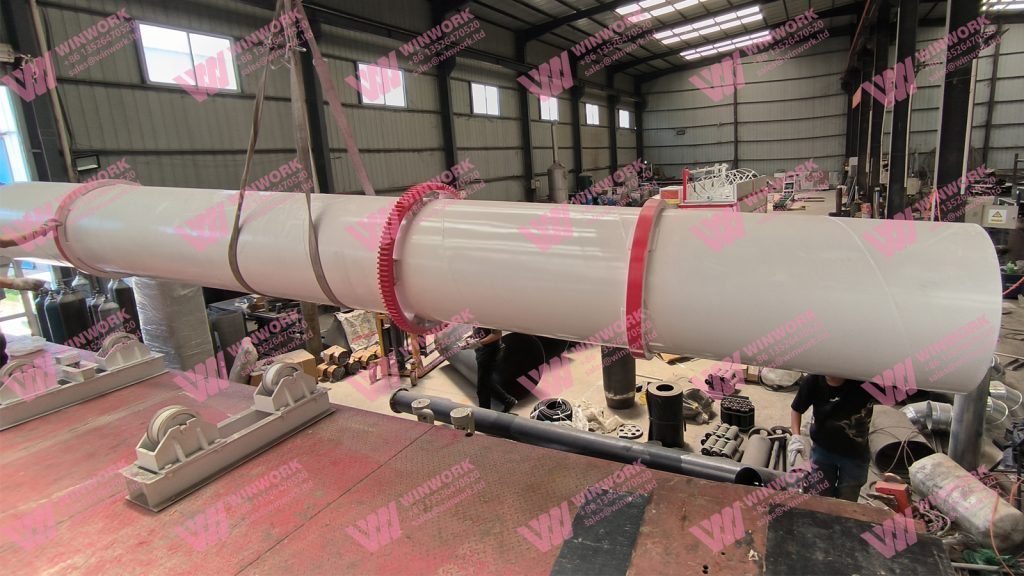
Screening system
The cooled particles are of different sizes, which are sieved by sieving equipment to separate the unqualified particles (too big or too small), and the qualified particles go to the next process.
Coating system
In order to improve the storage stability of fertilizers and the use of the effect, the particles can be coated. The coating equipment usually adopts rotary drum coating machine, which is equipped with coating liquid storage tank and pump, and can work continuously.
Packaging system
Qualified finished granules are packed through packaging equipment, common packaging equipment include automatic quantitative packaging machine, woven bag packaging machine and so on.
Key Benefits of Liquid Fertilizer
Using Liquid Organic Fertilizer offers multiple advantages:
Fast Nutrient Uptake, Water-soluble organics are directly absorbed by roots and leaves.
Soil Structure Improvement, Organic matter promotes aggregate formation, enhancing water and nutrient retention.
Microbial Activation, Supplies carbon and energy to beneficial soil organisms, boosting ecosystem vitality.
Environmental Protection, Recycles waste, reduces chemical fertilizer dependence, and minimizes non-point pollution.
Improved Crop Quality, Enhances sweetness, color, and flavor of fruits and vegetables.
High Safety, Free from synthetic chemicals, suitable for organic certification systems.
Application Flexibility, Compatible with fertigation, drenching, foliar spraying, and tank mixing.
Labor Savings, Liquid application reduces manual spreading and heavy lifting.
Customizable Formulations, Adjust raw materials and concentrations based on soil tests and crop stages.
How to Use Liquid Organic Fertilizer
Proper application maximizes the benefits of Liquid Fertilizer
Drenching: Dilute at 1:200–1:500 before sowing or transplanting, and apply with irrigation water to the root zone.
Micro-Spray: Integrate with drip or micro-irrigation systems for continuous or scheduled feeding, ideal for protected agriculture.
Foliar Spraying: Dilute to 0.5%–2% and apply in early morning or late afternoon to quickly correct nutrient deficiencies and boost resistance.
Top-Dressing During Flowering and Bulking: Increase frequency with lower doses to avoid osmotic stress from high concentrations.
Growers should adjust dilution and dosage based on soil analysis and crop phenology.
FAQ
Q1: Can Liquid Organic Fertilizer burn plants?
A: Overly concentrated or incompletely fermented products can damage roots. Always dilute as instructed and ensure full maturation without strong ammonia or sour smells.
Q2: What is the difference between fermented and extracted Liquid Organic Fertilizer?
A: Fermented types undergo microbial conversion, yielding more stable nutrients; extracted types dissolve soluble components directly for quicker effects but with fewer nutrient forms.
Q3: Can Liquid Organic Fertilizer be mixed with chemical fertilizers?
A: Yes, but they should be dissolved and diluted separately to avoid cumulative salinity stress.
Q4: How to check if Liquid Organic Fertilizer is fully decomposed?
A: Look for dark brown or black color, earthy or mild odor, no sharp ammonia smell, and a pH between 6.0–7.5.
Q5: What is the shelf life of Liquid Organic Fertilizer?
A: Under sealed, light-proof storage, generally 6–12 months. Discard if stratification or off-odors develop.
Conclusion
Liquid Organic Fertilizer bridges organic waste valorization and high-efficiency agriculture, delivering rapid action, soil improvement, quality enhancement, and environmental benefits. This release has highlighted Liquid Organic Fertilizer throughout to emphasize its strategic role in sustainable farming. As demand for organic, safe, and customizable nutrition grows, so will the need for high-quality Liquid Organic Fertilizer, driving innovation toward smarter, more energy-efficient, and precision-oriented production systems.
For more details, please feel free to contact us.
Email: sales@lanesvc.com
Contact number: +8613526470520
Whatsapp: +8613526470520
Get A Quote