

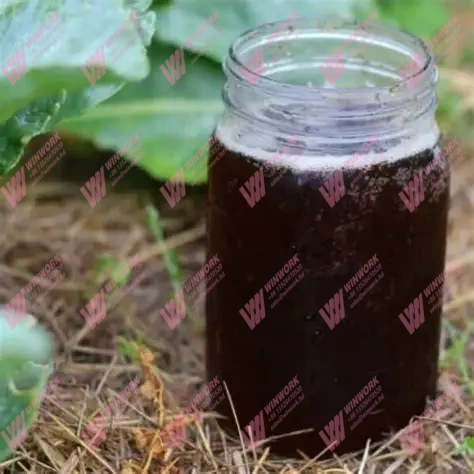
In recent years, the world has been witnessing an increased demand for organic farming and sustainable agriculture. One of the most significant developments in this field is the growing popularity of Liquid Organic Fertilizer. This innovative farming solution offers numerous benefits over traditional chemical fertilizers, making it a preferred choice for many farmers. In this article, we will explore the top 5 benefits of liquid organic fertilizers and touch on the equipment used in the liquid fertilizer production process.
What is liquid organic fertilizer?
Liquid Organic Fertilizer is a type of fertilizer that is derived from natural organic sources. Unlike conventional synthetic fertilizers, which often rely on chemicals, liquid organic fertilizers use ingredients like compost, seaweed extracts, and plant-based matter. These fertilizers provide essential nutrients to the soil and plants in a more readily available form.
Liquid fertilizers are popular because they can be easily absorbed by plants, offering quick nutrient release and faster plant growth. They are often used in both conventional and organic farming systems, enhancing soil health and promoting better yields.
5 Benefits of liquid organic fertilizer
- Improving soil health and structure
One of the primary advantages of liquid organic fertilizers is their ability to improve soil health. Over time, the continuous use of chemical fertilizers can degrade soil quality, reducing its capacity to retain moisture and nutrients. Liquid organic fertilizers, on the other hand, help to enhance the organic matter content in the soil.
By introducing natural microorganisms and organic compounds, these fertilizers promote soil microbial activity, which is essential for nutrient cycling. This results in improved soil structure, better aeration, and enhanced water retention. Healthier soil leads to stronger, more resilient plants, reducing the need for additional inputs.
- Accelerating nutrient absorption
Liquid fertilizers are quickly absorbed by plants. Unlike solid fertilizers that require the soil to break them down, liquid organic fertilizers are already in a water-soluble form, making them easier for plant roots to uptake. This means plants get the nutrients they need almost immediately, resulting in faster growth and improved plant health.
- Reducing environmental impact
Traditional chemical fertilizers can lead to nutrient runoff, which can pollute nearby water sources and harm aquatic life. In contrast, liquid organic fertilizers are more environmentally friendly. Because they are made from natural ingredients, they are less likely to leach harmful chemicals into the environment.
- Enhancing plant growth and yields
The nutrients provided by liquid organic fertilizers are readily available for plant uptake, which helps enhance plant growth. These fertilizers often contain essential trace elements such as iron, zinc, and manganese, which are crucial for optimal plant development.
By improving plant health, liquid organic fertilizers can also contribute to higher yields. Plants receiving a consistent supply of essential nutrients are better equipped to fight off diseases and pests, resulting in healthier crops and larger harvests.
- Cost-effective and easy to use
Liquid organic fertilizers are often more cost-effective than traditional solid fertilizers. They are typically easier to apply and require fewer labor hours, making them an efficient choice for farmers looking to maximize their returns. Liquid fertilizers can be applied through various methods, including foliar spraying or direct soil application.
Liquid fertilizer production equipment
The production of liquid organic fertilizers involves several steps and specialized equipment to ensure the final product meets the desired quality standards. Liquid fertilizer production is typically carried out in large facilities, with the following essential equipment being used:
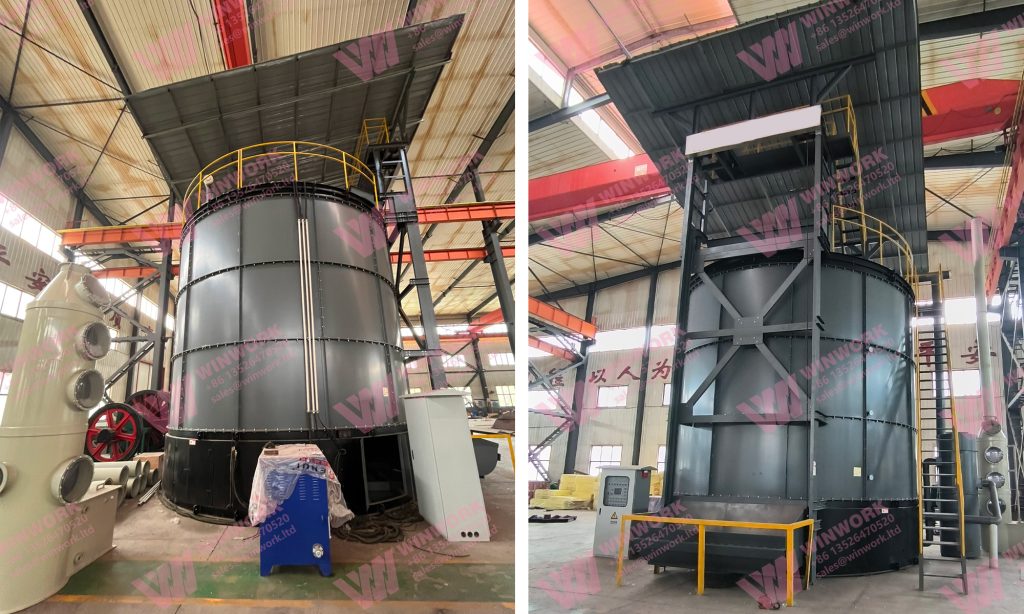
Fermentation is a critical part of producing liquid organic fertilizers, especially when the base ingredients are organic matter like plant or animal waste. Fermentation tanks are used to break down these materials into simpler compounds that can be absorbed by plants.
Once the organic materials have been fermented and broken down, they are often mixed with other ingredients such as water, seaweed extract, or fish emulsion. Mixing and blending equipment ensures that the nutrients are evenly distributed throughout the solution.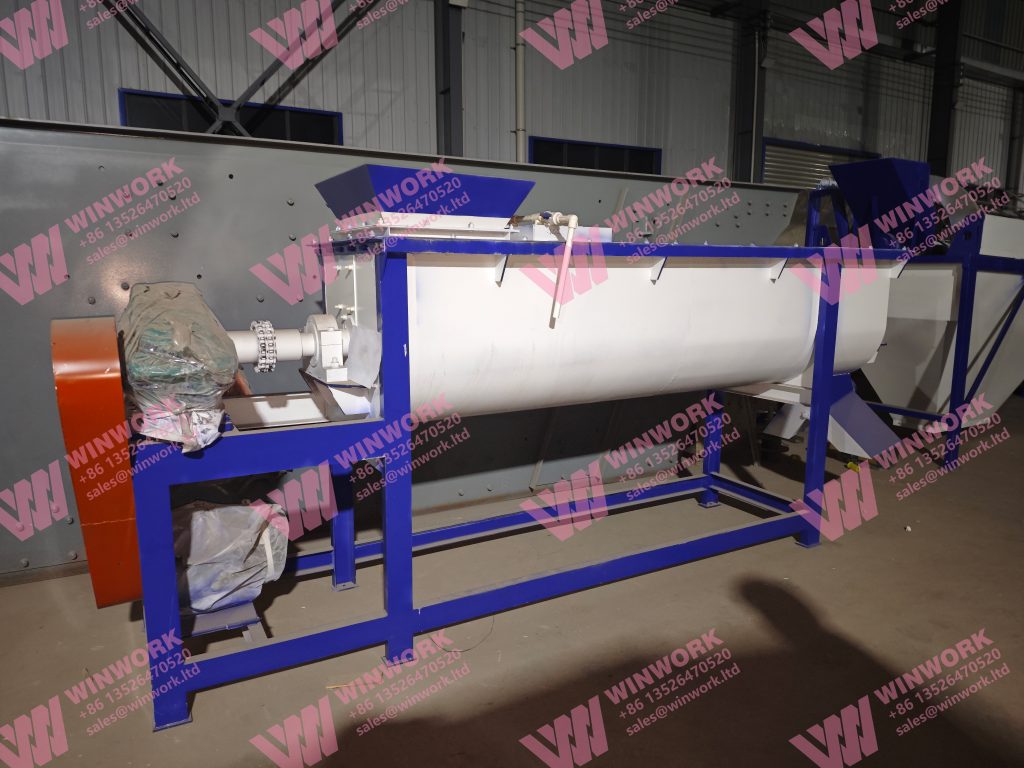
After the mixing process, the liquid fertilizer typically goes through a filtration system to remove any large particles or impurities. This step ensures that the final product is smooth and free from any unwanted solids that could clog application equipment or disrupt the balance of nutrients.
- Packaging and storage equipment
Once the liquid organic fertilizer has been processed and filtered, it is ready for packaging. Packaging equipment is used to fill bottles, drums, or bulk containers with the liquid fertilizer. Proper packaging helps to preserve the nutrient content and prevent contamination.Storage equipment is equally important, as liquid fertilizers need to be stored in cool, dry conditions to prevent degradation.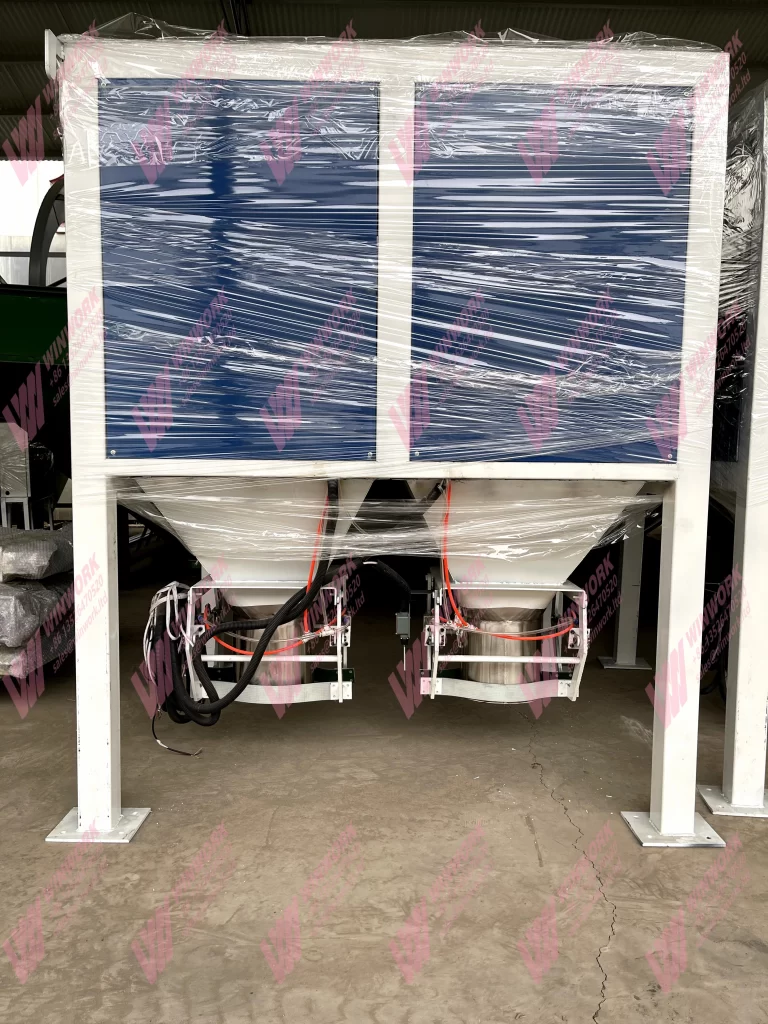
Practical application tips for liquid organic fertilizer
To give full play to the effect of liquid organic fertilizer, scientific application methods are essential. The following are five practical application tips:
- Control the concentration strictly
Liquid organic fertilizer needs to be diluted according to a certain proportion before application. Excessively high concentration will burn the roots and leaves of crops, while excessively low concentration will affect the fertilizer effect.
- Choose the right application time
The best application time is in the morning or evening when the temperature is low, avoiding high temperature at noon. At this time, the evaporation of liquid is small, which is conducive to the absorption of crops.
- Combing different application methods
According to the growth stage of crops, different application methods can be combined. For example, during the seedling stage, root irrigation can be used to promote root growth; during the flowering and fruiting period, foliar spraying can be combined with drip irrigation to ensure comprehensive nutrient supply.
- Pay attention to the matching with other fertilizers
Liquid organic fertilizer can be used in combination with chemical fertilizers and medium and trace element fertilizers, but it should avoid mixing with alkaline fertilizers to prevent nutrient loss.
- Apply regularly and quantitatively
The application of liquid organic fertilizer should follow the principle of “small amount and multiple times”, and regular and quantitative application can ensure the continuous supply of nutrients for crops.
How to choose high-quality liquid organic fertilizer
When choosing liquid organic fertilizer, we should pay attention to the following points to ensure the quality and effect of the fertilizer:
- Check product certification
Choose products with complete certificates such as product quality inspection report, organic fertilizer certification and production license.
- Observe the appearance and smell
High-quality liquid organic fertilizer has a uniform color, no sediment or suspended matter, and a mild fermented smell.
- Be careful for the content of organic chemical and beneficial microorganisms
The higher the content of organic matter and beneficial microorganisms, the better the fertilizer effect.
- Choose according to crop types and requirements
Different crops and growth stages have different nutrient needs. For example, leafy vegetables need more nitrogen, so you can choose amino acid liquid fertilizer with high nitrogen content; fruit trees need more phosphorus and potassium during the fruiting period, so you can choose seaweed liquid fertilizer or humic acid liquid fertilizer rich in phosphorus and potassium.
- Choose regular manufacturers
Choose products from manufacturers with good reputation, strong strength and perfect after-sales service.
Conclusion
Liquid Organic Fertilizers are rapidly becoming a cornerstone of sustainable farming practices. With their ability to improve soil health, provide faster nutrient absorption, reduce environmental impact, and enhance plant growth, they offer a host of advantages over traditional fertilizers.
Whether you’re a large-scale farmer or a home gardener, integrating liquid organic fertilizers into your farming practices can lead to better plant health, higher yields, and a more sustainable approach to agriculture.
For more details, please feel free to contact us.
Email: sales@lanesvc.com
Contact number: +86 13526470520
Whatsapp: +86 13526470520
Get A Quote