

Introduction
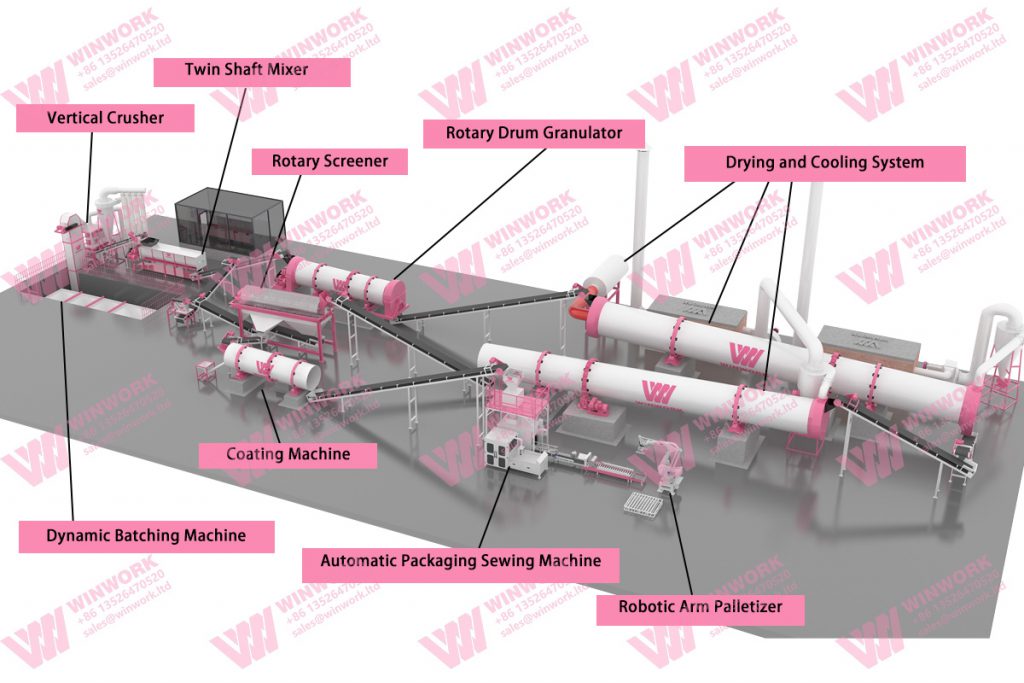
Starting a small fertilizer factory can be a smart move for entrepreneurs looking to tap into the growing demand for organic and compound fertilizers. But many beginners get stuck wondering exactly what machines are needed for a small fertilizer factory. This news piece walks you through every essential piece of equipment, from raw material processing to final packaging, while highlighting key considerations for smooth operations. We also include a handy FAQ section to clear up common doubts. Whether you’re planning from scratch or upgrading an old setup, knowing the exact machines needed for a small fertilizer factory is the first step toward profitable production.
So, you’ve decided to start a small fertilizer business. Maybe you’ve got access to agricultural waste, animal manure, or other organic materials. But now comes the big question: What machines are needed for a small fertilizer factory? The answer isn’t just about buying gear—it’s about choosing the right combination to turn raw materials into solid, sellable fertilizer pellets. Let’s break it down step-by-step.
Raw Material Preparation Machines
Before anything else, you need to prep your raw materials. This means reducing large chunks into fine powder. The main machines needed for a small fertilizer factory here are a chain crusher and a semi-wet material crusher. These machines chop up straw, manure, or compost into particles small enough to be processed further. If your materials are too coarse, your final pellets will fall apart easily. So don’t skip this step!
For example, Vertical crusher can crush the harder ore materials, is widely used in compound fertilizer production line and npk fertilizer production line.
Vertical crusher is a kind of high-efficiency and energy-saving crushing equipment, specially designed for all kinds of medium and low hardness materials, widely used in mining, chemical industry, cement, building materials and other industries. The equipment has a compact structure, covers an area of small, simple operation, easy maintenance, with a large ratio of crushing, low energy consumption, uniformity of the material size and other characteristics. Vertical crusher is especially suitable for fine crushing of brittle materials, which is the ideal choice for realizing efficient pulverizing operation.
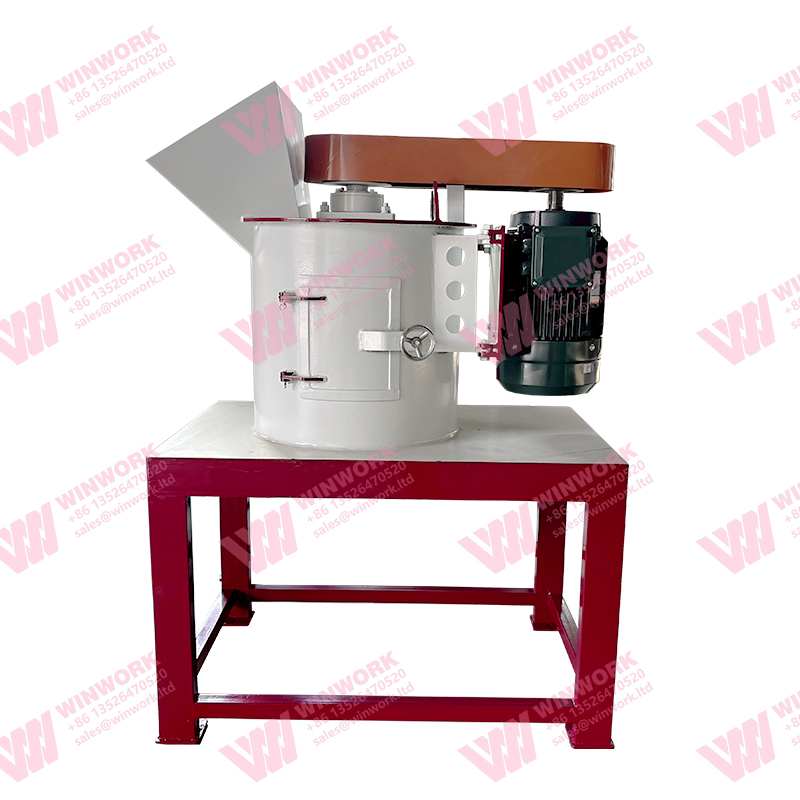
vertical-crusher
Mixing and Homogenization
Next, you need to mix your crushed material with water, nutrients, and possibly a binder. This is where a horizontal mixer or double shaft mixer comes in. Uniform mixing ensures consistent quality in every batch. Without proper mixing, even the best machines needed for a small fertilizer factory won’t save you from weak, crumbly pellets.
For example the Horizontal mixer is a kind of high-efficiency mixing equipment widely used in chemical, pharmaceutical, food, building materials and other industries.
It is mainly used for mixing many kinds of materials evenly, especially suitable for mixing powdery and granular materials, and also suitable for adding liquid to the mixing process. Horizontal mixer has a compact structure, easy operation, high mixing efficiency, and can realize high quality uniform mixing in a short time, which is an indispensable equipment in fertilizer production line.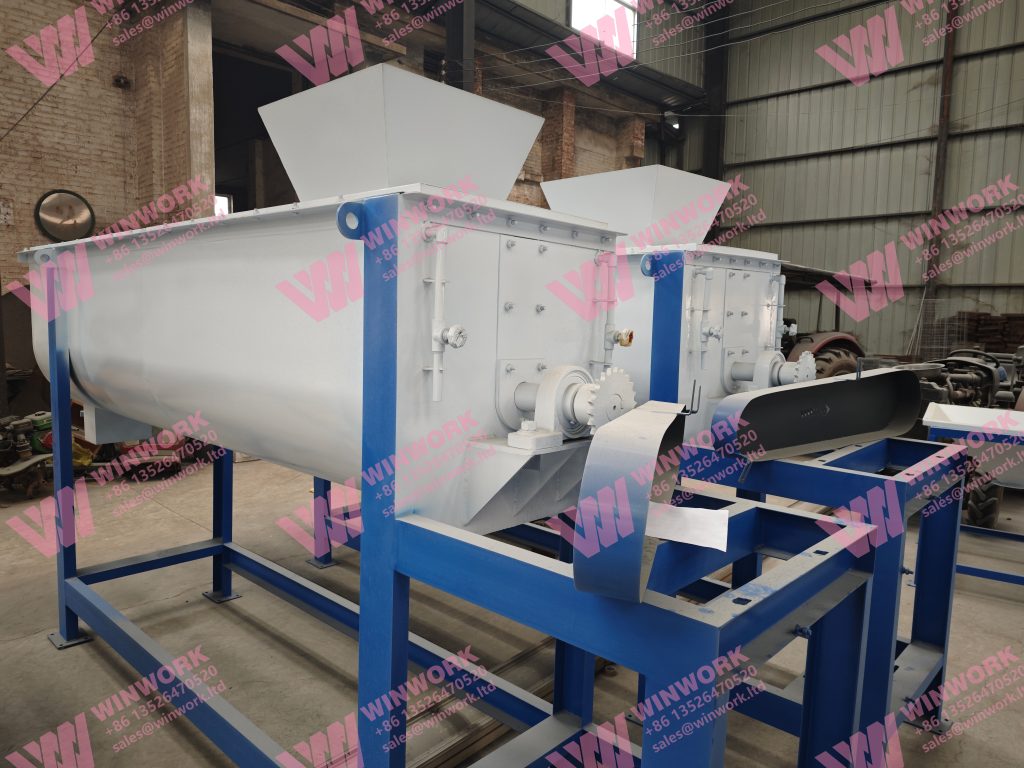
The Heart of Production – Granulation Machines
Now we get to the star of the show: granulation. This is where powder turns into pellets. Depending on your budget and material type, the machines needed for a small fertilizer factory could include:
Flat die granulator: Great for organic materials. It presses material through a die to form dense pellets. Flat die granulator also called flat die pellet mill, it is a kind of pelletizing equipment used to press powdery raw materials into pellets, which is widely used in feed, fertilizer, biomass energy, chemical industry and other industries.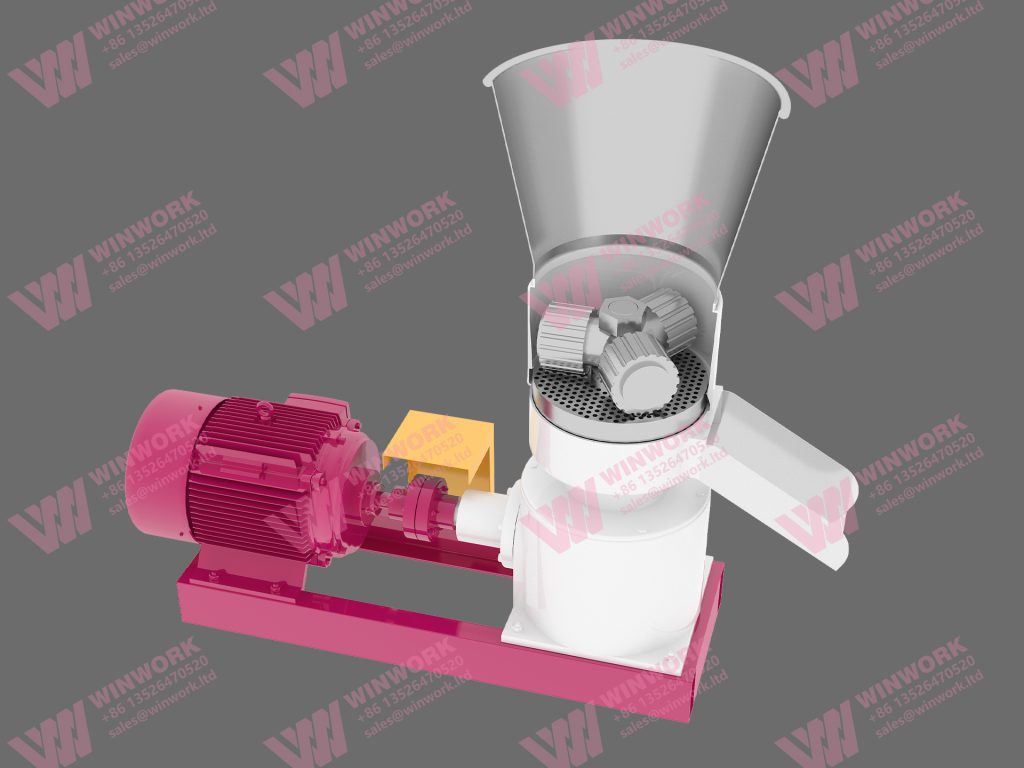
The equipment compresses the raw materials into high-density granules through the interaction of pressure roller and flat die, featuring high molding rate, uniform granules and low energy consumption.
Double roller extrusion granulator: Ideal for harder materials. It uses two rollers to squeeze material into shape under high pressure.
New type dual-function granulator: Combines mixing and pelleting in one unit. Perfect for tricky materials like chicken manure with lots of fiber.
Choosing the right granulator is critical. If you pick the wrong one, you’ll face constant breakage issues—no matter how good your other machines are.
Drying and Cooling Systems
Freshly made pellets are soft and moist. To make them durable, you need a rotary drum dryer followed by a rotary cooler. The dryer removes excess moisture gently to prevent cracking. The cooler brings pellets down to room temperature slowly. Skipping or rushing this stage is a common reason why new factories end up with brittle pellets. Both machines are among the must-have machines needed for a small fertilizer factory.
Screening and Polishing
After cooling, pellets go through a vibrating screen to separate fines and oversized pieces. Then, a polishing machine gives them a smooth finish and boosts strength. These might seem like optional extras, but they play a big role in making your product look professional and last longer on shelves.
Packaging Equipment
Finally, you need a way to bag your product. A automatic packing scale or semi-automatic bagging machine will do the job. This is the last link in the chain of machines needed for a small fertilizer factory, and it directly affects your brand image and efficiency.
Key Considerations Before Buying
Material type matters: High-fiber manure needs different handling than powdered minerals.
Space planning: Even a small factory needs room for material flow between machines.
Power supply: Make sure your workshop can handle the combined load of all these machines.
Budget wisely: Start with core machines needed for a small fertilizer factory and expand later.
FAQ: Your Questions About Machines Needed for a Small Fertilizer Factory, Answered
Q1: Can I start with just one machine?
A: Technically yes, but you won’t get far. At minimum, you need a crusher, mixer, granulator, dryer, and cooler. That’s the basic lineup of machines needed for a small fertilizer factory to produce usable pellets.
Q2: What’s the cheapest granulator option?
A: For small-scale organic fertilizer, a flat die granulator is usually the most affordable and easy to maintain. It’s one of the most popular machines needed for a small fertilizer factory.
Q3: How much space do I need?
A: A basic setup with all the essential machines needed for a small fertilizer factory can fit in a 200–300 square meter workshop. Leave extra space for material storage and movement.
Q4: Do I really need a dryer?
A: Absolutely. Without a dryer, your pellets will be soft and break during transport. It’s non-negotiable among the machines needed for a small fertilizer factory.
Q5: Can I use manual labor instead of machines?
A: For very tiny batches, maybe. But consistency and efficiency will suffer. Relying on machines needed for a small fertilizer factory is the only way to produce at scale and meet quality standards.
Q6: How do I know which binder to use?
A: Bentonite is cheap and works well for most organic fertilizers. Molasses adds stickiness but costs more. Test small batches to see what works best with your material and chosen granulator.
Q7: What maintenance do these machines need?
A: Regular cleaning, lubrication, and checking for wear parts. Each machine has its own schedule, but overall care extends the life of your machines needed for a small fertilizer factory.
Q8: Is it better to buy new or used equipment?
A: New machines offer reliability and warranty. Used ones can save money but may need repairs soon. Weigh your budget against long-term costs.
Q9: How do I calculate return on investment?
A: Track your production volume, rejection rate, and selling price. With the right machines needed for a small fertilizer factory, you can expect to break even within 1–2 years.
Q10: Where can I get these machines?
A: Reputable manufacturers in China, India, and Europe supply complete lines. Look for suppliers who offer installation guidance and after-sales support.
Conclusion
Launching a small fertilizer factory is entirely doable if you know the right machines needed for a small fertilizer factory. From crushers and mixers to granulators, dryers, coolers, and packagers, each piece plays a vital role in turning waste into wealth. By starting with a clear plan, choosing the right equipment, and following best practices, you can build a reliable operation that delivers strong, high-quality fertilizer pellets. The key is to think of your factory as a connected system—where every machine supports the next. So, if you’re ready to stop asking What machines are needed for a small fertilizer factory and start building, now’s the time to act.
For more details, please feel free to contact us.
Email: sales@lanesvc.com
Contact number: +8613526470520
Whatsapp: +8613526470520
Get A Quote