

Introduction
If you raise chickens, you know the problem all too well—chicken manure piles up fast. A small flock can produce a ton of waste each year, and a medium farm can easily generate ten times that. Left in the coop or dumped outside, it stinks, attracts flies, and can contaminate groundwater. But here’s the good news: you can solve all those problems and make money by learning how to make chicken manure into fertilizers. This age-old practice is getting a modern upgrade with affordable equipment and proven methods that turn waste into a product gardeners and farmers will pay for.
Why Learn How to Make Chicken Manure into Fertilizers?
Chicken manure is one of the richest organic fertilizers available. It contains high levels of nitrogen, phosphorus, and potassium—the three nutrients plants crave. But in its raw form, it’s too “hot” and unbalanced. Fresh chicken manure can burn plants, spread pathogens, and release ammonia that harms both people and the environment. By processing it properly, you unlock its value safely. This is the heart of how to make chicken manure into fertilizers—transforming a liability into an asset.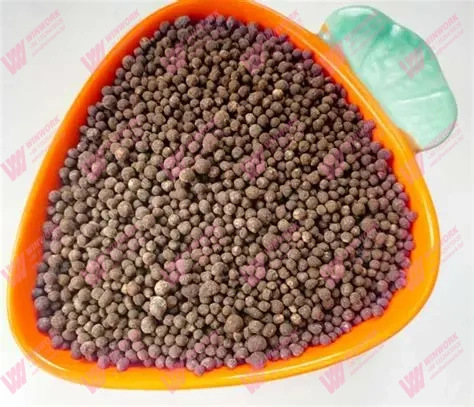
Step-by-Step: How to Make Chicken Manure into Fertilizers
Collect and Separate
Start by gathering manure from coops, runs, or brooder houses. Remove as much bedding material as possible. If you have a mix of solids and liquid, a simple solid-liquid separator will help. The solid portion is ideal for composting; the liquid can be used for fertigation or diluted and applied carefully to fields. This first step in how to make chicken manure into fertilizers reduces volume and prepares the material for safe processing.
This step is to gather your manures together to get well produced, and this pre treatment can better and simplify your later steps.
Adjust the Carbon-Nitrogen Ratio
Chicken manure is high in nitrogen, so you need to balance it with carbon-rich materials like straw, sawdust, dried leaves, or shredded cardboard. A good mix is three parts carbon to one part manure. This prevents ammonia smells and speeds up decomposition.
By doing this, you can reduce the harmful gases emitted by feces. Not only could it pollute the soil, but it could also potentially harm human health.
Shred and Mix
Use a small electric shredder or crusher to chop up the manure and bedding. Smaller pieces decompose faster and create a more uniform compost. This is a crucial part of how to make chicken manure into fertilizers because it ensures even heating and consistent quality.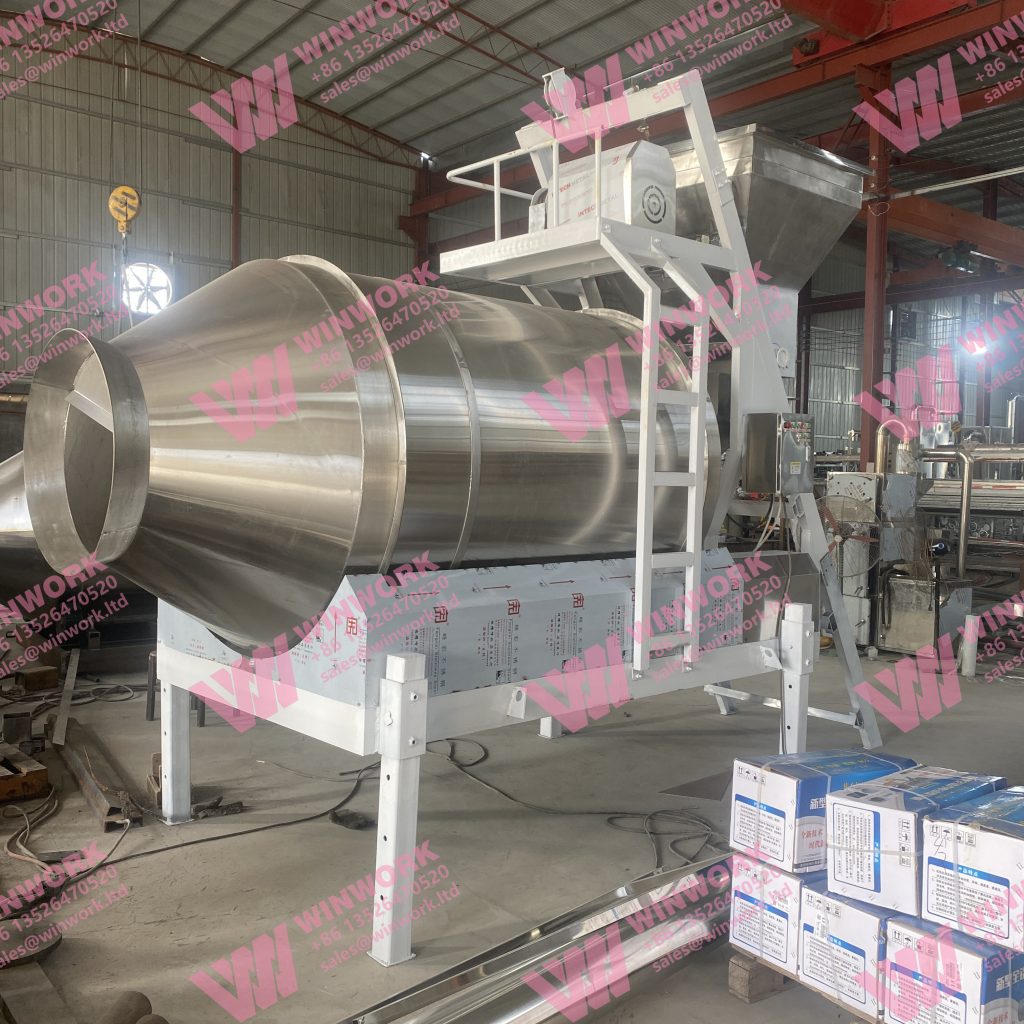
Horizontal mixer has a compact structure, easy operation, high mixing efficiency, and can realize high quality uniform mixing in a short time, which is an indispensable equipment in fertilizer production line.
Compost in Controlled Piles
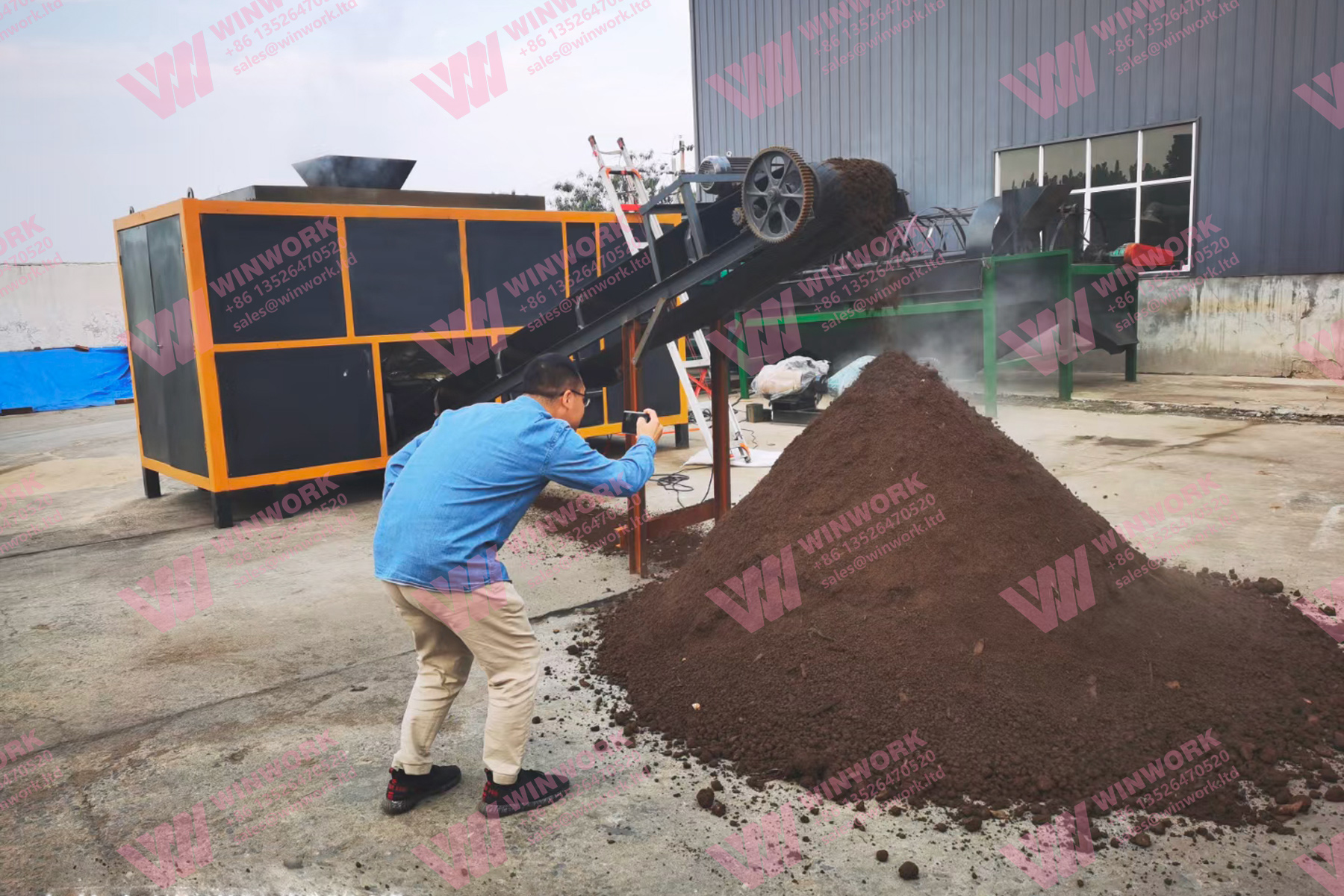
Build windrows or use bins to compost the mixture. Turn the pile every 3–7 days with a basic compost turner to add oxygen. The internal temperature should climb above 55°C and stay there for several days. This heat kills weed seeds, fly larvae, and harmful bacteria, making the final product safe for food crops.
Cure and Screen
After the active composting phase, let the material cure for 4–6 weeks. The temperature will drop, and the compost will mature into a dark, crumbly, earthy-smelling product. Run it through a vibrating screen to remove any undecomposed chunks or foreign objects.
Package for Sale
Bag the finished compost in simple sacks or offer it in bulk to local gardeners, nurseries, or organic farms. You can also pelletize it with a small flat die pelletizer to create easy-to-handle fertilizer nuggets that fetch higher prices.
Equipment for How to Make Chicken Manure into Fertilizers
You don’t need a fortune to get started. A manual solid-liquid separator costs under $1,500 and saves hundreds in disposal fees. An electric shredder or crusher for manure and straw runs $800 to $2,000, making composting faster and more consistent. A basic compost turner, either hand-operated or powered by a tractor PTO, costs $1,000 to $3,000 and is vital for maintaining the high temperatures that kill pathogens. For drying, simple solar racks or a small rotary dryer prepare compost for storage or pelleting. A flat die pelletizer under $3,000 can turn your compost into premium pellets that command higher prices. All of this equipment supports how to make chicken manure into fertilizers without requiring huge capital investment.
Real Farm Example: The Chen Family’s Poultry Operation
The Chens raise 500 broiler chickens and used to pay $800 a year to have manure removed. After adopting how to make chicken manure into fertilizers with a $1,200 separator, a $1,800 shredder, and a $2,500 compost turner, they began producing 12 tons of compost annually. They replaced 90 percent of their synthetic fertilizer purchases and sold the surplus for $120 a ton. Within two years, the equipment paid for itself and added $1,400 in net income. “Learning how to make chicken manure into fertilizers turned our waste problem into a profitable sideline,” says Mr. Chen.
FAQ: Your Questions About How to Make Chicken Manure into Fertilizers Answered
Q1: Is chicken manure safe to use on vegetables?
A: Only after composting. Raw chicken manure can carry pathogens. Proper composting kills harmful organisms.
Q2: How long does it take to make usable fertilizer?
A: With regular turning, 2–3 months for active composting plus 1 month curing.
Q3: Will composting chicken manure smell bad?
A: Properly balanced and aerated piles shouldn’t smell. Ammonia odors mean too much nitrogen or not enough air.
Q4: Can I use chicken manure from caged birds?
A: Yes. The process works for all types of poultry manure.
Q5: Do I need a lot of land for composting?
A: A small area for windrows or a few bins is enough for most small to medium farms.
Q6: How much can I earn from selling compost?
A: Prices vary, but screened compost often sells for $80–$200 per ton depending on quality and location.
Q7: What if I don’t have a tractor?
A: Hand-operated equipment and solar drying work well for small operations.
Q8: Can I mix chicken manure with cow or pig manure?
A: Yes. Mixing manures can balance nutrients and speed up composting.
Q9: How do I find buyers for my compost?
A: Local farmers, garden centers, landscapers, and online marketplaces are good outlets.
Q10: How do I start with how to make chicken manure into fertilizers?
A: Begin with a simple compost pile using manure and straw. Add a separator and shredder as you scale up.
Conclusion
How to make chicken manure into fertilizers is more than a clever trick—it’s a practical, profitable strategy for poultry farmers. By following simple steps to compost and process manure, you prevent pollution, improve soil health, and create a valuable product from waste. The equipment is affordable, the process is straightforward, and the payoff is measurable. Whether you have a backyard flock or a commercial coop, mastering how to make chicken manure into fertilizers can transform your operation into a leaner, greener, and more profitable enterprise.
For more details, please feel free to contact us.
Email: sales@lanesvc.com
Contact number: +8613526470520
Whatsapp: +8613526470520
Get A Quote