

Introduction
For generations, farmers viewed manure as a smelly byproduct—something to be stored, spread, or disposed of. But times have changed. With rising fertilizer costs, stricter environmental regulations, and growing demand for organic products, manure resource utilization has become a game-changer.
This isn’t just about cleaning up the farm; it’s about unlocking hidden value in what was once considered waste.
Why Manure Resource Utilization Matters Now
Untreated manure contaminates groundwater, emits greenhouse gases, and wastes precious nutrients. Meanwhile, synthetic fertilizers derived from fossil fuels keep getting pricier. Manure resource utilization solves both problems by recovering nitrogen, phosphorus, and organic matter from livestock waste. The result? Cleaner farms, healthier soils, and new income streams.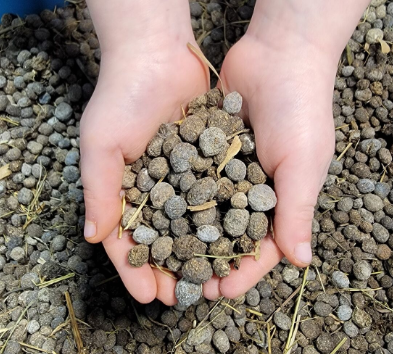
How Manure Resource Turns Waste into Value
Step 1: Capture and Separate
The first step in manure resource utilization is collecting raw manure and separating solids from liquids. A solid-liquid separator splits manure into thick sludge (ideal for composting) and nutrient-rich liquid (perfect for irrigation or biogas production). This separation makes all subsequent processing more efficient.
Step 2: Compost the Solids
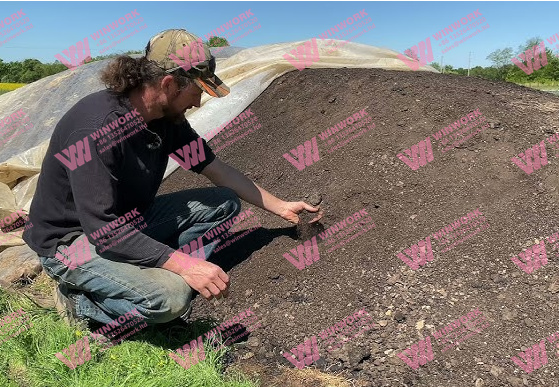
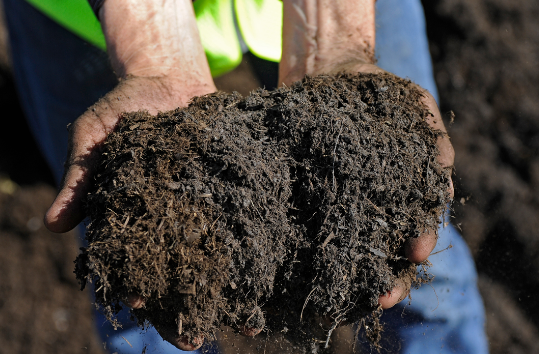
Solid manure sludge gets mixed with carbon sources like straw or sawdust in a compost turner. Over 2-3 months, microbial activity heats the pile to 55-70°C, killing pathogens and weed seeds. The result is stable, earthy-smelling compost—a premium organic fertilizer. This is the most common form of manure resource utilization for small to mid-sized farms.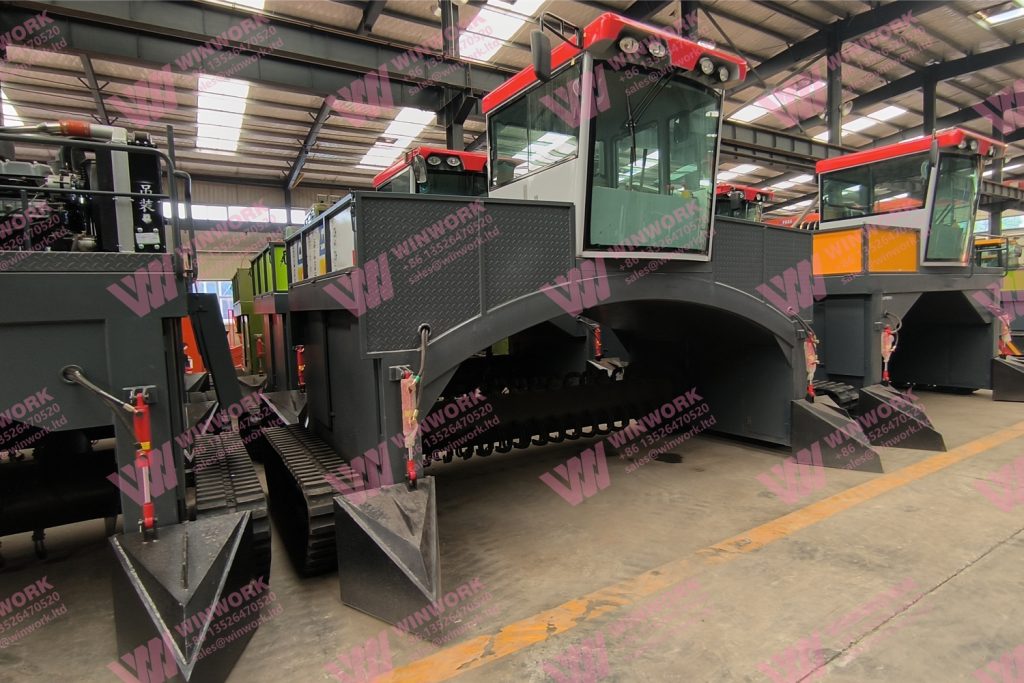
And compost is an important basic for all the steps. Choosing the right way to compost is very important as well. Crawler compost turner is an advanced compost turning equipment, specially designed for compost fermentation process, with the advantages of high efficiency, stability, easy operation and so on.
Crawler compost tumbler realizes automatic operation through crawler walking system, which is the necessary equipment for producing organic fertilizer granules and widely used in organic fertilizer production line.
Step 3: Granulate for Market
Want to sell fertilizer in neat bags? Screen the compost, add nutrients if needed, and feed it into a flat die granulator or double roller extruder. The machine shapes the material into uniform pellets that won’t crumble during transport.
This advanced manure resource utilization creates a product farmers will pay top dollar for. After the formal steps you want to know how to store these products you have made, so you can granulate them and then you can store them in a certain space and keep in a good form.
Double roller granulator is the key equipment in compound fertilizer production line and npk production line, featuring advanced technology, reasonable design, compact structure, strong practicability and low energy consumption.
Double roller granulator and the corresponding auxiliary equipment supporting, can form a small production line, with a certain capacity, to achieve continuous, mechanized production.
Roller extrusion granulator adopts superior formula, no need to dry, can be produced at room temperature. The product can be rolled and shaped once, so that its quality can meet the requirements of technical indexes of compound fertilizer.
Double roller granulator is suitable for the production of high, medium and low concentration of special compound fertilizers required by various crops, which is a newer product of energy saving and consumption reduction in the compound fertilizer industry.
Step 4: Treat the Liquid Stream
Don’t ignore the separated liquid! It’s a goldmine for manure resource utilization
Anaerobic Digestion: Feed liquid into a digester to capture methane gas for heating or electricity. The leftover digestate is a liquid fertilizer.
Sand Filtration: Simple sand filters remove solids, leaving clean water for crop irrigation.
Evaporation Ponds: Concentrate nutrients for use in specialty fertilizers.
Step 5: Direct Land Application
For farms with ample land, applying properly treated liquid manure directly to fields remains a valid form of manure resource utilization. But timing and application rates are critical to prevent runoff and nutrient loss.
FAQ
Q1: Can I use manure from different animals together?
A: Yes, but adjust recipes. Chicken manure is hotter than cow manure. Mixing ratios matter in manure resource to avoid burning crops.
Q2: How long does composting take?
A: With proper manure resource utilization techniques, 2-3 months for active composting plus 1 month curing. Forced-aeration systems can cut this to 4-6 weeks.
Q3: Is anaerobic digestion worth it for small farms?
A: If you have 300+ animals, yes. It generates free energy and reduces odor. Smaller farms may find composting more cost-effective for manure resource utilization.
Q4: Will treated manure attract pests?
A: Properly composted or granulated manure from manure utilization has no odor and won’t attract flies. That’s the whole point!
Q5: Do I need permits for selling fertilizer?
A: Regulations vary, but most areas require lab testing for nutrient content. Certified organic manure resource utilization products need additional documentation.
Q6: How do I test if my compost is safe?
A: Send samples to a lab for pathogen and heavy metal testing. Reliable manure resource utilization yields predictable, safe results.
Q7: Can I use food waste with manure?
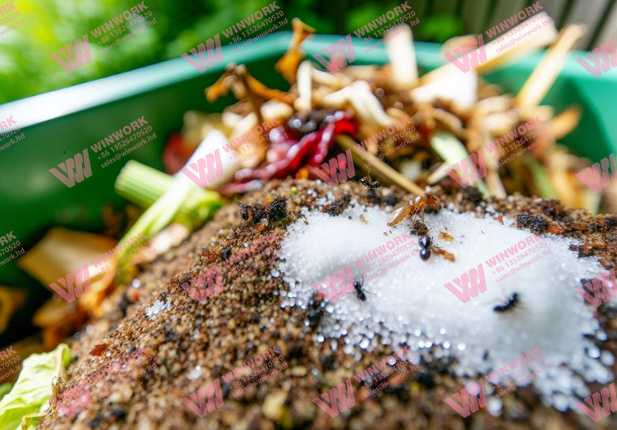
A: Yes! Fruit veggie scraps boost nitrogen. Avoid meat dairy—they attract pests. This combination enhances manure resource utilization diversity.
Q8: What’s the biggest mistake beginners make?
A: Rushing the process. Patience during composting and precise moisture control in granulation are crucial for quality manure resource utilization.
Q9: How do I calculate ROI?
A: Divide annual profit from fertilizer/energy sales by equipment costs. Good manure utilization systems pay for themselves in 1-3 years.
Q10: Are there government incentives?
A: Many regions offer grants for pollution-reducing manure utilization projects. Check local agricultural extension offices.
Conclusion
Manure resource utilization is the ultimate win-win: cleaner farms, healthier soils, and new income. Whether you’re a backyard farmer or run a large operation, the right manure resource utilization strategy can turn a smelly problem into a sustainable solution. By combining simple techniques like composting with modern tools like separators and granulators, you’re not just managing waste—you’re creating value. The sooner you start, the sooner you’ll see cleaner water, greener fields, and fatter profits.
For more details, please feel free to contact us.
Email: sales@lanesvc.com
Contact number: +8613526470520
Whatsapp: +8613526470520
Get A Quote