

Introduction
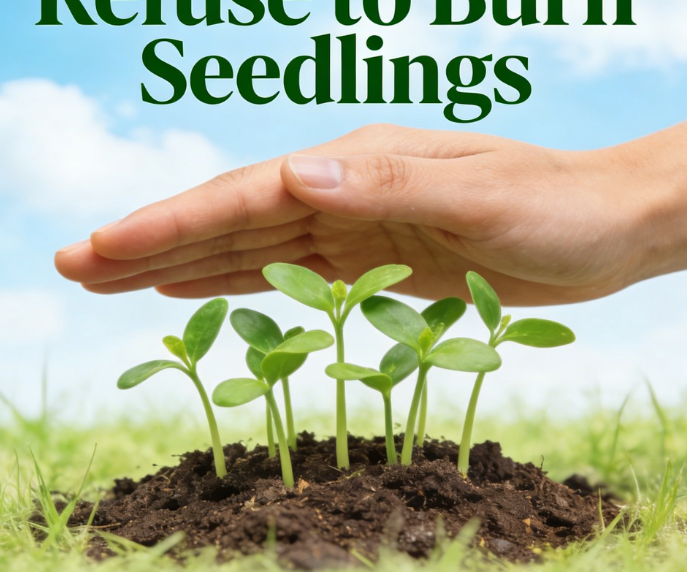
You spread fresh manure on your fields or garden beds with high hopes—more nutrients, better soil, bigger yields. But a few weeks later, your plants look sick: stunted growth, yellowing leaves, and worst of all, roots that look scorched.
This is root burn, and if you’ve seen it, you’ve probably frantically searched for manure root burning solutions. Manure Root Burning Solutions for Healthy Plants, let’s action. The good news is, root burn is entirely preventable and fixable. The key is understanding why it happens and applying the right practices to keep your crops safe while still enjoying the incredible benefits of manure.
What Causes Manure Root Burning?
Just as we need to solve a problem, we must first identify what the problem is and its underlying causes. To find lasting manure root burning solutions, you first need to know the cause. Root burn occurs when manure contains too much soluble salt or nitrogen in a form that plants can absorb too quickly.
Fresh manure—especially from poultry, swine, or horses—is loaded with ammonium and other salts. When this fresh material sits too close to germinating seeds or tender young roots, the concentration of nutrients is so high that it draws moisture out of the roots, essentially “burning” them through dehydration and toxic overload. These seedlings may suffer from scorching due to excessive water loss. So we need to avoid Manure Root Burning Solutions for Healthy Plants
Two main factors contribute to root burn:
Fresh, uncomposted manure–Raw manure hasn’t gone through the curing process to stabilize nitrogen and reduce salts. If left untreated, the nitrogen content becomes excessively high, severely disrupting the elemental balance between seedlings and the soil itself.
Improper application–Applying fresh manure too heavily, too close to planting time, or directly on seeds and seedlings increases the risk of damage. Manure Root Burning Solutions for Healthy Plants.
This is why timing, preparation, and technique are the foundation of any effective manure root burning solutions plan.
The Core Manure Root Burning Solutions: Cure It Before You Use It
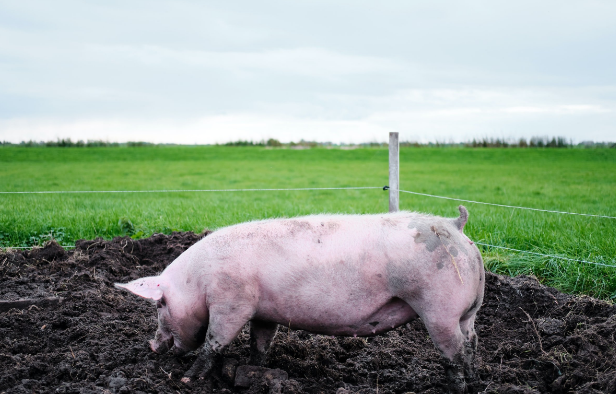
The most reliable way to prevent root burn is to compost manure until it’s fully cured. Composting triggers microbial activity that stabilizes nitrogen into safer forms and reduces salt concentrations. A properly composted manure will have an earthy smell, a crumbly texture, and a dark color. It’s biologically active but gentle on roots. Rather than emitting a foul odor, if the fertilizer still has a pungent smell, it indicates insufficient composting time or issues in the composting process. Manure Root Burning Solutions for Healthy Plants.
Here’s how to implement this manure root burning solution:
Allow at least 3–6 months of composting with regular turning. Composting should preferably be conducted in a sealed space to avoid exposure to humid air and weather conditions, thereby accelerating the fermentation rate.
Use a compost thermometer to ensure the pile reaches and maintains temperatures of 55–70°C to kill pathogens and break down harsh compounds. High temperatures are lethal to harmful microorganisms.
Test the finished compost for salt content if possible, especially if using poultry manure. Manure Root Burning Solutions for Healthy Plants.
Additional Manure Root Burning Solutions for Safe Field Application
Even after composting, certain precautions will protect your crops:
Apply Early and Incorporate – Spread composted manure well before planting (4–8 weeks), then till it into the soil. This dilution prevents high concentrations around young roots.
Manure-based organic fertilizers are suitable for soil application, as they can enhance soil nutritional value and subsequently provide essential nutrients to crops. Direct application of manure to crop leaves should be avoided, as this may not only impair leaf elemental composition but also compromise hygiene standards.
Avoid Fresh Manure Near Seeds– Never place fresh manure in direct contact with seeds or seedlings. If you must use fresh material, apply it in the fall for spring planting. Manure Root Burning Solutions for Healthy Plants, so we need to make good compost.
Use Proper Rates– Follow recommended application rates (usually 5–10 tons per acre for composted manure). More isn’t better—excess nutrients can still cause burn.
Blend with Other Amendments– Mix composted manure with topsoil, peat moss, or other organic matter to further buffer nutrient strength. The purpose of this practice is to prevent excessive concentration of manure, which may lead to adverse effects. Therefore, mixing it with other materials can neutralize the concentration and reduce the risk of seedling scorching. Manure Root Burning Solutions for Healthy Plants,so it is necessary to make good manures.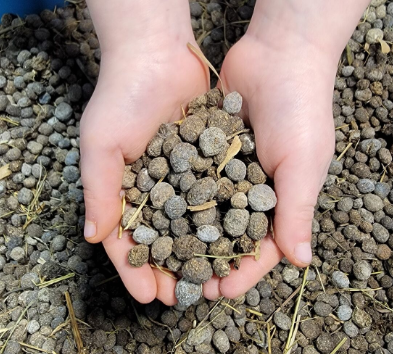
Important Equipment Helps
Getting the right tools makes applying manure root burning solutions easier and more effective:
Compost Turners- Ensure even decomposition and accelerate curing, reducing salts and ammonia.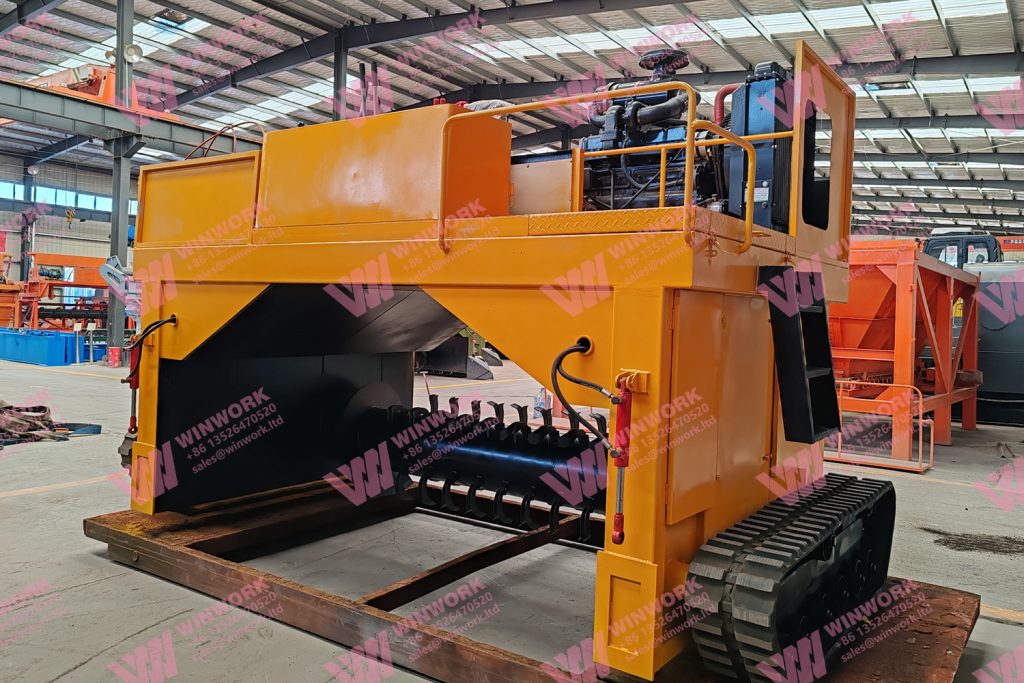
Crawler compost turner working principle
Material turning: Crawler compost turner turns and agitates the piled materials through the turning device at the front. The turning device consists of a number of high-speed rotating blades, which can fully break up and mix the materials, make the materials contact with the air and promote aerobic fermentation.
Crawler Walking: There is a crawler walking system installed at the bottom of the equipment, which is driven by the hydraulic system and can walk flexibly on the landfill, adapting to various terrain conditions. The crawler system has strong grip and stability to ensure the smooth running of the equipment during the walking process.
Air replenishment: During the turning process, the material is fully turned and broken up, which is conducive to air entering the inside of the compost, increasing the oxygen content of the material, promoting the growth and reproduction of microorganisms, and accelerating the compost fermentation process.
Temperature control: during the turning process, the temperature of the material will gradually rise, through regular turning, you can avoid the death of beneficial microorganisms caused by the high temperature of the material, to ensure that the composting process in the best temperature range.
Moisture regulation: In the process of composting, the turner can evenly distribute the moisture in the material, preventing the local over-wet or over-dry, ensuring the uniformity and stability of the composting process.
Solid-Liquid Separators–Remove excess moisture from raw manure, speeding the composting process and lowering burn risk.
Manure Spreaders–Distribute composted manure evenly across fields, avoiding concentrated piles.
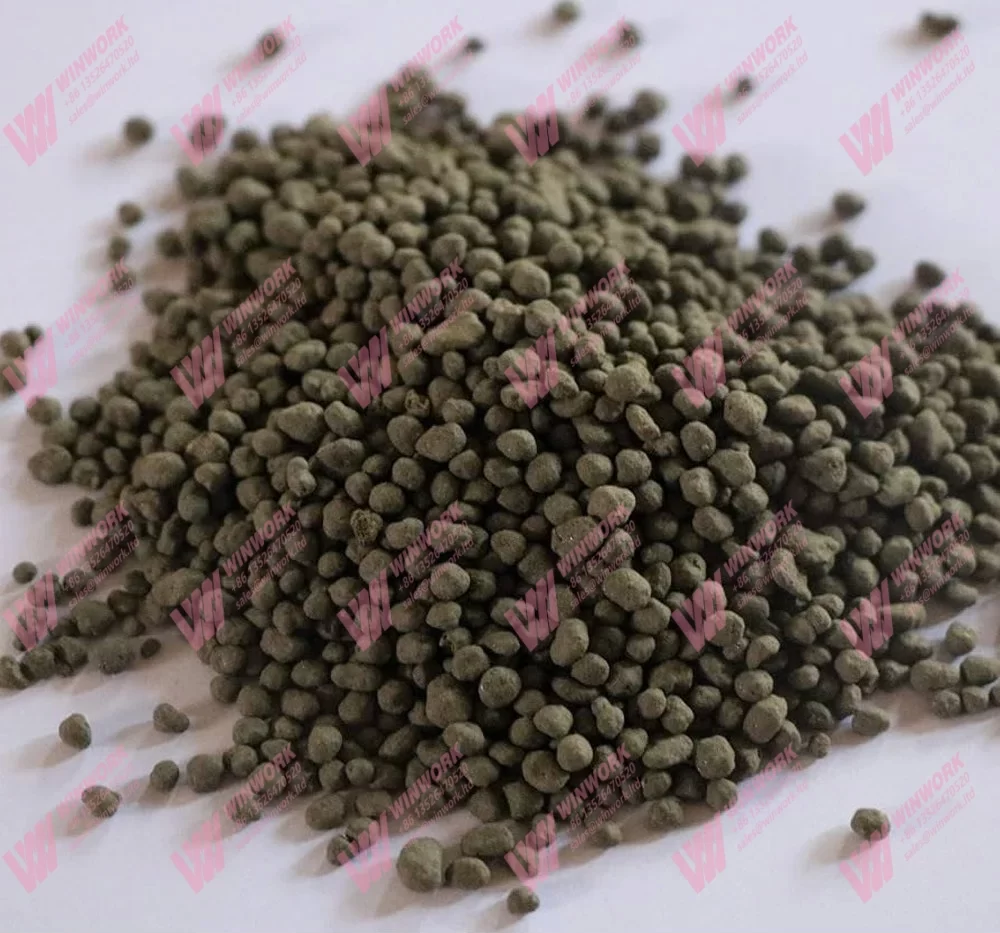
Rotary Drum Granulators – Convert compost into pellets for controlled, slow-release application that minimizes root exposure to soluble salts.
Rotary drum granulator is a kind of high efficient molding machinery, which can process raw materials into specific shapes of particles. As the core equipment of compound fertilizer production line, rotary drum granulator is suitable for cold and hot granulation as well as large-scale production of high, medium and low concentration compound fertilizer.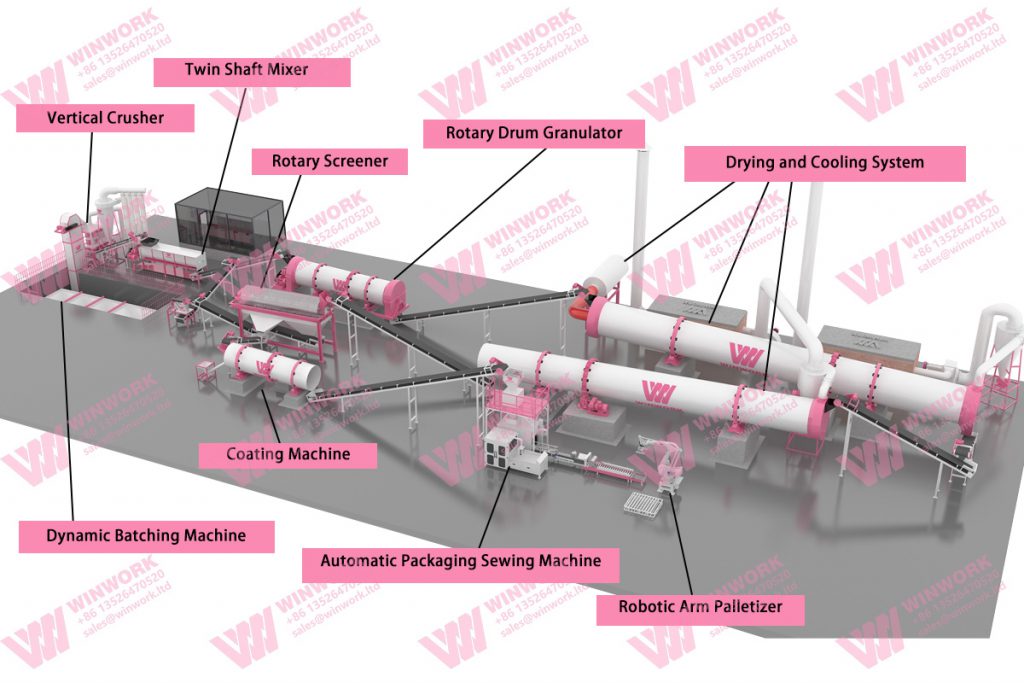
Soil Testing Kits – Measure salt and nitrogen levels in both manure and soil to tailor application safely. This can help measure the moisture of the manure and to avoid being too dry or too wet.
The Benefits of Using Manure Root Burning Solutions
Applying these solutions doesn’t just save your crops—it makes your whole system more productive:
Healthier Plants – Roots grow strong and deep without damage, leading to better nutrient uptake and higher yields.
Stable Soil Fertility – Slow-release nutrients from cured manure feed crops over time without shocking the system.
Reduced Waste – Proper composting and application mean fewer nutrients lost to runoff or volatilization.
Lower Input Costs – Safer manure use means less need for supplemental fertilizers.
Real Farm Example: The Greene Vegetable Farm
The Greenes grow organic tomatoes and peppers on 20 acres. One season, they used fresh chicken manure too close to transplanting and lost 15% of their seedlings to root burn. Determined to find better manure root burning solutions, they built a composting system with a turner and started applying cured manure 6 weeks before planting. The following year, transplant survival jumped to 98%, and yields increased by 20%. “The right manure root burning solutions turned manure from a liability into our best fertilizer,” says co-owner Maria Greene.
FAQ: Your Questions About Manure Root Burning Solutions Answered
Q1: Can I ever use fresh manure safely?
A: Yes, but only with extreme caution—apply in fall for spring planting, and never near seeds or young plants. Composting is always the safer route.
Q2: How can I tell if my compost is cured enough?
A: It should smell earthy, look dark and crumbly, and have no ammonia odor. A compost thermometer reading consistently below 40°C is another good sign.
Q3: Does root burn kill plants instantly?
A: Not always. Damage can develop over weeks, with symptoms like stunted growth, yellowing, and poor root formation.
Q4: Are all manures equally risky?
A: No. Poultry manure is highest in nitrogen and salts, so it poses the greatest burn risk. Cow and horse manure are milder but still require curing.
Q5: Will watering dilute the risk of root burn?
A: Watering can help leach out excess salts after application, but prevention through proper composting and timing is far more effective.
Q6: Can I use manure tea without burning roots?
A: Manure tea can concentrate salts and nitrogen, increasing burn risk. If you use it, dilute heavily and avoid direct contact with root zones.
Q7: How long should I wait after applying composted manure before planting? Manure Root Burning Solutions for Healthy Plants.
A: At least 4 weeks, preferably 6–8, to allow nutrients to integrate into the soil and mellow.
Q8: Do soil tests really help with manure application? Manure Root Burning Solutions for Healthy Plants.
A: Absolutely. Tests reveal existing nutrient levels, helping you avoid over-application and root burn.
Q9: What’s the best equipment for small gardens?
A: A simple compost bin, a hand tiller, and a soil test kit are enough to apply manure root burning solutions on a small scale.
Q10: Where can I learn more about composting techniques? Manure Root Burning Solutions for Healthy Plants.
A: Your local Cooperative Extension office or agricultural extension service can provide detailed guides and workshops on proven manure root burning solutions.
Conclusion
Root burn doesn’t have to be the price you pay for using manure. With the right manure root burning solutions—proper composting, careful timing, and the correct equipment—you can harness the incredible fertility of manure without harming your crops. The result is healthier plants, higher yields, and a more sustainable farming system.
For more details, please feel free to contact us.
Email: sales@lanesvc.com
Contact number: +8613526470520
Whatsapp: +8613526470520
Get A Quote