

Introduction
If you’ve ever driven past a farm and held your nose, you’ve smelled the problem: untreated animal manure. It stinks, pollutes waterways, and releases greenhouse gases. But what if that same manure could become a clean, nutrient-rich soil booster? That’s exactly what modern manure treatment can do.
Why Manure Treatment Matters Now More Than Ever
For decades, farmers piled manure in lagoons or spread it fresh on fields. The result? Contaminated groundwater, ammonia emissions, and wasted potential. Today, strict environmental rules and sky-high chemical fertilizer prices are pushing everyone to rethink. Manure treatment isn’t just about compliance — it’s about turning a liability into cash.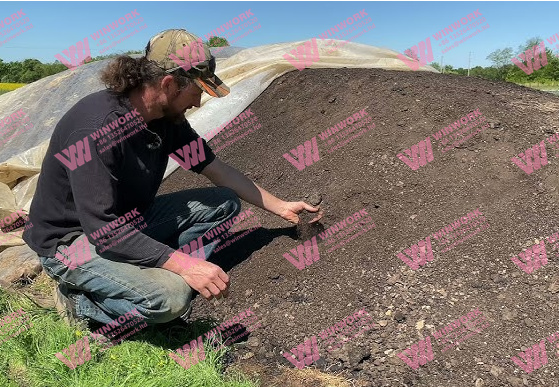
The Pollution Problem: What Happens Without Treatment
Raw manure contains nitrogen, phosphorus, pathogens, and salts. When dumped untreated:
Rain washes nitrates into rivers, causing algae blooms.
Pathogens contaminate drinking water.
Methane and nitrous oxide escape, warming the planet.
This is why smart manure treatment is becoming essential for sustainable farming.
From Waste to Wealth: How Manure Treatment Creates Organic Fertilizer
The magic happens when you process manure properly. Here’s the simple breakdown:
Collection and Pre-Treatment
Remove debris like straw or plastic. Use a solid-liquid separator to split manure into thick sludge and liquid. This initial step makes all subsequent manure treatment more efficient.
Composting: Nature’s Recycling System
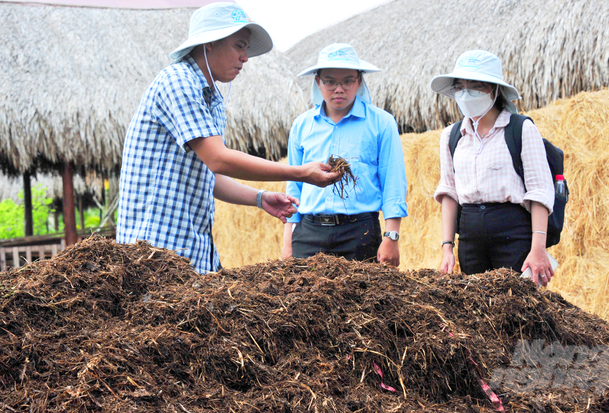
Pile the solid sludge with carbon sources like sawdust or rice husks. Turn the pile regularly to add oxygen. In 2–3 months, heat kills weed seeds and pathogens. The result? Stable, earthy-smelling compost perfect for crops. This low-tech method is a cornerstone of effective manure treatment.
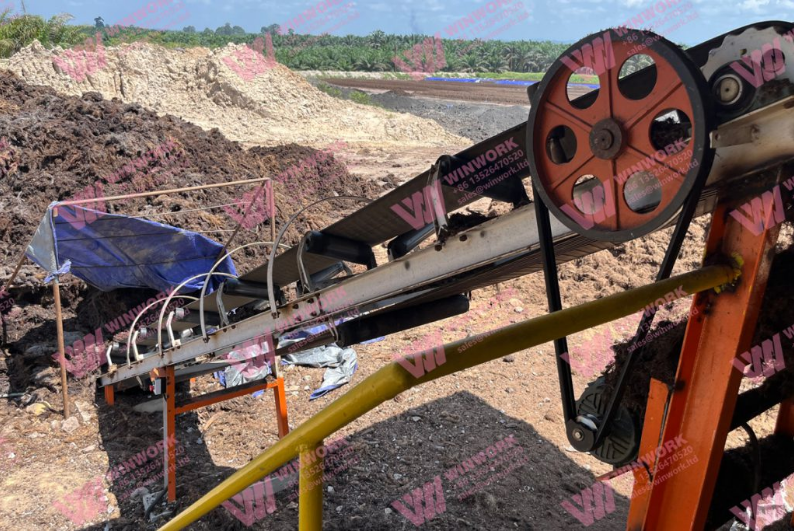
Crawler compost turner is an advanced compost turning equipment, specially designed for compost fermentation process, with the advantages of high efficiency, stability, easy operation and so on.
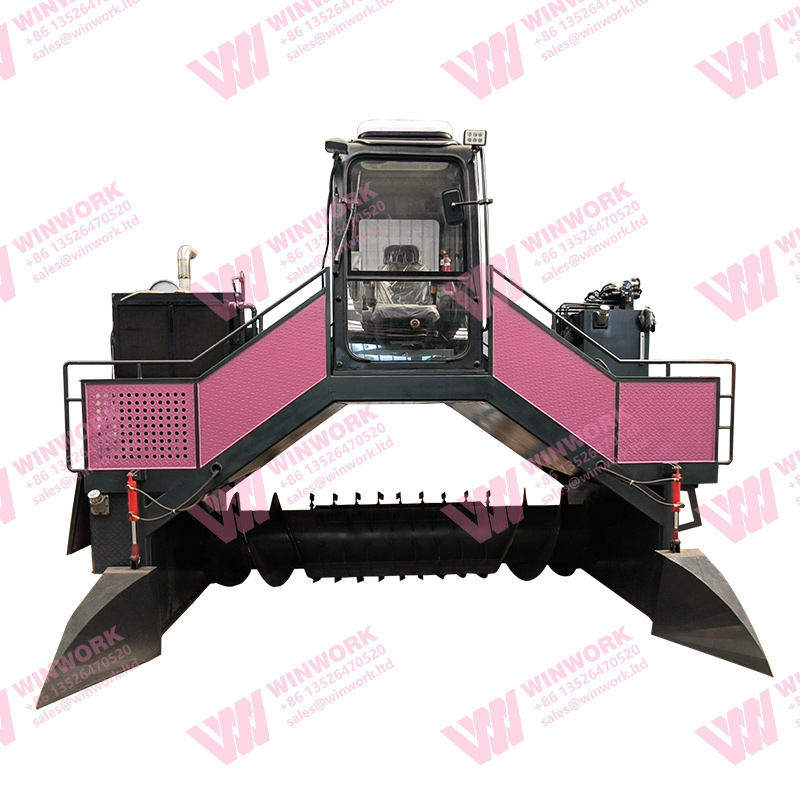
Crawler compost tumbler realizes automatic operation through crawler walking system, which is the necessary equipment for producing organic fertilizer granules and widely used in organic fertilizer production line.
Granulation: From Powder to Premium Pellets
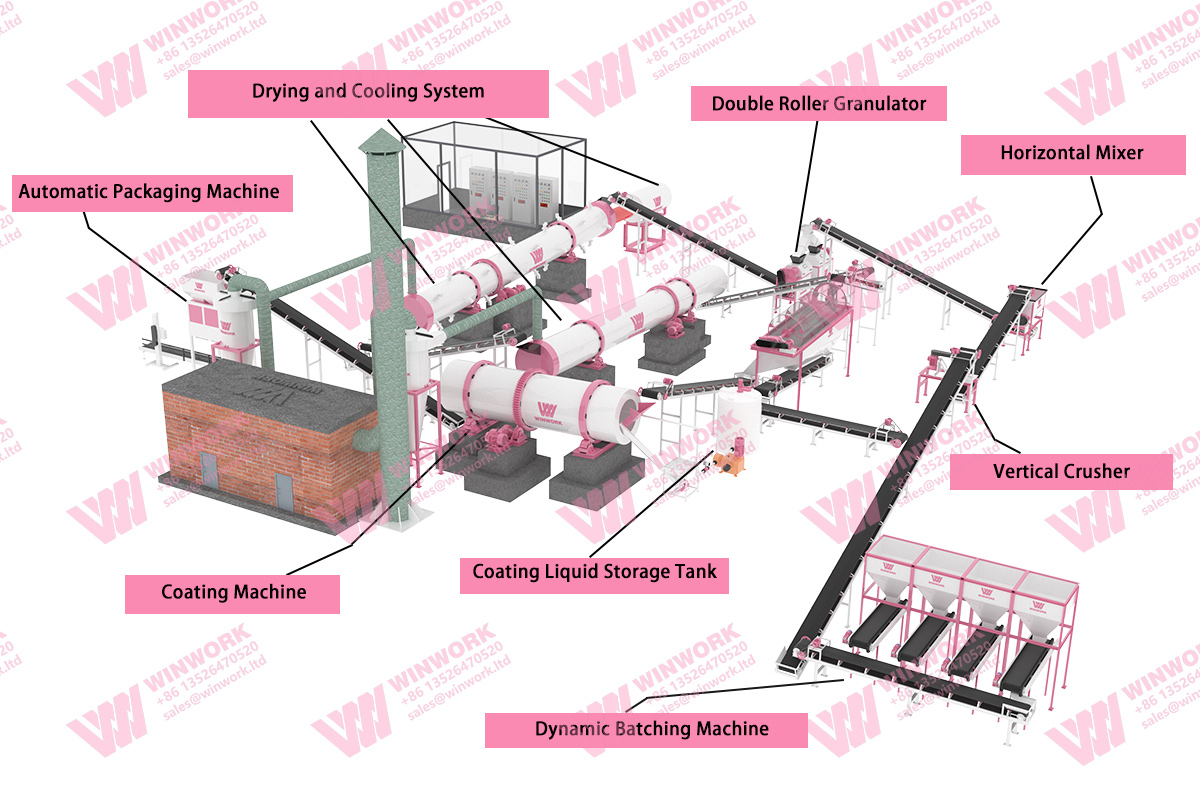
Want to sell fertilizer in neat bags? Compost goes into a crusher, then a mixer with nutrients like potassium. Next, a granulator shapes it into pellets. Finally, a dryer and cooler ensure durability. This advanced manure treatment creates market-ready products.
These are essential steps for the fertilizer in shape, we can give you several machines for reference. Flat die granulator also called flat die pellet mill, it is a kind of pelletizing equipment used to press powdery raw materials into pellets, which is widely used in feed, fertilizer, biomass energy, chemical industry and other industries. The rotary drying and cooling machine is a kind of high-efficiency equipment integrating drying and cooling, which is widely used in chemical industry, fertilizer, mining industry, building materials and other industries.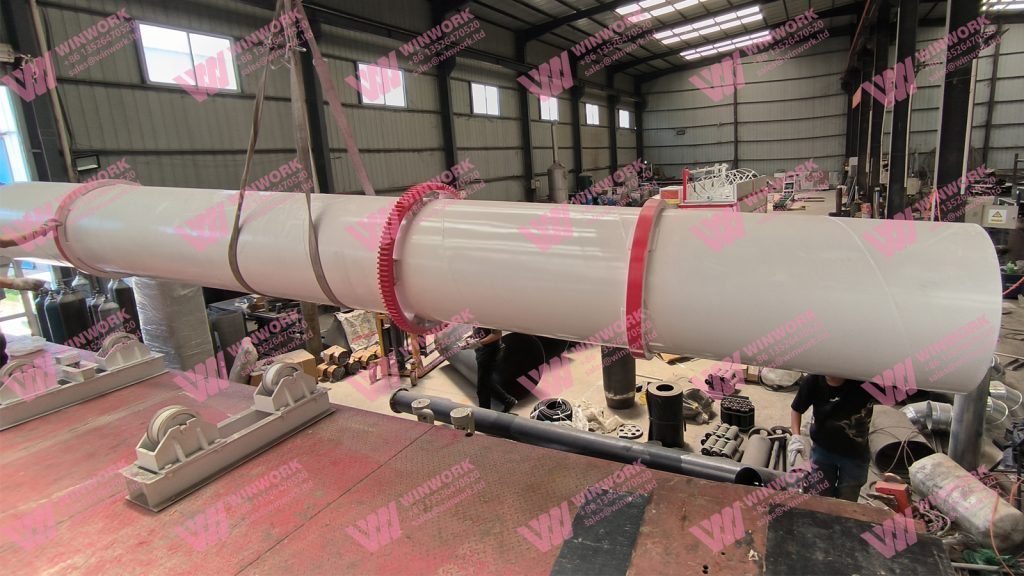
The rotary drying and cooling machine realizes the continuous drying and cooling process of materials in the same body, which saves space and equipment investment and simplifies the process.
Treating Wastewater
Don’t let that separated liquid go to waste! Filter it through a sand filter or use anaerobic digestion to capture methane and reduce odor. The cleaned water can irrigate crops safely.
Key Benefits of Proper Manure Treatment
Cuts pollution: Keeps nitrogen and phosphorus out of lakes and streams.
Saves money: Replaces expensive synthetic fertilizers.
Boosts soil health: Organic matter improves water retention and microbial activity.
Meets regulations: Avoid fines while qualifying for green farming subsidies.
FAQ
Q1: Isn’t composting just letting manure rot?
A: Nope! Proper composting requires balancing carbon and nitrogen, monitoring moisture, and turning piles. This controlled manure treatment kills harmful bacteria and creates stable fertilizer.
Q2: How long does manure treatment take?
A: Composting takes 2–3 months; granulation adds another 1–2 weeks. Fast-track systems with forced aeration can cut time in half.
Q3: Can I treat manure from different animals together?
A: Yes, but adjust recipes. Chicken manure is “hotter” (higher nitrogen) than cow manure. Mix ratios matter in manure treatment to avoid burning plants.
Q4: Will treated manure attract pests?
A: Properly composted or pelletized manure doesn’t smell or attract flies. That’s the whole point of thorough manure treatment!
Q5: Do I need fancy machines?
A: Small farms can start with basic tools like pitchforks and tarps. Larger operations benefit from separators and granulators — key machines for scalable manure treatment.
Q6: Is anaerobic digestion worth it for small farms?
A: If you have 500+ animals, yes. It generates biogas for heating or electricity. Smaller farms might find composting more cost-effective.
Q7: How do I test if my treated manure is safe?
A: Send samples to a lab for nutrient analysis and pathogen testing. Reliable manure treatment yields predictable results.
Q8: Can I use treated manure on all crops?
A: Most field crops love it! For vegetables, use fully composted or pelletized forms to avoid plant burn.
Q9: What’s the biggest mistake beginners make?
A: Rushing the process. Patience during composting and precise moisture control in granulation are crucial for quality manure treatment.
Q10: Are there government incentives?
A: Many countries offer grants for pollution-reducing manure treatment systems. Check local agriculture extension offices!
Conclusion
Manure treatment is the ultimate win-win: less pollution, healthier soil, and new income streams. Whether you’re a backyard farmer or run a mid-sized livestock operation, the right manure treatment strategy can turn a smelly problem into a sustainable solution. By combining simple techniques like composting with modern tools like granulators, you’re not just managing waste — you’re creating value. The sooner you start, the sooner you’ll see cleaner air, safer water, and fatter profits.
For more details, please feel free to contact us.
Email: sales@lanesvc.com
Contact number: +8613526470520
Whatsapp: +8613526470520
Get A Quote